Archive for the ‘Books worth reading’ Category

My Life With Invasives

I’m reading Beyond the War on Invasive Species, an interesting book by Tao Orion that, among other things, recalls some of the horrors that the native plant ecomovement fell into, such as “nuking” large areas repeatedly with Round-Up so that they could eventually be replanted with “pure” native species. The whole issue of how to think about invasives is complicated, and I will not approach it here. But the role of invasives in my own yard is one that I feel able to tackle.  My yard is happily multicultural and can absorb almost any invasive that has a use to me, my livestock, or our local pollinators. Over the years I’ve been surprised by plants that came with warnings about their aggressive nature, but in my yard struggled or even died.
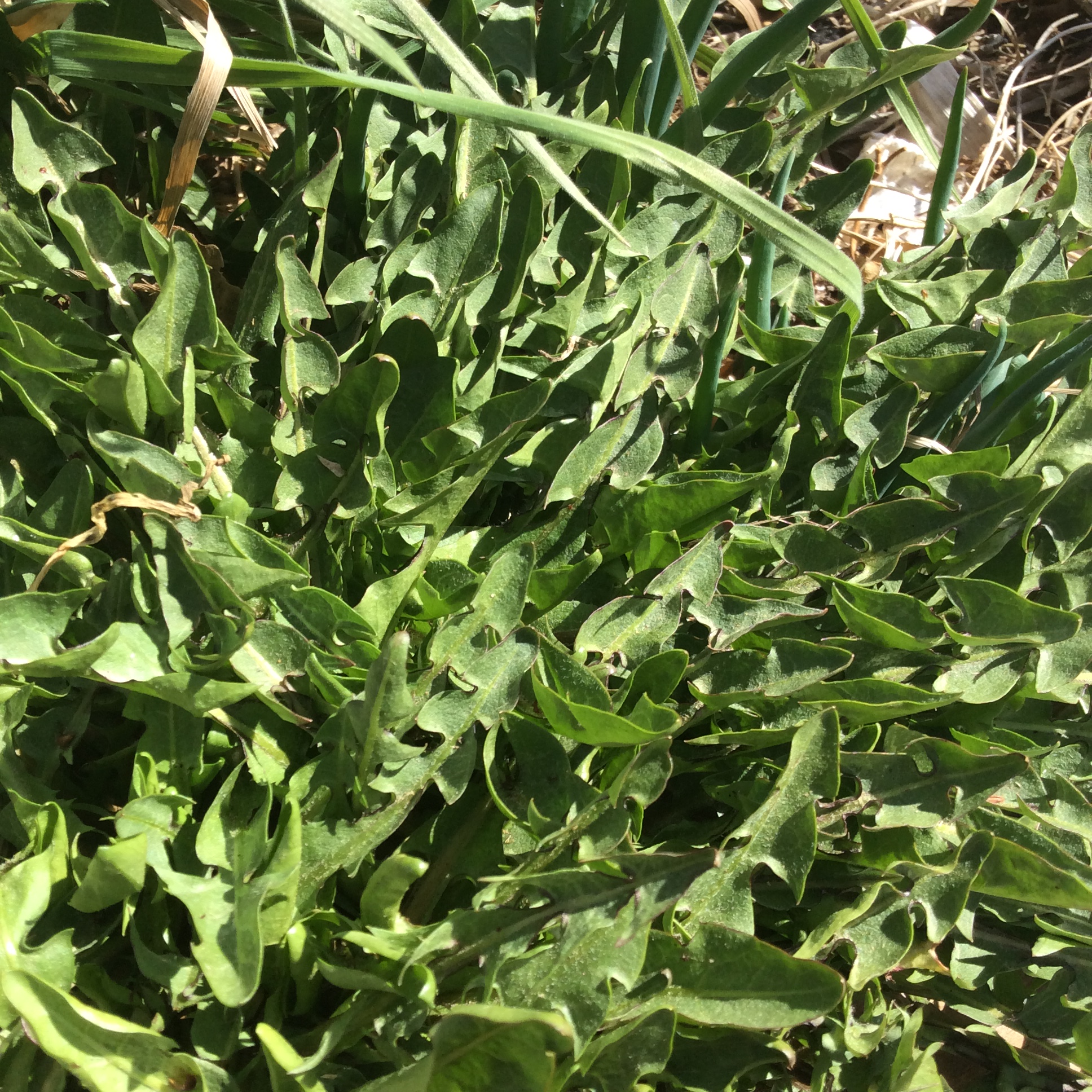
There are lots of invasives here, mostly introduced by me and mostly cherished. To have dandelions, I had to pay good money for seed and then wait impatiently as they took three years to get large and lush and edible. Now they are finally self-seeding a bit and are welcome almost anywhere they appear.

Gojis took a while to settle in but now come up everywhere, which is fine since I like the leaves and young shoots as well as the berries.

Nettles, shown at the top of this post,  are my favorite spring greens, and it has turned out to be very possible to manage them for a fall crop of greens as well. They aren’t found in my high desert area and I had to buy plants to get them. They are probably my favorite invasive.  The first nettle patch was located in an area that has concrete walkway all around it, to foil its dreams of world domination. I have started a couple of other nettle patches this spring in large containers. I’ll report back on how this works out.
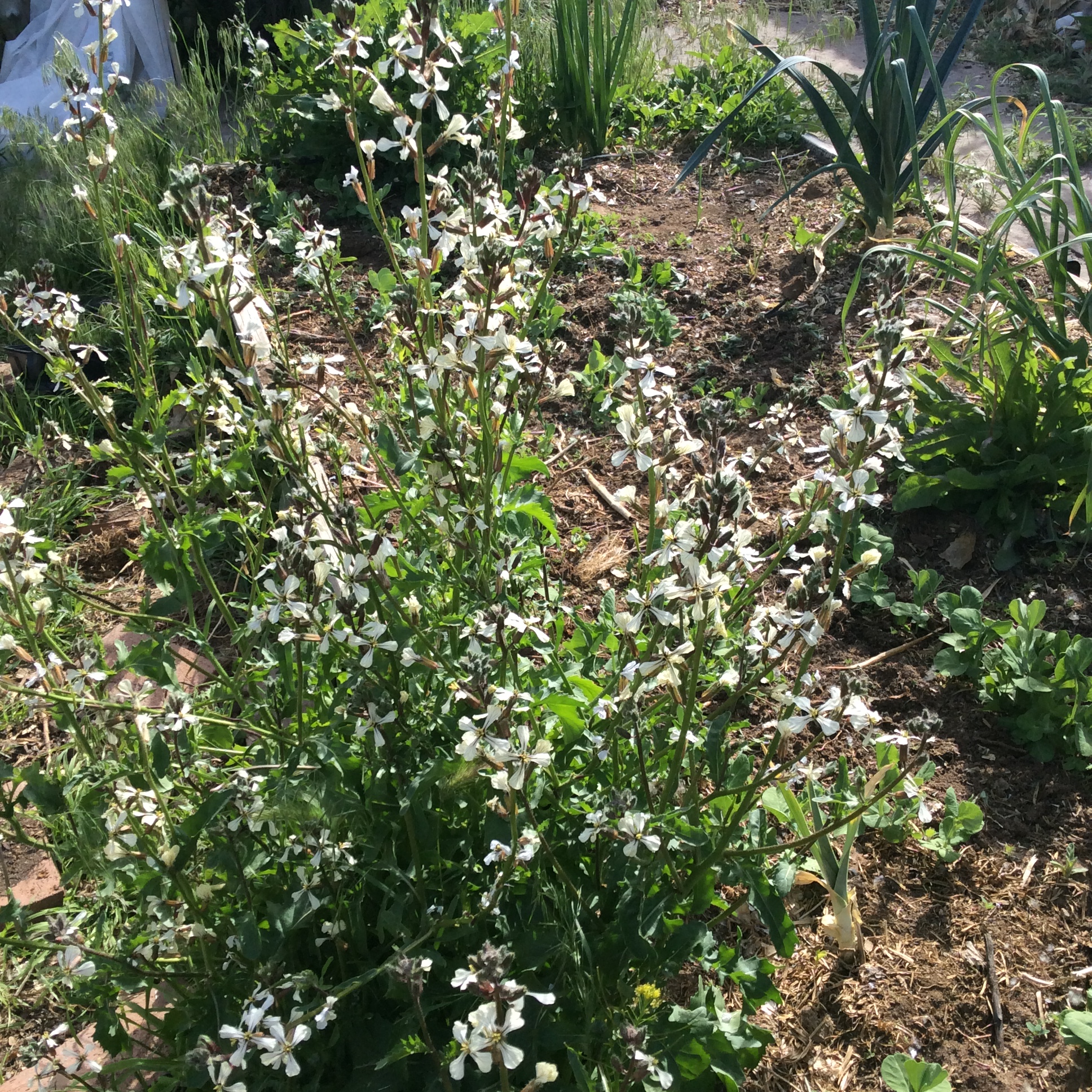
Arugula  comes up everywhere, and is welcome almost everywhere it appears. It is one of my favorite salad greens, and makes a fairly good cooked green as well, best with stronger seasonings like garlic and cayenne. The flowers are very attractive to bees  and open at a time when little else is flowering, so I always let plenty of it go to seed.
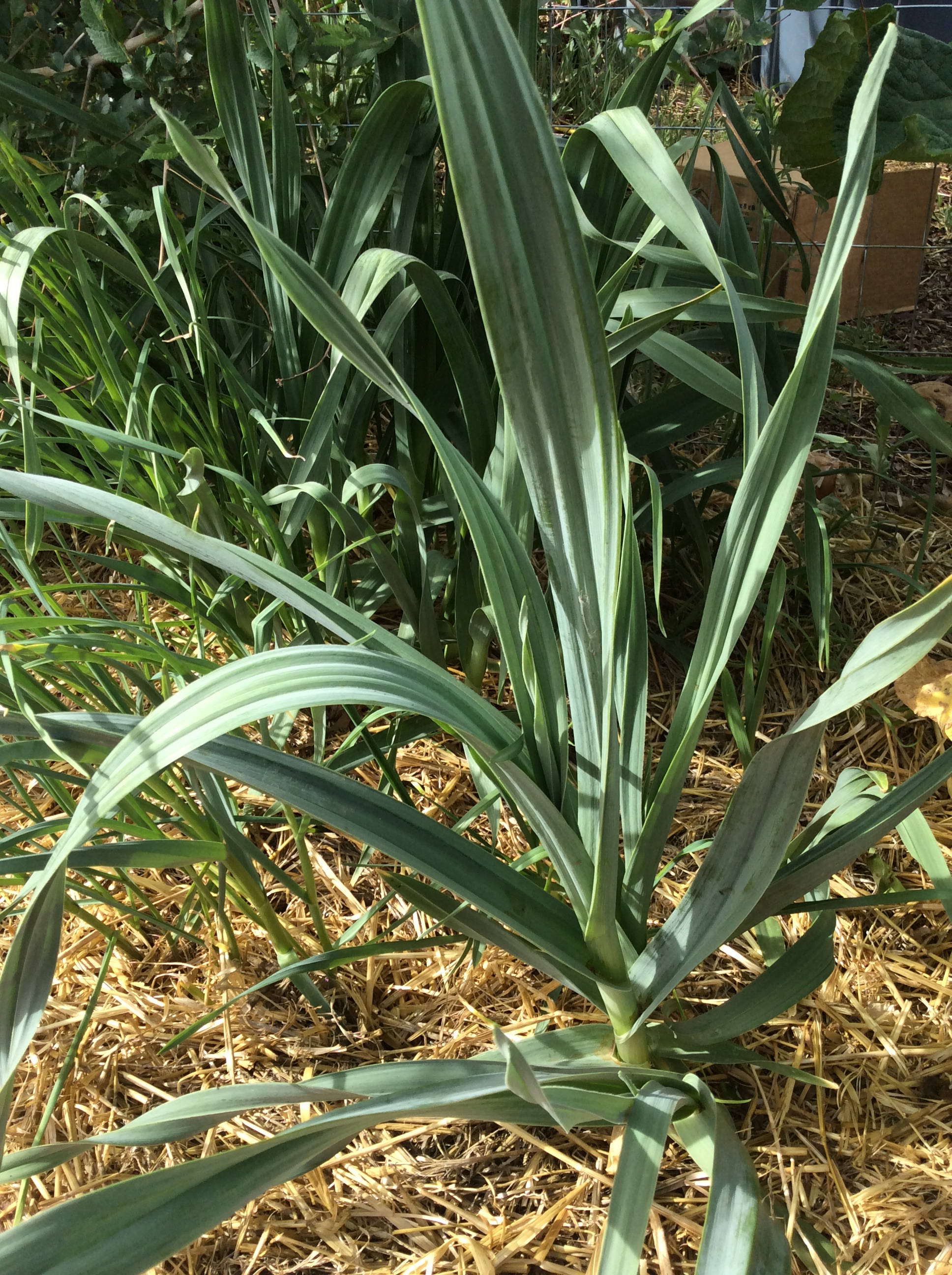
At this point I would have to classify elephant garlic as an invasive, because no matter how much of it I pull up, I always seem to have even more the following year.  When I threw an arm full on top of straw mulch just to get rid of it, it sent roots down  through the mulch and took off as you see above. I don’t mind it, though. It isn’t much use as a bulb and does not compare to true garlic, but I like the early shoots for green garlic, so it does have a use, and the bees enjoy any flowers that I allow to form.
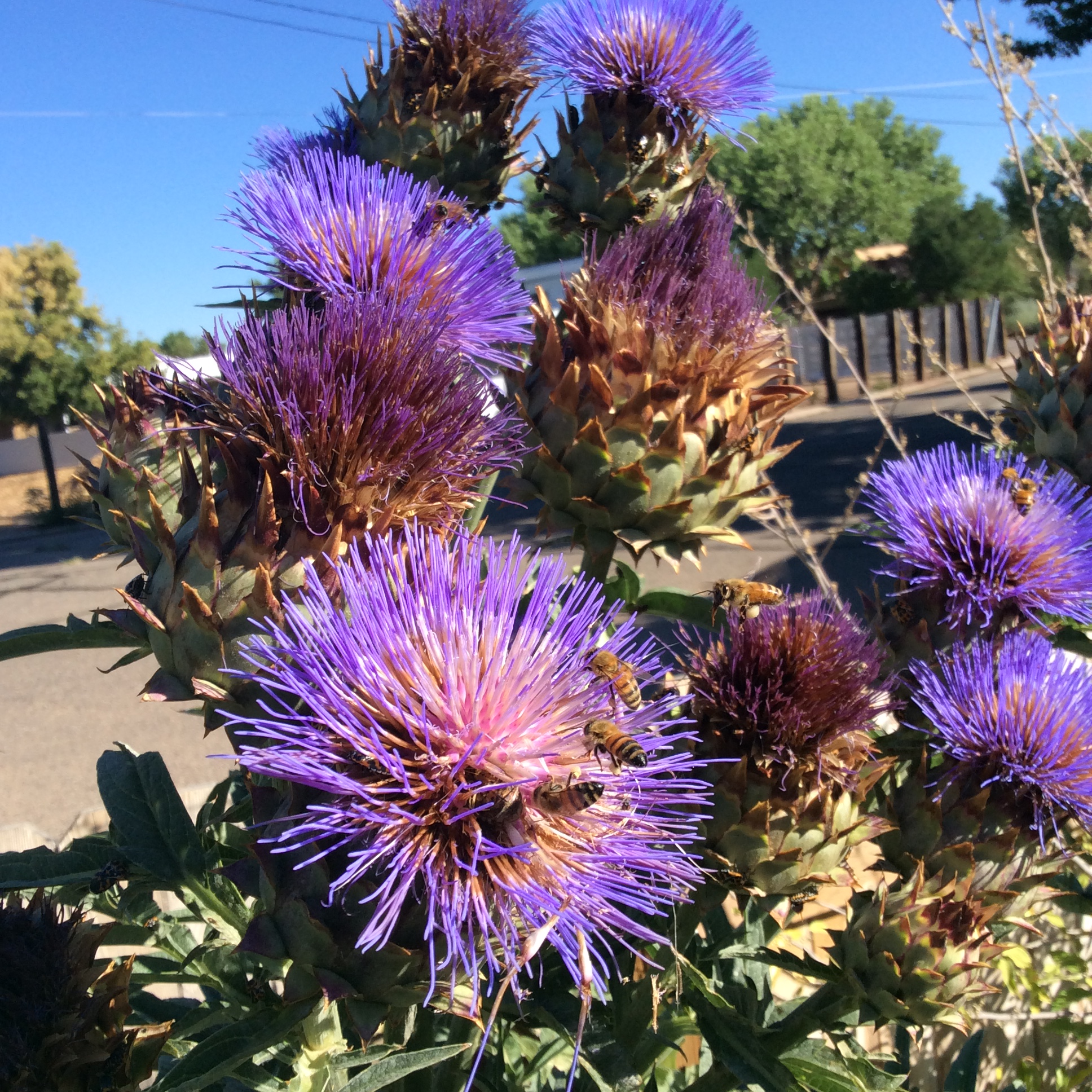
Speaking of attractive to bees, cardoon has become quite an invasive in my yard but one that, as you see above, has its admirers.  I loved cardoons when I ate them in Italy, and brought back seeds from there to make sure that I got the edible kind and not the florist kind, but I have never been able to eat my homegrown cardoons. No matter how carefully blanched, they are inedibly bitter. They do provide one wonderful vegetable, the peeled top of the bloom scape before the buds swell, but that is one small serving per very large plant. I still let them seed themselves around though, because the bees and my goat adore them and even in my desert climate and alkaline soil, they come up in odd corners and require no care or attention whatsoever. The huge jagged silver leaves are strikingly ornamental.  When they come up in the middle of garden beds, I let them reach a good size and then pull them for the goat. I have read that the large parsnip-like root is edible, but when grown in my yard it is as bitter as the leaves, and is a flavor that only a goat could love.
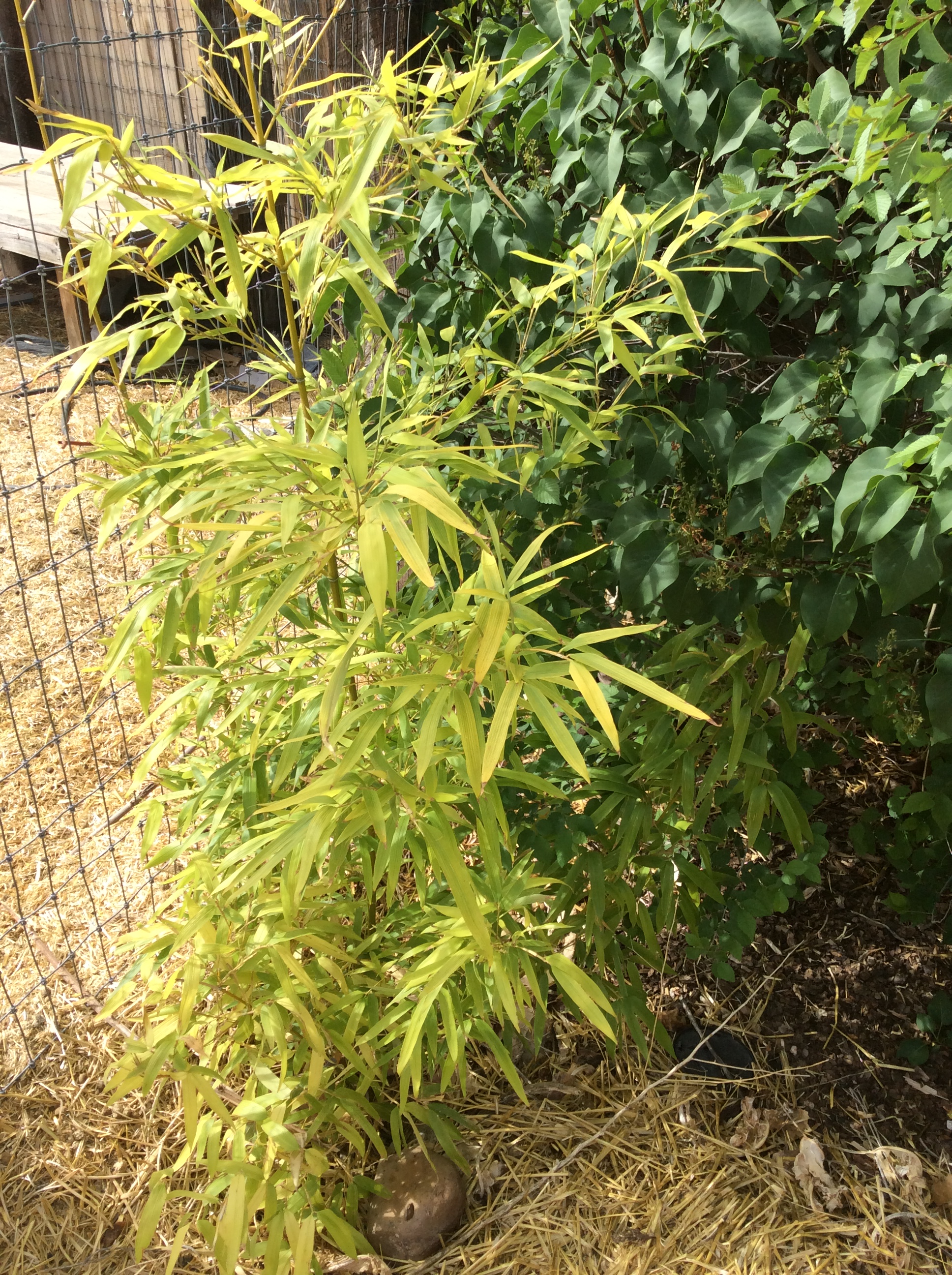
Scrawny little Phyllostachys dulcis “invading.”

I love bamboo shoots and can seldom  find fresh ones locally, so growing them seemed obvious.  I planted  clumping bamboo and the famously invasive running sweet shoot bamboo.  The latter is famous for overrunning its boundaries and forming 30 foot high jungles, so I sited it in a part of the yard up next to the goat paddock, figuring that I could always turn her loose on it if worst came to worst.  Three years later, each plant now has two or three wimpy looking canes about 5 feet high, and I have eaten exactly one bamboo shoot. It was very good, and I was glad to have it,  but I am still waiting for the abundant shoots that I was told would pop up absolutely everywhere.  The aristocratic clumping bamboos took one look at their pedestrian setting and refused to go on living.
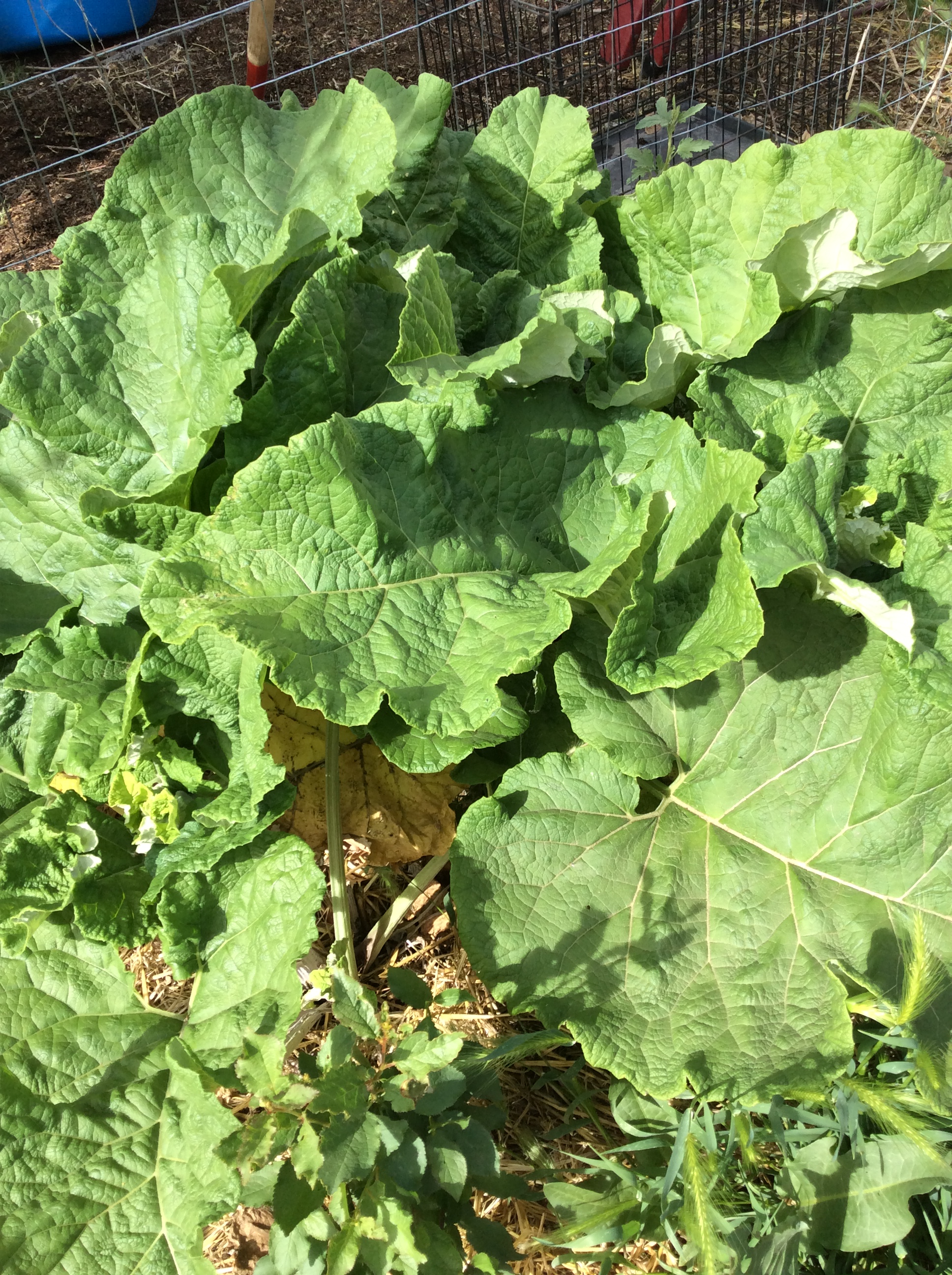
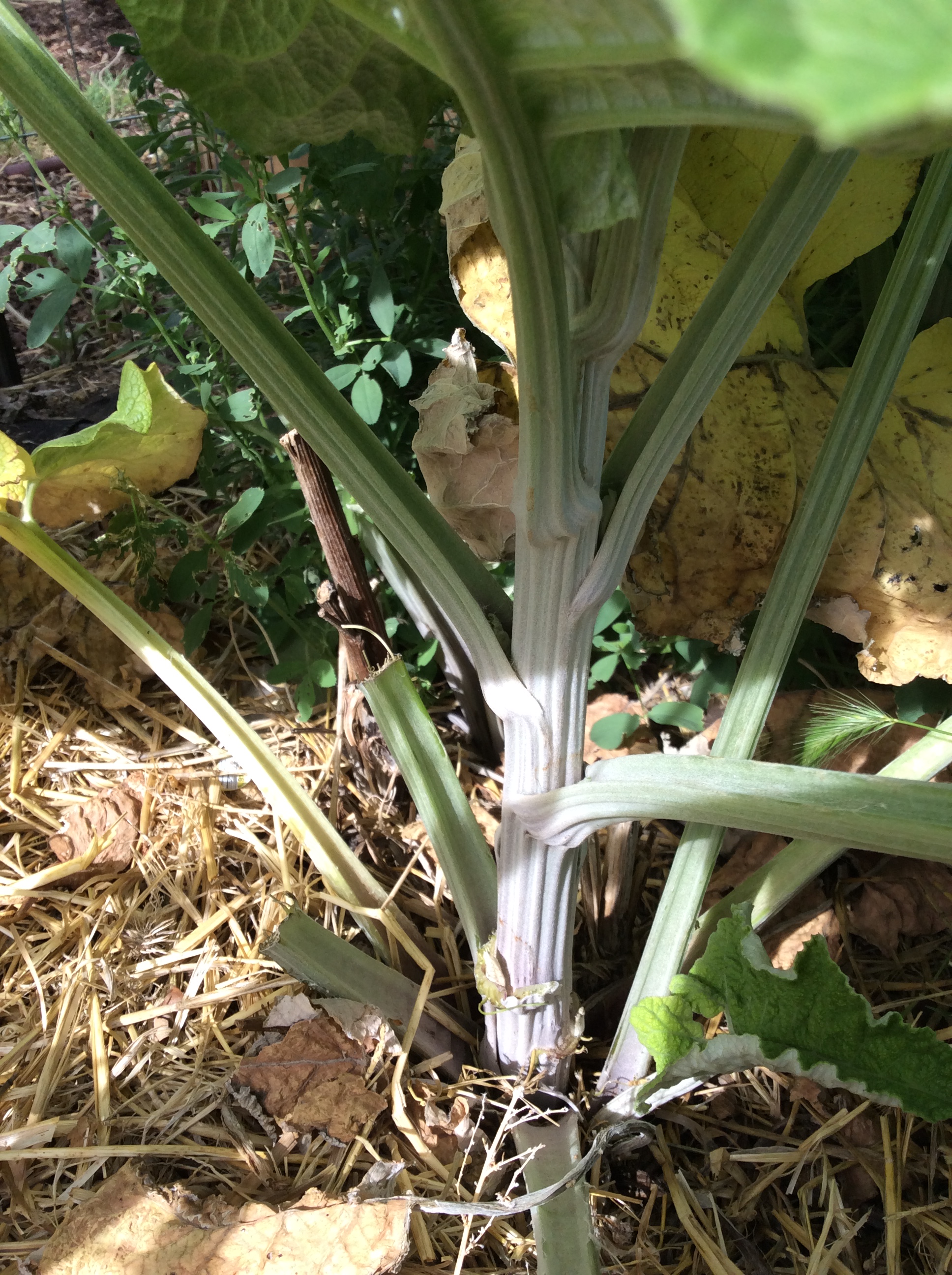
Burdock bloomscape at right stage for peeling and cooking.

Burdock has done a better job of becoming an invasive. I don’t care for the roots that much, and planted it because the peeled bloom scape is a fair vegetable, and I assumed that since I was eating it before the flowers formed, I would be able to keep the plant from reproducing. It fooled me. If you keep cutting off the bloomscape, it forms little short bloomscapes down under the huge leaves where you don’t see them, and seeds itself thickly all around the parent plant.  Dogs wandering through the patch pick up the burrs and plant more elsewhere.  Still, the leaves are a favorite goat treat, and I don’t mind having it around.
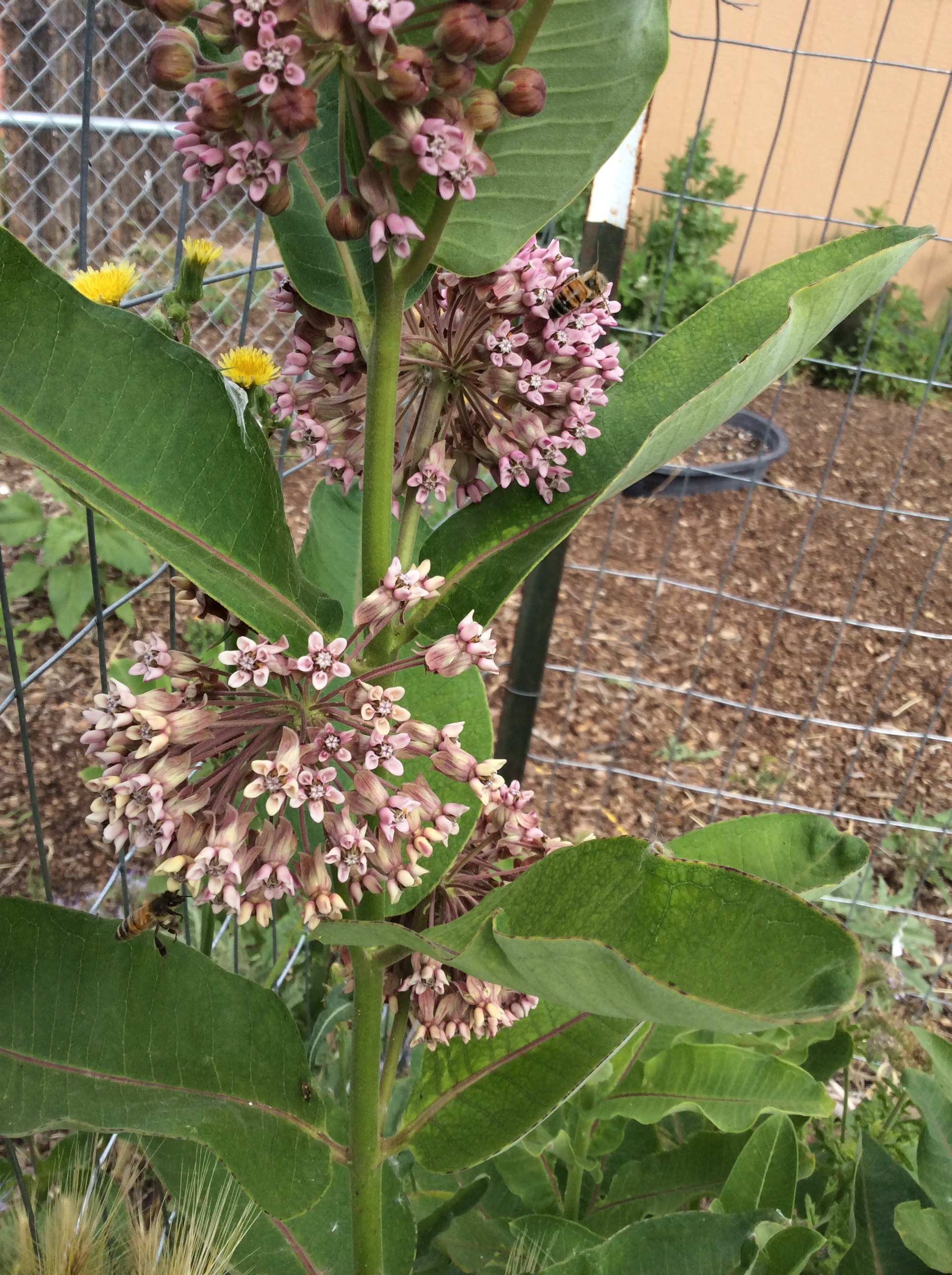
Common milkweed is one of my favorite wild edibles, as well as being a great bee plant and the chosen food of the monarch butterfly larva, and for years I have been trying to get it to become invasive, but in my yard it remains as fussy as orchids.  Ordinarily I run a Darwinian garden and will not make great efforts to keep any plant going when its natural inclination is to die, but I have really gone out of my way for the milkweed, and it has not reciprocated. Finally, this year it is beginning to spread a little bit, but there is still not enough to eat any.
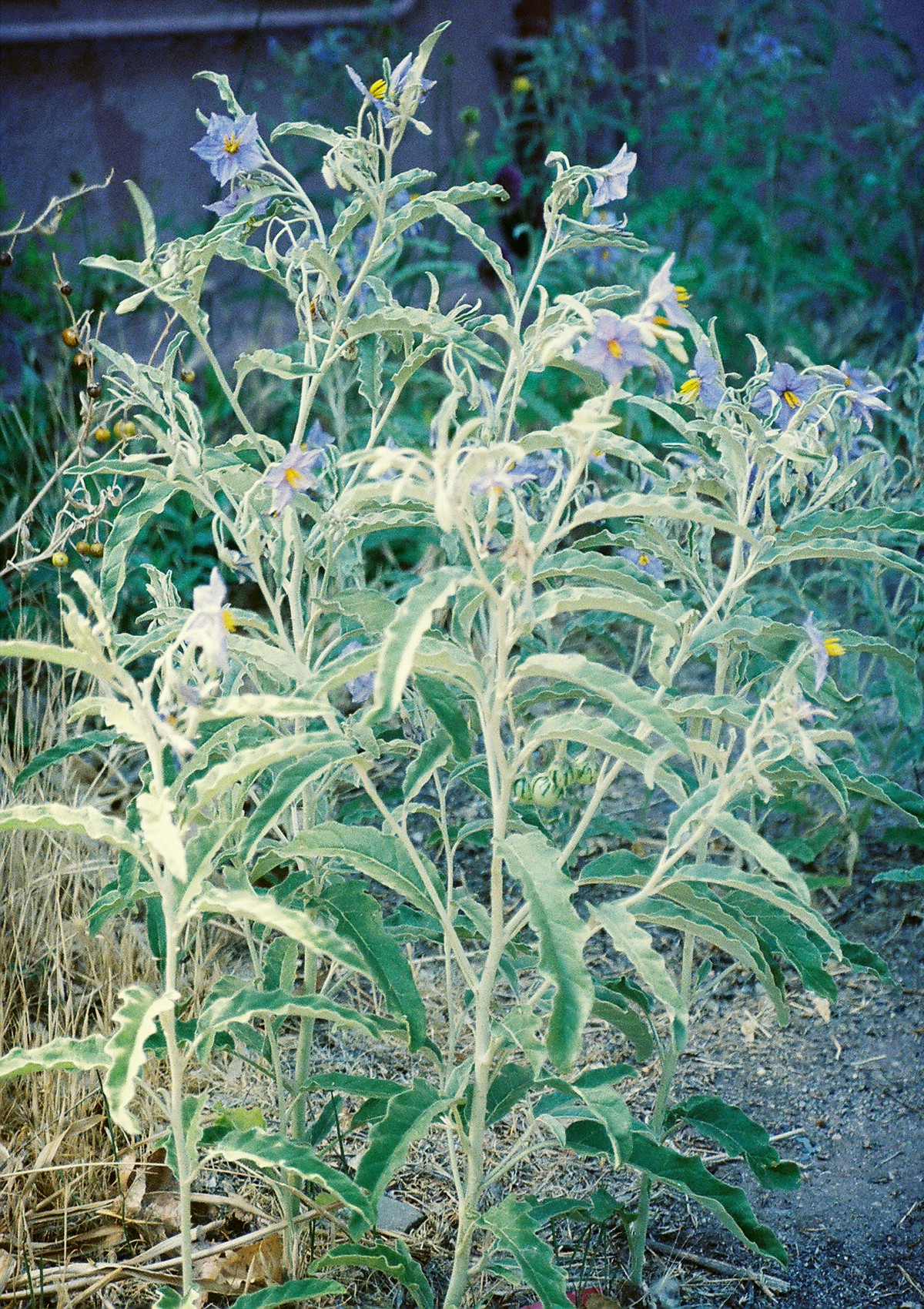
Silver nightshade is the only invasive plant in my area that I truly despise and can find no use for, which is a shame because it’s everywhere. If you think it looks pretty, you haven’t gotten to know it. The roots lie several feet underground and are invulnerable. The plant comes up everywhere, and is covered with small prickles that are not only painful but break off in your skin with any touch and cause irritations that last days. The leaves are poisonous to livestock. There is no argument to be made for its existence except that, unfortunately, it does exist.  It does not seem possible to have less of it. I blush to admit that once, many years ago, I was so infuriated by it that I tried spraying some with Round-up, and I must say that it shriveled up over the next several days in a very satisfying way. Unfortunately, within a few weeks it had rebounded and was growing up happily and thickly from the roots, seeming invigorated by the experience.  So do not bother sacrificing your organic credibility, because it won’t work anyway.  Every now and then I run its scientific name through the medical databases, hoping that somebody somewhere will have found a chemical in it that treats a rare cancer or something like that, so that I will feel differently about its general uselessness. But so far, it remains one of nature’s blights. It seems to be highly aggressive in dry soils and doesn’t compete well in damp areas, so maybe as humus and moisture increase in my soil, it will be less of a problem.

Read the book if you are really interested in a different way of thinking about invasives.
A Wild Tangle

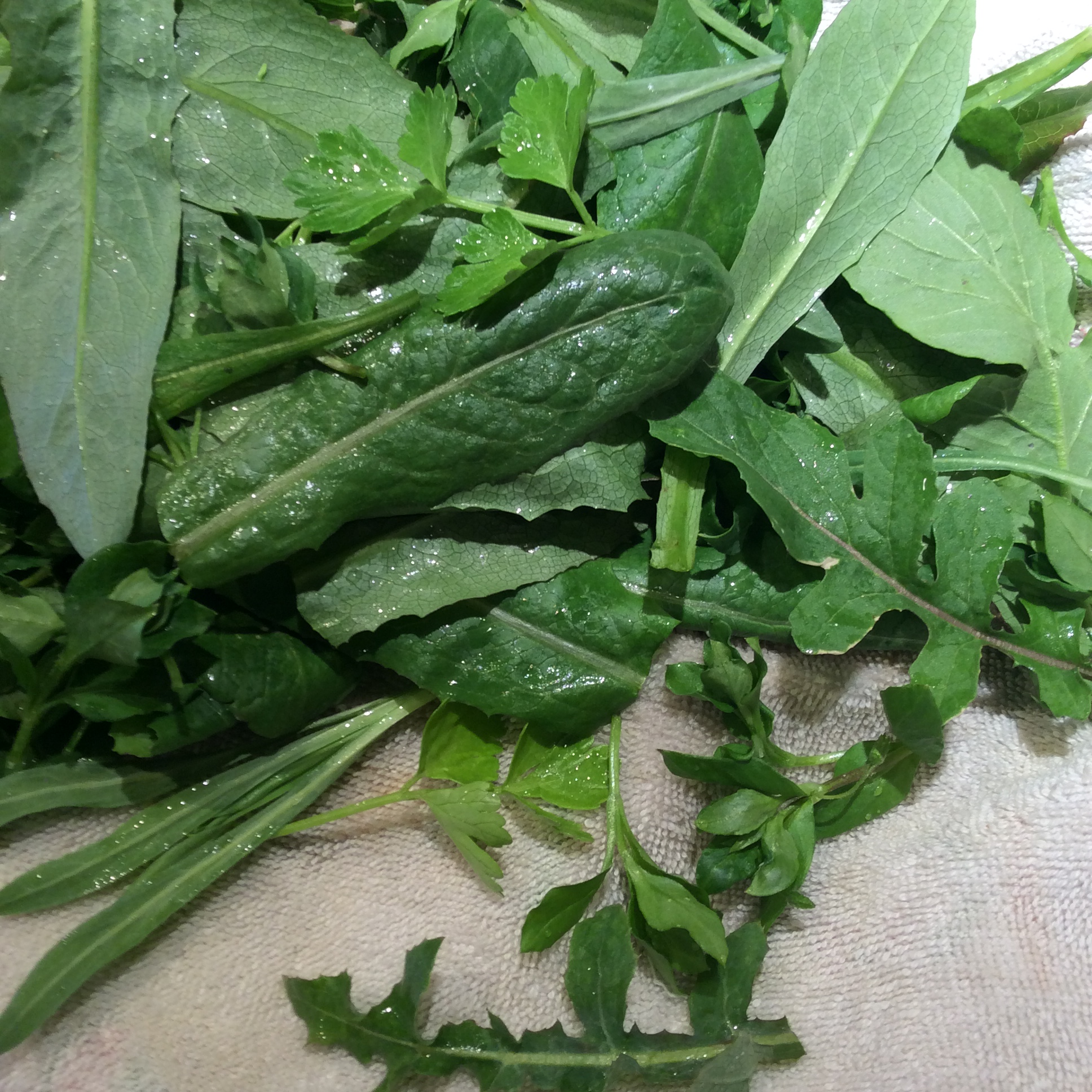
Back when I first became interested in the Cretan diet, somewhere I read a saying that I cannot remember accurately but that went something like this: “better my own greens and olives than foreign  sugar doled out to me by others.”  From a health standpoint, certainly, better any greens than any sugar, no matter where it came from.  So after the broccoli under frost blankets in my garden beds finally gave in, having produced most of the winter, I pulled out the broccoli plants for the goat and chickens  and left all the weedy little seedlings under the blankets to grow into salad greens.  In addition to real weeds like wild lettuce and arugula and sow thistle, which sow themselves all over the place at my house,  there are some greens like chickweed which are very weedy in other parts of the country, but which I actually had to start from purchased seed because they don’t grow around here.  Another treat that I am really enjoying in salads right now is celery micro greens, of which I have a large cluster simply because I forgot to cut down one of last year‘s celery plants before it went to seed. Now, tender 4 inch high celery has formed a dense patch over a foot in diameter, and it is very delicious in salad. With a wide enough assortment of wild and semiwild greens and herbs, a simple vinaigrette is all you need to have a great salad or side dish. Add some meat, eggs, or cheese and you have a meal.

I did make sure to have one established dandelion plant under frost blankets, but it is not doing any better than the ones in the open. Dandelions absolutely resist being civilized, and they do not adapt to us. They just keep doing their own gloriously wild thing.  Dandelions also resist selective breeding. I have bought expensive packets of seed that purported to produce larger, thicker-leaved, more delicious dandelions, and they are exactly like all the other dandelions around. This year, in some fit of madness, I spent €24 ordering two packets of highly specialized dandelion seed from France, despite the fact that I know perfectly well they will come out exactly like the common yard dandelion.

Early spring is the perfect time to learn to do a little foraging, if that is not already one of your hobbies. I would suggest starting out with the wonderful book from John Kallas, Edible Wild Plants: Wild Food From Dirt to Plate.  Most of the plants that Dr. Kallas describes will be found in your area, because they are common and  ubiquitous, and he will  teach you to identify like an expert and then get you doing delicious things with them.

Just recently, over maybe the last six months, I have noticed that any post I write that is tagged as having anything to do with wild lettuce gets an astounding amount of attention.  I wish that somebody could explain this to me. Because I have been foraging and eating this plant for a good 20 years, and  despite some strange Internet rumors I feel that I can definitively say as follows: it will not relieve pain. It will not cure insomnia. It will not get you high. I wish I understood where these ideas came from, because they certainly did not come from anybody with a knowledge of foraging wild plants.  Really, if your goal is to get high, please leave the wild lettuce for those of us who just like to eat greens.

The Fall Summation II: Mushrooms

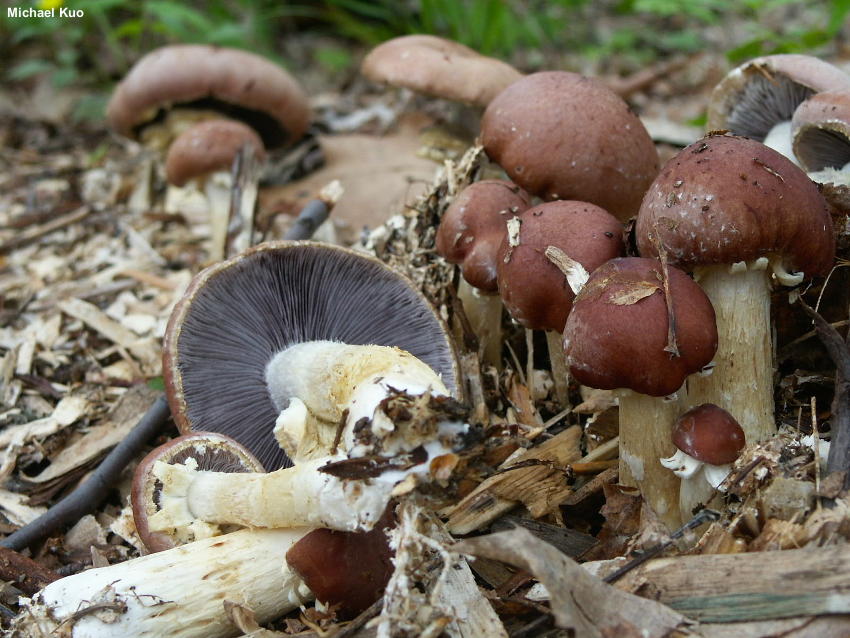
I always felt that if I could grow mushrooms outdoors among my garden plants,  I would have a fully functioning little ecosystem even here in the desert.  This year, I finally achieved exactly that, and it’s one of the highlights of my gardening year. I should add that anybody who gardens is growing all kinds of soil fungi, but I wanted the edible kind. Three species came through for me. The first was the almond agaricus, shown above.  They are compost lovers, and I buried chunks of the spawn in a bed of compost that I was about to plant squash into. Unfortunately, the squash overran the bed and I only got a few mushrooms from around the edges, but they were very delicious.  This species really does have an intense flavor of almonds, and if you don’t love almonds you probably won’t want this mushroom, but if you do it is a special treat sautéed in butter and served alongside a nutty beefy piece of dry aged meat.

DCF 1.0

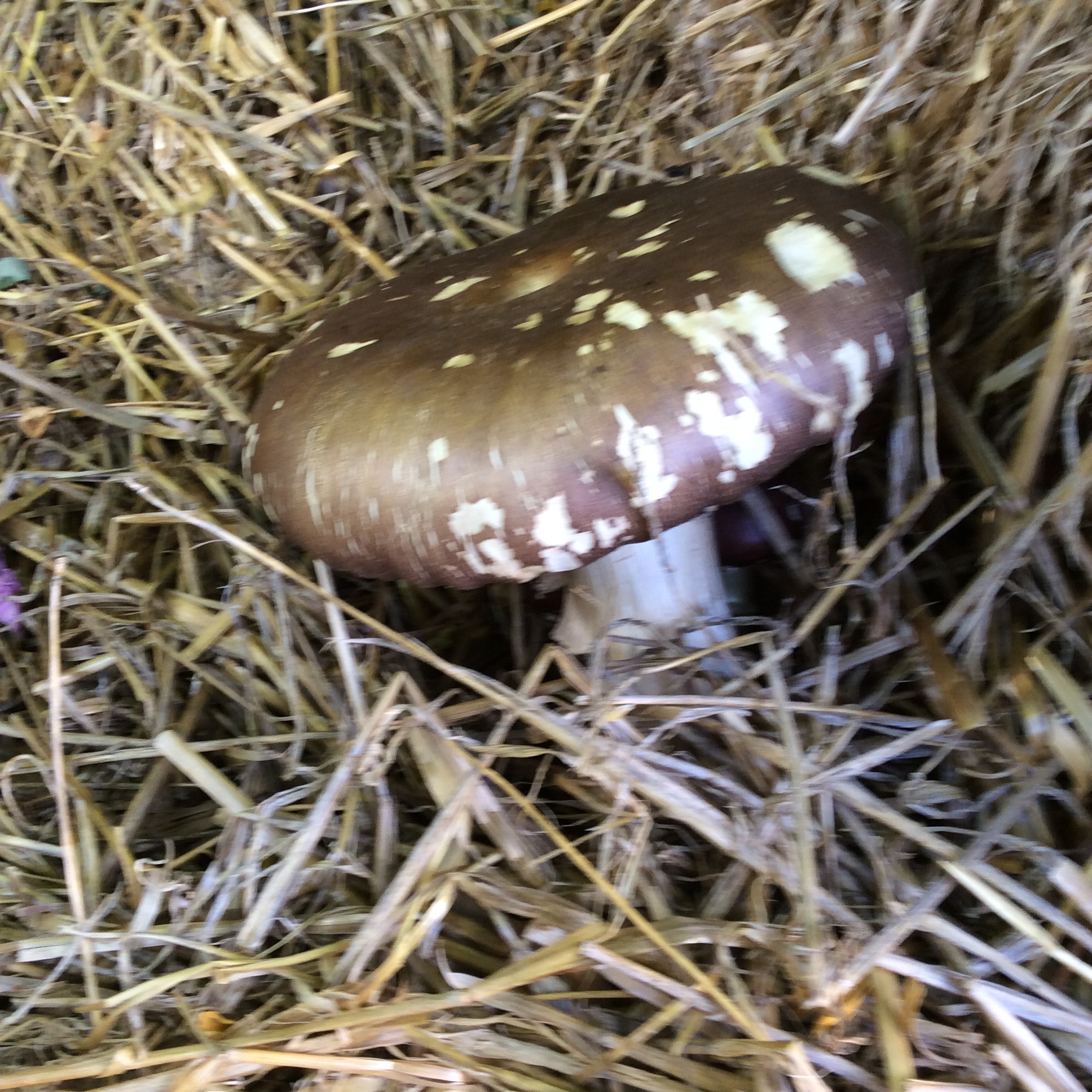
Stropharia rugosa-annulata, the wine-cap mushroom,  grows freely in mulched garden paths.  It will grow in pure straw mulch, and that is how I grew it at first, but there is no question that it tastes better if you incorporate some hardwood chips or sawdust in with the straw.  Even when grown in straw alone it tastes as good as a store-bought cremini or better, but once I incorporated some hardwood it became a treat. The picture  above shows how it should ideally look at harvest. The button stage, shown to the right, is tastiest but I can never resist letting one or two get huge. The picture below shows how it is more likely to look in my garden, because for some reason there are tiny little slugs that only seem to chew on this one mushroom species. But no problem, I just brush them off, and once it is washed and sautéed in butter you can’t tell that they were ever there.

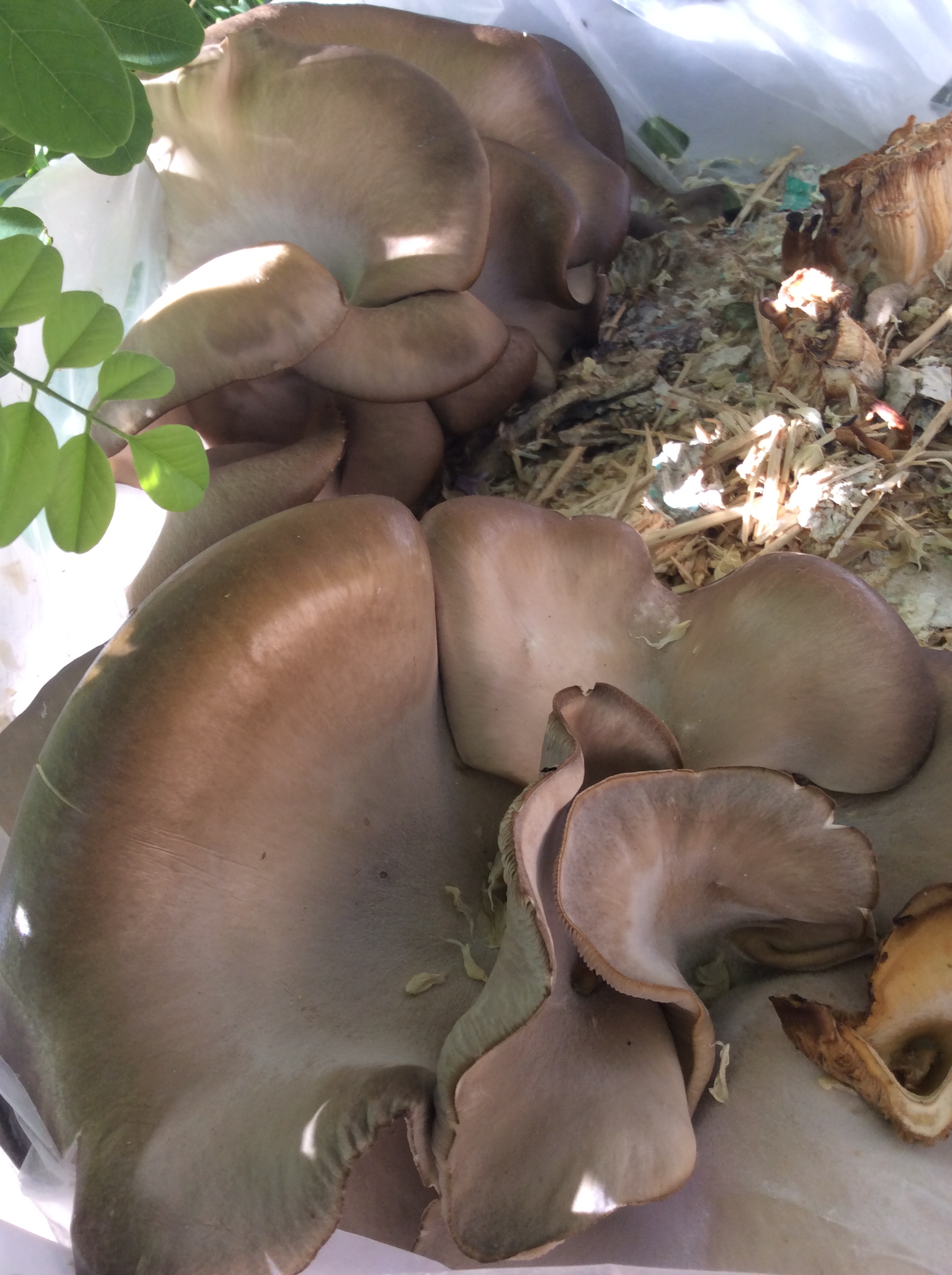
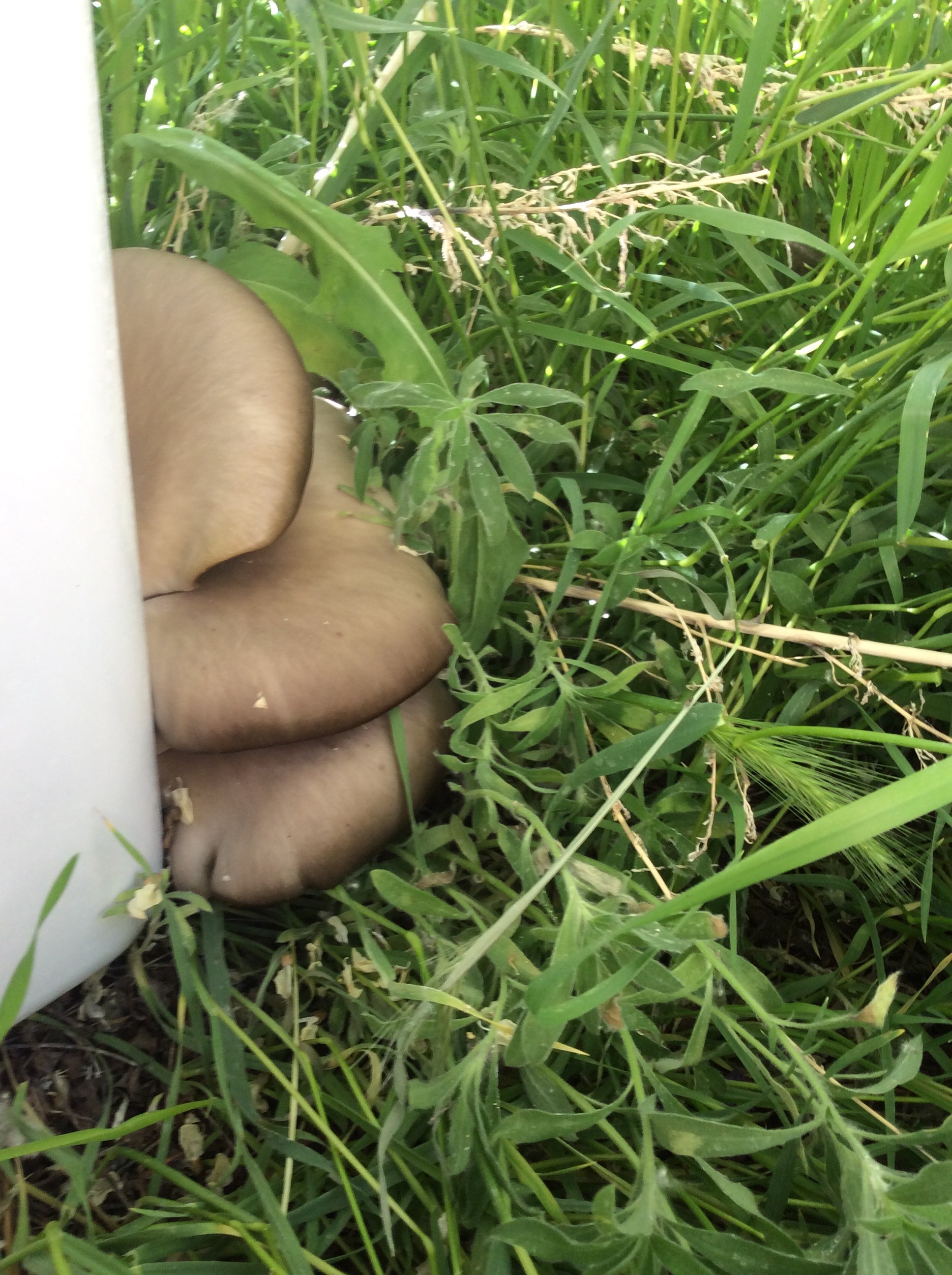
Then there are oyster mushrooms, my favorite cultivated mushroom to eat and one of the easiest to grow.  I grow them in the shade in almost whatever receptacle comes to hand, usually laundry baskets lined with clear plastic bags.  For the growing medium I use a mixture of straw and hardwood sawdust, sterilized sufficiently with hydrogen peroxide solution, with a little alfalfa shake included to nourish the mushrooms.  I stick the whole rig under a dense shade tree in late spring, in an area where water from the sprinkler will hit it when I water, but I don’t make any other effort to keep it wet. I like to let oyster mushrooms get big, to the point that they are really meaty.  After cleaning them and cutting away the tough stem area I slice them in quarter inch strips and sauté  them in olive oil with salt until they have some nice brown spots, adding a little chopped garlic toward the end of the cooking.  They are more tender when small, but not nearly as umami and tasty. It’s the difference between veal and beef, and I have never been a fan of veal. Of course, if you want a milder flavor and softer texture, pick them smaller.

Today I finished “planting” several baskets and bags with the blue oyster mushroom, a subspecies of the common oyster mushroom that fruits at a lower temperature.  They are going in an unheated shed, and might fruit during the winter. Remains to be seen if this will work, but anything that prolongs the mushroom season is worth a try.

Oyster mushrooms are determined to grow. Recently I broke up a spent basket and put the mycelium in lumps under straw mulch, and today I found tiny infant oyster mushrooms poking out. I threw a frost blanket over the area and weighted it down with pavers, and maybe I’ll get a late outdoor crop.

Nothing fills me with quite as much satisfaction as seeing one of my mushroom projects cooked and on the table.  I am not sure why this is, except that their biology is so unique and fascinating and they are so essential, in one form or another, to life on earth.  They have some interesting medicinal qualities, but I don’t feel any great need for medicine and prefer to eat them because they are fascinating  and delicious.

I’m enjoying a book called Radical Mycology, which is a compendium of nearly everything that you can imagine about mushrooms, including a heap of medical advice which, in my opinion, should be taken with a very large grain of salt.  But it is addictive reading and will get you through many a long winter evening and give you ideas for new projects.

A Brilliant New Foraging Book, and notes on poisonous plants

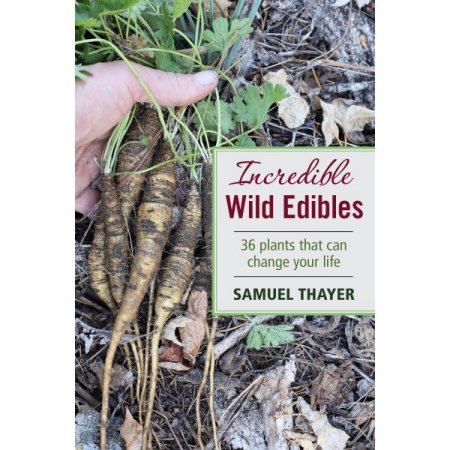
Of all the people alive whom I don’t actually know, Samuel Thayer is the one that I would most like to meet for a walk in the woods. His combination of erudition, common sense, and perspective is unique in the field. His two previous foraging books are among the most worn and frayed books on my shelves, and I’m thrilled to add a third to my foraging collection.

One of my favorite things about Thayer’s books is that there is very little repetition from one volume to another. If a plant that was thoroughly explored in one book is brought up in the next book, you can be sure that there is going to be new information that you really want to know.

Incredible Wild Edibles begins with several general-information chapters which are by no means the usual blather and which you should actually read because they concern safety, legality, and sustainability. I also recommend reading the section called The Chicken Feathers Guy, which describes how some people knock the joy right out of foraging and food preparation, for themselves and for others.

Then there are the plants. They include some which are new to me, such  as the creeping bellflower and the purple poppy mallow.  The latter is a common ornamental in my  high desert area, and I am embarrassed that I never knew it was edible. There is a good chapter on bladder campion, a weed that I admire because it’s always the last green I harvest in winter and the first green of spring.  Some of the described plants are common invasives becoming ever more common, such as fennel. How fortunate that it’s delicious. As Thayer says in the context of another invasive plant: “All this hatred directed against a plant just because it grows.”  Several varieties of mulberry are discussed, and Thayer is effortlessly erudite about their confused taxonomy.  He also mentions culinary uses of the mulberry leaves and flowers, without repeating the old wives’ tale that they are hallucinogenic. (Please, other foraging writers, stop just picking up this stuff from each other and repeating it as gospel.) The chapter on pokeweed deserves special discussion. This is the perfect example of a food that was a seasonal staple in many parts of the country, and everyone who ate it knew how to prepare it safely. Now, because it needs a preboil and because writers quake in fear of liability, they make it sound as if the plant will leap out of the ground and stab you given half a chance. Thayer gives a sensible explanation of exactly what you need to do, explains why he refuses to live in constant fear of liability, and leaves it at that. Personally I haven’t tasted poke shoots since I moved to the Southwest almost twenty years ago, but I finally got a couple of plants going last year and am looking forward to a small feast next spring. Preboiled and blanching water discarded, of course.

Now, for some brief comments on poisons.  There’s an element of real hysteria about the dangers of foraging, and strange tales are told, such as that expert Euell Gibbons died of eating a poisonous wild plant. This is nonsense; he had Marfan’s Syndrome and died of an aortic dissection, a common complication of that disease and not preventable in those days. There are some seriously poisonous plants in the world, definitely including some that will kill you. That said, most poisonings are cases of ignorant misidentification or misuse,  and if you are going to forage, you owe it to yourself and others to take your hobby seriously and get all the information you need to identify every wild plant you eat BEYOND A DOUBT and know about any special prep that it needs.  If your hobby was woodworking you would take the trouble to learn to use a saw safely, wouldn’t you? Foraging is less likely to harm you because, after all, your ancestors lived by foraging for millions of years, and you have access to a lot more information than they did. There are so many tasty wild plants that cannot reasonably be mistaken for anything poisonous that you can stick to the basics and still fill your plate much of the year. But Sam Thayer includes clear photos of all potential look-alikes and descriptions of how to tell them apart, so if you have his books, there is really not much excuse for error.