Archive for March, 2018

Good Salt

During the winter I have time  to explore ideas and products that might not necessarily catch my attention during the heady rush of the gardening season. I love salt, and this winter I became interested in the process of artisanal salt making.  For once, I am not especially interested in doing it myself, but I am interested in supporting people who do it well.

There are a lot of ways to make salt, and some interesting books about how it is done, but in the course of buying samples of all kinds of salt I discovered that many are based on a large, squarish, heavy crystal that, to me, is a very uninteresting manifestation of salt. It doesn’t look good in the salt bowl and it’s nasty to bite into. I like the  delicately crunchy flakes that come from using the fleur de sel process. I also seriously object to the use of artificial flavors, especially “smoked salt” made with a heavy dose of liquid smoke seasoning. They reek, and they don’t do food any good.

The salt that I have ended up loving and using as my “house salt” is one made from ocean water  in Sitka, Alaska by the Alaska Pure Sea Salt Company. The owners, for whom this is a considerable labor of love, make wonderful salts with natural flavorings and sell them at a fair price. You can read on their website all about how it is done. What I will say is that the texture and flavor are excellent. I particularly like their alder smoked salt, which has a natural and delicately smoky flavor.  A flourish of it on top of low-carb chocolate ice cream elevates an ordinary treat to food of the gods.  I borrowed the photo of the controlled, elegant spoonful shown  above, because I myself am more inclined to eat a bowlful and was embarrassed to post a picture of my own dessert.

Addendum: Since publishing this post, I have learned from the owners that their vanilla bean salt will join the permanent line-up. It’s wonderful. I have sprinkled it on desserts, but the saltmakers recently enjoyed it on Alaskan king crab, which sounds almost too good to be true. Try it.

You can find their products at the link below. I haven’t tried all their flavored salts, but all the ones that I’ve tried have been good.

https://www.alaskapureseasalt.com/ak-pure-shop
 

A Wild Tangle

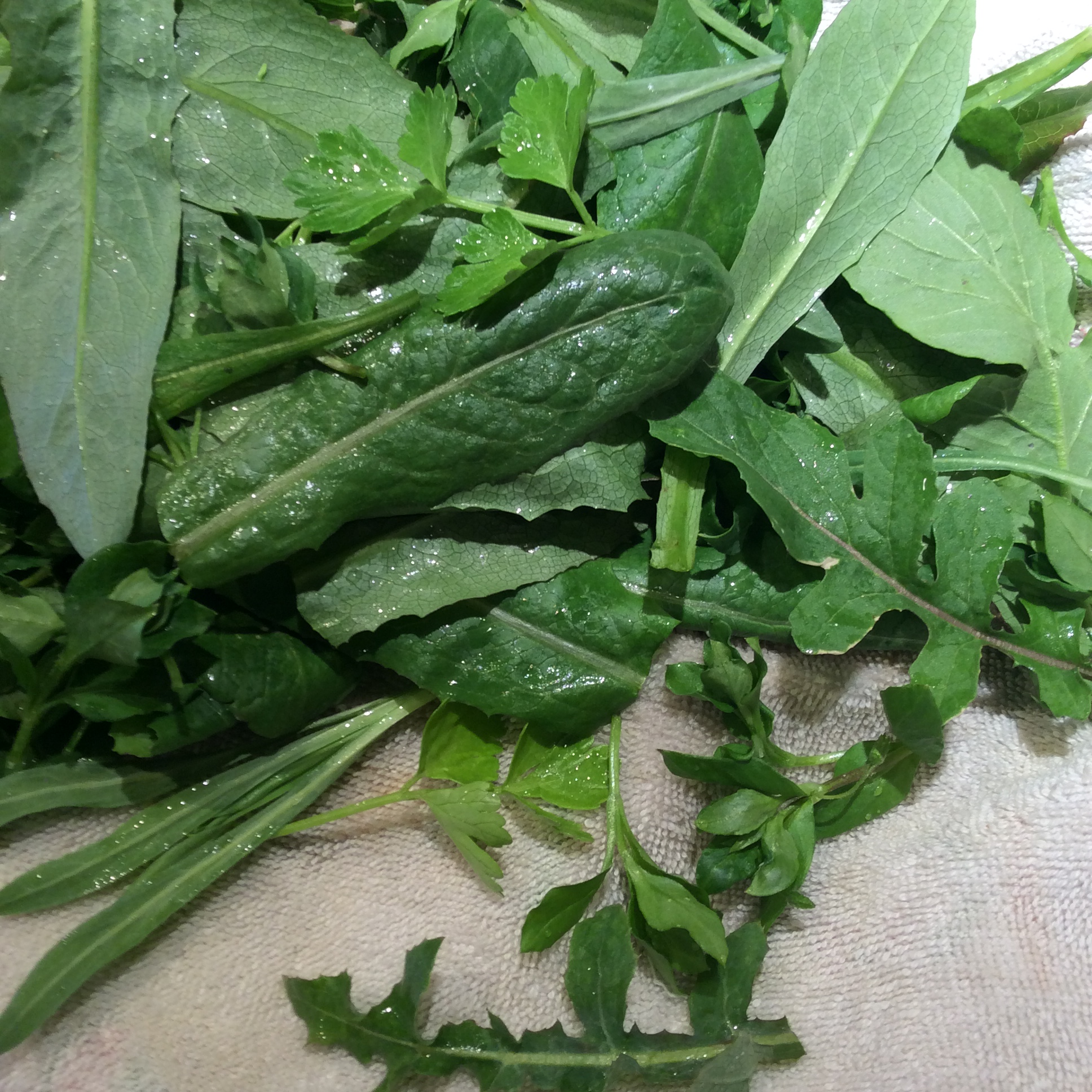
Back when I first became interested in the Cretan diet, somewhere I read a saying that I cannot remember accurately but that went something like this: “better my own greens and olives than foreign  sugar doled out to me by others.”  From a health standpoint, certainly, better any greens than any sugar, no matter where it came from.  So after the broccoli under frost blankets in my garden beds finally gave in, having produced most of the winter, I pulled out the broccoli plants for the goat and chickens  and left all the weedy little seedlings under the blankets to grow into salad greens.  In addition to real weeds like wild lettuce and arugula and sow thistle, which sow themselves all over the place at my house,  there are some greens like chickweed which are very weedy in other parts of the country, but which I actually had to start from purchased seed because they don’t grow around here.  Another treat that I am really enjoying in salads right now is celery micro greens, of which I have a large cluster simply because I forgot to cut down one of last year‘s celery plants before it went to seed. Now, tender 4 inch high celery has formed a dense patch over a foot in diameter, and it is very delicious in salad. With a wide enough assortment of wild and semiwild greens and herbs, a simple vinaigrette is all you need to have a great salad or side dish. Add some meat, eggs, or cheese and you have a meal.

I did make sure to have one established dandelion plant under frost blankets, but it is not doing any better than the ones in the open. Dandelions absolutely resist being civilized, and they do not adapt to us. They just keep doing their own gloriously wild thing.  Dandelions also resist selective breeding. I have bought expensive packets of seed that purported to produce larger, thicker-leaved, more delicious dandelions, and they are exactly like all the other dandelions around. This year, in some fit of madness, I spent €24 ordering two packets of highly specialized dandelion seed from France, despite the fact that I know perfectly well they will come out exactly like the common yard dandelion.

Early spring is the perfect time to learn to do a little foraging, if that is not already one of your hobbies. I would suggest starting out with the wonderful book from John Kallas, Edible Wild Plants: Wild Food From Dirt to Plate.  Most of the plants that Dr. Kallas describes will be found in your area, because they are common and  ubiquitous, and he will  teach you to identify like an expert and then get you doing delicious things with them.

Just recently, over maybe the last six months, I have noticed that any post I write that is tagged as having anything to do with wild lettuce gets an astounding amount of attention.  I wish that somebody could explain this to me. Because I have been foraging and eating this plant for a good 20 years, and  despite some strange Internet rumors I feel that I can definitively say as follows: it will not relieve pain. It will not cure insomnia. It will not get you high. I wish I understood where these ideas came from, because they certainly did not come from anybody with a knowledge of foraging wild plants.  Really, if your goal is to get high, please leave the wild lettuce for those of us who just like to eat greens.

Spring Alliums

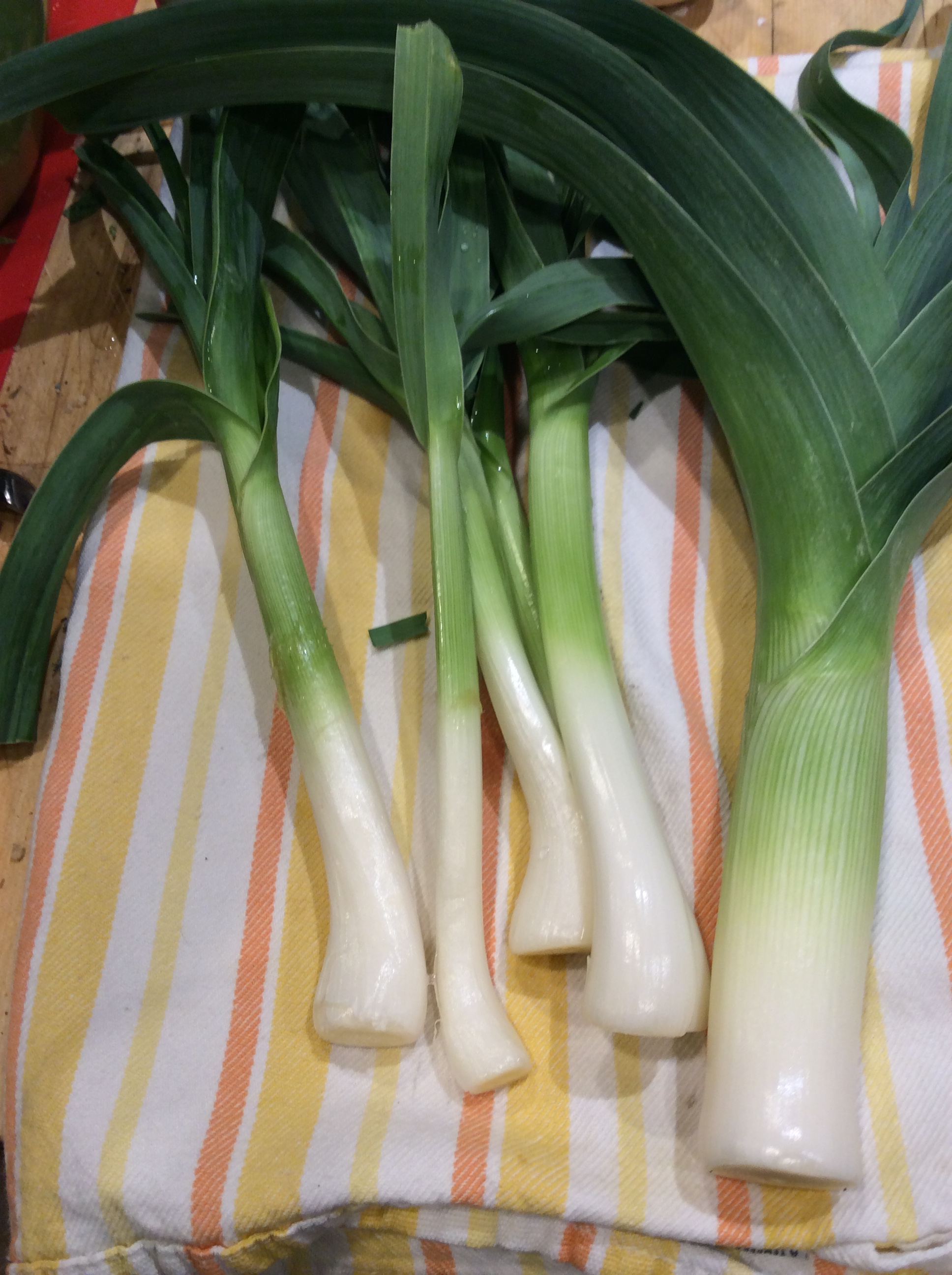
This time of year there are bushels of green alliums in the garden, and I don’t know of anything as healthy and tasty. Don’t think of them as a seasoning. They are a vegetable, and should be eaten in satisfying quantities.
One proviso: this applies to fresh green alliums from your garden. The leeks that you buy at the store have tough leaves and aren’t suited for this treatment.

wooddogs3's avatarMy urban homestead

img_5237

One of the many reasons that I love green garlic and green alliums generally is that they are among the earliest things to come out of the garden, assuming that you planted in early fall. I have plenty of summer veggies in my freezer, but as the days start to lengthen I get ravenously keen for the first real, fresh greens, and by mid-February I’m eating out of the garden again.

For early green alliums, plant some in a block that you can cover with Agribon or other frost blanket material. I like to put a short row of my regular yellow storage onions in this block in September, and each will divide and make four or five superbly sweet green onions in early spring.

Garlic is another must, and my favorite for early green garlic is Chinese Pink, because it is super-early and is eight inches tall and half…

View original post 325 more words