Archive for July, 2015

The Easiest Vegetable Dish Ever

image
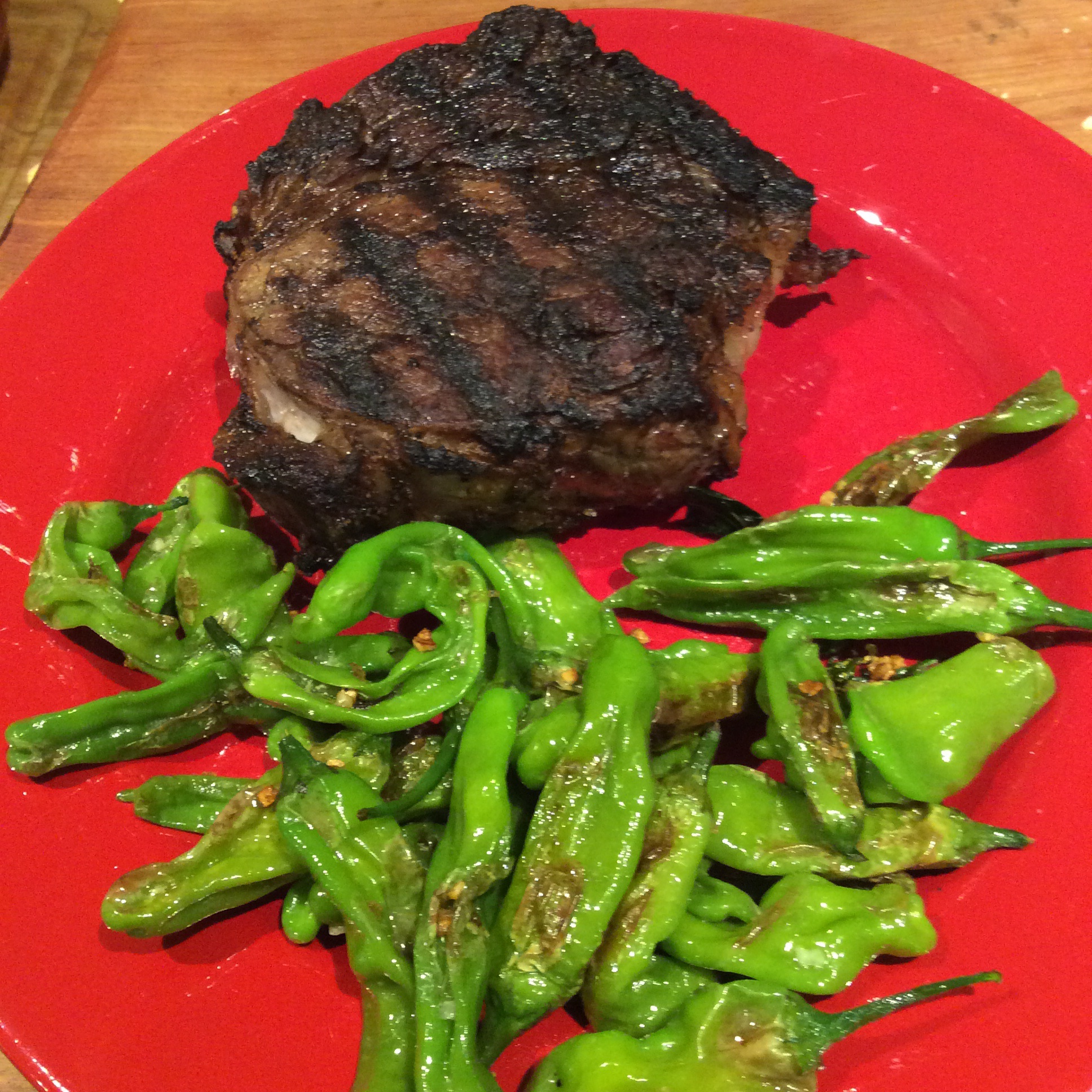
Shishito peppers are my favorite side dish for a summer steak. I put in four plants this spring, and they have provided a good mess of Shishitos for two people about every four days. Cooking them well involves three steps:
1. Pick
2. Rinse
3. Throw in a hot frying pan with a glug of good olive oil and shove around the pan with a spatula, turning them about once a minute. Keep the heat high. They will hiss and spit. When they look cooked all over, and a bit blistered in places, sprinkle generously with fleur de sel or other coarse mild salt. Pile on the plate and eat with your fingers, leaving the cap behind.

That’s it. If you are determined to elaborate, you can throw in a little finely chopped garlic for the last minute of cooking (no sooner or the garlic will burn.)

If you only have a few of them, use your smallest skillet and call them a cook’s treat, eaten privately in the kitchen. I say a serving of them is about 18. Other people may be more moderate in their tastes.
If you are a thrill-seeker you can seek out pimientos de Padron instead, but the last time I grew those, not just some but all of them were hot as blazes. So I’m giving my GI system a rest with Shishitos.

Clove Currants

image

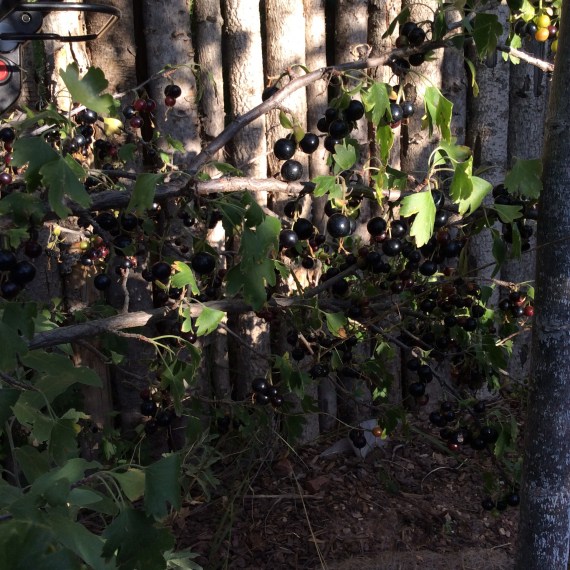
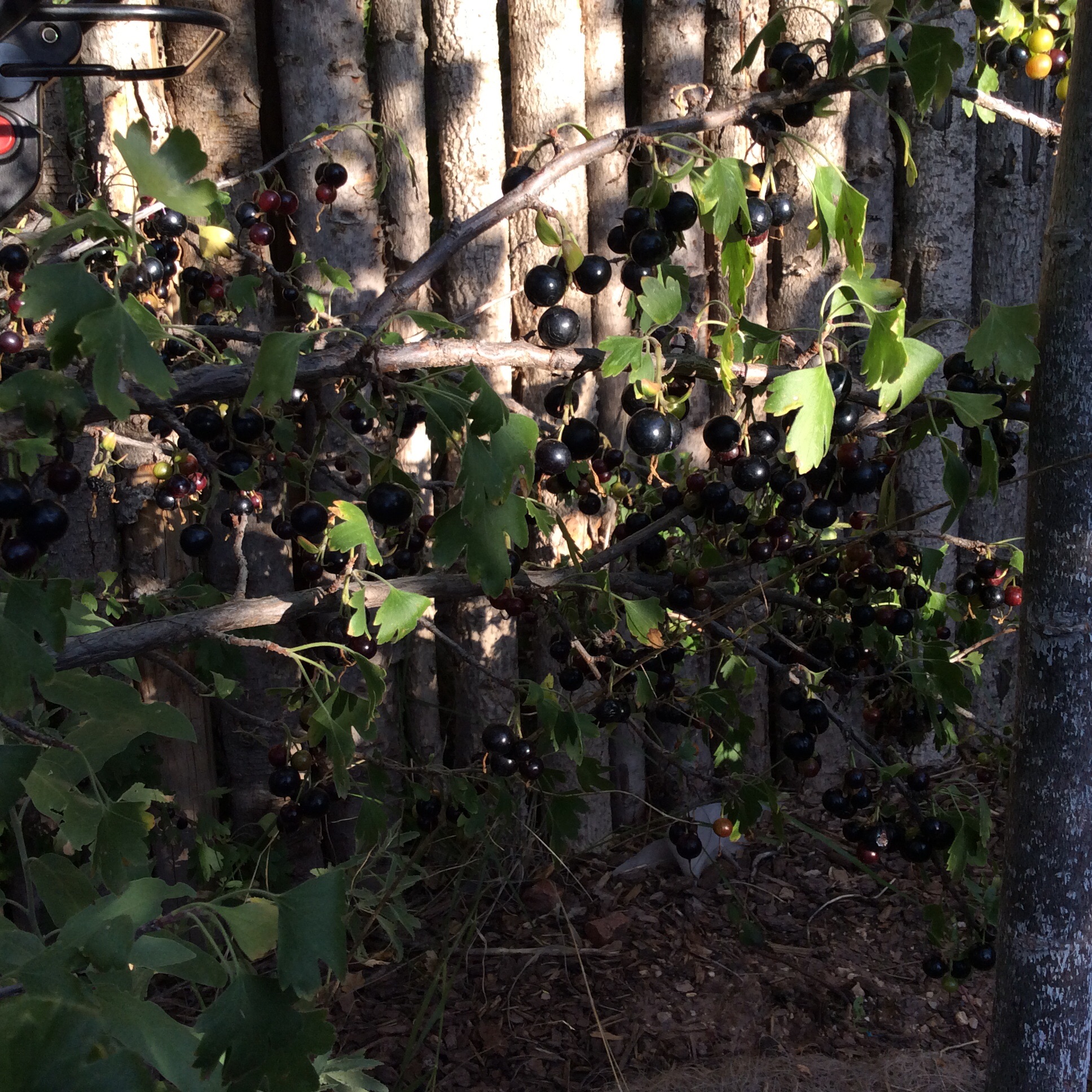
The native clove currant, Ribies odoratum, grows beautifully in my area. It is sturdy, healthy, drought-tolerant, will tolerate some shade, suffers from no bugs or diseases, and is reasonably attractive, especially in spring when covered with thousands of tiny yellow flowers that have a soft pleasant scent. I haven’t found them growing wild in my area but I have a bush that was planted by birds; they grow that easily, and start to bear within three years.  I have several large bushes and would have planted more if not for one major disadvantage: I thought the fruit tasted awful.  The fruits, like most berries, are relatively low-carb for fruits and probably contain a good set of antioxidants, but eating things prescriptively rather than for pleasure is just not my style.

But sometimes plants just have to hang around my yard until I learn to use them well. This year, after living with clove currants for five years, I finally figured out (duh) that the fruits are not ready to eat when they turn black. Don’t grab those first black shiny fruits. Leave them on the bush for another couple of weeks. Taste every few days, and when they taste sweet and spicy (still very tart but with a balance of acid and sweetness) they’re ripe. The fruits actually get a little smaller as they ripen, and some will look a bit wrinkled. Don’t worry. Don’t use any that are dry and shriveled, but a little loss of turgor just intensifies the flavor.

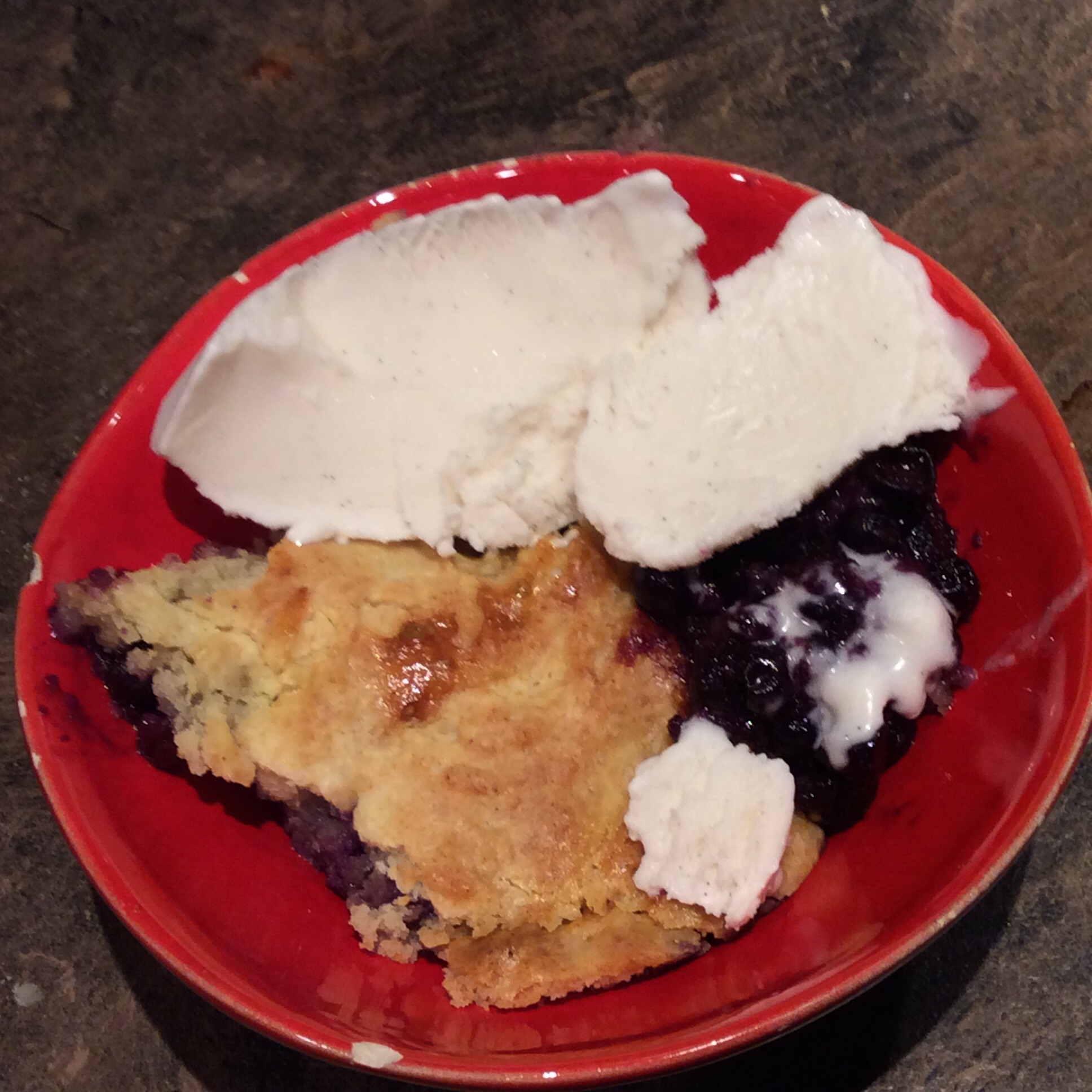
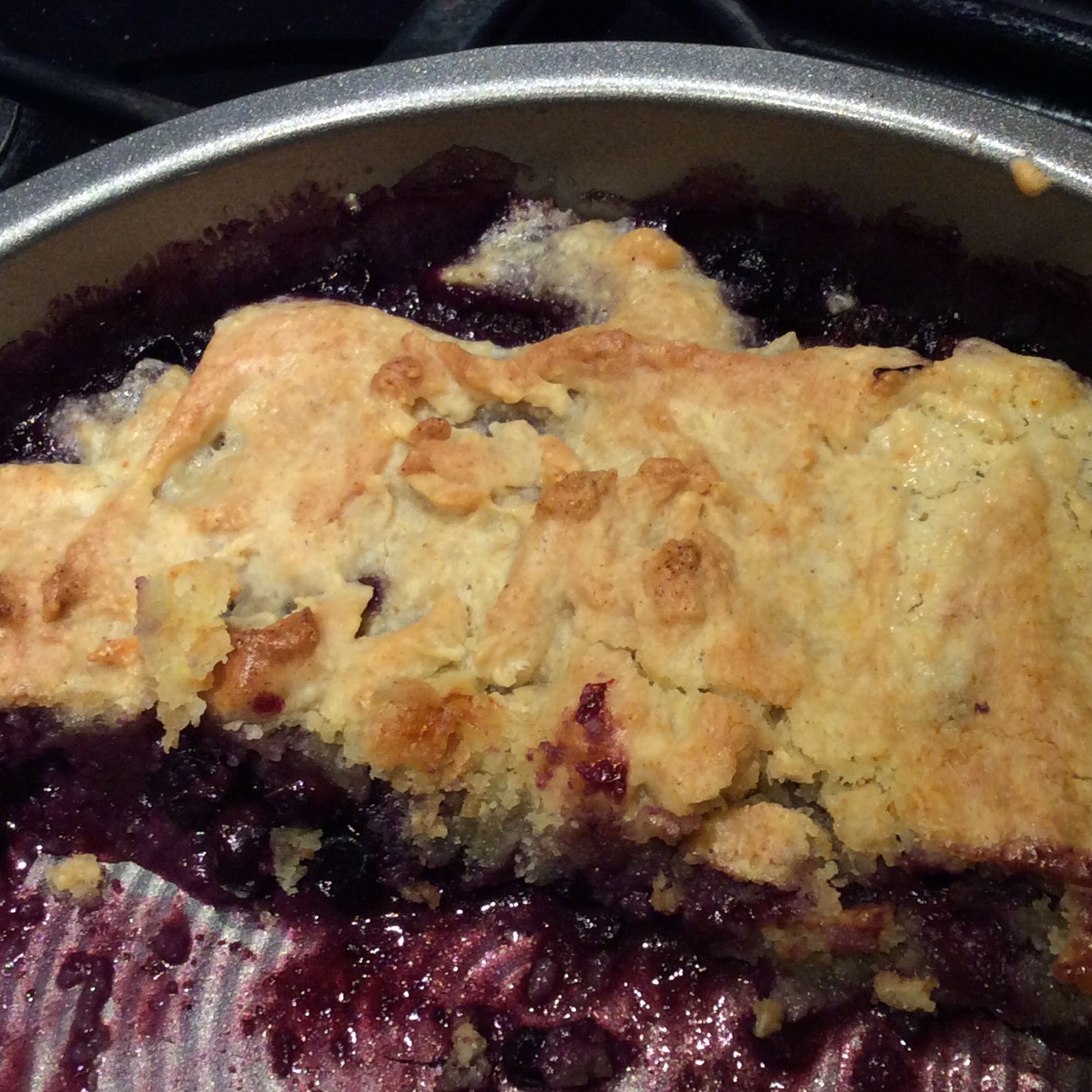
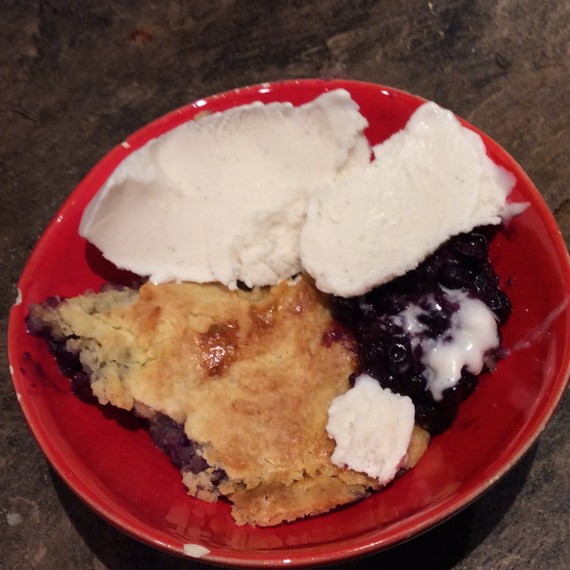
I enjoy eating a handful in the garden when I make my morning rounds, but my favorite use for them is in cobbler. If you are low-carb, use my recipe for red, white, and blue cobbler, using clove currants alone or adding in some frozen wild blueberries to make up the fruit volume if you don’t have enough clove currants. Work the sweeteners into the fruit with your fingers, crushing the fruits a bit as you go. If you eat sugar and flour, just use your own favorite cobbler recipe. Be sure to grate a little fresh nutmeg into the fruit mixture to bring out the spiciness.
image
The fruit clings to the stems and often has a little wiry “tail” clinging to the blossom end which has to be removed, so harvesting them is a bit tedious. I wait until early evening and then sit comfortably under the bushes with a bowl, pulling off stems and tails as I go so that fruits that hit the bowl are ready to use. I eat a few along the way. The laborer is worthy of her hire, after all.

I’ve been thinking of other ways to use them, and I think that they might be good in sauces for meat and game. I can recall reading a British recipe for a blackberry sauce for venison, and along those lines I plan to try using clove currants for a sauce for roasted pork. But right now they are going into cobbler or disappearing straight down my greedy gullet.
image

I also have a couple of bushes of Golden currant, also known as wax currant, but they are slower to bear and I haven’t had enough fruit to experiment with yet. More on that later.
 

A Quick Summer Lunch, and more on fried grape leaves

image
Since writing about frying grape leaves crisp in the Crazy Salad post, I have become more and more interested in the range of flavors and textures produced by frying and toasting leaves. Grape leaves remain my favorites, because of the exquisite lemony-sorrel burst that follows the delicate crunch.
Before you try cooking your leaves, please read the part of the Crazy Salad post that deals with selection of leaves. The short version is : chew up a piece of leaf from the exact vine that you are thinking of cooking. If it chews easily, proceed. If you are left chewing what feels like a bit of wet paper between your teeth, rethink or find another vine. That fibrous quality will not go away when cooked in any fashion. I have liked the leaves of my wine grape vines best.
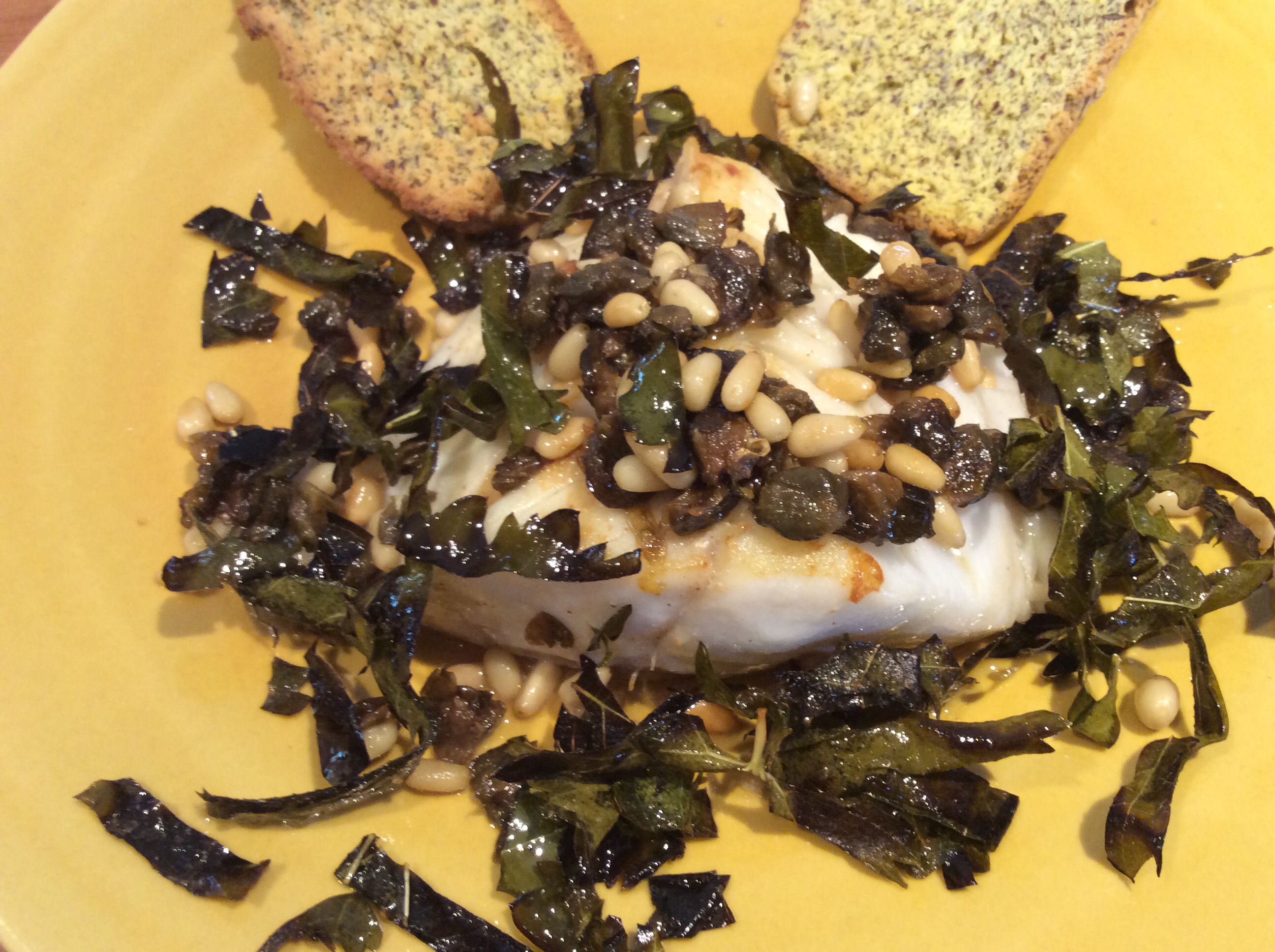
This is an easy and quick impromptu lunch or light dinner, vaguely Greek in its inspiration. Here I used a garnish of fried grape leaves and capers to add tang and herbaceous pizazz to a nice piece of black cod fillet. For each person eating, you need a 4-5 oz piece of Alaskan black cod fillet or salmon fillet, a handful of capers in salt, 5-6 fair-sized grape leaves, a clove of garlic, a small handful of lightly toasted pine nuts, a quarter of a lemon, salt, and 1-2 glugs of good olive oil.
Prep: Rinse the capers of loose salt, soak them in cold water for about 20 minutes, drain, and squeeze them dry one handful at a time. Rinse the grape leaves, shake them dry, snip the stem away, and stack them up for quick slicing. Slice them crosswise into strips about 1/4 inch wide. Salt the fish pieces, not too heavily because the capers will still be quite salty. Chop the garlic.
Cook: Heat a good nonstick skillet that can easily accommodate the fish pieces over medium heat. When it is hot, pour in 2 good glugs of olive oil. I would guess that this is about 2 tablespoons or a little less. Throw in one strip of grape leaf, and if it sizzles and changes color and crisps in several seconds but doesn’t burn, you are good to go. Otherwise, fiddle with the heat and try again. When the heat is right, toss in the grape leaf strips and stir-fry rapidly until they have all changed color and crisped and there are browned but not blackened spots. Scoop them out onto a paper towel to drain. Check crispness. Limp leaves will not give the right effect. Set them aside.
image
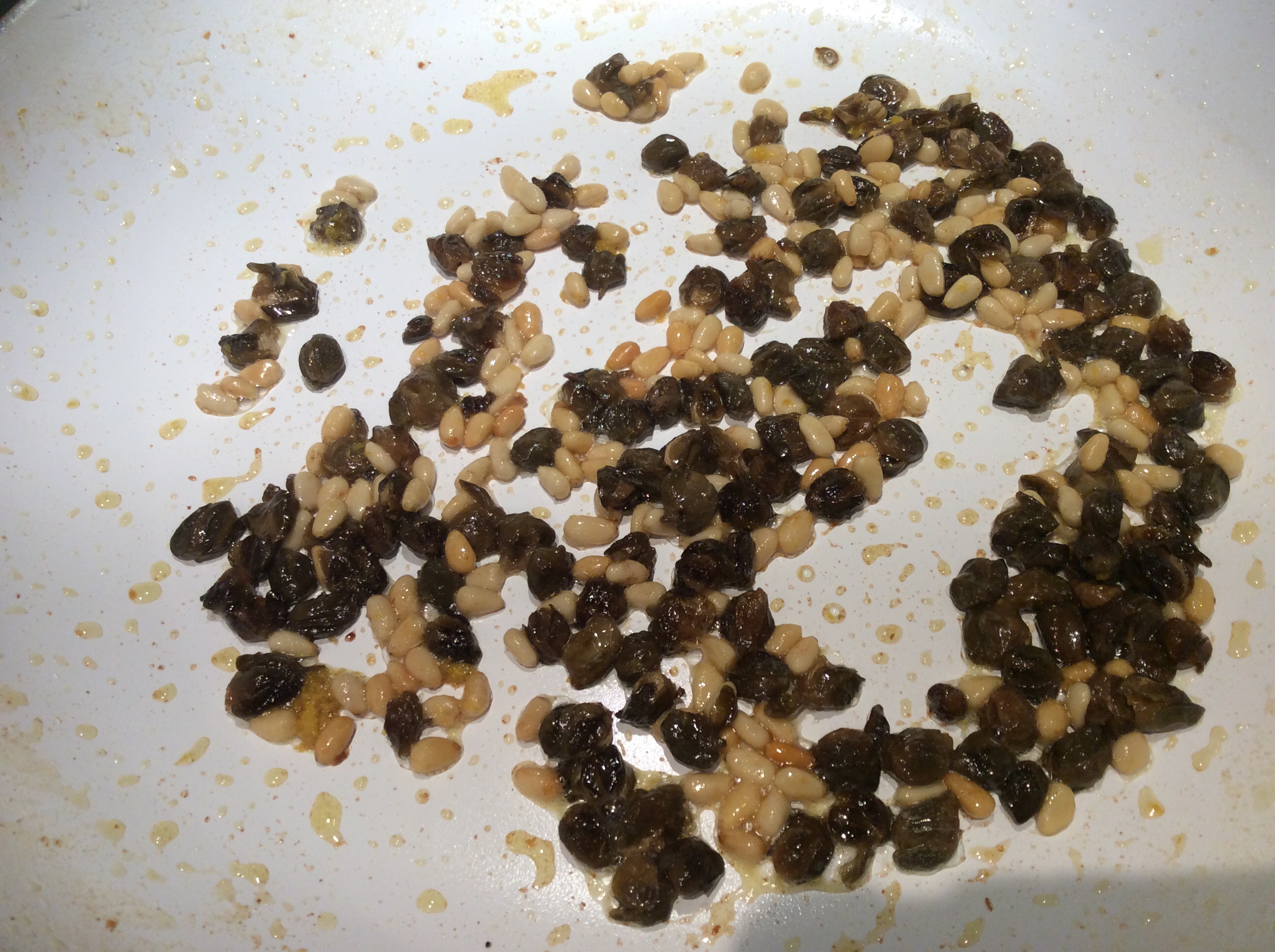
Wipe out the pan quickly, heat it again, put in the same amount of olive oil again, and add the chopped garlic and the capers. Sauté until the garlic is cooked but not browned at all and the capers have darkened a bit. You aren’t going for crisp this time because it would burn the garlic. When the garlic looks cooked, squeeze in the lemon juice and add the pine nuts. Cook a couple of minutes more and pour out into a bowl.
image
Reheat the pan, add a touch more olive oil, and put the fish fillets in skinless side down and cook over medium-high heat until they color an attractive gold in spots. Now turn skin side down and cook to your preferred degree of doneness. Personally, I like salmon medium-rare but black cod cooked until it flakes. Plate the fish, put the caper mixture over the top of each, and finally top with lavish drifts of fried grape leaves.
This is a good healthy dish for ketogenic and low-carb dieters and Paleo dieters, as well as for everyone else.

A Passion for Passiflora

image
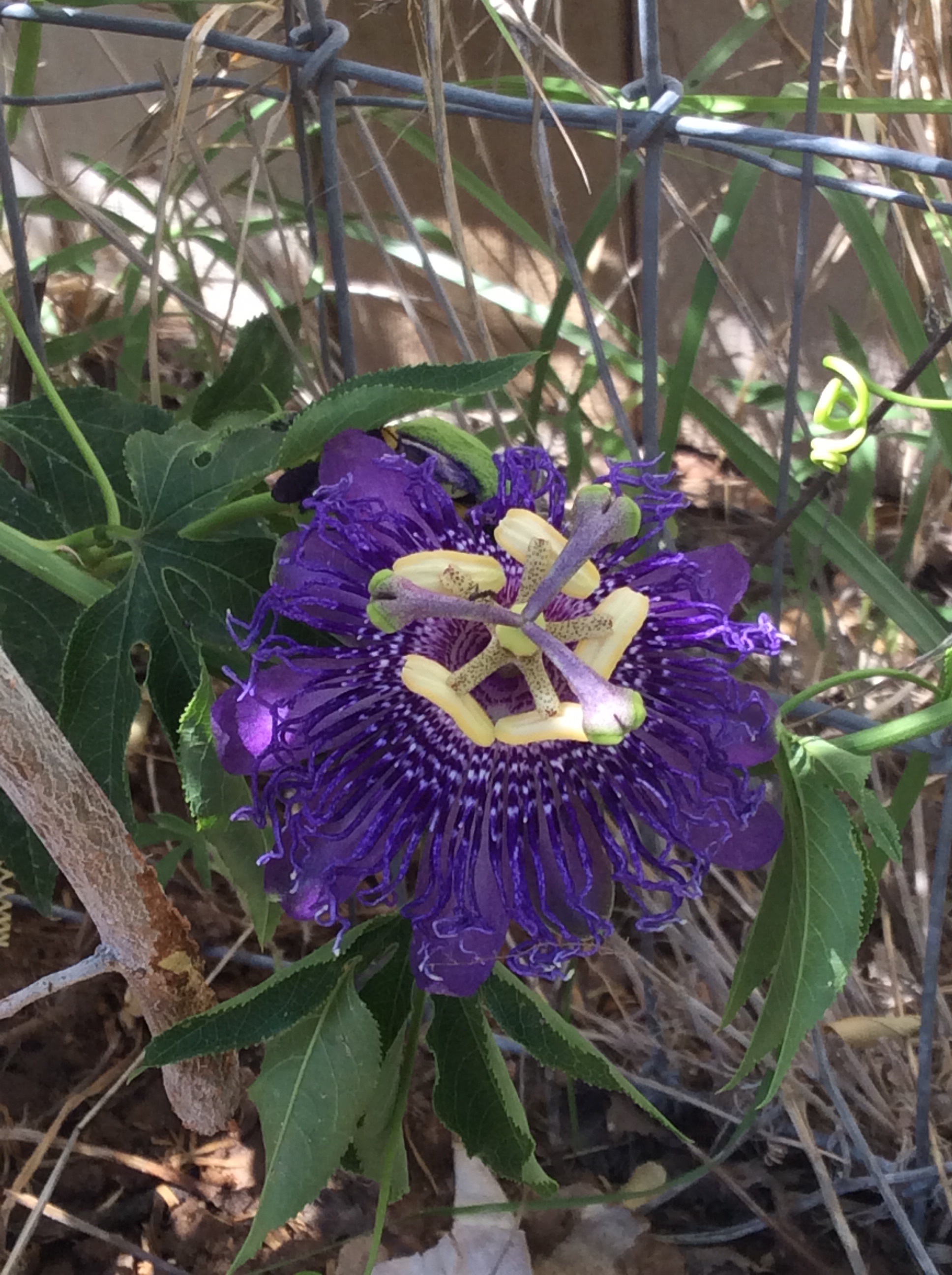
There are few plants I love more than the common maypop, Passiflora incarnata. There are also few plants that I have failed with as consistently since moving to the Southwest. I think it might be our alkaline soil and water that they dislike. This spring, in what has become a yearly ritual, I ordered a plant. I tried amending the soil in that area with acidic cottonseed meal and gypsum. Then I walked away and, beyond regular watering, did nothing more, which made it all the more marvelous when I spotted the first flower.
The passionflower produces a tropical-tasting fruit in cold winter areas. Quite possibly the single best seafood dish I ever made in my life involved seared scallops on a plate coated with a slightly sweet sauce of coconut milk flavored with shallots, a little lemongrass and ginger, and passion fruit juice. The flowers are lovely. A tea made from the leaves is an excellent home remedy for insomnia, and I have read that the shoot tips can be cooked as a vegetable, although I’ve never tried it and don’t vouch for that use.
Mostly, the Maypop gladdens my heart just by existing. But if I ever get any fruit, I do plan to recreate that sauce.