
Amaranth is the second of my Holy Trinity of super-nutritious edible weeds. It is a creature of hot weather, and in my garden it’s appearing everywhere right now. Like lambs-quarters it will get huge if allowed to, and unless you have limitless room, your job is not to allow it to.
Consult any good wild-foods guide to identify it, and then assess how much of it you have. If your response is “OMG, it’s everywhere!” then don’t worry about propagating it. Your soil has plenty of seeds. If there are only one or two plants, proceed as for lambs-quarters the first season, and you will have amaranth in perpetuity. I have two varieties, one with smooth stems and one that forms small but unpleasant spines at the leaf joints, and I try to keep the spiny kind from ever going to seed.
Pick them when they’re about a foot high and have a nice large umbrella of leaves on top. I have no interest in eating stems, and I pull off the topmost part with all the largest leaves and add the rest of the plant to the mulch, taking care that it’s completely uprooted.
The greens are fairly mild but have a slight touch of the earthy flavor that’s so pronounced in beet greens. When grown in prime soil the flavor verges on meatiness in a delicious way, and my favorite way of cooking the greens adds other meaty umami flavors.
Wash a mixing bowl full of loosely packed leaves well and wilt them in a small amount of water, stirring frequently over fairly high heat until the leaves all look “cooked.” Drain them, saving all the cooking liquid. Return the cooking liquid to the pot and boil hard to concentrate it to a very small amount, maybe a couple of tablespoons (don’t turn your back on the pot or it will scorch.) Pour into a little bowl and save.
Chop 6 big green onions. Make a basic separation between white and green parts, but don’t get obsessive about it. Separately chop 6 big cloves of garlic. Heat about a quarter cup of olive oil in your largest skillet and cook the white parts over medium-high heat, stirring frequently. When they begin to look a little translucent and “cooked,” add the green parts, cook another couple of minutes, add the garlic, lower the heat to medium, and cook a few minutes more. Meanwhile, put the lump of blanched greens on a cutting board and chop fairly finely in both directions.
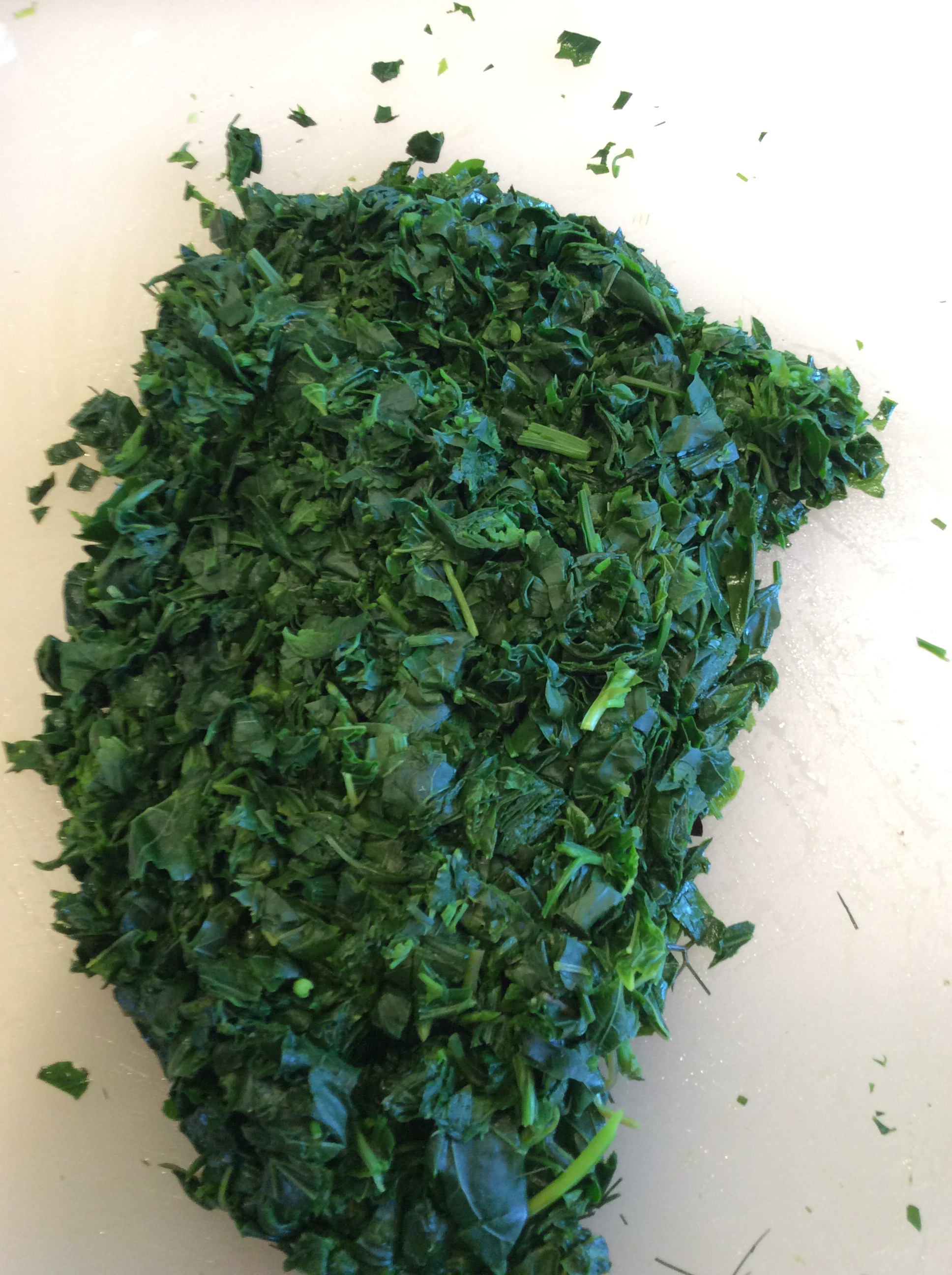
When the garlic looks cooked but has not colored at all, add a handful of pitted chopped oil-cured olives to the sautéed mixture and cook another minute.
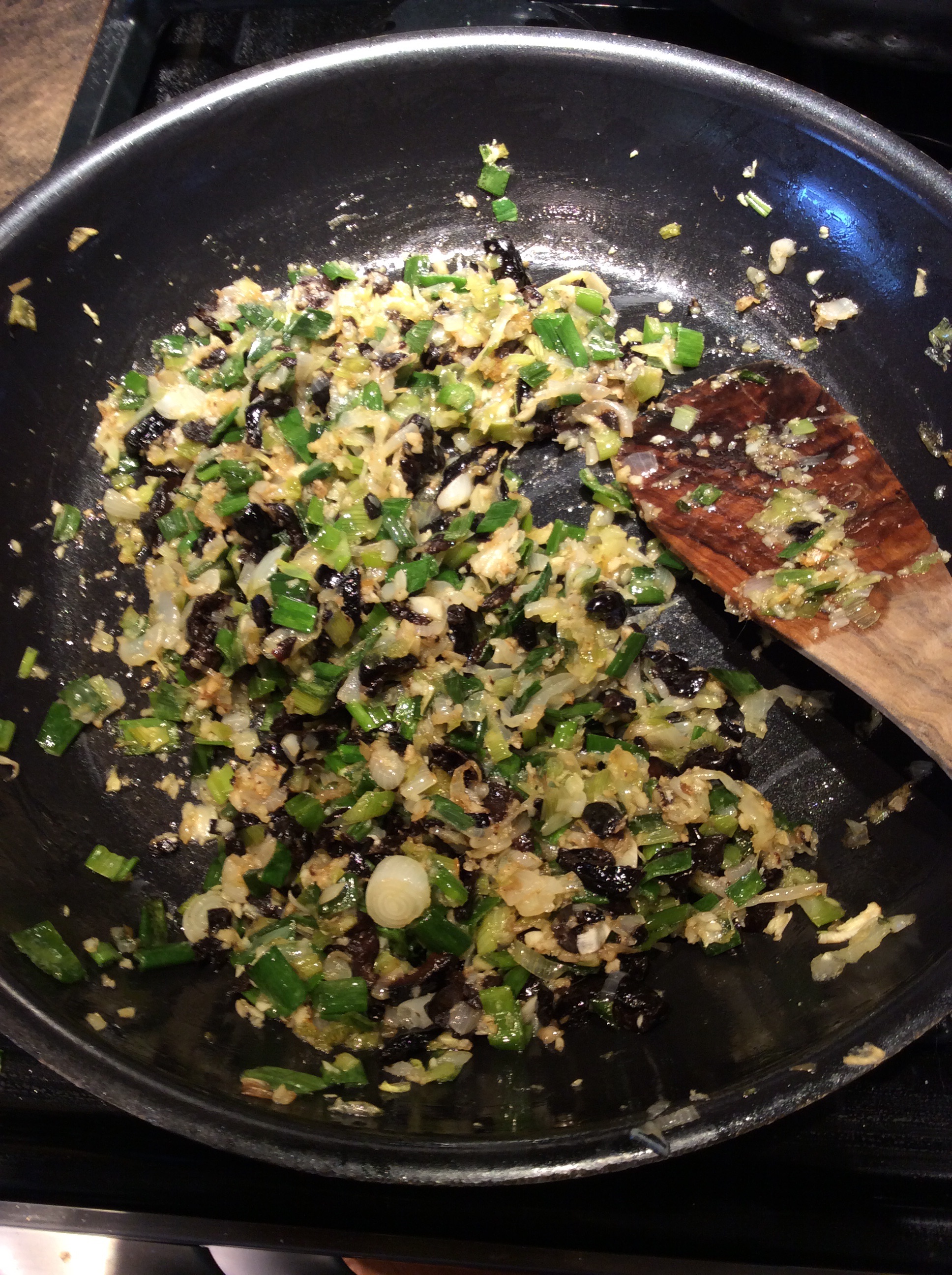
Add the cooked chopped greens, the tiny amount of cooking liquid, a teaspoon of Spanish smoked paprika or, if you like heat, the same amount of ground chipotle chile. Add a small handful each of chopped parsley and chopped fennel fronds. If not cooking for vegetarians or vegans, add a smashed anchovy fillet or a dash of fish sauce. Cook the mixture over medium-low heat for at least 20 minutes, periodically turning it to get it all completely cooked (a spatula works well.) Taste it, salt to taste, and cook a few more minutes to let the salt blend in. Serve drizzled with good olive oil as a side dish, or fill an omelette with it and add some feta cheese, or bake in phyllo to make a hortapita or little spanakopitas, or do whatever else you fancy with it. Back when I ate bread, I used to love to smear this stuff on slices of grilled baguette and put some grated Parmesan and pine nuts on top. I can remember once baking it in thin bread dough with a raw egg on top, so that when baked in a hot oven the egg came out cooked. You can add cooked chickpeas and bits of cooked meat for a real peasant dinner. It freezes well in vacuum-sealed bags to keep you healthy all winter. When served next to beef or pork, I top each serving with a bit of butter to add to the general animalic savor. I like to have it in the refrigerator for a super-healthy lunch, and it seems to taste best at room temperature.


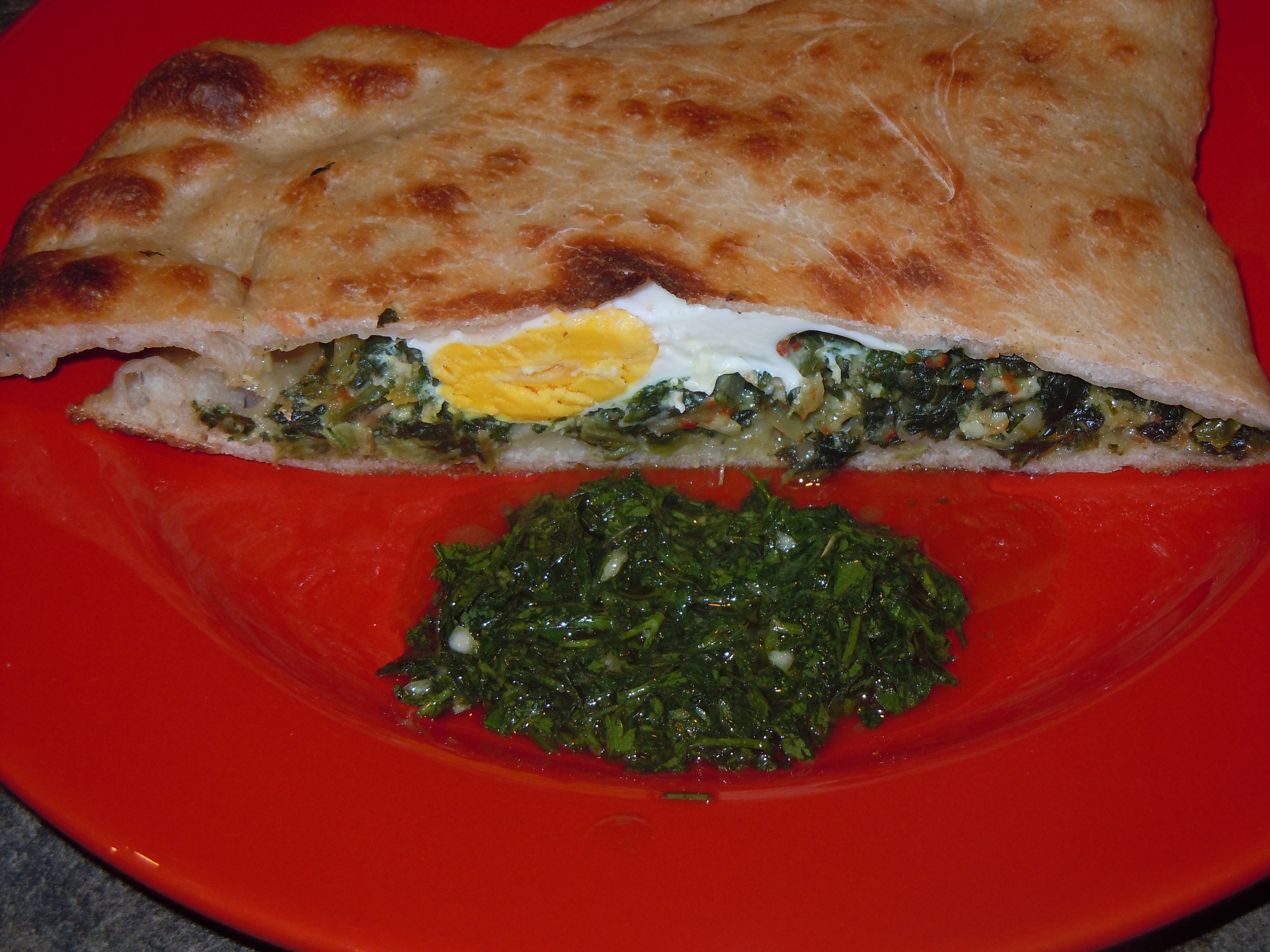

Incidentally, the main reason for a poor result is not cooking it long enough. If it tastes grassy, keep going until it tastes good. Undersalting is another problem. Add salt cautiously because of the salty olives, but add enough.
If you don’t have a wild good guide that you like, get John Kallas’s “Edible Wild Plants: Wild Food From Dirt to Plate” and you will be glad you did.
Posts Tagged ‘leafy green vegetables’
29 Jun
Integrating Your Weeds II: Amaranth
22 Jun
Fennel in the Garden and Kitchen; a Nose-to-Tail Herb
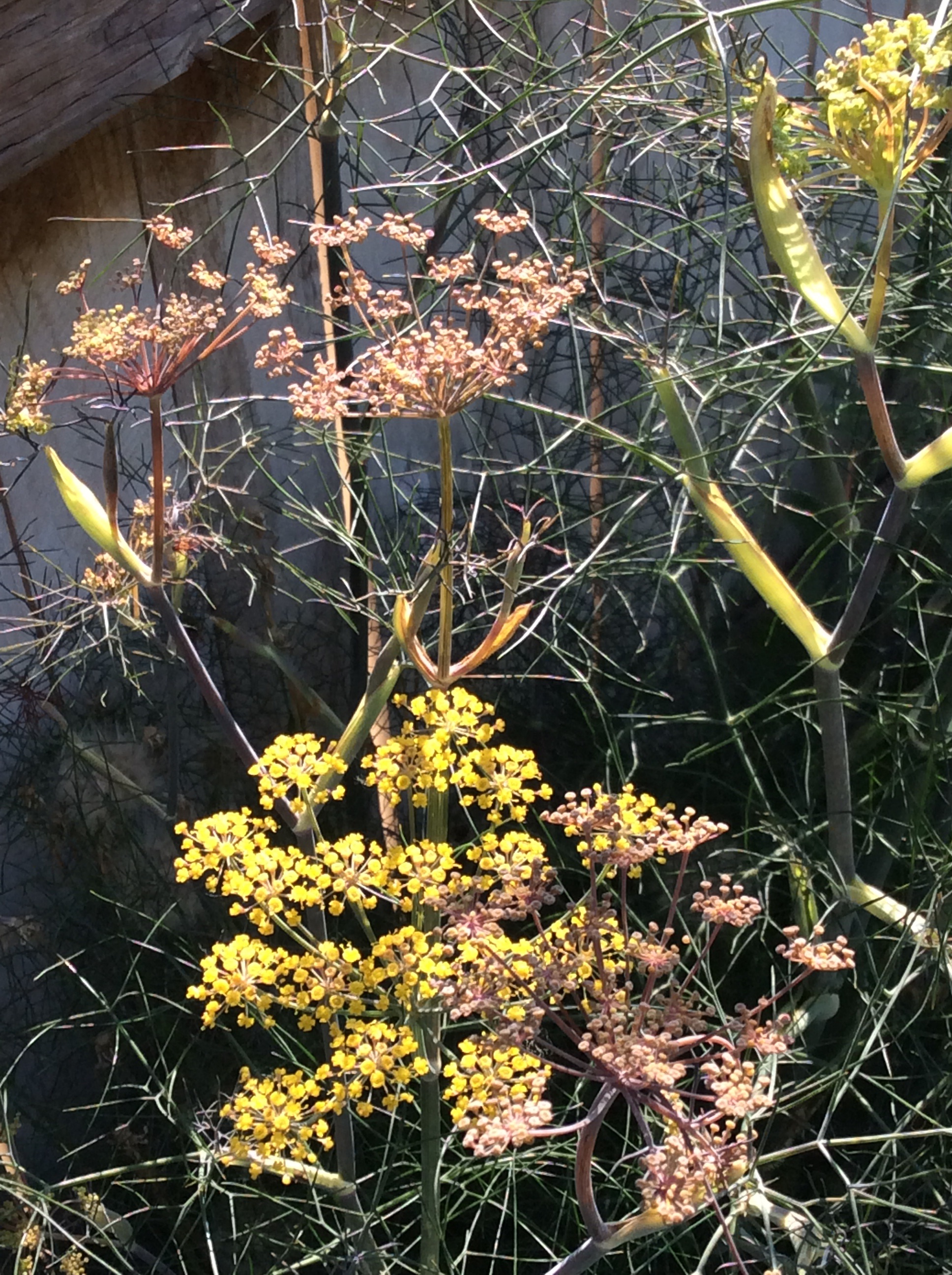

Fennel carries the true taste of summer. I love fennel and always have it around, and my favorite form, the only variety that I keep these days, is the subtly metallic bronze fennel. If you want fennel bulbs you will have to grow a bulbing type, but my interest is in other parts of the plant so the bronze suits all my purposes.
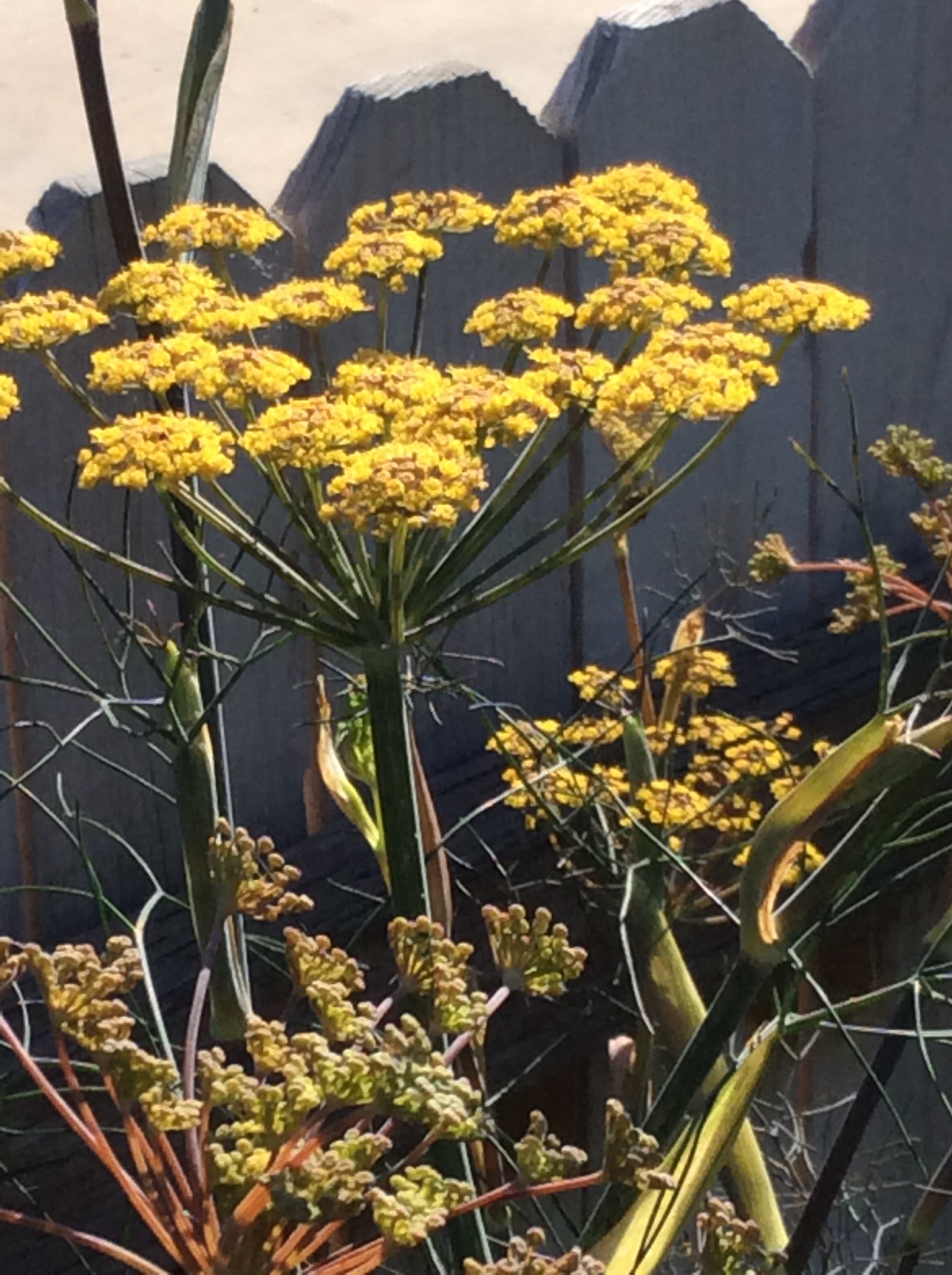
The first pleasure it offers is aesthetic: this is a lovely plant to have around. The color isn’t really bronze but a soft coppery-purple, and when hung with drops from a summer rain it is nothing short of breathtaking, in a quiet way. When dry, it is furry like a cat until the stalks form, and a little later the umbels of tiny yellow-green blooms look surprisingly pretty against the darker background. It would pass muster as a front yard edible in the most exacting neighborhood.
Second, it is beautifully aromatic. I brush my hand down a frond every time I pass it to inhale the anise-y scent.
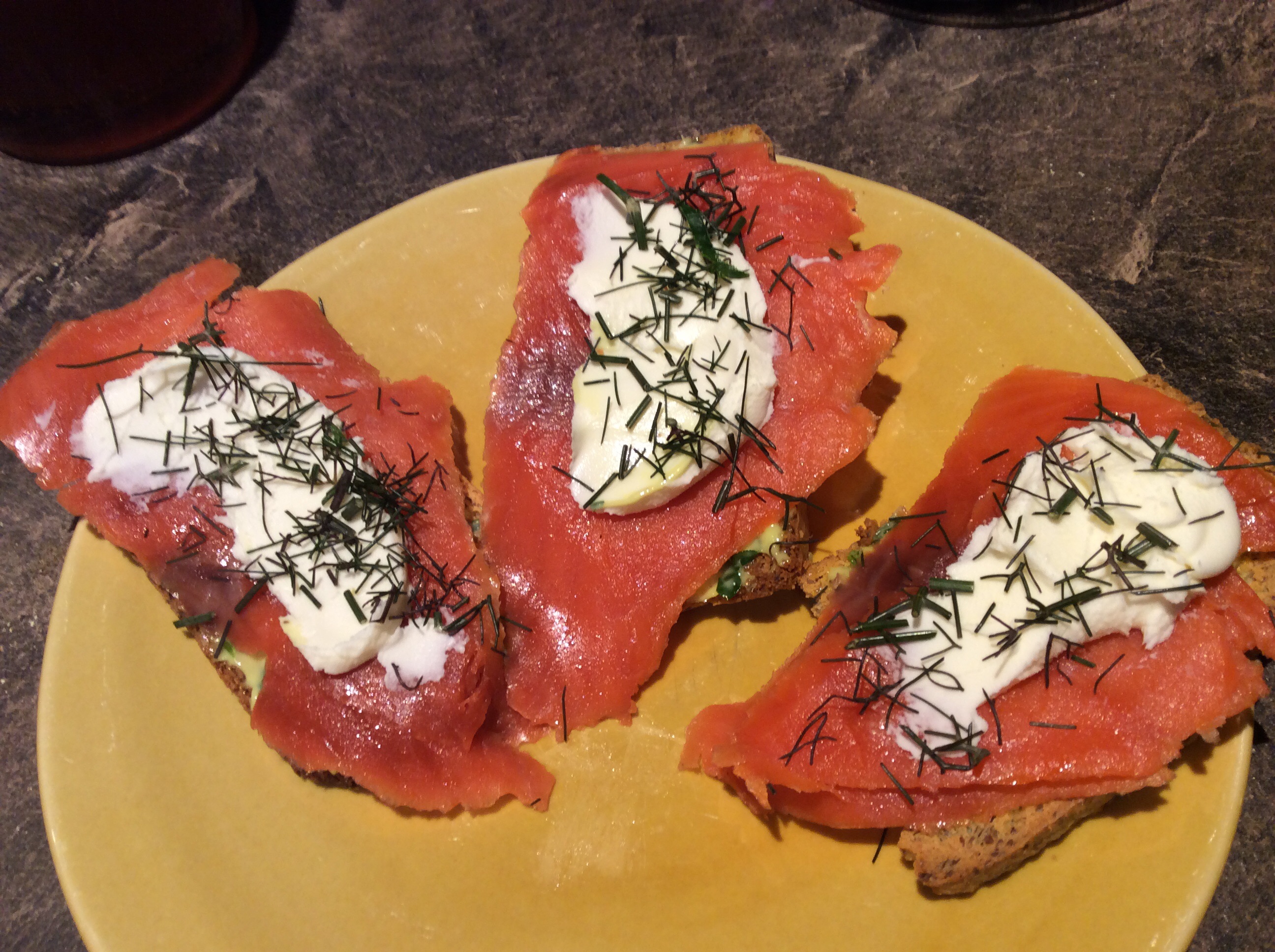
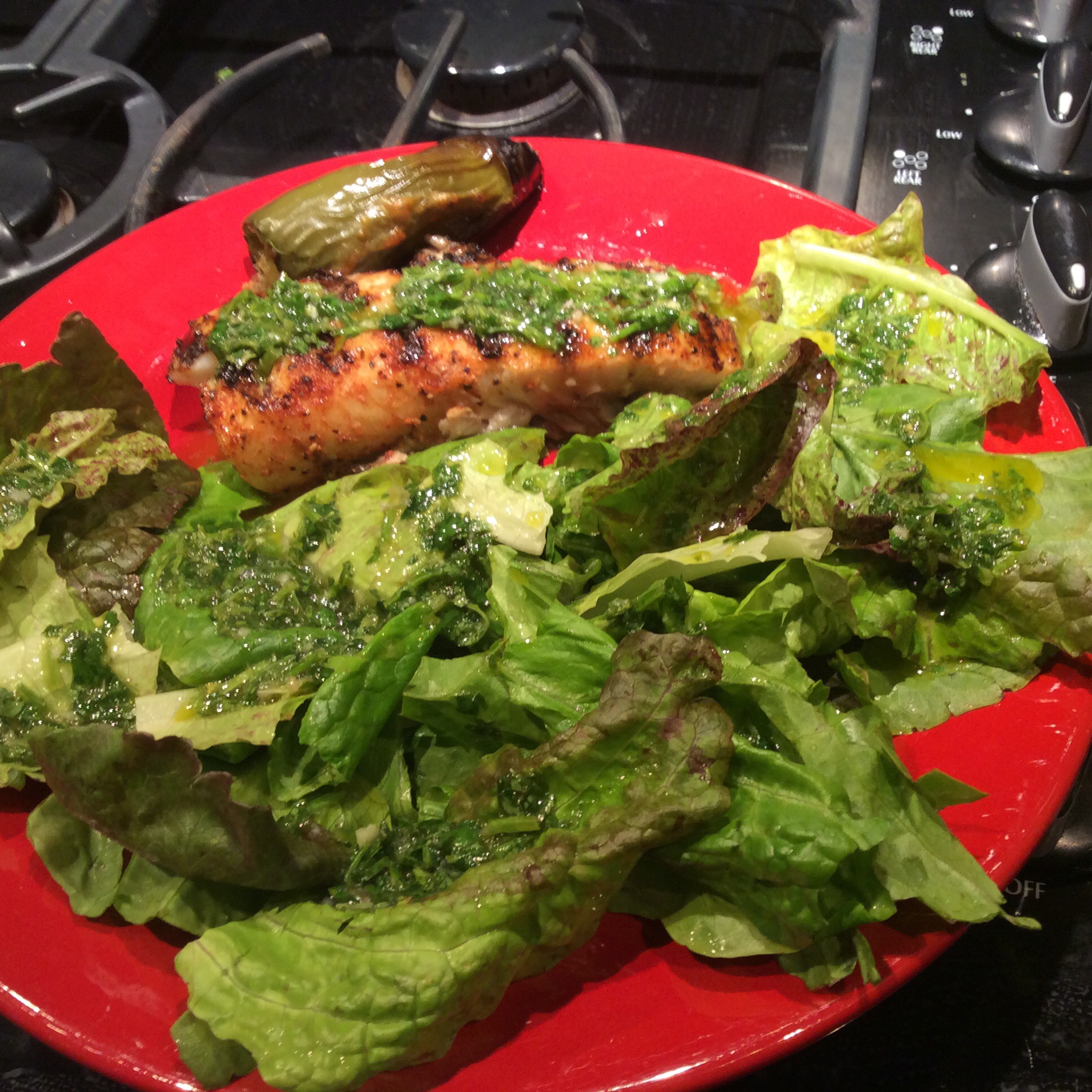
Third, it’s delicious. I can’t understand why so few people eat their bronze fennel. I admit that my main use of it is to chew up a frond while weeding or doing other garden tasks. The resiny rush is succeeded by a taste of intense sweetness and herbal licorice. I realized years ago, when going through a Greek cookbook binge, that fennel and not dill is a primary seasoning herb for horta, the greens mixture that forms a part of so many Cretan meals and snacks. A generous handful of chopped fennel fronds, sautéed with other aromatics, gives the right flavor to a batch of greens mixture. Chopped fronds are also an essential part of fish marinades and rubs, in my view, and can be delicious on chicken. A little dab of herb salad, made from chopped bronze fennel and chives or garlic chives and dressed with a very good vinaigrette, is good as a seasoning garnish alongside fish or chicken. Chopped fennel fronds are lovely in mayonnaise to sit atop grilled salmon, or yo dress cold fish salad. When grilling fish, consider putting the larger stems of fennel across the grill to make aromatic smoke. I love a small handful of chopped fronds in salads. This is a nose-to-tail herb, since besides using the leaves and stalks you can collect the pollen if you have enough plants (fennel pollen is a common aromatic seasoning in Tuscany,) and the seeds can also be collected for culinary use. One cookbook writer said that she made an anise-flavored pesto from blanched bronze fennel fronds, and that sounds delicious too, although I haven’t tried it yet. On days when I’ve worked late in the garden and the late sunset finds me hot and dirty and with a poor appetite from the heat, I can throw together smoked salmon crostinis with fennel:
Cut a few diagonal slices off a good baguette or, if you are ketogenic, cut a few thin slices of ketogenic coconut bread. Toast them, spread with green mayo Or your own favorite tarragon-seasoned mayonnaise, put on one thick or two thin slices of smoked wild-caught sockeye salmon, smear with some mascarpone or creme fraiche, and top each with a couple of generous pinches of chopped fennel. It takes five minutes, it’s cool and soothing, and yum.
Incidentally, I remember reading somewhere long ago that fennel stalks coated with tallow were burned to summon good witches, and mullein stalks were used the same way to summon bad witches, unless maybe it was the other way around. So if you want to try it, you’ll need to get straight which is which. But I can say from experience that a couple of dried fennel stalks tossed on a dying fire in the fall give a lovely aromatic end to the evening that doesn’t summon anything but contentment and sleep.
14 Jun
Notes on the Ketogenic Diet
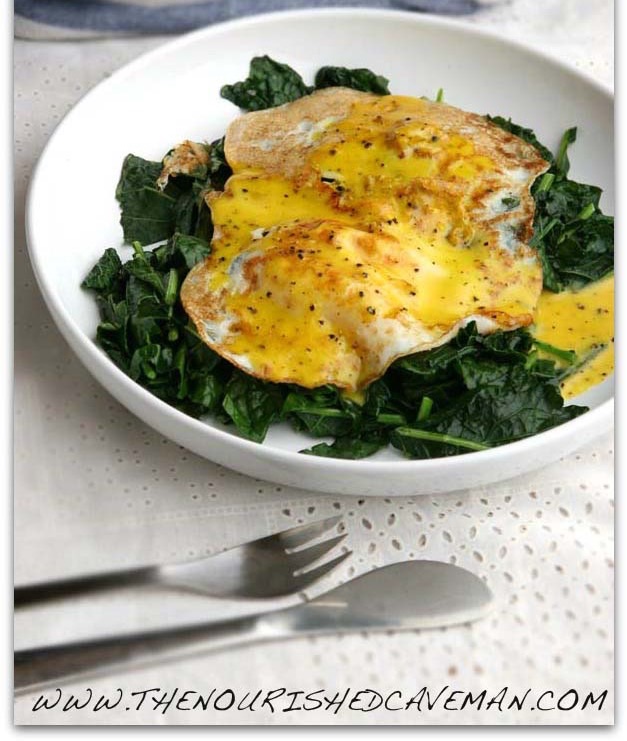
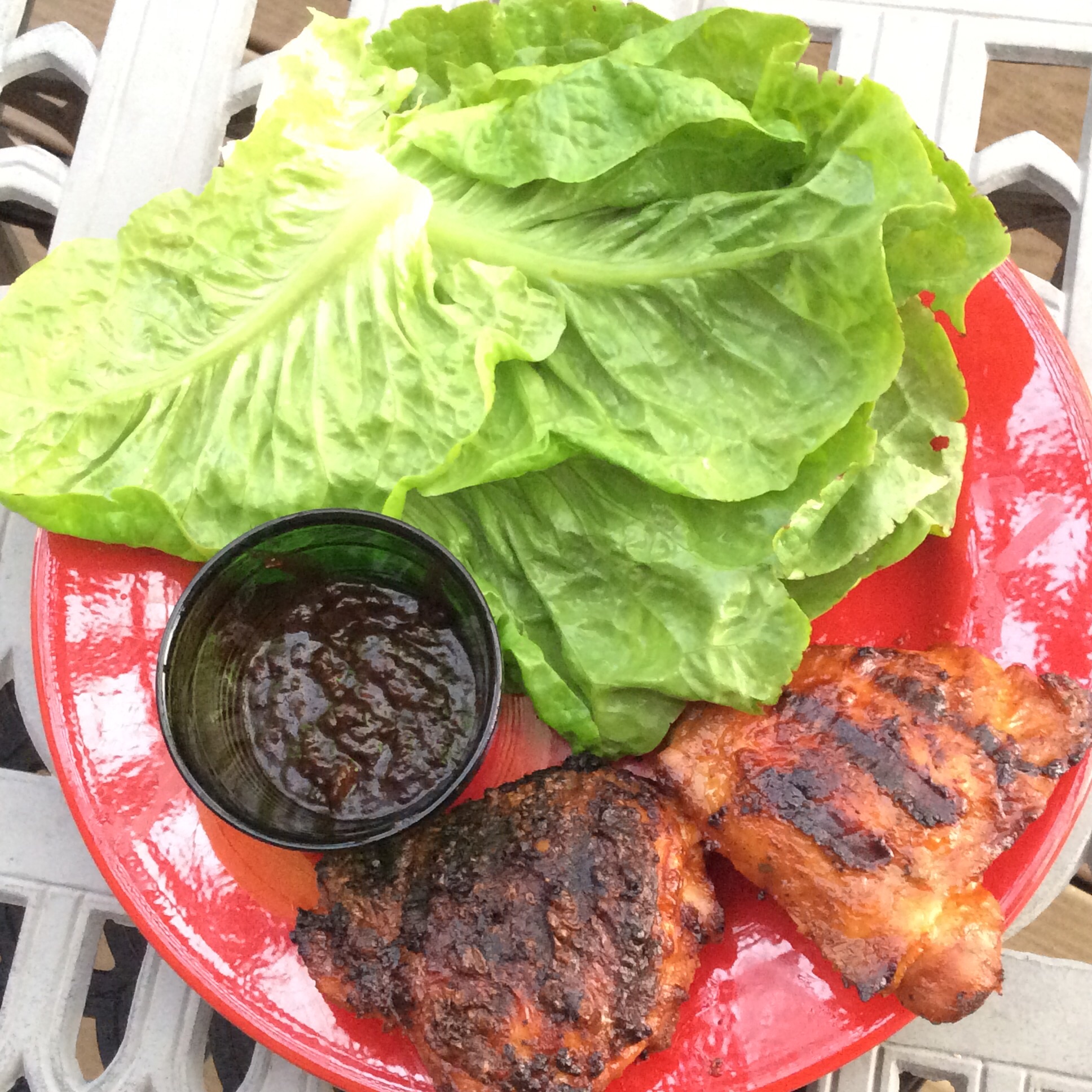
I have alluded several times to ketogenic dieting, and decided to say a little more before I go back to garden talk. I started eating ketogenically a little over three years ago, in response to increasing weight, blood pressure, and blood sugar. I don’t expect to eat any other way for the forseeable future, because I like being thinner, feeling better, and having no medications to keep track of. I am not making recommendations for anybody but myself. If you are interested, read the most recent Atkins book you can find, one that lists Volek and Phinney as authors since they are two of the foremost researchers in this field. For myself, I can only say that it has been exhilarating to find that the slow progression to type 2 diabetes is totally within my own control and doesn’t have to happen. I “cheat” on fruit when it’s fresh from my own yard but otherwise stay very low-carb. Deprived? Not hardly. The lovely plate above, “borrowed” from The Nourished Caveman, is just one example of what’s possible.
The bulk of my diet these days is leafy vegetables, both raw and cooked, and this is where being a gardener and forager comes in really handy. To get this quantity of greens in organic form from the store would be quite possible, but expensive. I cook them with healthy fats and any seasonings that take my fancy. I eat moderate amounts of meat, poultry, fish, and seafood. This is not an especially high-protein diet, although protein content is certainly high relative to the standard junk-food diet. I do use a few artificial sweeteners, mostly oligofructose (a natural derivative of chicory root) and liquid stevia, but I try to minimize them and I don’t obsess about making sugar-free desserts. Dessert should be an occasional treat, not a nightly right.
All of this said, I don’t intend to write much more specifically about this way of eating. It’s my lifestyle choice and not binding upon anyone else. If you’re interested, just be aware that my posts and recipes since I resumed blogging early in 2015 are compatible with a low-carb lifestyle, but older posts are not, and that green vegetables are your friends!
For those who have tried low-carb and not gotten good results, the link below is a nice concise and useful summary of the most common mistakes.
Low Carb Mistakes
Here’s another helpful input from the Atkins forums:
Doing Atkins Right
4 Jun
Mulberry Heaven
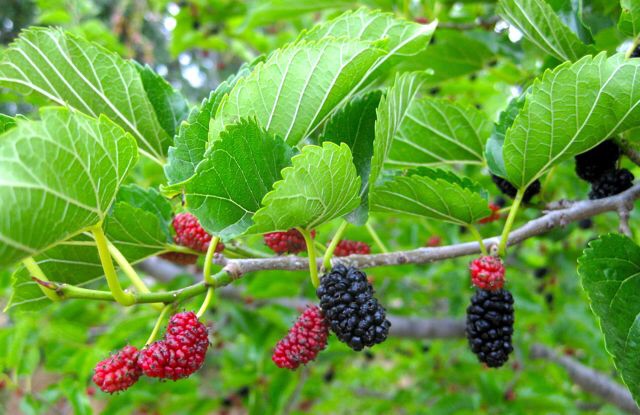
Near my home there is a mulberry tree that has delicious black fruit and low-hanging branches. When the fruit ripens, I throw my ketogenic diet temporarily out the window and go every evening to stand under it, gorging myself, while my dogs eat dropped fruit off the path. This is one of the greatest joys of the summer season. But it isn’t by any means the only use for mulberry trees.
On my own property I don’t have any mulberries big enough to fruit, but I do have two mulberries that I harvest greens from. The leaves of all mulberries are edible when young and tender, but flavor ranges from tasty to nasty. By hanging around a local organic nursery and surreptitiously tasting leaves, I got a couple that had fairly good-tasting leaves. At my last home I had a mulberry with delicious and large leaves, but alas, that tree is no longer mine, and I didn’t try rooting cuttings because I had no clue how hard it would be to replace. But the ones I now have are passable. The trees will rapidly grow tall if you let them, which I don’t. From the time they are 4 feet high I start managing them for leaf harvest by keeping them small. At first this is a matter of a little delicate trimming and weighting some branches so that they grow out nearly parallel to the ground. Later on in their lives, much harder cutting is needed, and by the time that they are 5-7 years old, they need coppicing (cutting off a few feet above the ground) to keep them in check. Coppicing keeps them from producing fruit, and incidentally they also don’t bloom and produce their incredibly allergenic pollen when managed this way. They do produce masses of young tender tips that can be pinched off at the point where they are nonwoody and break easily and cooked as a green, a good green that fills in gaps between cold-weather and hot-weather greens and contains resveratrol as a bonus.
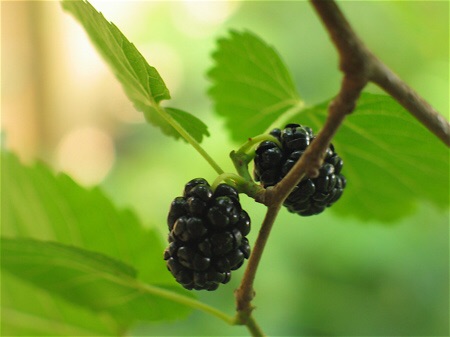
At the point when my coppiced trees start producing more greens than I can use (which is a few years down the road,) I will start harvesting bigger branches for my goat, who thinks that mulberry branches are the food of queens. Mulberry leaves can also be dried to make tea, although I think the resulting tea is pretty insipid stuff and needs other herbs for interest. I would also use “extra” cuttings for mulch and spare biomass.
For more about mulberry trees, see the link below for a terrific and very comprehensive post about mulberries in permaculture. Don’t miss the wonderful pictures of stuffed mulberry leaves! The recipes are available too, and I plan to try this soon.
Temperate Zone Permaculture mulberry post
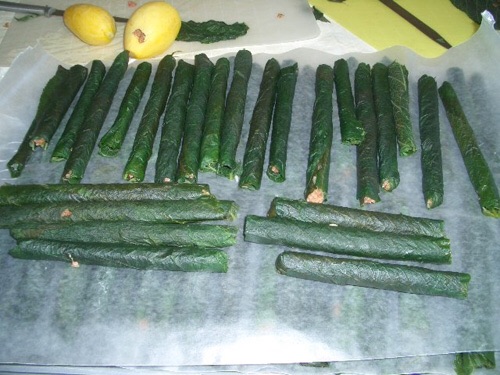
This image of stuffed mulberry leaves, poached from the Temperate Zone Permaculture post linked in above, looks especially interesting to me. Check out the recipes in that post.

The stigmata of the mulberry fancier. Consider yourself warned.
 My urban homestead