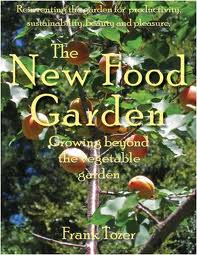
The New Food Garden is the newest volume by Frank Tozer, an author I admire for his complete and knowledgable gardening books that don’t seem to get the attention that they deserve. This book is about how to create an integrated property producing vegetables, fruit, and pleasure. He uses permaculture principles but doesn’t get dogmatic about it. There are good sections on garden design, fruit trees and trees generally, “hard drive” infrastructure garden stuff such as paths, buildings, and greenhouses, and lots of information about outdoor living areas that assumes you will want to live in and enjoy your garden as well as harvest food from it. There are brief but interesting sections on a variety of subjects that give you a good framework for more detailed reading, such as fencing, water features, and use of human urine and humanure. It doesn’t include much info on growing specific vegetables, because he’s already written an entire book about that (and a very good one, by the way.)
This and Mini Farming are my favorites of the scads of new gardening books that I’ve looked over this winter. What’s the difference between them? MIni Farming emphasizes very precise soil amendment techniques and concentrates on maximizing returns in small spaces. Tozer takes a more relaxed approach in which compost, mulch, and other organic techniques are used, parts of the property are used as living areas rather than producing a food return, and fertility builds at nature’s pace. Please also note that Mini Farming has very detailed info on integrating chickens into the small layout for meat and eggs, while Tozer is a vegetarian and includes no information on food use of animals. The best solution is to get both. They won’t go unused.
Best tip and best quote: “You probably never realized that you are a walking plant fertilizer factory and that every day you are literally pissing away money.”
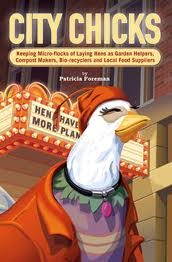
City chicks is a very good collection of information for the chicken owner who plans to have a micro-flock of laying hens. There is lots of information about every aspect of keeping a few layers, clearly organized so that beginners can find what they need. If you plan to have a dozen hens or fewer and don’t plan to produce any meat, I would recommend this book above most others. Do be aware that there is zero information about butchering and meat production, so if you plan to replace your hens every couple of years to keep production up, you’ll need another source of information about how to get them into the stockpot.
Best tip: Use plastic laying mats inside the nesting boxes. These are like stiff artificial turf, and droppings don’t stick to them. They can be hosed clean. They keep the eggs clean and dry. The hens can’t scratch them out of the laying boxes as they will with other types of bedding. This matters, because they then lay on the bare floor of the box and the eggs can be cracked, which renders them useless and introduces the hens to egg-eating. They cost about $4 each. I got mine from Murray McMurray, but other hatcheries have them too.
Archive for the ‘vegetable gardening’ Category
12 Feb
Choosing a CSA
If you don’t want to garden yourself, or don’t have room, a CSA is a great local-food option. You share in the season of a local farmer/gardener, and receive truly seasonal vegetables. Using a CSA for a season is also great preparation for starting your own garden, since it trains you to cook with what is in season and grows well in your area. We have several CSAs in our area, but recently I was contacted by Jill, a HIgh Desert yoga instructor who has a small CSA and is ready to take a few more customers. I have not used her CSA myself, but this is exactly the sort of Earth-friendly mini-farm that we need more of, so I’m reproducing her ad below.
Whenever you are considering a CSA, I suggest a discussion with the farmer by phone or email about growing practices (most mini-farms can’t afford the organic certification process, even if they use organic methods,) the variety of vegetables that you can expect, whether fruits and/or flowers are ever included, roughly when the season will start and end, and how many family members each box can be expected to feed.
After one or two CSA seasons, you might be ready to grow your own!
Vegetables by the box.
Mama’s Garden is a Northeast heights backyard garden CSA providing a fresh and delicious variety of seasonal vegetables, herbs, flowers and melons. Mama’s Garden is run by Jill Palmer and her son Narayan and has been selling its pesticide-free produce at local grower’s markets since 2009. Sign up by May 5th for your weekly box throughout the growing season and pay weekly. Free deliveries to the NE heights and Nob Hill. Contact Jill at growinluv@gmail.com
Jill adds in her email: ” I am happy to provide you references of my previous CSA members or any
> other info. you might like to know about us. Having just a backyard,
> I am not cert. organic, yet I use no pesticides and prep. the soil
> with yummy compost I make at home and from Soilutions as well as horse
> manure. I have enough variety to keep the box fun…as every few
> weeks a few more veggies begin to fruit. I sell a 1-2 person amount
> as a $15/box and 3-5 person amount as a $30/box. Yet amounts/prices
> can be tailored for more persons than that with discounts.”

18 Jan
The garden year: winners and losers
Like most gardeners, I try a lot of new stuff every year. Some of it fails, some is good enough to make a nice novelty but not good enough to make the long-term cut, and some new items become a part of my regular line-up.
This was a tough year for my garden, and everything that survived deserves some credit. The blistering heat, unusual for this area, and a lot of neglect on my part due to other pressing matters made for a veritable Darwinian demo of natural selection in action.
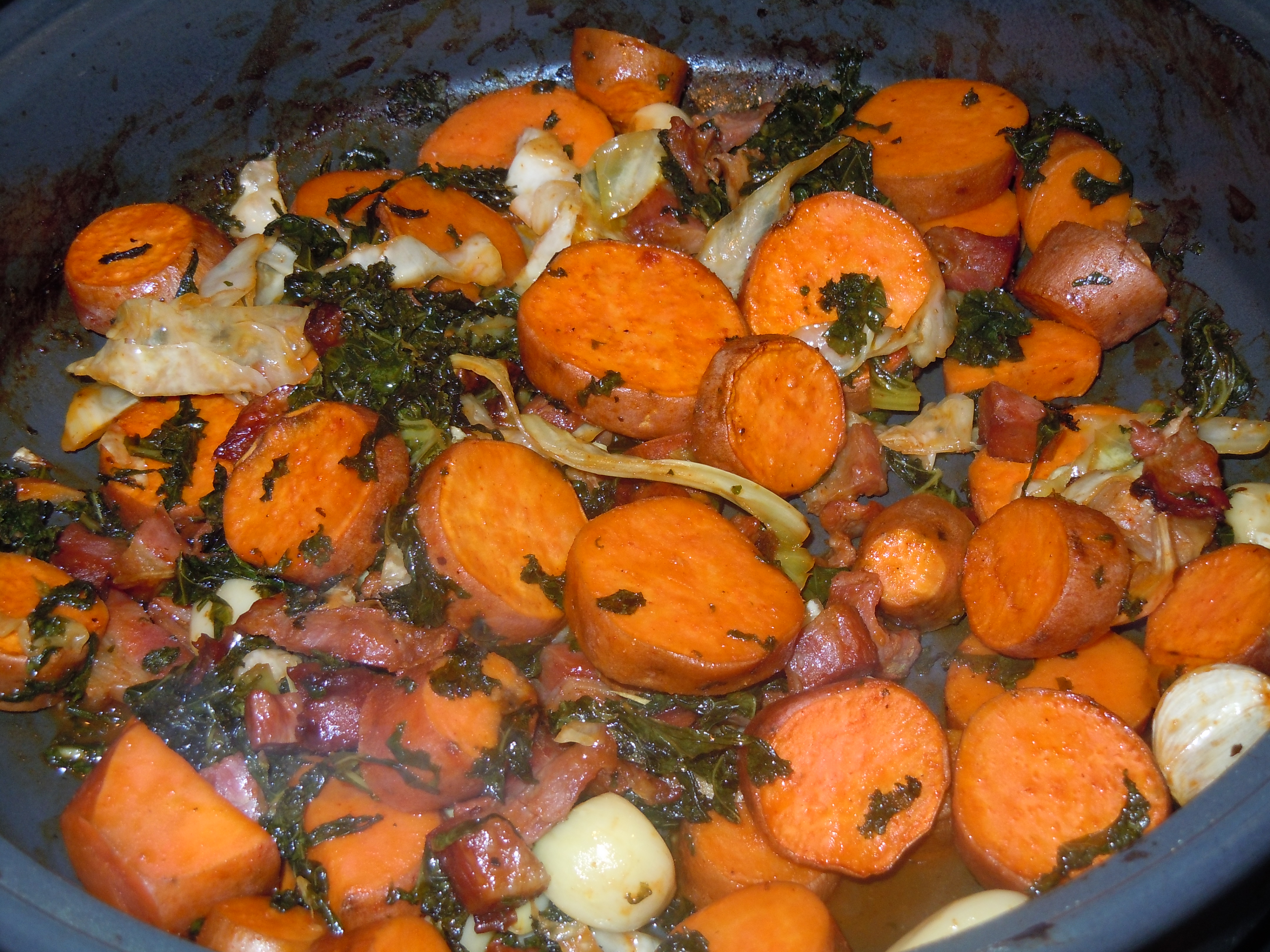
A special Most Tolerant Vegetable award goes to sweet potatoes. They might get an award for Most Nutritious Vegetable, too, and possibly for Most Delicious Vegetable. No matter what kind I plant, they seem to flourish. I pick so many of the leaves off for greens and salads that it’s a wonder they survive, but I got a very nice crop of roots too. I tend to like the dry yellow types better than the moister orange types, but the latter are healthier to eat, so plant both. Can’t beat ’em. Grow plenty.
The other winners were:
Squash: Waltham Butternut, Chiriman and Kikuza, three C. moschata subtypes. They were resistant to borers, laughed off squash bugs, and soaked up the heat. All had delicious flesh when cured, a little on the moist side but sweet, stringless, and close in quality to my beloved Buttercup, which I can’t grow here because the borers always get it. They were watered irregularly and tolerated that.
Greens: Malva sylvestris. This is an attractive ornamental with mauve flowers, and it makes good healthy leaves for greens in the hottest weather. I’ve chosen it over my old favorite Malva verticillata because it’s a more ornamental plant and equally good to eat. It’s less prolific, but that’s a good thing.
Chicory “Trieste sweet”. This was advertised as less bitter than other chicories, but in my garden it wasn’t. That’s fine with me, since I love the light clean bitterness of well-grown chicory in a salad, and this one was a very strong grower with pretty light green smooth leaves.
Carrot: “Purple Rain.” I love purple carrots for some reason, and the darker the better. This one fit the bill, dark purple right to the core. See chunks of it, loaded with anthocyanins, in the post “Root Vegetables Chairoscuro.”
Parsnips: “Turga.” I only grew a few, and next year I’ll be growing a lot more. They tolerated heat and drought and heavy clay soil. By December when not much else is available fresh, they’re sweet and delicious. They don’t need any special storage for the winter; just leave them in the ground and dig them whenever the ground isn’t frozen.
Potatoes: Red Norland. I adore Peruvian Purple potatoes and have always grown a lot of them, but this year they were a complete crop failure, while ordinary Red Norlands came through shining, as they always do. So experiment all you like with exotic potatoes, but have a few hills of the Old Reliable. Even if you don’t have room to grow main crop potatoes for storage, you’ll want a few hills to dig for gossamer-skinned new potatoes.
Spinach: America. This very old hybrid is still going strong. Not as big as some, not as smooth as some, not as savoyed as some, it just produced lots of tasty leaves in cold weather and in hot, unruffled by the changes that nature threw at it.
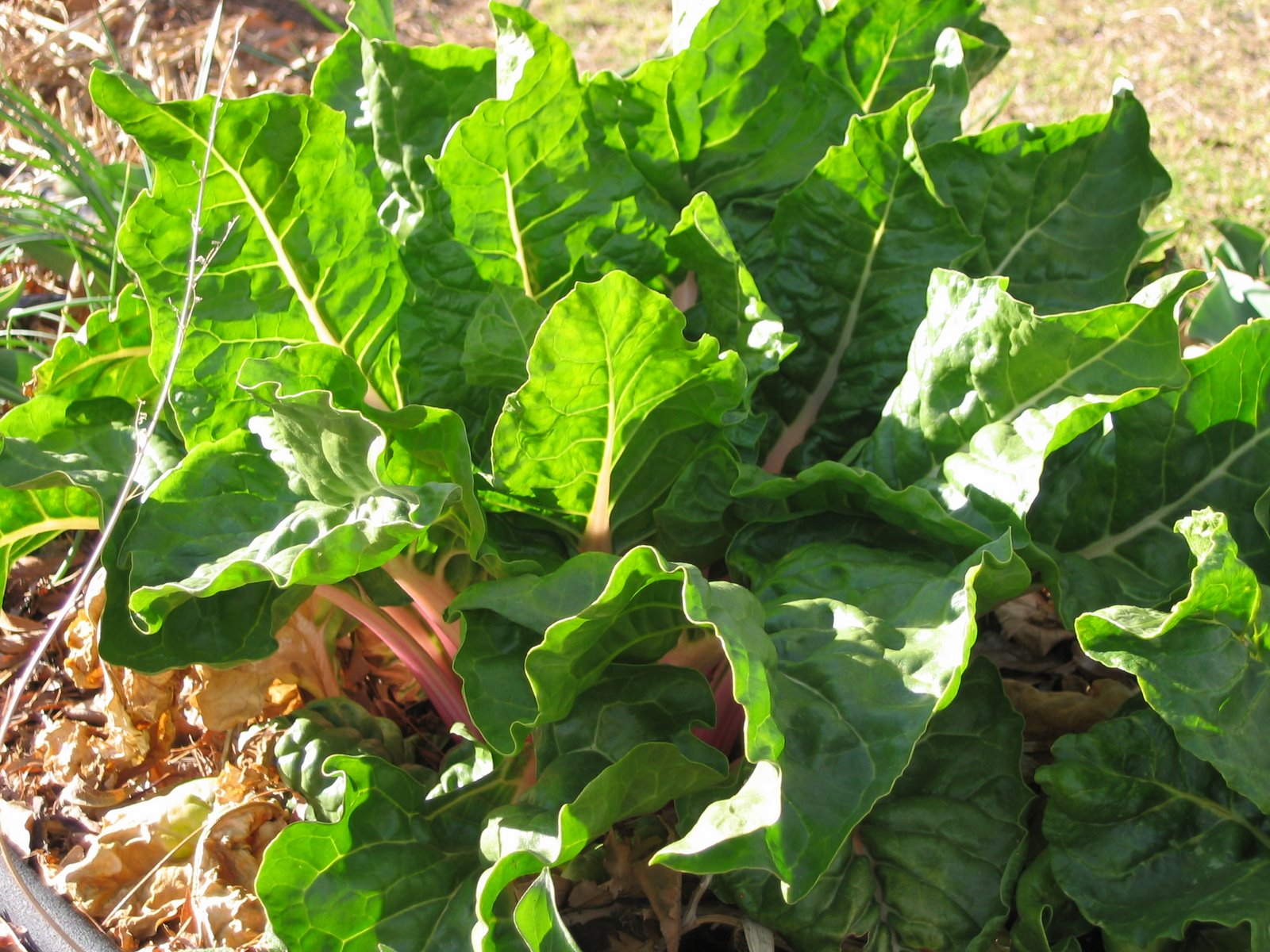
Swiss chard: Fordhook Giant. For years I flirted with the multicolor types, but they don’t produce as well as this old stalwart, and I grow leafy greens to eat, not to look at. It mixes nicely with flowers.
The losers:
Squash: Sucrine de berry and Musque de Provence. Both had come highly recommended by the catalog for flavor and lack of fiber, and unfortunately both were just awful. Both had stringy unpleasant flesh, and Musque had very little sweetness or flavor of any kind while Sucrine was watery and had a strong unpleasant scent and taste that one taster described as “Squnk.” Both were vine-ripened and cured for two months, so I can only assume that the seedstock was not pure, but since I rely on winter squash for a lot of my winter vegetable supply, I can’t take a chance on them again. They are quite decorative on the end of my dining room table, and the chickens will eat the flesh if I bake it for them, but that wasn’t my plan for my squash supply.
Summer squash: Trombocino. This is a vining summer squash that gets high marks for flavor in some catalogs. I can only say that in my garden it was hugely prolific but had no flavor at all. I’ll be going back to some zucchinis that I like better to eat.
Mirliton These are a common vegetable in Louisiana where I grew up, and they love heat, so I thought that if I supplied water they would do well here. Unfortunately, they shriveled in our dry heat. They might do better if given some shade, and I’ll probably try that this summer.
Milk thistle: I was bamboozled by some foragers into introducing this pernicious weed to my yard. It’s very pretty in an architectural way, but the leaves are touchy to pick, prickle removal is somewhat tedious, and the green that you’re left with doesn’t taste that great. The flavor isn’t bad, but certainly it isn’t anything I’d go out of my way to eat. And once having introduced them, they take hold with frightening avidity. Better not to get started with them. By the way, some people on the Internet say that if you boil the leaves, they can be eaten prickles and all, to which I say “Bah.” Further, I say that they’ve never really tried it. I would buy a ticket to watch one of those people eat a plate of thistle boiled stickers-and-all.
2 Jan
Vegetable dinners: Starting the new year
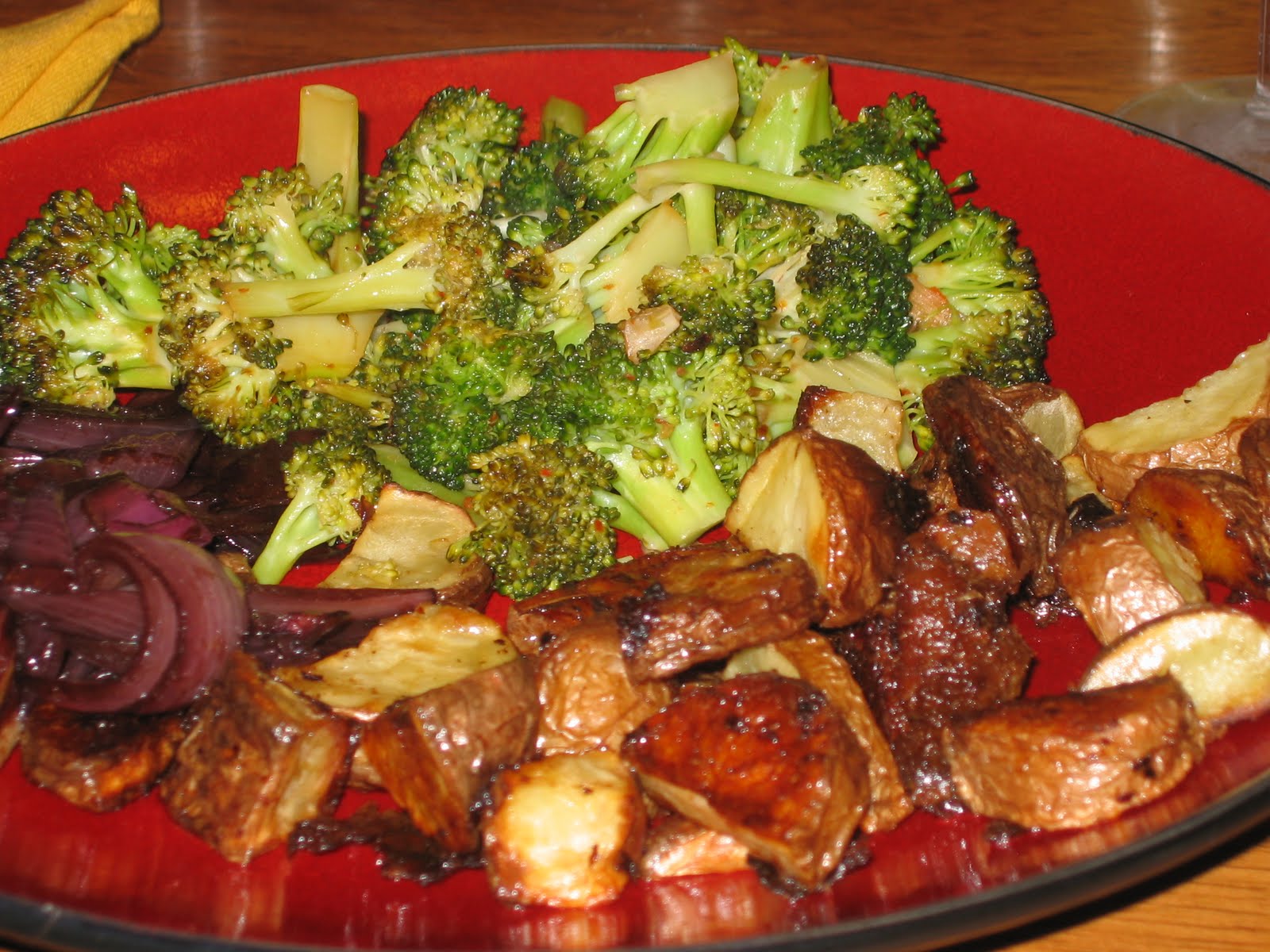
Recently a reader contacted me about how to transition to a diet of “all real food.” Expense and time were real concerns for him, as they are for most of us. Well, there’s no question that if you’ve been eating a lot of convenience and supermarket food, real food is likely to be more expensive. You will be making more things from scratch, so it will take more time, too. So my first piece of advice is: don’t make a New Year’s resolution to change your whole diet. I am very mistrustful of New Year’s resolutions; in fact I am mistrustful of any statement that anyone is going to make sudden sweeping changes in their way of being in the world and maintain those changes over time. Personally, my transition in food and lifestyle took place over years, with one step building on the previous ones, and no one change so huge that I couldn’t maintain it until it became a habit.
So here’s how I would approach this change: eat more vegetables. Fill your plate with them. Twice a week or so, make two or three simple vegetable dishes for dinner, and don’t have any meat available. On the other nights, offer a small amount of meat and lots of vegetables. A loaf of good bread is a great way to center the table for all-vegetable dinners, and at first you can buy the bread and transition to home-baked later on if you want to. Heat the bread up and have butter or olive oil available to make it festive. Let your vegetable meal be a celebration. Learn a few simple whole-grain dishes and use them as “grounding and centering” dishes to offer some variety from bread. Don’t forget vegetable pasta dishes, which are delicious and appeal to kids. Buy your vegetables wherever you usually shop, and learn to cook them in ways that taste really good. Notice that at this first stage you do not torment yourself by trying to grow all your own food, eat local only, or eat organic only. You just cook the veggies that are readily available to you in ways that work for you. Pay special attention to learning to cook leafy greens in ways that you really like. They are abundantly good for your health, and if you take up gardening later on, they are among the easiest things to grow, but they are also the most likely to sit in the garden unused if you don’t have your kitchen techniques down pat. When you and your family are used to eating lots of vegetables, you can add more whole-grain dishes, or go organic, or shop at the farmers’ market when possible.
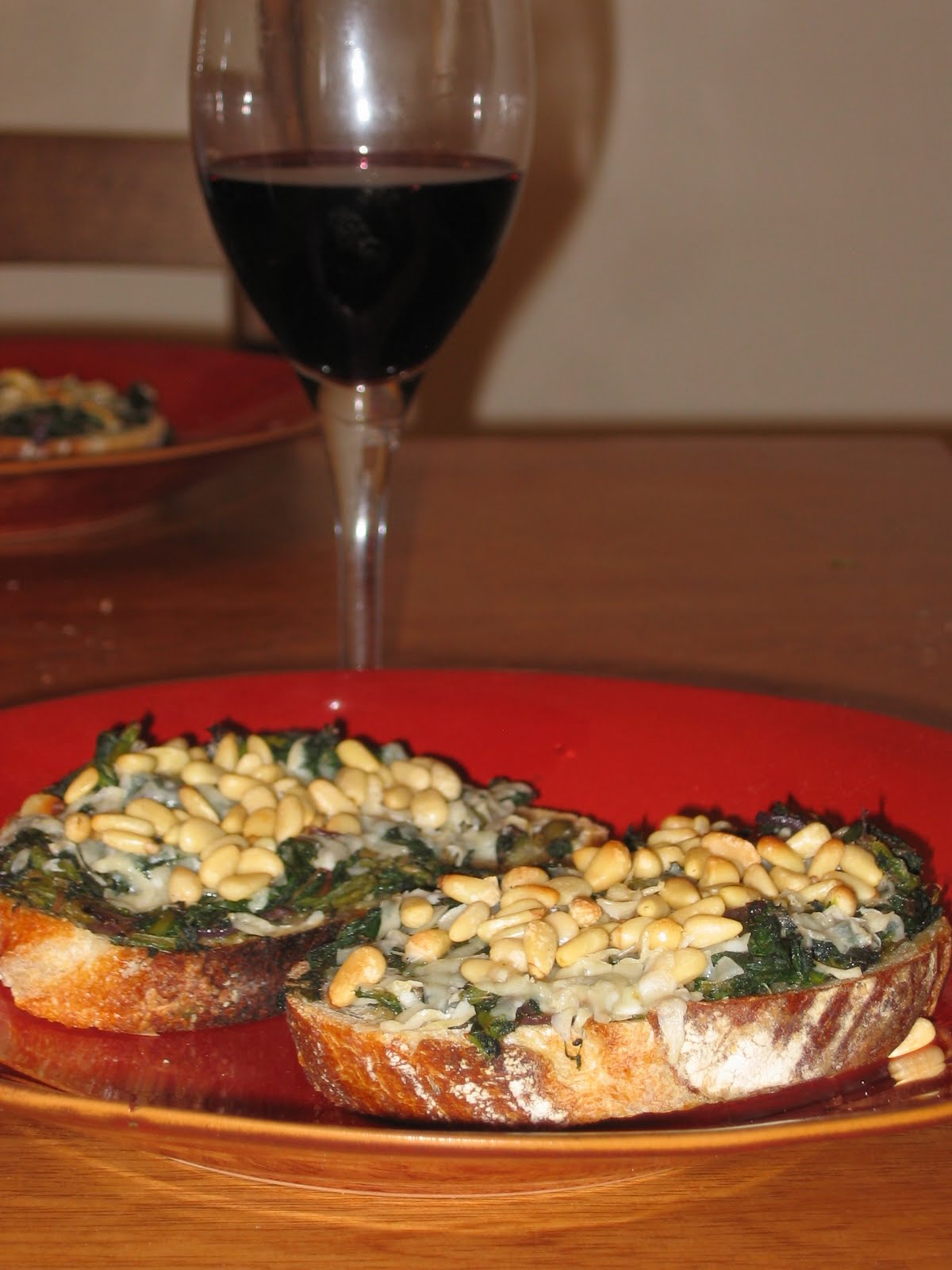
If you make this your first step toward a whole-foods diet, you won’t save much money initially because CAFO meat at the supermarket is cheap, but you won’t spend more than usual. Invest a very little bit of money in a really good vegetable cookbook; a wonderful and inexpensive one is Fast, Fresh, and Green by Susie Middleton. Check out my “vegetable dinners” category, too.
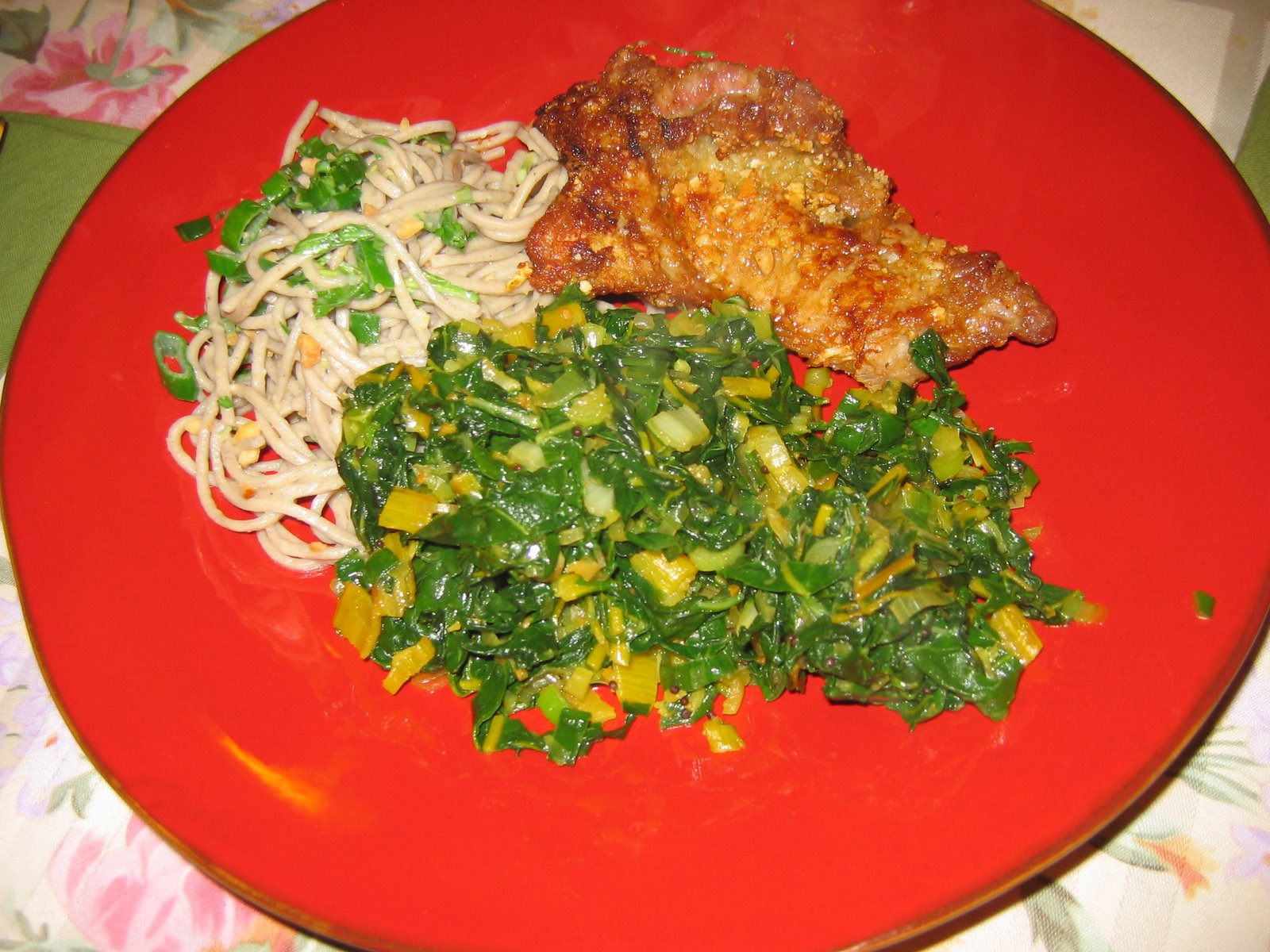
When you and your family are really loving your veggies and you can turn out vegetable dishes smoothly and without kitchen trauma, and plates heavy with vegetables look just right to you, take the next step. Enlist your family in deciding what the next step will be. If you use a lot of dairy products, organic dairy might be a good step. Or consider a backyard garden, or a farmers’ market excursion once a week in season, or more whole grains, or whatever. Bear in mind that truly ethical meats are going to be expensive, and if you just substitute them for the supermarket kind in the amounts you are used to eating, you are in for a nasty surprise when you add up the bills. I don’t suggest changing to them until you have formed the habit of eating small amounts of meat and making veggies the biggest part of your meal.
Don’t forget breakfast. Cook a pot of wild rice or red quinoa ahead of time and heat up enough for breakfast, topping it with some butter and maple syrup or honey. This is a treat even for people who don’t like “health” foods.
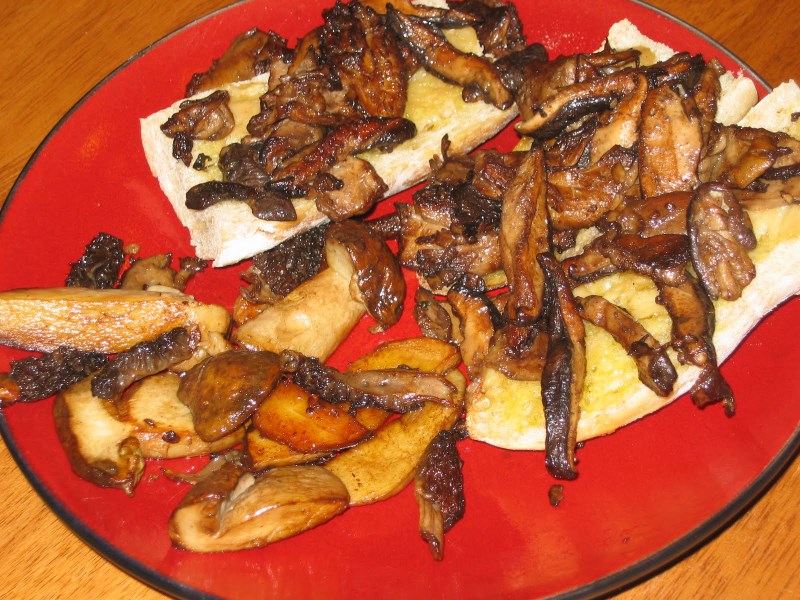
I don’t believe that negative energy is ever very helpful. Don’t berate yourself for the things you aren’t doing, just be appreciative of the positive changes that you’re making. If you need to pick up a quart of milk at the convenience store some night, don’t go crazy over it. If unexpected events change your life for a while, respond to them as needed, and then go back to your new way. Somewhere along the way, read or reread The Omnivore’s Dilemma, still head and shoulders above other books about factory-farming systems and, in my view, much better than Pollan’s subsequent books at helping you remember why you are making these changes. Love your food, and enjoy your mealtimes, and step will follow naturally on step. Have fun, and happy New Year!
 My urban homestead