Archive for the ‘vegetable gardening’ Category

A Quickie on Soil, and notes on quixotic planting

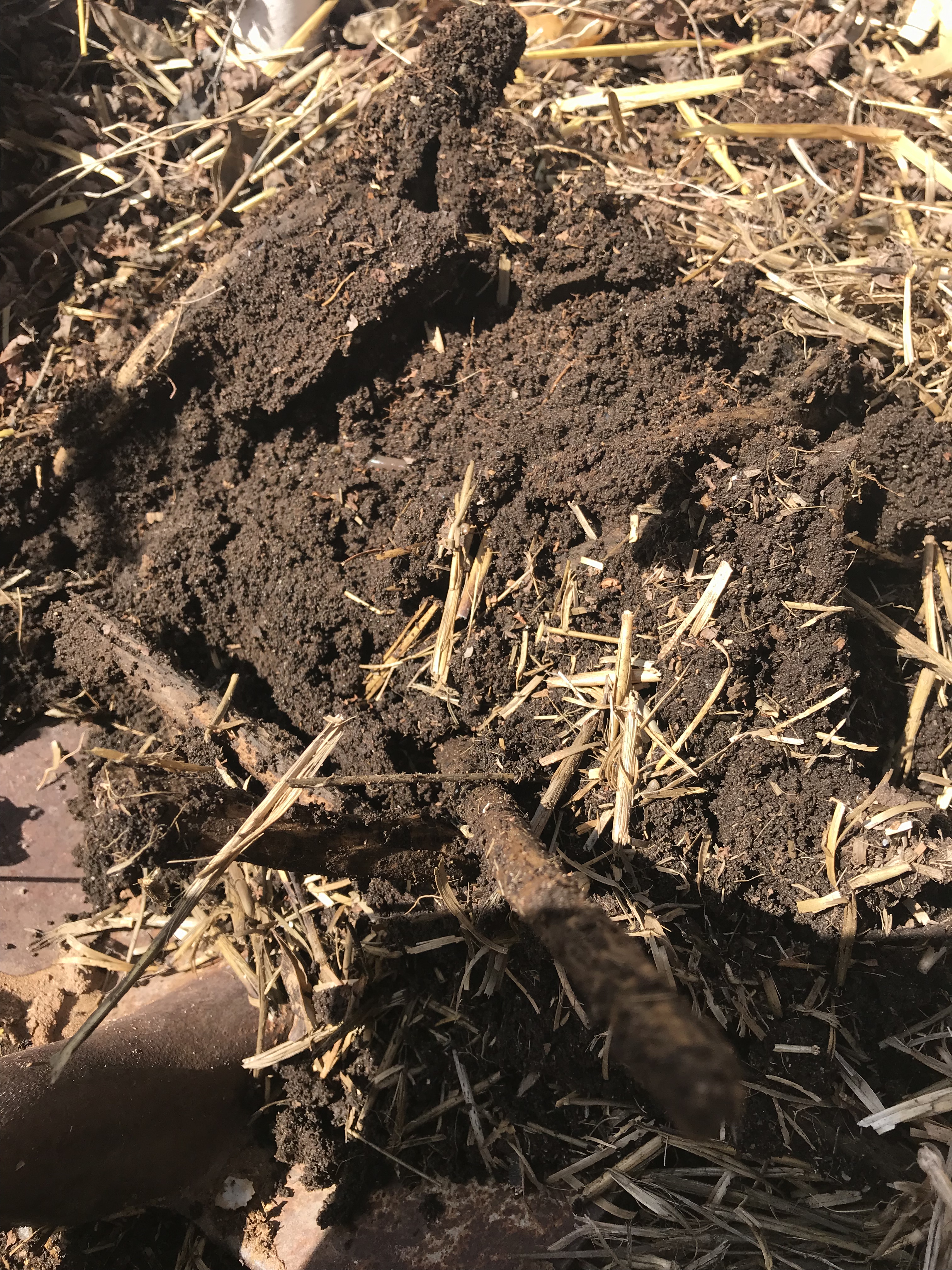
In the area of my property called the Perennial Paddock,  I have been doing a deep mulch for about six years, undisturbed except for topping it up with straw and pulling some of the worst perennial weeds.  When I can hire help to dig the waste alfalfa and manure out of the animal paddock, it goes on this mulch. The result, to my intense delight, is that where previously I had compacted clay and tumbleweed, now I have dark black soil about 12 inches deep.  This area has allowed me to observe that if you have time for the soil to build itself, and keep an endless supply of mulch to spread as needed, you do not really need to do any other soil amendment. You also don’t need to correct pH or any of the other maneuvers commonly recommended for soil improvement.  The year that I started mulching this area I invested in a bag of Thorvin kelp meal and spread that around, and since then all I have added is the straw and animal bedding. Lots of it. More than seems to make any sense when it’s dry and fluffy, but it will pack down to a surprisingly thin layer and have to be topped up a few times a season.

The first thing I ever planted here, way back before it was mulched, was a black locust tree. The little twig is now about 40 feet high, and when it is covered with blossoms in April, the entire tree swarms with bees.  It provides shade, and I think its  widespreading roots are part of what has broken up the soil so thoroughly.  In other areas of my yard I have actually had to break up hard packed areas with a pick, but in this paddock the locust tree has done all the hard work for me.

Now it is the matriarch of a wildly varied colony of perennials, and because of the soil quality and moisture level, this is also the place where I experiment with difficult plants. Oca, for example.  This member of the oxalis family is a sharp-tasting tuber available in a wild variety of colors.  It is native to the high Andes, and a sensible person would realize that it does not want to live in my flat baking high desert area with its  brutal summers.  But it is so pretty that I can never resist buying 15 or 20 tubers and experimenting.  So far I have tried them in a garden bed and in a berry row. In both locations, they grew until about July, then withered and died back, and the tubers that they produced were about the size of a pea or smaller rather than 1-2 inches long as they should be.

This year I ordered my usual optimistic packet of tubers, and decided to plant them almost directly in the shade of the black locust tree, in the deep cool soil that now exists there.
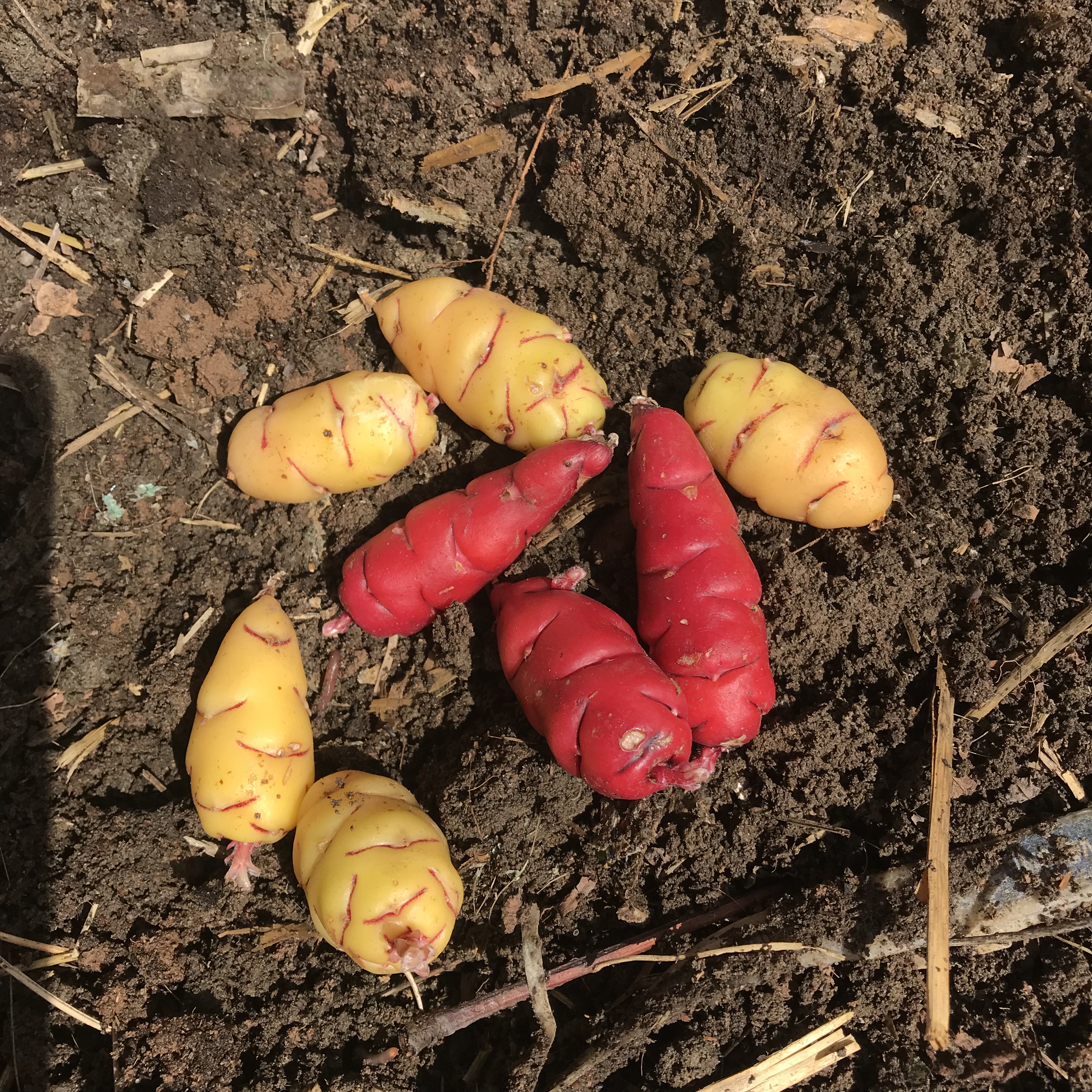
It will occur to the reasonable  economist that at this point I have spent a total of about $70 on tubers, and have not yet reaped any return.  But no garden is entirely reasonable.  If I were only going to grow things that “pencil out,“ I would do fine to just let my entire property come up in lambsquarters, which cost nothing to plant and give an effortless harvest of nutritious greens.  But I feel that I would be worse off for having missed the joyous expectation of putting beautiful little earth-jewels in the ground and hoping for them to multiply.  If I get enough to harvest, I don’t even know if I will like them, since I have never had a chance to taste them. But I’m not sure how much it matters. Hope is the point.

I get my oca tubers from Cultivariable, a fascinating source for little known Andean food plants.  They are usually sold out of the choicest selections by late February, so bookmark them for a look next winter.  I have read that oca foliage is also edible, so this might be a nose to tail perennial, but I don’t know yet.
Permaculture Salad

It occurred to me this morning that my lettuce won’t be ready for weeks but there’s no problem at all in filling the daily salad bowl. After years of practicing semi-permaculture  and using the results in the kitchen I have strong opinions about salad greens, so I thought it might be worthwhile to go through the ones that I use most.

Major greens: these make up the bulk of the salad.

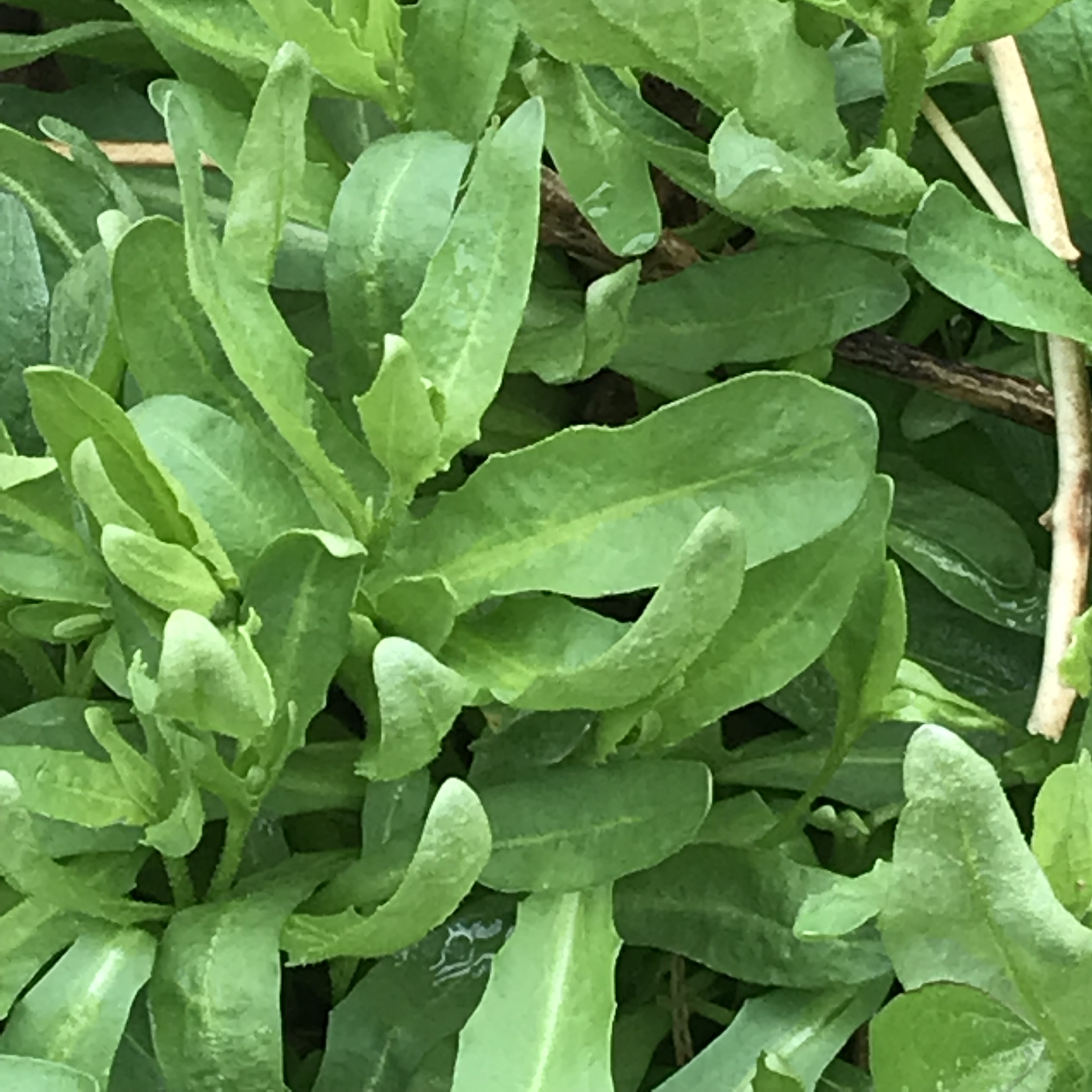
The picture above is blue mustard, one of my very favorites. It makes up about half of the bulk of any salad in our household this time of year.  I wrote about it at more length in my previous post, so what I will say here is that it is a recent invader in my area.  It first showed up along the ditch banks about four years ago, and now it is a common “weed“ in my yard.  I have no idea where it came from, but I’m glad it’s here.  Get it young, before you notice the tiny blue blooms, and I usually harvest with scissors, cutting about 2 inches off the top of the thick clumps.

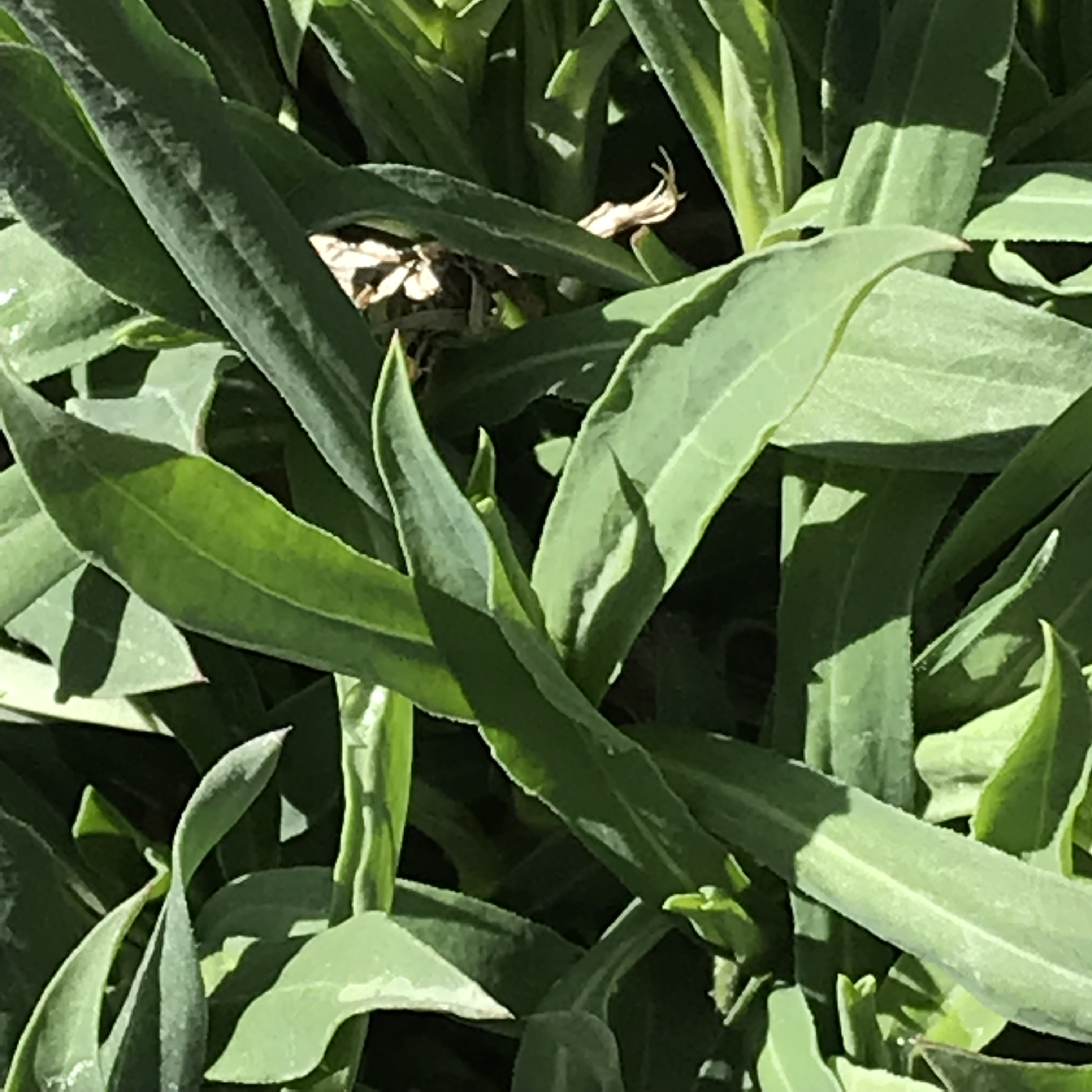
The second bulk green right now is scorzonera.  I have written about it elsewhere, so all I will say here is that although it is often grown for the root, I find the root not worth the trouble, but the spring leaves are mild,crunchy, tender, and excellent to make up the majority of the salad mix.  The bloomscapes that come up a little later, harvested before the buds swell too much, are among my very favorite vegetables, so at this stage I harvest individual leaves to make sure I don’t hurt any potential scapes. Take the wider upper half of the leaf,  and leave the long stringy stem bit where it is.

it takes a few years for scorzonera to establish and make nice full clumps. I advise against cutting it at all the first or second year.

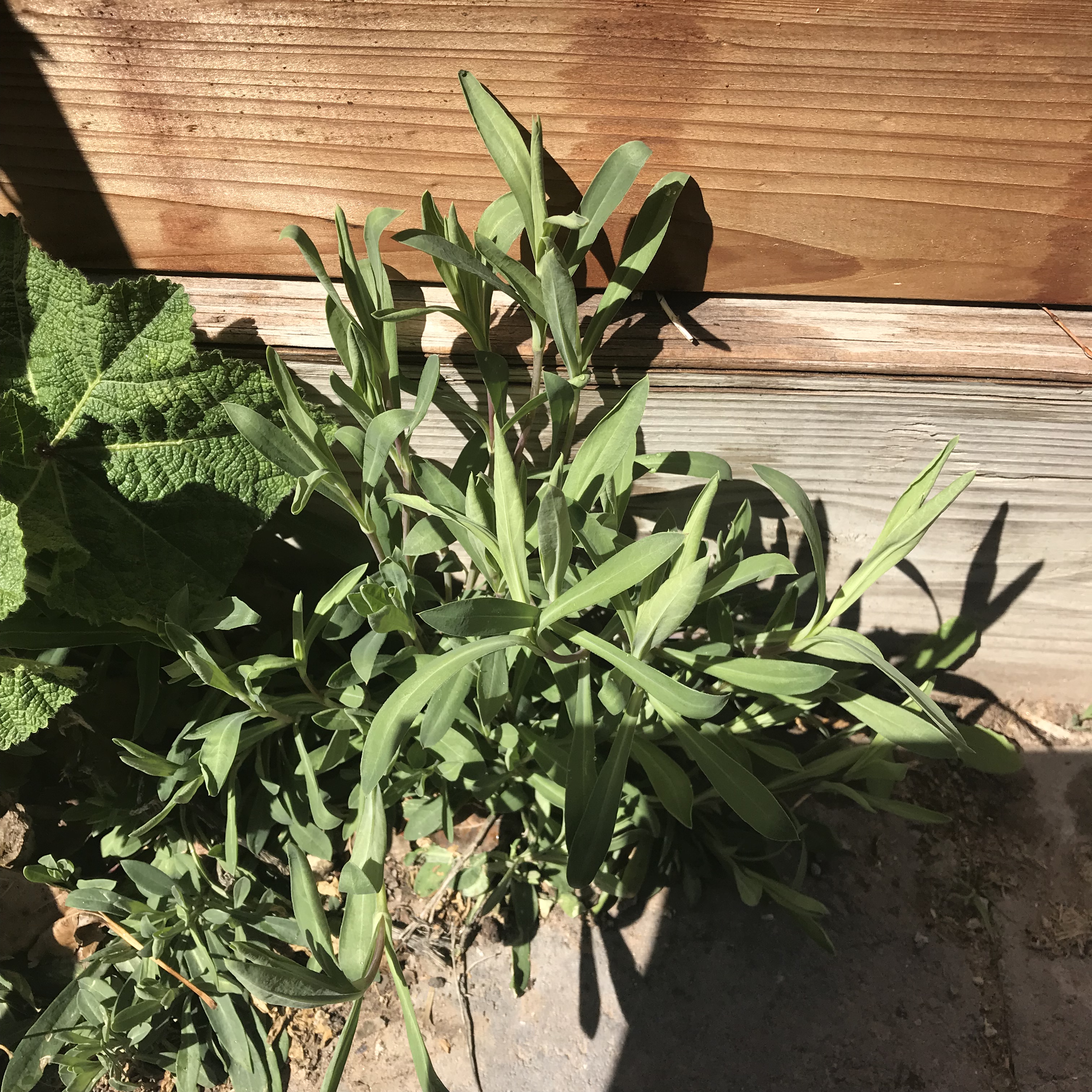
My third bulk green right now is bladder campion.  It took me a few years to get this one established, but now it is a thriving weed and comes up everywhere. The roots are deep and tenacious, so be sure to pull the roots out if you do want to get rid of it.  I pull it out of my raised beds but let it romp away everywhere else. Cut off the top 2” and discard any bare stems.   During the summer it is weedy and flops all over other plants, to their detriment, so you have to whack at it a bit. But it is always my first green of spring and the last one of fall,  so I would never want to be without it. I have heard the taste of the young sprigs described as “exactly like green peas.” I beg to differ. They do have a hint of green-pea flavor but they aren’t sweet and do have an undertone of faint bitterness. I find them delicious, and they are mild enough to go with anything else.

Minor greens:delicious when used in smaller quantities.

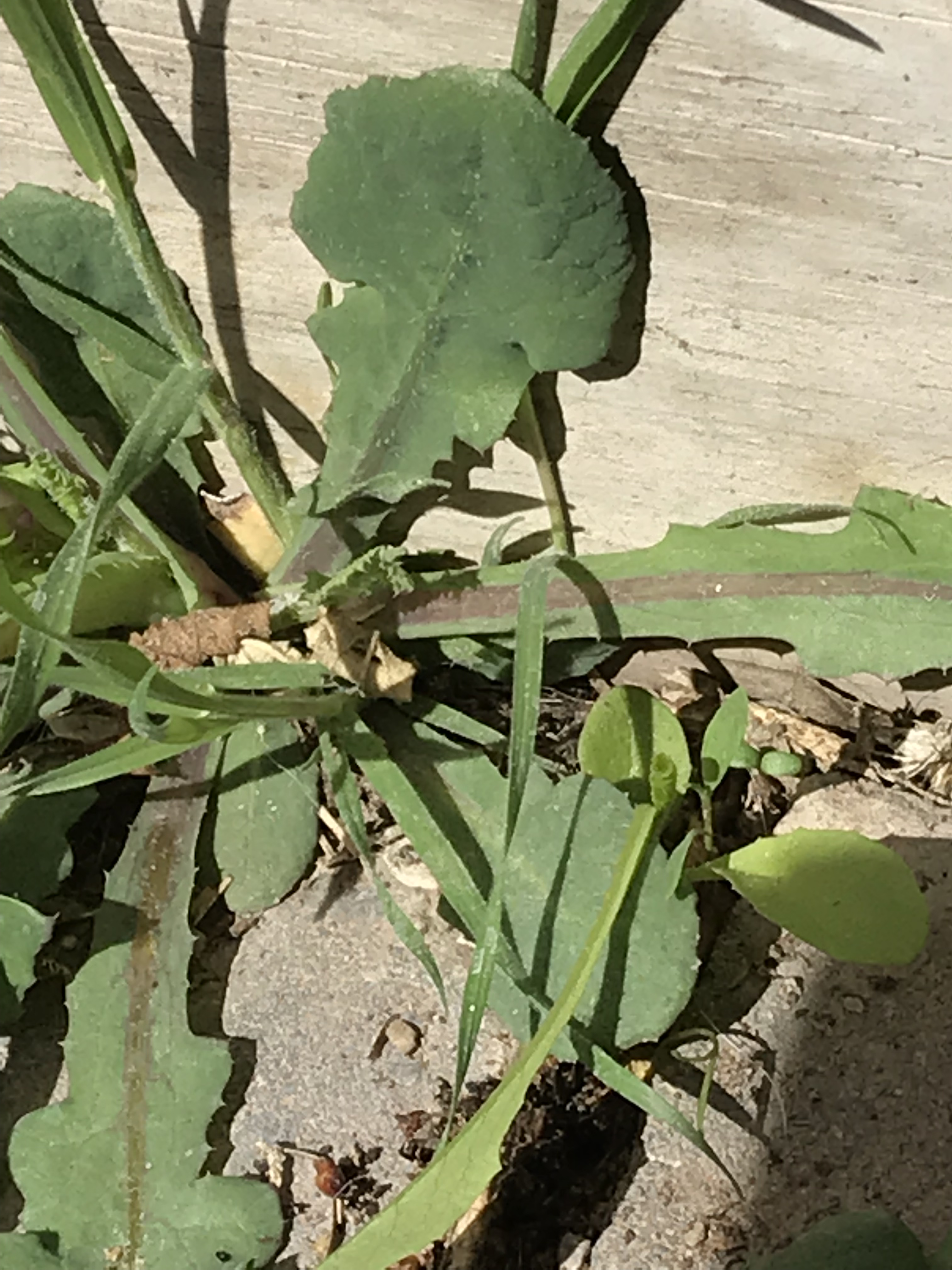
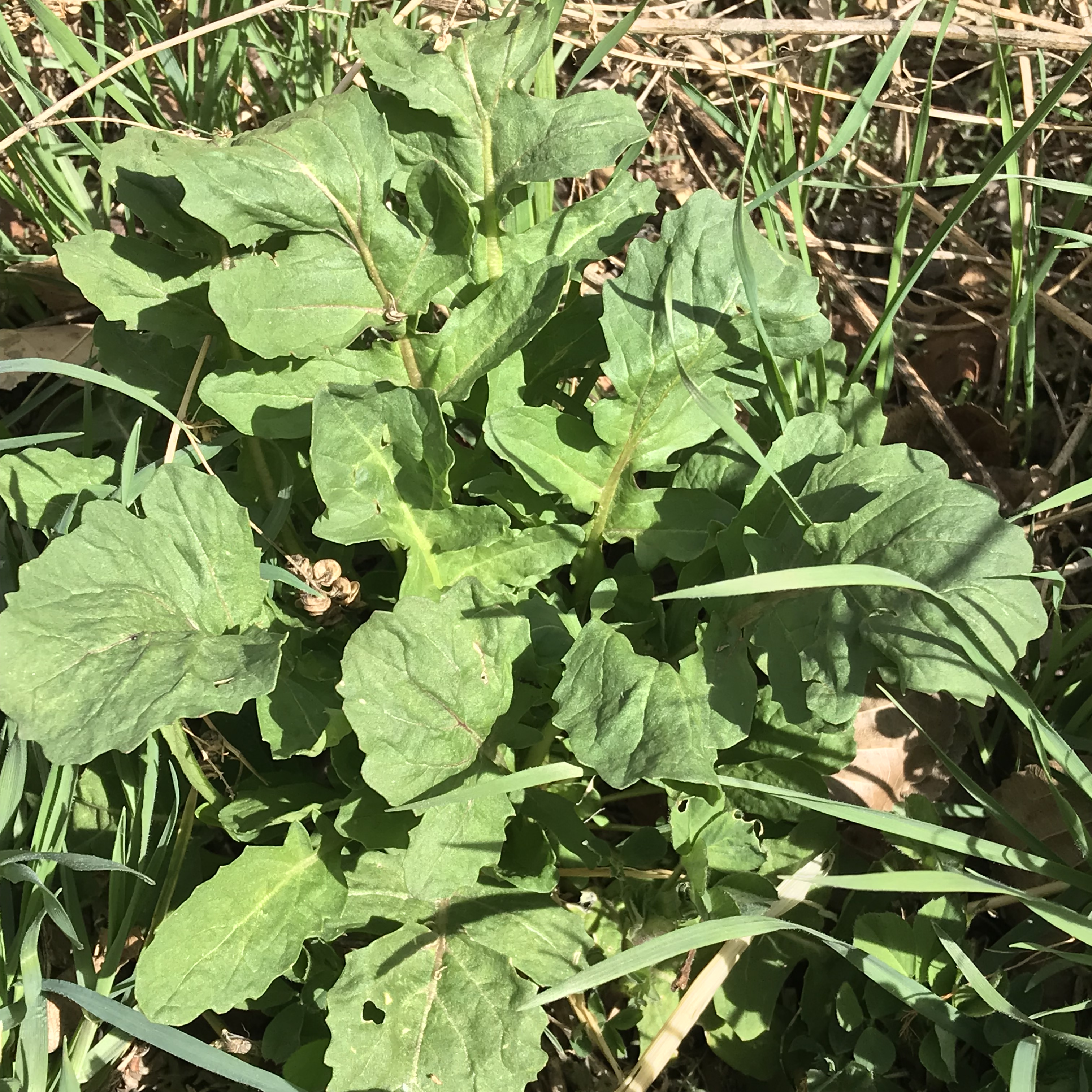
Sow thistle has thick leaves with an intensely green flavor. In some soils I’m told that it’s bitter at all stages, but in my yard it’s mild when young. I don’t have much of it, but enjoy what I have.

Arugula has been allowed to self-seed in my yard for so long that it’s now a common weed. I throw leaves in the rosette stage into salad, and any that get past me produce small white flowers that bees adore.

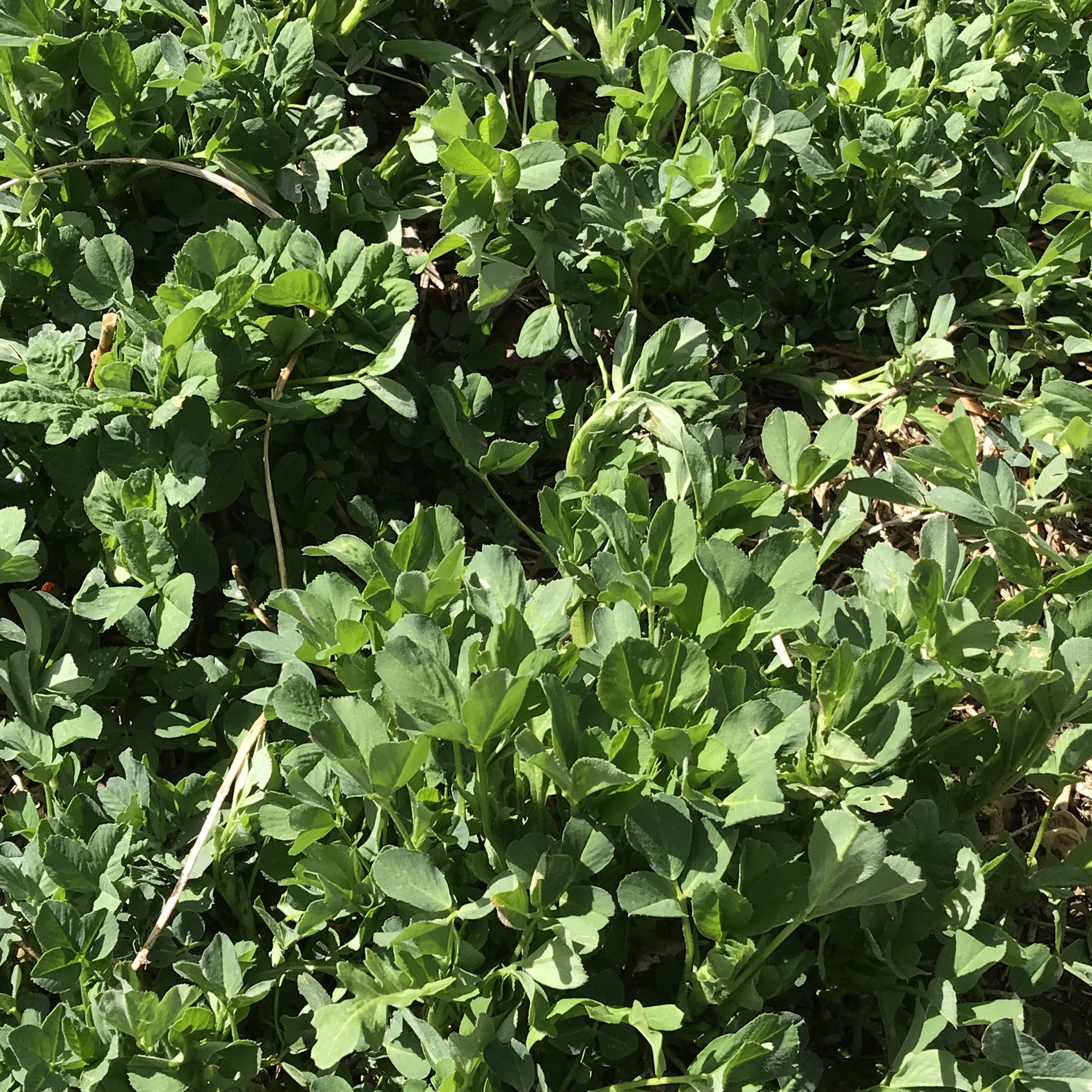
Alfalfa is nobody’s idea of an edible, apparently, but I like a couple of sprigs per serving. I pinch off the top rosette when the first shoots are about 4” high. Only the first growth of early spring is suitable for this use, and no stems.

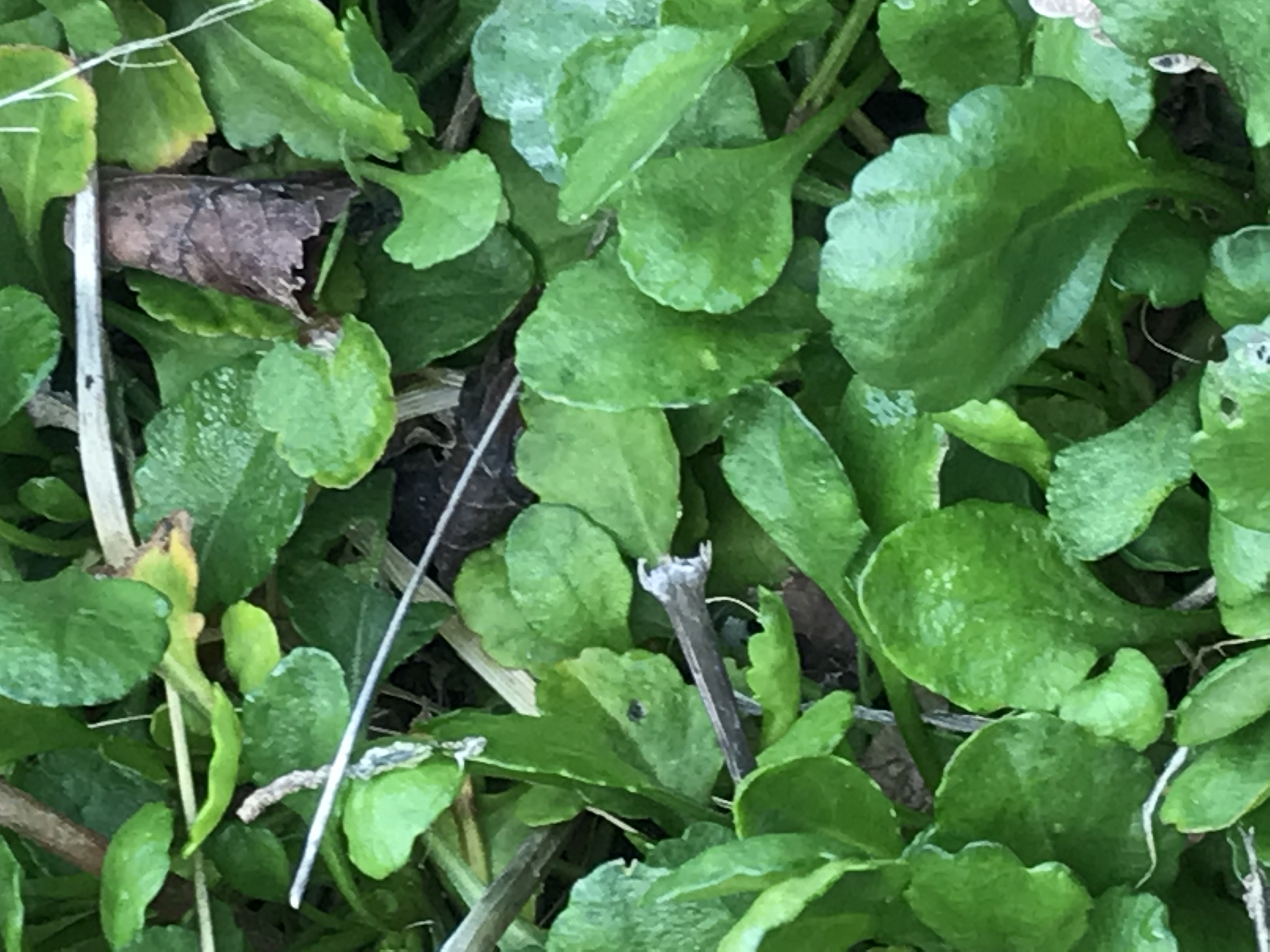
Oxeye daisy delights the bees when it blooms, and the earliest spring shoots delight me in salads. They are tender, sprightly, and vaguely sorrel-like in flavor. I would eat a lot more of them if I had more. I’m putting in a larger patch this spring.

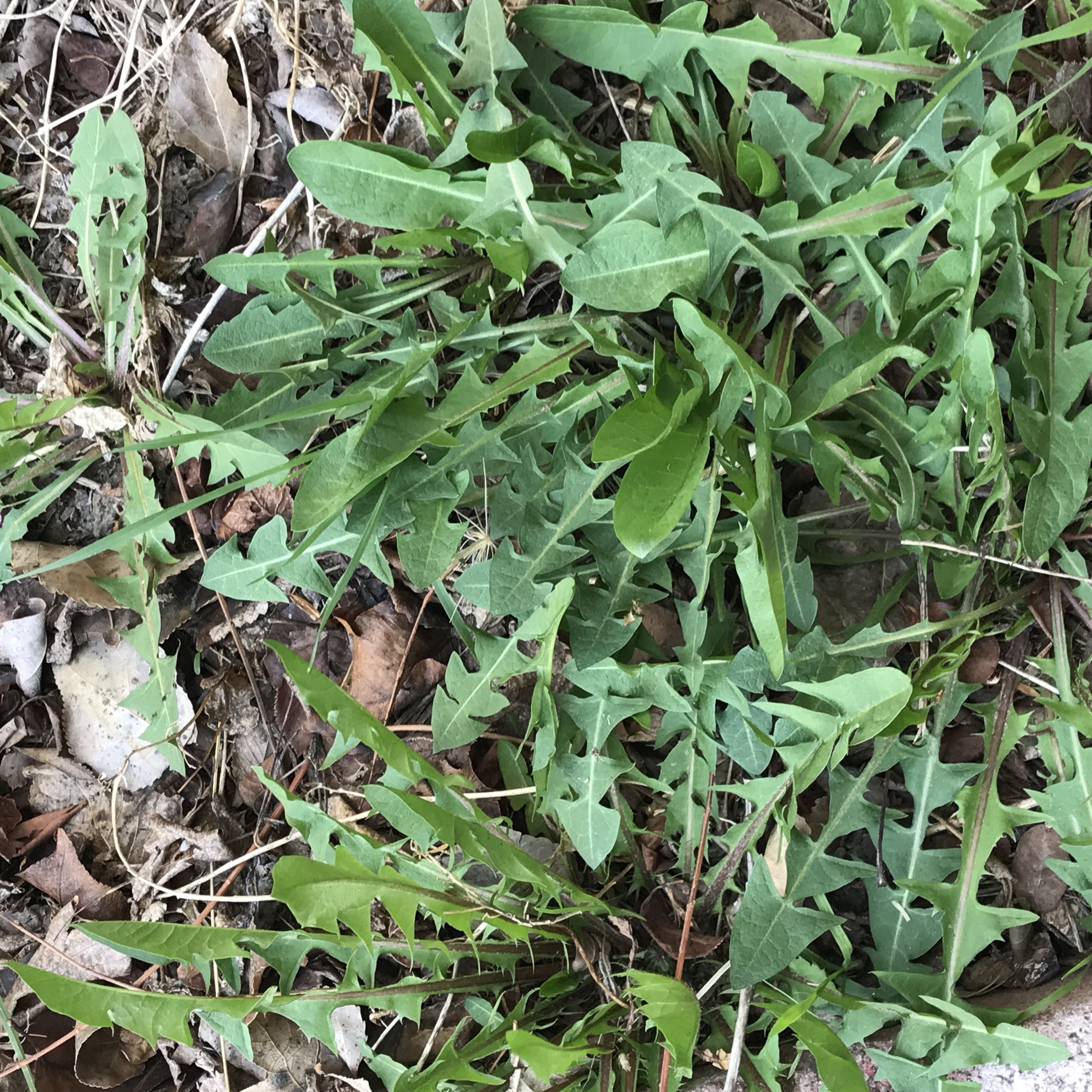
I use dandelions in limited amounts, maybe 10% of the total salad, but I miss them when they aren’t there. Once or twice a season I eat a big salad of pure dandy greens with a garlicky dressing and a side of bacon, but I don’t often have the materials available. Believe it or not, dandelions aren’t common in my area, and the eight plants that I have were started from seed and fussed over like orchids. I let them go to seed, and hope that eventually my yard will be colonized and I can eat dandy salads whenever I crave them.

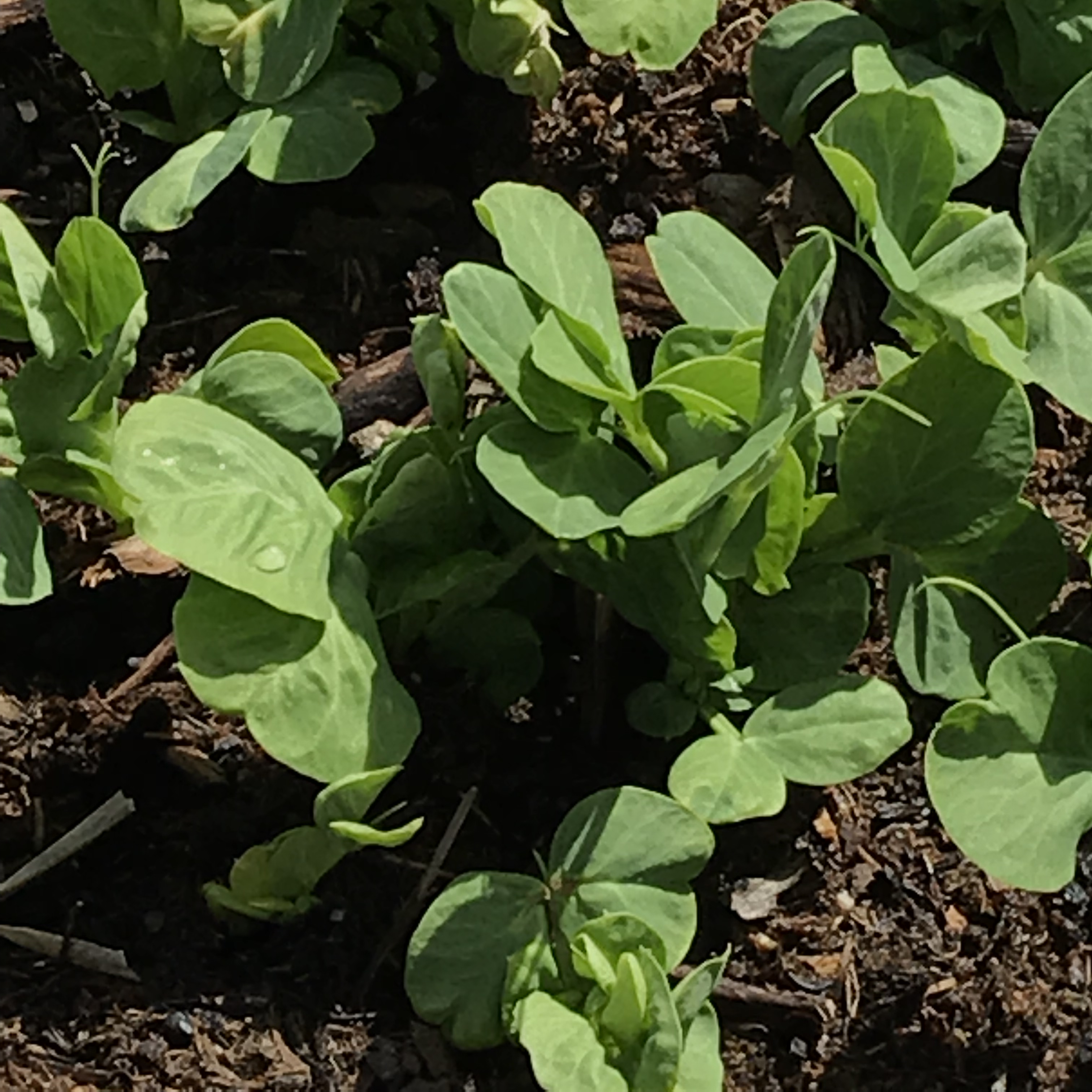
Pea greens are a delicious tender green that really does taste like green peas. I plant my peas very thickly, almost touching in the furrow, and then harvest about half for spring salads, leaving the rest to grow and bear.

Seasonings: these have more distinctive flavors. Don’t be too timid with them though, because the dressing is going to mute them quite a bit.

I grow the sorrel variety called “Perpetual,” which doesn’t go to seed. It has the zingy lemony taste of garden sorrel but has thicker, more tender leaves and is a much smaller, less robust plant. I definitely need more plants of this one.

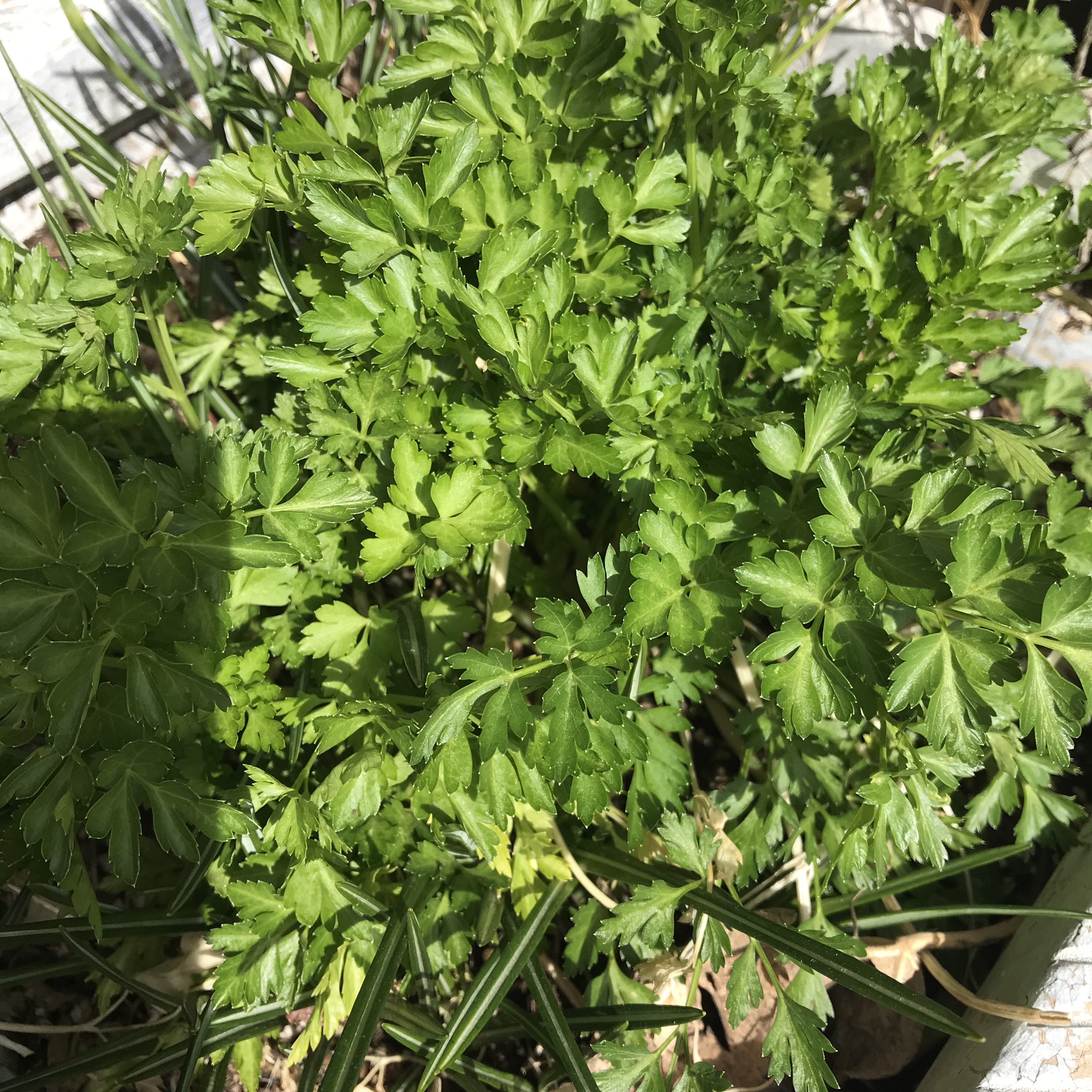
I grow parsley in a semi-permaculture fashion. Planted in spring, I use it all summer and leave it in place in winter. The following spring I get lovely bunches of early leaves to chop over salad and other stuff, and then it shoots to seed and reseeds itself.

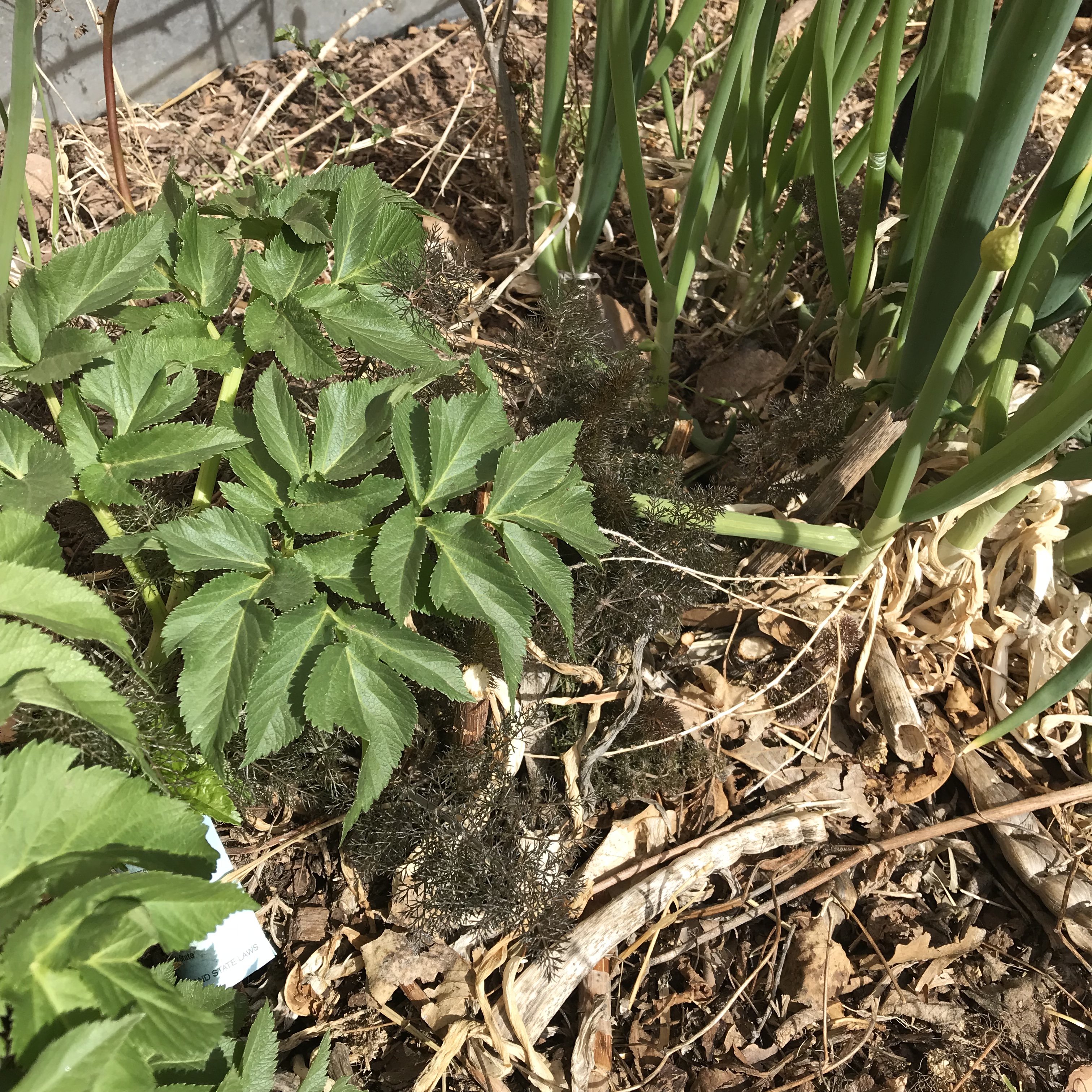
This photo has three of my favorites. To the right are perennial green onions, which I have written about so much that here I’ll just remind you to sliver some into salads. In the center are young shoots of bronze fennel. Later in the year I would chop them up, but at this stage they’re so mild that I just cut each small leaf in 2-3 pieces. To the left is the first spring growth of Angelica archangelica, which I haven’t used until this year. The first tender leaves of spring have strong notes of celery and juniper. I tear them into pieces about an inch across. When they start to get tough, the stems chopped in thin cross-section will give a similar effect.

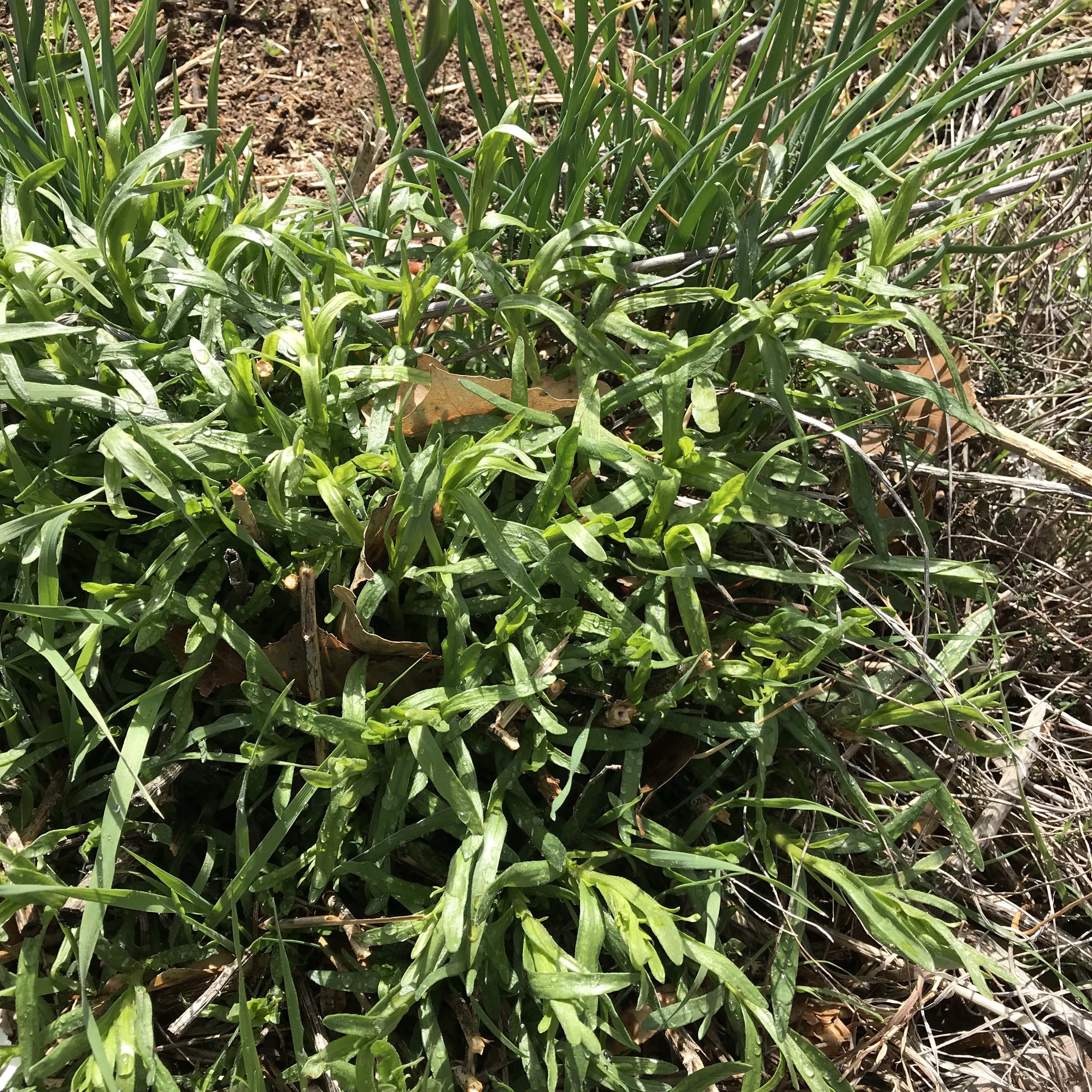
The earliest shoots of French Tarragon add a lovely anise flavor. I pull the new sprigs into individual leaves and toss them in whole.

I have heard people say that each dish or salad should contain only one herb, so as not to “muddy” the flavors. I couldn’t disagree more, and have seldom made a spring salad that didn’t contain at least three. Chopped finely the flavors can muddle up and become undistinguished, but left in large distinct pieces as I use them, they are vivid and impressionistic on the tongue.


Ditch Dinner, with notes on blue mustard

My home area near the Rio Grande has an elaborate venous system of acequias, the irrigation ditches that move water out to farms and fields. Further south, they make local agriculture possible. Even now that my area is urbanized, the ditches are lifeblood. They maintain our water table, and the dirt maintenance roads along them are walking paths where we enjoy fresh air, exercise our canine companions, and encounter our neighbors. For me, there’s an added dimension. They are kept dry in the winter, and the east or south-facing side side of the banks are where the earliest greens appear. By scrambling to the bottom of the dry ditch and walking along the bottom, I can harvest greens growing halfway up the steeply sloping bank, where dogs can’t urinate.

The first plant to appear, often in February, is tumble mustard, also known as London rocket. It is a very hot member of the mustard family, and I don’t much care for it in any form, but the amazing John Slattery can tell you more about its culinary uses: https://www.desertortoisebotanicals.com/blogs/news/urban-foraging-for-london-rocket. Despite my disinterest in it for table use, I gather bushels of it for my chickens, who adore it. Within a couple of weeks I’m gathering eggs with the deep gold carotenoid-packed yolks that I associate with the growing season. So the ditch banks benefit my chickens directly and me indirectly in the earliest weeks of the season.

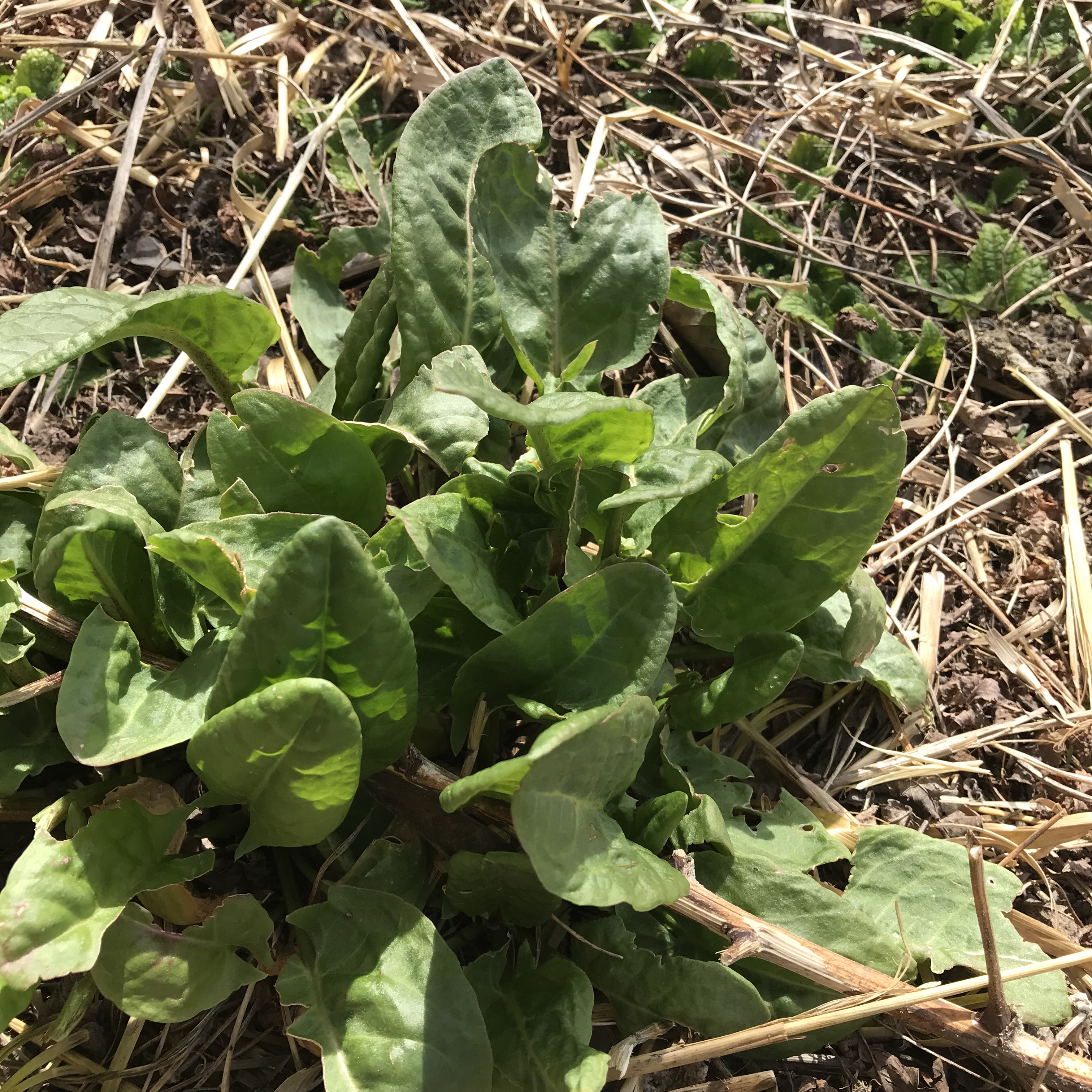
This week the dock plants on the ditch banks have leaves 6-8”long and are ready to harvest. I made a greens cake based on green onions and dock greens, using five eggs and five egg yolks for an 8” square pan. The flavorings were thyme and black oil-cured olives. The cheese was a grass-fed cheddar. It was utterly delicious but needed a side salad to brighten up the plate and provide even more greens. Enter blue mustard.

By this time the banks have large patches of blue mustard, Chorispora tenella. It’s shown above in flower, which is when you are most likely to recognize it for the first time. I haven’t seen it in foraging books and I have no clue why, because it’s delicious. The young leaves and stems are tender when gathered less than 6-8” high, and have a delightful tiny nip of the characteristic mustard flavor without getting carried away. They are fine cooked but lose their character. Salad is the way to go. Look for dense patches where the plants are shading each other’s stems, and cut off the top 3” with scissors. If the plant is forming buds it is past its tender best and should be left to seed itself for next year. Wash and dry your blue mustard, combine with a few other mild tender shoots ( I used bladder campion shoots,) dress with a good red wine vinaigrette, and dinner is served.

I have moved some blue mustard into my yard too, which germinates later than the acequia population and extends the season a little. It’s pretty in the blooming stage but gets weedy and unattractive when forming seed pods. This is one for the weed patch, not the front yard.


Spring Alliums

Green onions and green garlic are always the first food to show up in my yard. My onions are the Egyptian and produce hugely with no input from me. In fact, they are becoming a weed in places and need to be dug out. But I would hate to be without them.

Green garlic of the ultra-early Chinese Pink variety is ready at about the same time. I plant plenty the previous fall and plan to eat most of it green, on grounds that I can always buy organic garlic bulbs if needed but can’t get good green garlic anywhere but my own yard.  Most of the green garlic that I have seen in stores and farmers market has been overly mature and well past its best. When it is young and tender, you can eat everything up to the leaf tips. Just peel off the lowest leaf and the outside layer of the stalk and you are ready to go.

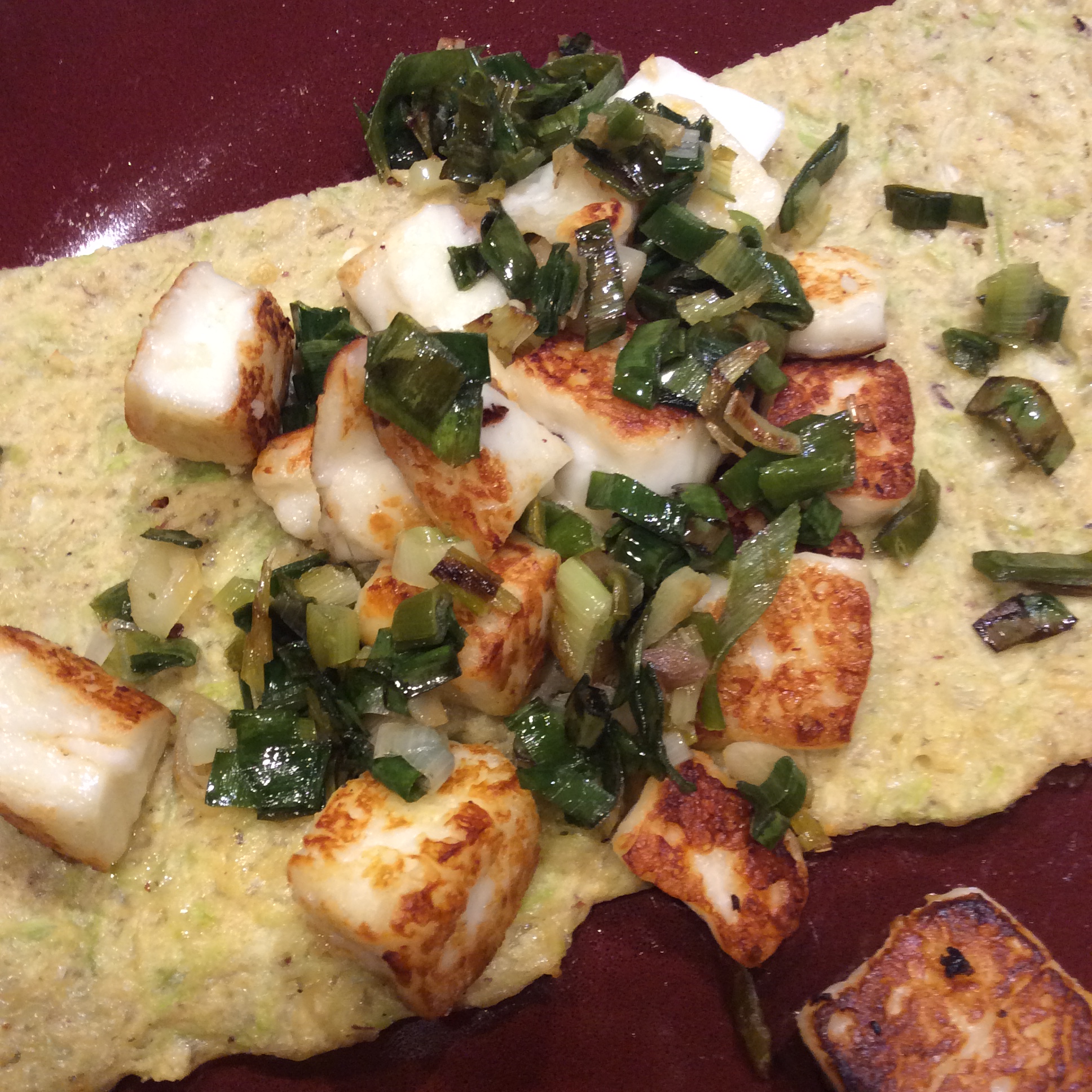
Green onions and green garlic can be cooked the same way, and I  usually cook them together. Slice the stalks in quarter inch cross section and sauté them with a little salt and butter or olive oil for about five minutes, add the leaves also sliced in quarter inch cross section, and sauté until the leaves are tender and done. Taste for salt, and you can eat your allium mix as is or add it to other dishes. It’s good with scrambled eggs or in an omelet with a little cheese, and makes a good side dish for many, if not most, main dishes. It’s great on pita with  some pan-grilled halloumi. It can be the basis for a horta of mixed greens. It’s full of allicin and other benefits, but I make it because it tastes good.