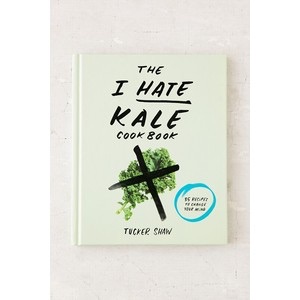
As much as I love lengthy and pontifical books about food, and glorious pictures that make me faint with hunger, there is room in my heart for small practical cookbooks with no frills and good recipes. Tucker Shaw’s I Hate Kale Cookbook is such a book. If you are an aspiring greens-eater, or even if you’re already pretty damn good at it, this book will help you eat more kale. There are useful tips for dealing with its special texture and 35 basic recipes that work, from which you can spin endless variations. In strict point of fact I would say that some are techniques rather than recipes, but never mind if they get more superfood down the hatch. Right about now, when the kale looms large in the garden and farmer’s market stalls are solid green, you need this book.
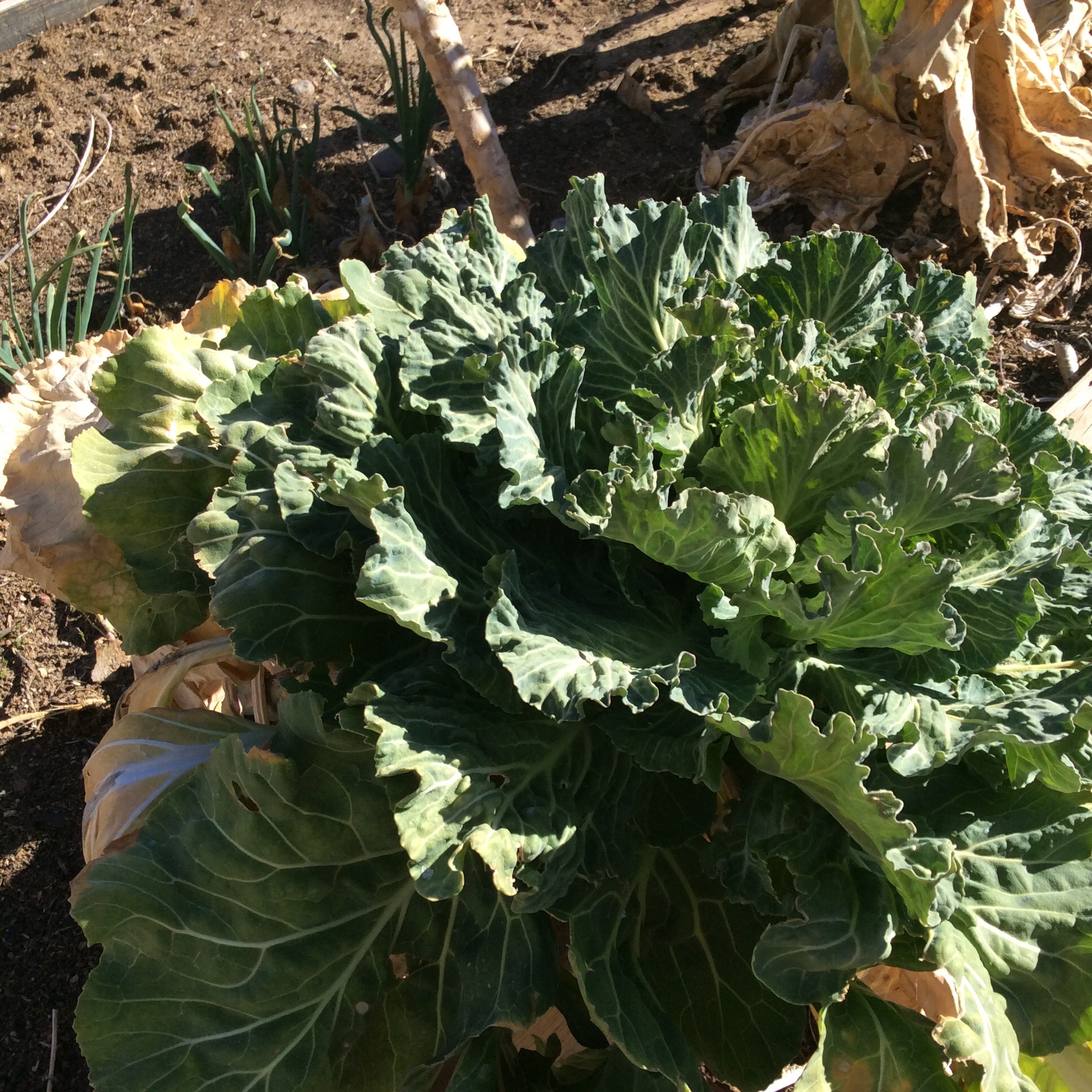
Shown above is the early spring growth of Portugese kale, also known as tronchuda. If you are going to have kale all summer and fall and again in the spring, you will need versatile recipes.
Archive for the ‘vegetable gardening’ Category
20 Jun
The I Hate Kale Cookbook
20 Jun
Seasonal Reminder:Tarragon
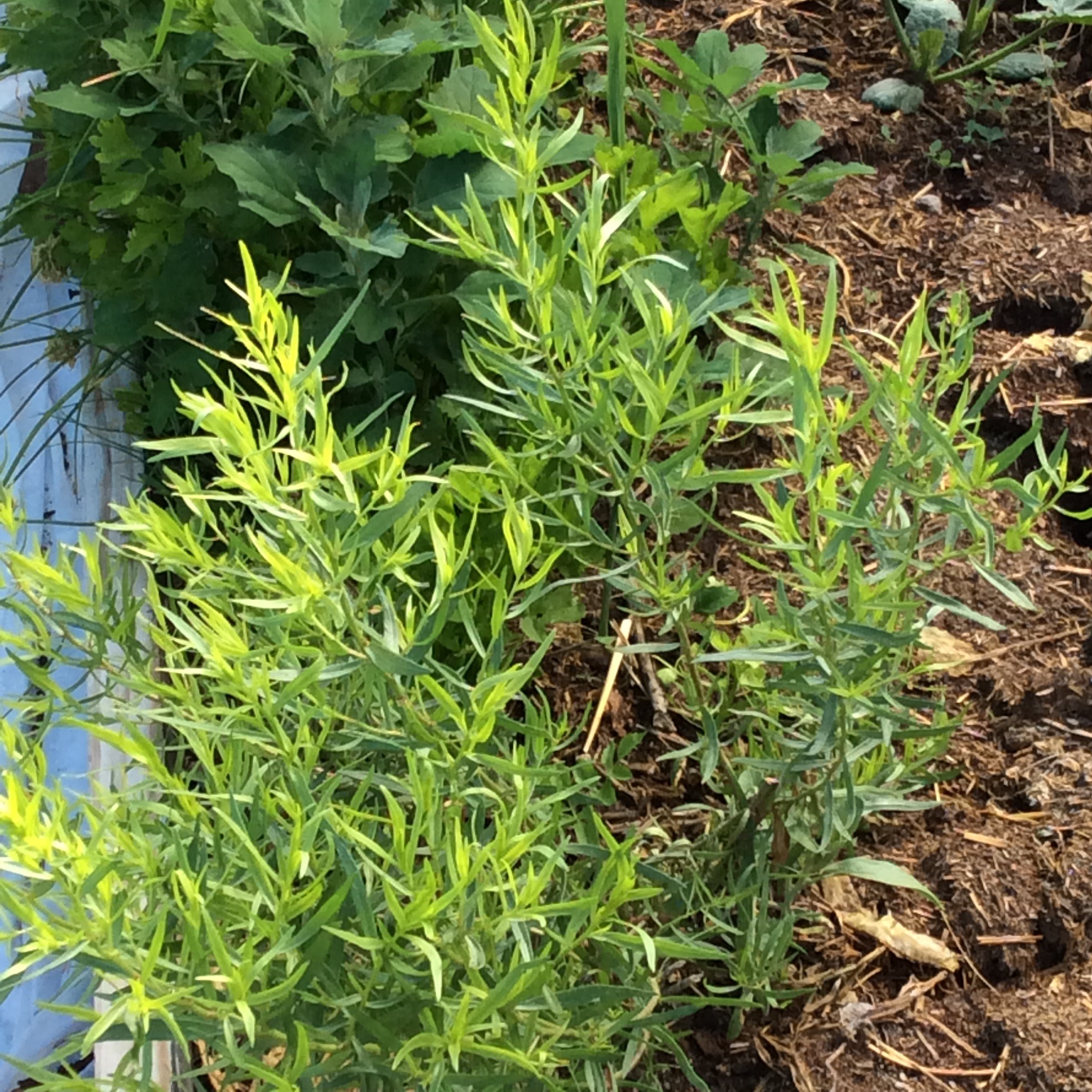
Tarragon is at its beautiful peak in my garden, and if you have a goodly bush of it yourself, don’t forget to fill a jar with sprigs and cover with wine vinegar so that your salads next winter will carry that delicious flavor. Your own red wine vinegar is preferable but any good grade of wine vinegar will do. If you don’t already have a favorite vinaigrette recipe, try my Opinionated Vinaigrette.
19 Jun
Crazy Salad
“‘Tis certain that fine women eat
A crazy salad with their meat…” Yeats
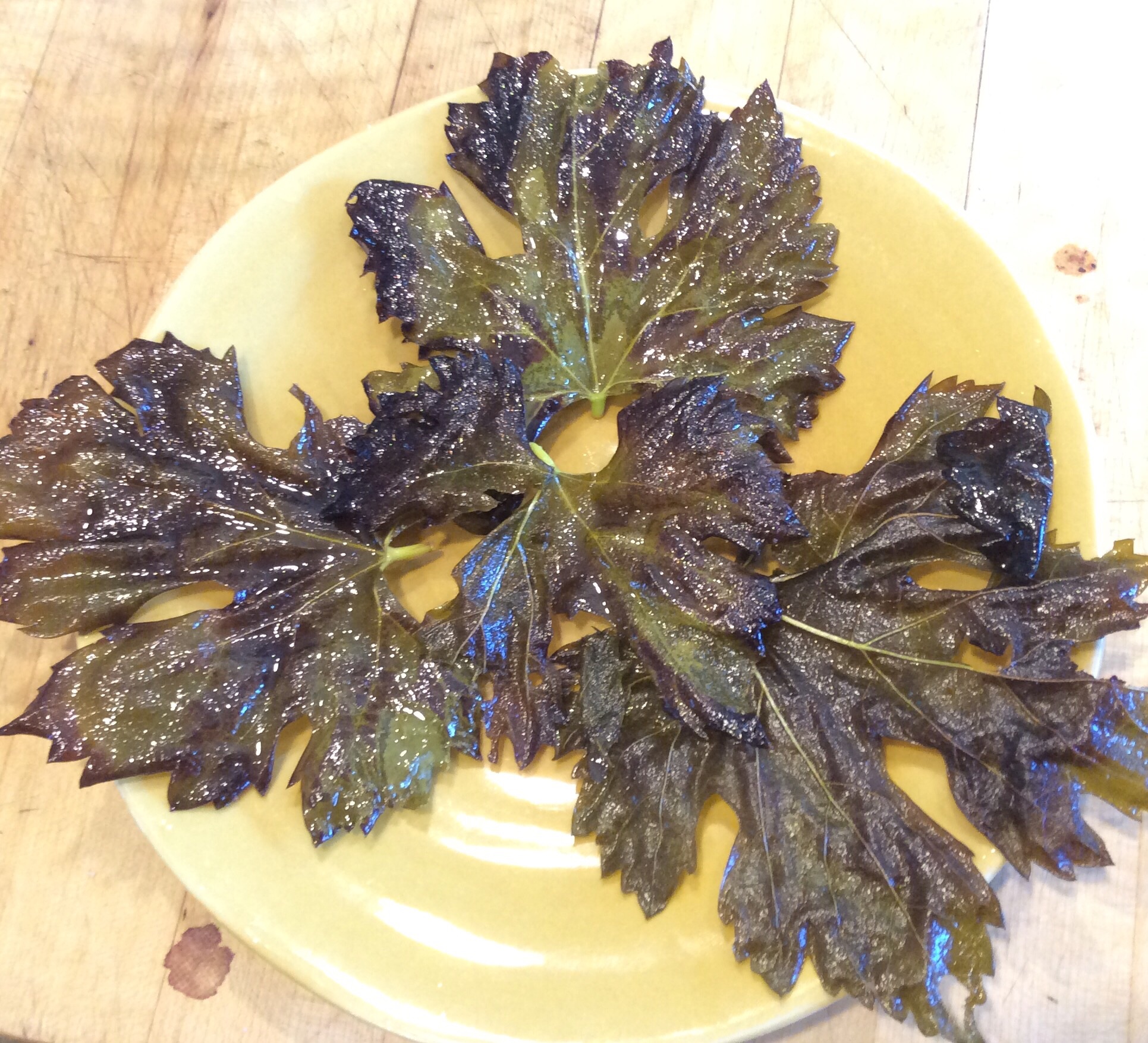
And so they do, sometimes crazier than others. The one shown above is one of my weirdest so far, and I thoroughly enjoyed it.
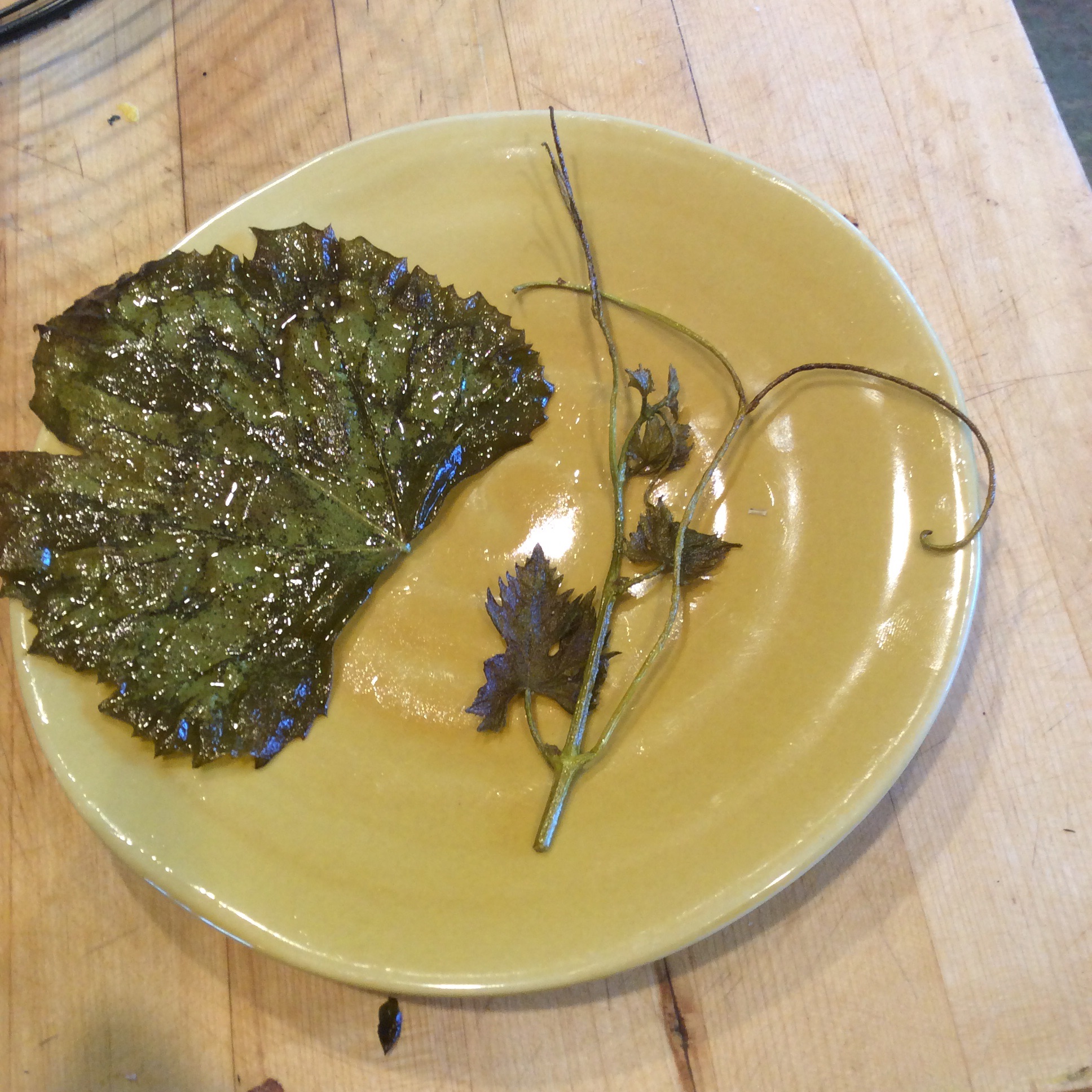
When cooking dolmas recently I felt the need for a Cook’s Treat, and there were some nice grape leaves left over that I had no other immediate use for. I heated my little 6″ skillet over medium heat and, when hot, brushed a grape leaf generously with good olive oil on both sides and put it flat in the hot pan, pressing down a bit with a spatula to make sure the leaf cooked evenly. Flip and repeat. Put on a paper towel and sprinkle with salt. If the heat is right, the leaf will cook in about 20 seconds or less per side, will be darkly browned in spots but not blackened anywhere, and will be crisp as an ultra-thin potato chip, with a light, delicate crunch and a hint of lemony-sorrel flavor. Have at least 3-4 extra leaves to get the heat right, but once the heat is adjusted, you can make and plate a serving in a couple of minutes. It is easy to do for two but would be fiddly for four. I like to oil all the leaves at once and then have nothing but the frying to concenrate on.
Why do it? Well, it’s different and it tastes good, at least if you like grape leaves and olive oil. The texture and flavor are not quite like anything else, and pleasant novel experiences delight me even when they’re minor. I can imagine a more substantial meze made by adding delicately spiced little fried meatballs to the plate. Little cubes of marinated feta would be another option.
Incidentally, the grape leaves that you use must be suitable for cooking. Please see my notes from my dolmas post on choosing grape leaves for cooking. A grape leaf that has papery unchewable fibers when raw will chew like a fried paper bag when fried.
I also tried frying a pruned tendril. The stemmy part was tough chewing. It looked charming in a rather baroque way, but probably should be considered a garnish rather than part of the Crazy Salad. That said, I ate mine.
18 Jun
Unexpected Dolmas, and Notes on Grape Leaves
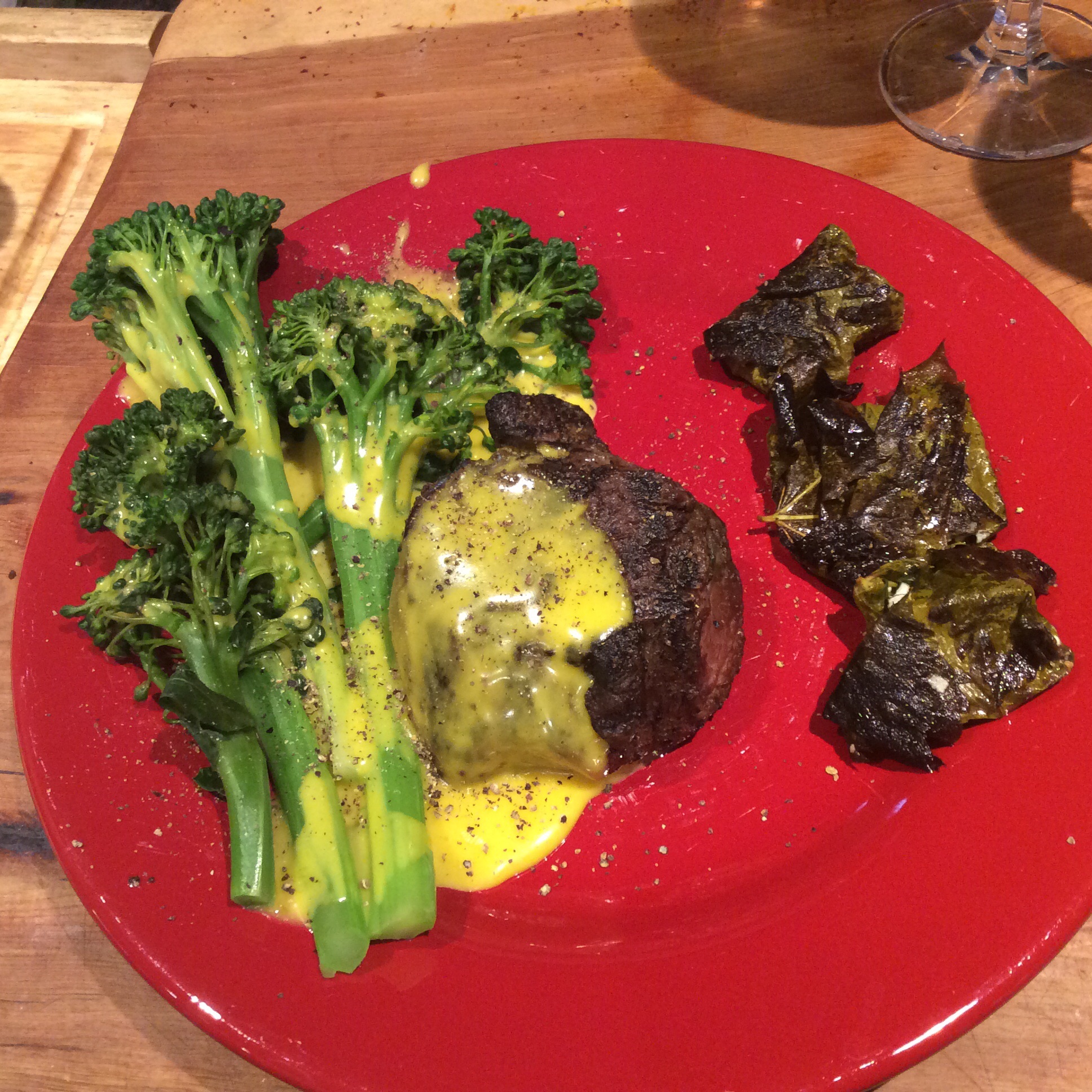
The tiny dolmas that you see on the edge of the plate above were never meant to be a post; they were meant to be a sort of amuse-bouche incorporated onto the main plate. But they were so delicious that I ended up writing about them.
They are simplicity itself. For two servings, start with eight fresh grape leaves, chosen according to the notes below. You pull a splendid chunk of Mount Vikos feta out of its wrapper, or if you have a really good locally made feta, you drain a goodly chunk of it and cut slices about half an inch thick and 1 1/2 inches long, or smaller depending on the size of your grape leaves. You need eight slices. Center each slice on a grape leaf, put a large pinch of chopped dill or chopped fresh fennel on top, and roll up the dolmas. The fresh leaves are a bit stiff and you will have to coax them. Heat up a nonstick ceramic skillet, and when it’s good and hot put in about 3 tablespoons of good olive oil. After a few seconds for the oil to heat, put in the dolmas with the last fold downward, to hold it in place. Fry until browned but not blackened, flip, and brown the other side. Serve. Eat. Simple as that. I can’t help noticing that these would make a great Cook’s Treat, a meze for one, eaten standing while working on other aspects of a large meal.
Now, about catching your grape leaves. I don’t know why some are tender and tart and others are papery and unchewable, but I do know that it’s imperative to taste a leaf from the plant before you try to use them in cooking. I have two wine grape vines, a Syrah and a merlot, that have delicious leaves even when they have been on the vine a while, and a Concord that has totally inedible leaves even when tried very young. But I have tasted wine grape leaves that were awful, so taste your own vine or the vine that you have (legal) access to. If the leaf chews up without much of a problem, you are good to go. If you are left chewing something that feels like a papery candy wrapper to the teeth, no skill on the cook’s part will overcome this and you are better off with commercial brined grape leaves.
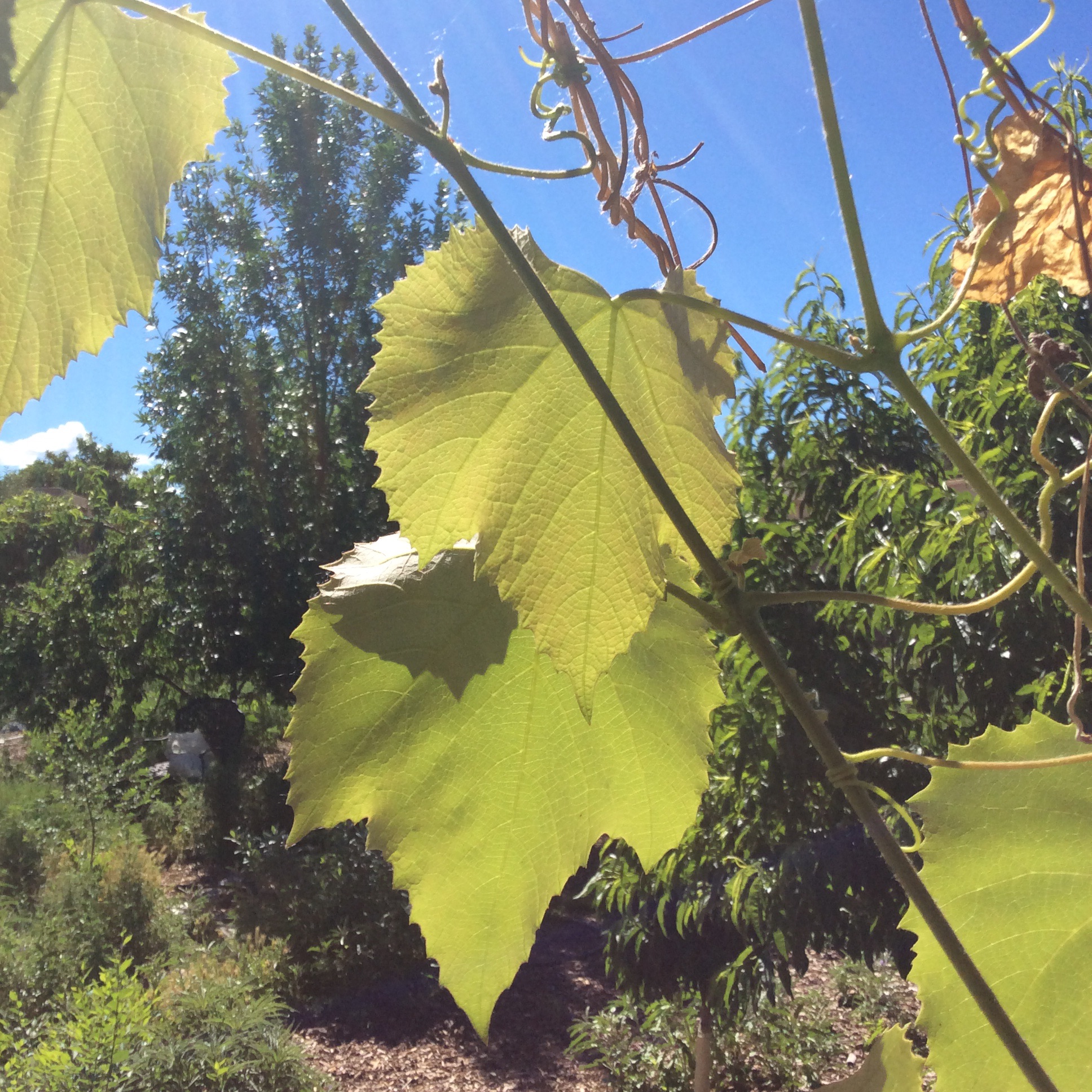
These are the leaves of my Concord vine, and they look perfect for stuffing, but don’t try to eat them unless you want an impaction.
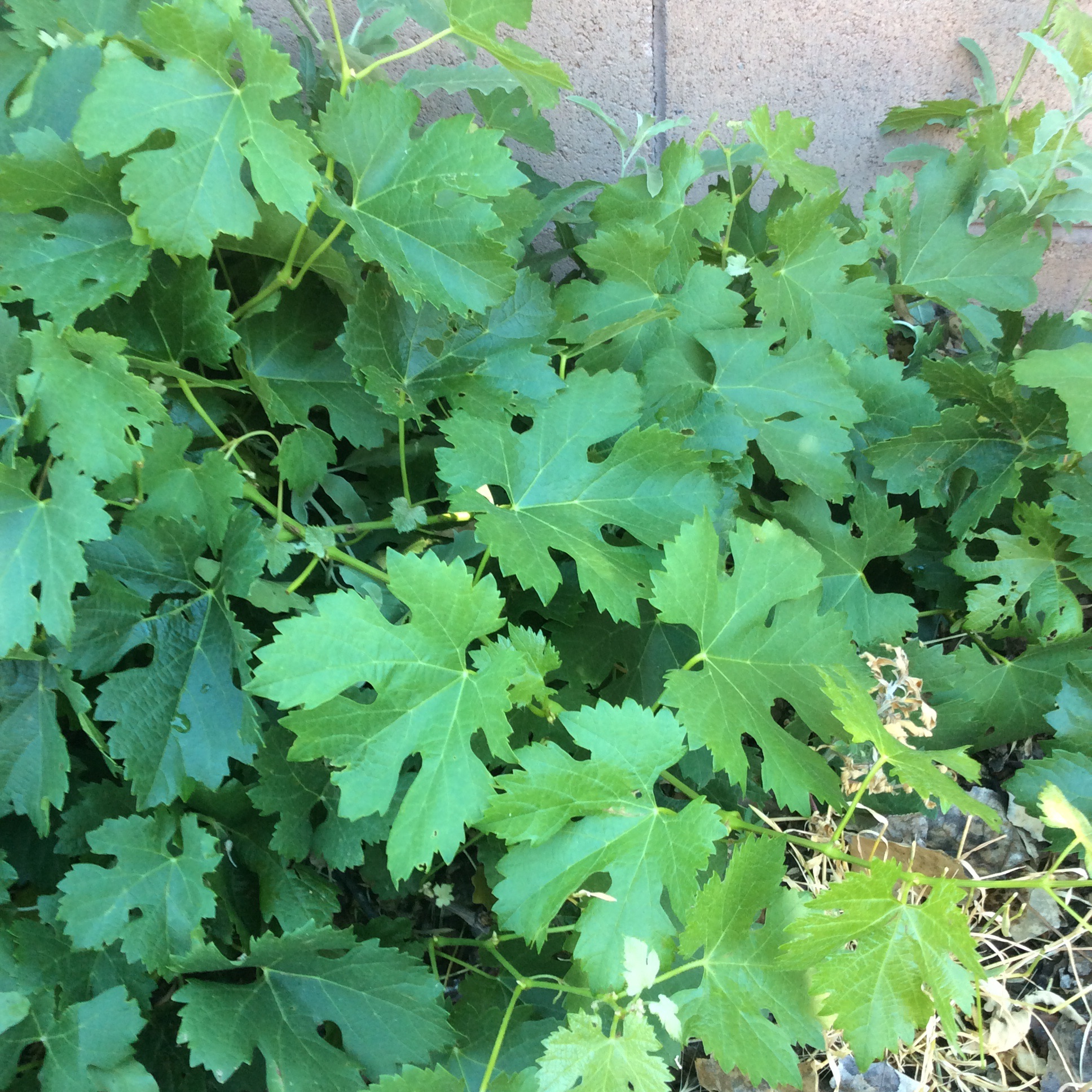
These are the leaves of my Syrah grape, and they look too deeply lobed to cook with, but they are tender and sorrel-sprightly to eat.
 My urban homestead