Archive for the ‘Vegetable dinners’ Category

Wild Mushroom Experiments


No, not that kind of mushroom and not that kind of experiment. I have been reading a wonderful new book, chef Chad Hyatt’s The Mushroom Hunter’s Kitchen, and it has led to compulsive kitchen experimenting. Hyatt writes about porcini, morels, and the other “premium” mushrooms, but also about more common mushrooms that you never encounter in upscale restaurants but might find a bagful of if you’re a mushroom hunter. He suggests substitutes where appropriate and encourages a lot of experimentation. He has me adding cooked ground black trumpet mushrooms to my umami sauce, and I’m especially interested by his mushroom leathers, in one case made from the Sullius mushroom genus that I no longer harvest because I dislike the texture so much. This makes the despised  mushroom sound worthy of a place in the take-home basket.

I happen to have a lot of lobster mushrooms in the freezer, because they are beautiful and plentiful and I can never resist harvesting them when I find them, but the unfortunate truth is that to my palate they have very little flavor at all. I love hummus, and as a low-carb person I can’t eat it often, so I was interested by Hyatt’s recipe for hummus made from salted mushrooms. I don’t have any salted mushrooms at hand currently, but I certainly do have lobsters.  They were sautéed in olive oil before freezing, and I decided to thaw a bag and try a recipe based on Hyatt’s. The lobsters went in the food processor, about 2 cups of them, with 1/4 cup of tahini, the juice of two small lemons, two cloves of raw garlic, and some additional olive oil. After a few minutes of processing and adding salt to taste, the taste was good but the texture and mouth feel were not at all what I wanted.  I moved the somewhat grainy lumpy mixture out of the processor and into my Vitamix blender, added more olive oil so that the mixture would blend, and blended it on the high setting, stirring the contents down a couple of times.   The texture was now exactly what I wanted, not totally smooth like baby food but with a texture much like chickpea hummus.  Dolloped into a bowl, sprinkled with ground chipotle chilies rather than the more traditional sumac, and garnished with chopped cilantro, it made a delicious spread. I should add that Hyatt calls for less olive oil than I ended up using, although I didn’t measure precisely.  I love the taste of top quality olive oil and lobster mushrooms have little natural flavor of their own, so for me this was a natural adjustment to make.

This first very successful experiment has me reading the book with renewed interest.  It can be rather painful to read mushroom books out of season, when there is no way to go out and find the mushrooms, but most of us who hunt mushrooms have a lot of frozen or dried  mushrooms from past successful hunts, and this can help us get busy and get them out of the pantry or freezer.  Also, specialty grocery stores have much larger selections than they used to. The last time I was in Whole Foods, I counted seven varieties of fresh mushrooms.  Buying those hideously expensive little packets of dried mushrooms from the grocery store is not really an option if you want mushrooms in bulk, but you can buy bulk dried mushrooms from several sources.  I usually use Oregon Mushrooms or buy from private foragers when I want to augment my pantry supply. By the way, know your forager. Not every forager should be trusted blindly.

In short, if you like to eat mushrooms at all, I highly recommend Hyatt’s book, whether or not you are a mushroom hunter. His creativity is wonderful.   For example, there is an entire chapter of mushroom desserts.  This is not a category of possibilities that I ever gave the faintest thought to, but the recipes look really good and seem designed to get cooks thinking. And this, to me, is the hallmark of a really successful cookbook. A good cookbook may give me a few recipes that I use verbatim, but it’s more important that it gets me excited about the endless vagaries of food and leaves me feeling that there are more possibilities than I’ve considered. Lifting simple nourishment and avoidance of starvation to an art form is what cooks do, and a good cookbook can get us very jazzed about doing it.

Keep in mind that the book has some very useful notes about lesser-known edibles but is a cookbook, not a foraging book. You will still need a field guide (and some good teachers) if you’re new to the sport.

Hyatt is selling his book directly, in both hard copy and ebook format, at the link above. As always, I don’t accept review copies. Books that I review are bought at the price that you will pay. This one is worth every penny.

Broccoli Heaven

This year I made a real effort to have broccoli, my favorite vegetable, available in larger quantities than I could eat at once.  Every year I hope to have some to freeze, and every year I gobble it all up as soon as it is ready.  But this year I did succeed, by putting in 12 plants in late May that would mature after my earliest planting, and mature more or less all at the same time  so that I couldn’t just hog it all at once in one giant broccoli orgy.

Broccoli is a very heavy feeder, and when it is a bit established I pile a heavy mulch of alfalfa and a little chicken manure all around the base, a few inches back from the stem. This conserves moisture and provides nutrients in a steady fashion throughout the growing season, allowing my broccoli heads to get as big as 12” across.

The result is that my refrigerator is crammed with broccoli right now, with more sitting around or out in the garden waiting to be brought in. This is my idea of a really wonderful problem to have.

As far as what to do with broccoli, there is no question that roasting is my favorite technique.  Here is an excellent basic recipe, which is very similar to the way I do it, and there are endless variations that you can dream up on your own. This is, in my opinion, too good to be a side dish and deserves to be the very center of the table, but certainly it goes well alongside a steak, roasted chicken, or just about anything else you could name.  If you aren’t sure what else to do with broccoli, the wonderful food 52 site has great recipes and is worth a browse.

https://food52.com/recipes/21828-parmesan-crusted-broccoli

As far as health questions go, I think that green vegetables are vitally important to a long and healthy life. There is now a small dietary movement favoring pure carnivory, and the wacko fringe elements of that group believe that eating green vegetables will probably kill you.  It is my view that this completely ignores the demographic data that all the healthiest and longest lived populations in the world eat plenty of green vegetables.  So make your own decisions, but don’t ignore the data. Here’s one study:

https://www.ncbi.nlm.nih.gov/pubmed/29739681

And one specifically on ovarian cancer:

https://www.ncbi.nlm.nih.gov/pubmed/29693426

I won’t make extravagant claims for cruciferous vegetables, but it is at least clear from the data that they certainly won’t kill you.


Another Quickie


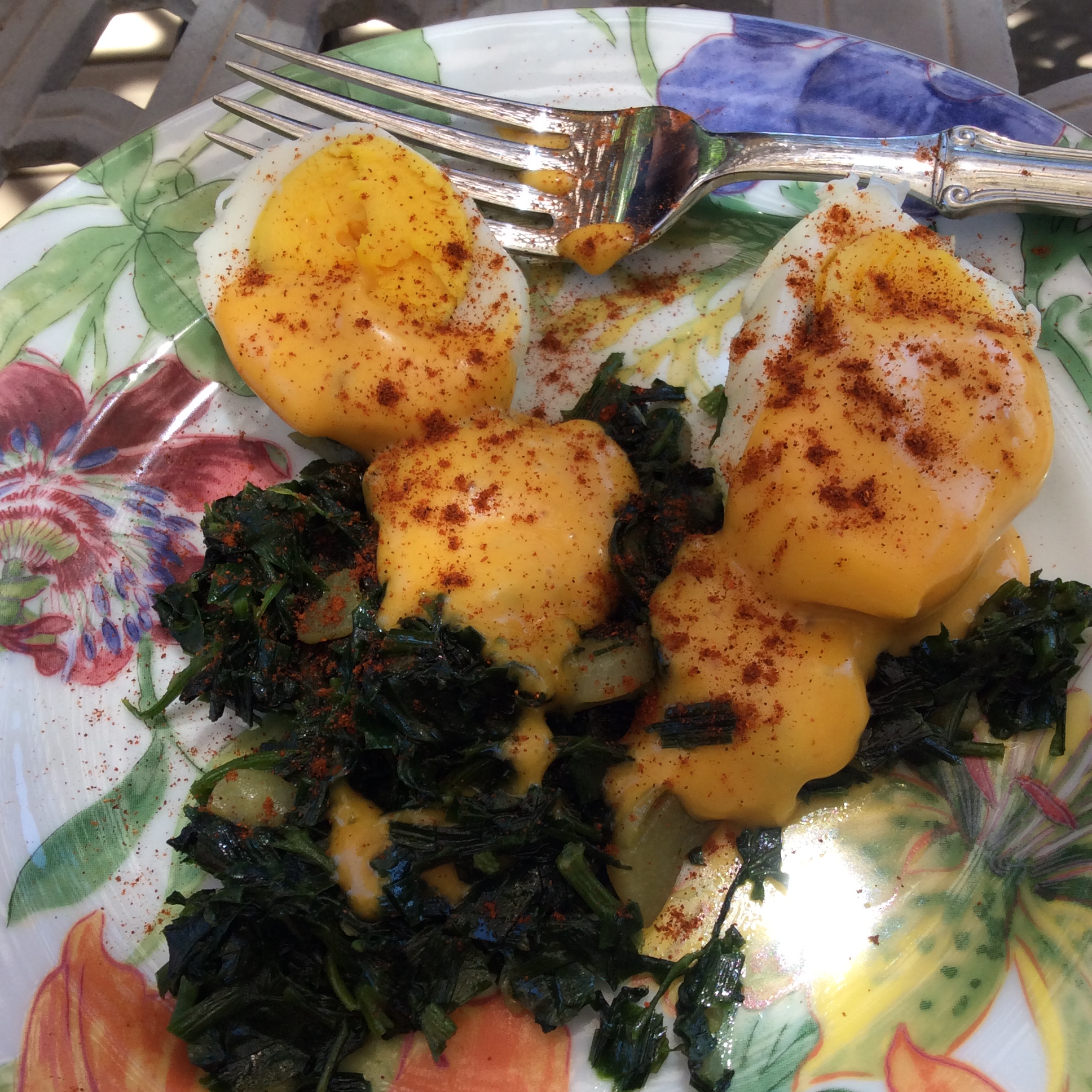
Yesterday I wrote about a quick light snack/meal made mostly from stored staples and fresh greens, and today it happened again that we weren’t terribly hungry at lunchtime but wanted something healthy and good. It was the work of ten minutes to chop up some lambs-quarters tops and a clove of garlic and sauté them with some salt while I peeled a few hard-boiled eggs out of the refrigerator. If you don’t have any already hard boiled, you can cook the number you want and chill them in ice water and eat them still velvety-warm in the center, which is delicious.

The finishing touch for the dish is a good glop of Mayonaisse. I make my own with the glorious deep orange yolks of greens-fed chickens and a mixture of olive oil and avocado oil. With a little salt and lemon juice and seasoning of your choice, its creamy unctuousness is quite superb and elevates a commonplace snack into something special. This particular batch was seasoned with some puréed canned chipotles in adobo, and finished with a sprinkle of ground chipotles.

Green leaves are the most active and extraordinary solar collectors in the world, and ideally they nourish you directly and nourish any animals that you eat. If you don’t want to garden or don’t have space, there is probably some foragable lambsquarters not too far away. You will invariably eat more greens if you make it convenient for yourself to eat them. Washing and cleaning them before they go in the refrigerator helps a lot, and sautéing them lightly before they hit the fridge can be even better. Better to compost some that you don’t use in time than to not eat them because they aren’t ready and waiting for you.

Spring Egg Yolks

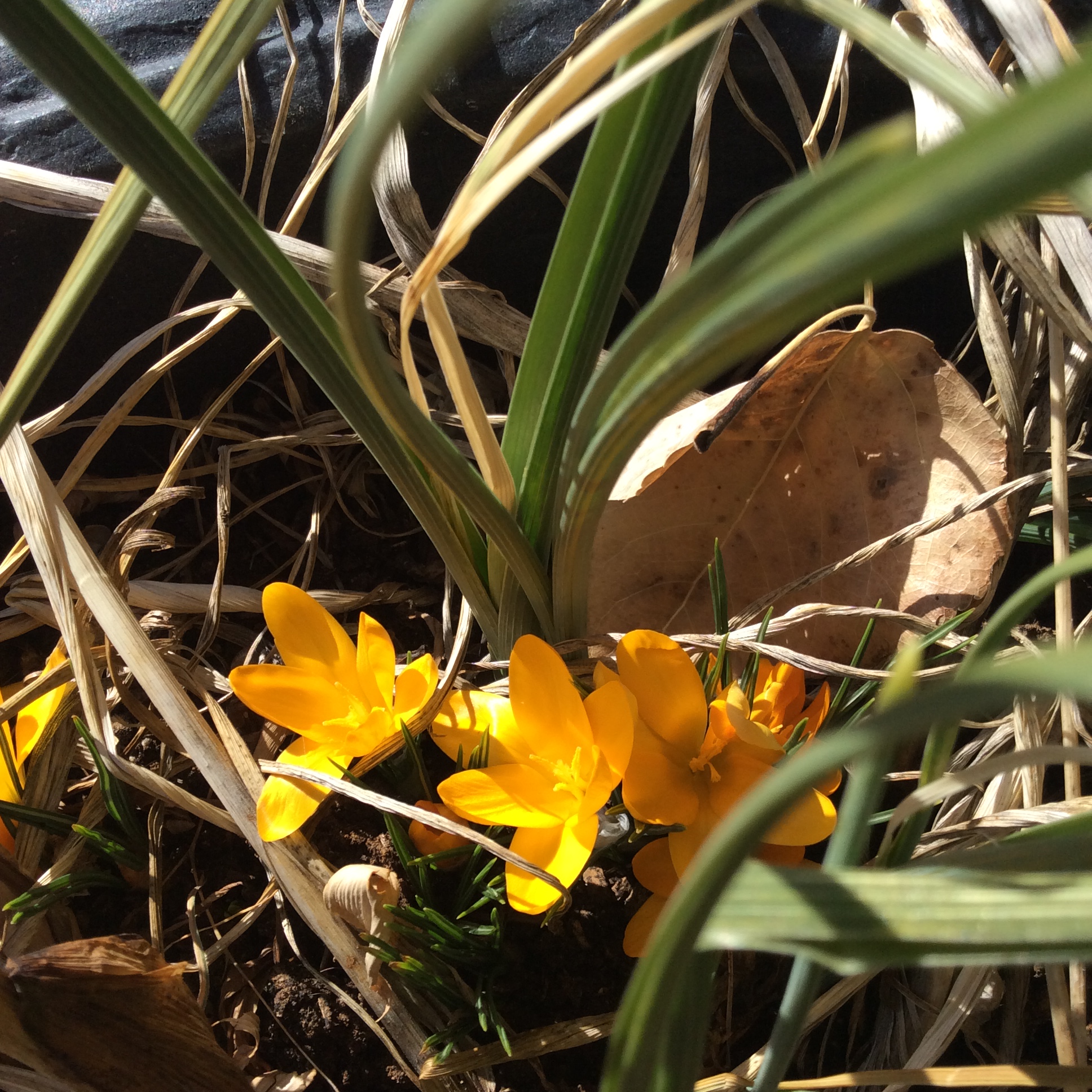
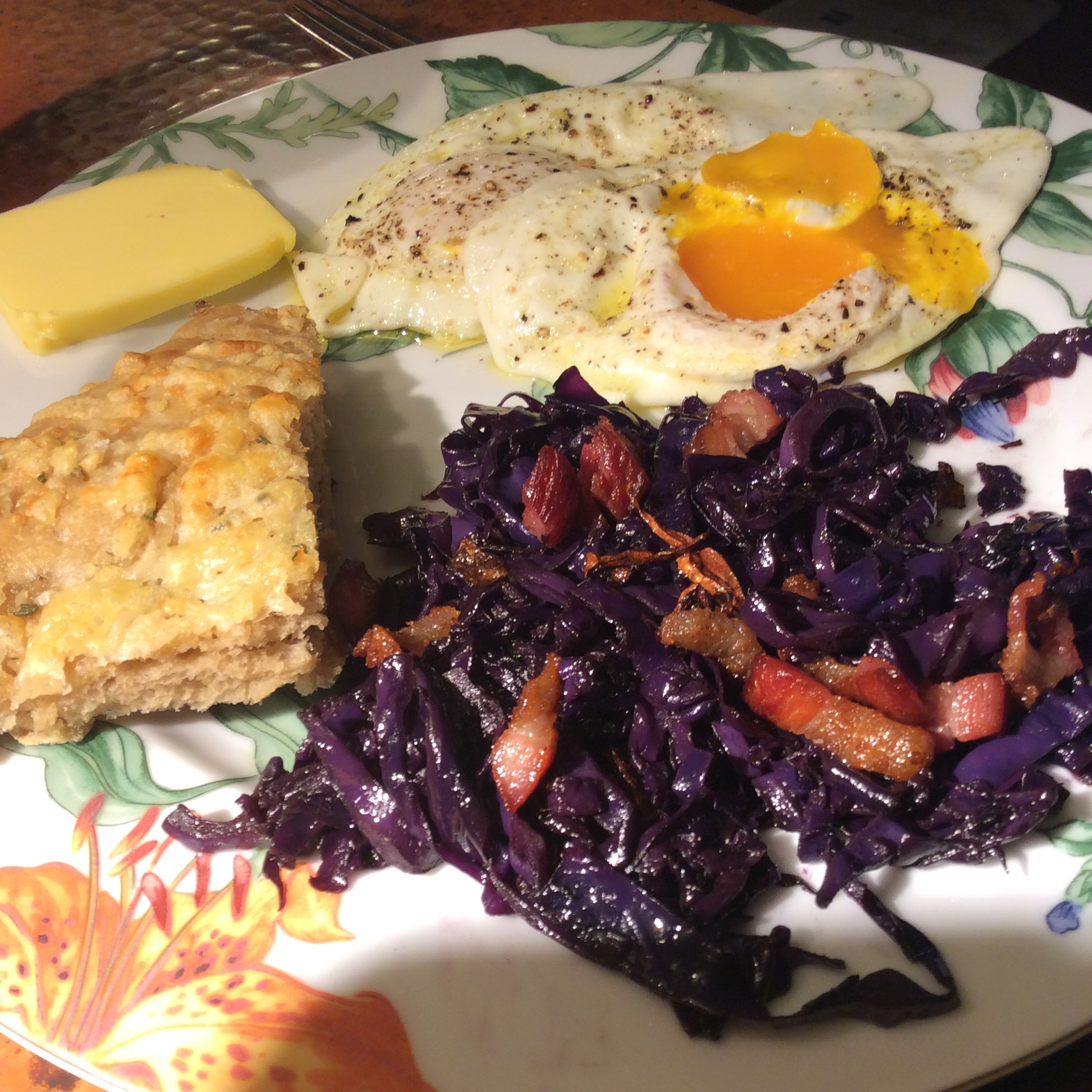
During the longest nights my laying hens take a rest, and if I want eggs I have to buy them at the Co-op. This is probably a good thing, because it keeps me aware that even the best winter eggs from local farmers aren’t as good as the glorious golden-yolked beauties that my hens start to lay in February. Greens and flaxseed make the yolks full of omega-3s  and carotenoids. The effort of keeping enough greens going under frost blankets to supply the chickens as well as my own kitchen really pays off now. Later on in the spring they will lay like crazy and I’ll have eggs to share and I’ll be making profligate dishes like low-carb cheesecake, which involves 16 egg yolks. But when the first tiny golden crocus crysanthus blooms in February, I begin to get the first few treasured eggs, with yolks of the same gold as the crocuses. For now, I get a couple of eggs a day and every one is cherished. Even low-carb bread becomes something wonderful when dipped into a rich creamy fried egg yolk. As far as I’m concerned, top-notch fried eggs go with everything, and I love a plate of cooked veggies and fried eggs for dinner. A fried egg or two makes any plate of vegetables into dinner.  But there are tons of other possibilities.

In celebration of earliest spring, I took a look at what other bloggers have done with eggs. Here’s a brief round-up.

First, I can’t resist pointing out one of my own favorite old posts.

https://albuquerqueurbanhomestead.com/2016/11/18/eggs-in-a-hurry/


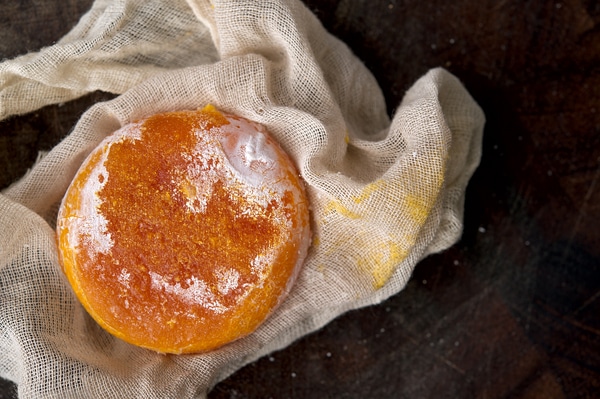
Hank Shaw is one of the most wonderful foragers and foodies that I know of. As soon as I have more eggs, I plan to salt-cure some yolks by his method and grate them over greens.

https://honest-food.net/salt-cured-egg-yolks/

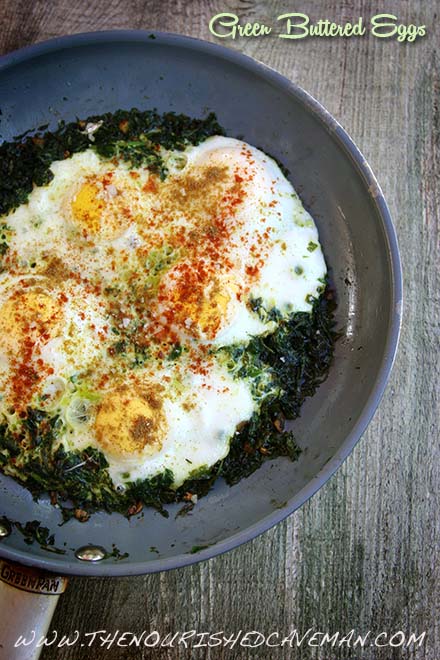
The wonderfully herbal green buttered eggs from The Nourished Caveman are a go-to recipe for me, and I vary the greens according to availability and mood.

https://thenourishedcaveman.com/green-buttered-eggs/

This one will never come out of my kitchen, because I can’t stand sardines in any form. But it is so nutrient-rich that you should have a look at it.

https://thenourishedcaveman.com/nutrient-dense-fishermans-eggs/

Crispy fried eggs are wonderful for making a salad into a meal.

https://nomnompaleo.com/post/104615214153/sunnyside-salad-crispy-fried-eggs-on-greens

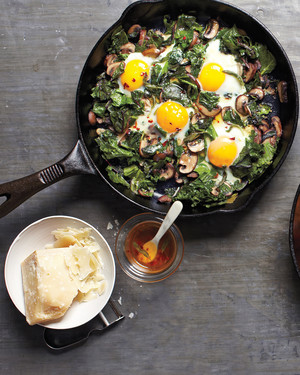
And Martha Stewart adds mushrooms to an eggs and greens skillet.

https://www.marthastewart.com/852125/fried-eggs-greens-and-mushrooms

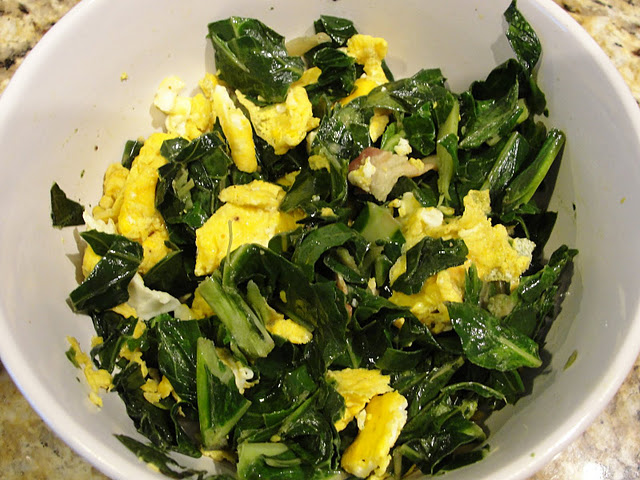
Or scramble your eggs a bit on the hard-cooked side and toss them into greens or salads as an ingredient.