Archive for the ‘Uncategorized’ Category

Admitting What Didn’t Work

image

image
As a gardener/ farmer with a city lot, my rate-limiting step is space, and things that don’t work need to be given up and the space given to something else. This time of year, I’m often busy dealing with things that didn’t work and freeing up their real estate for other purposes.

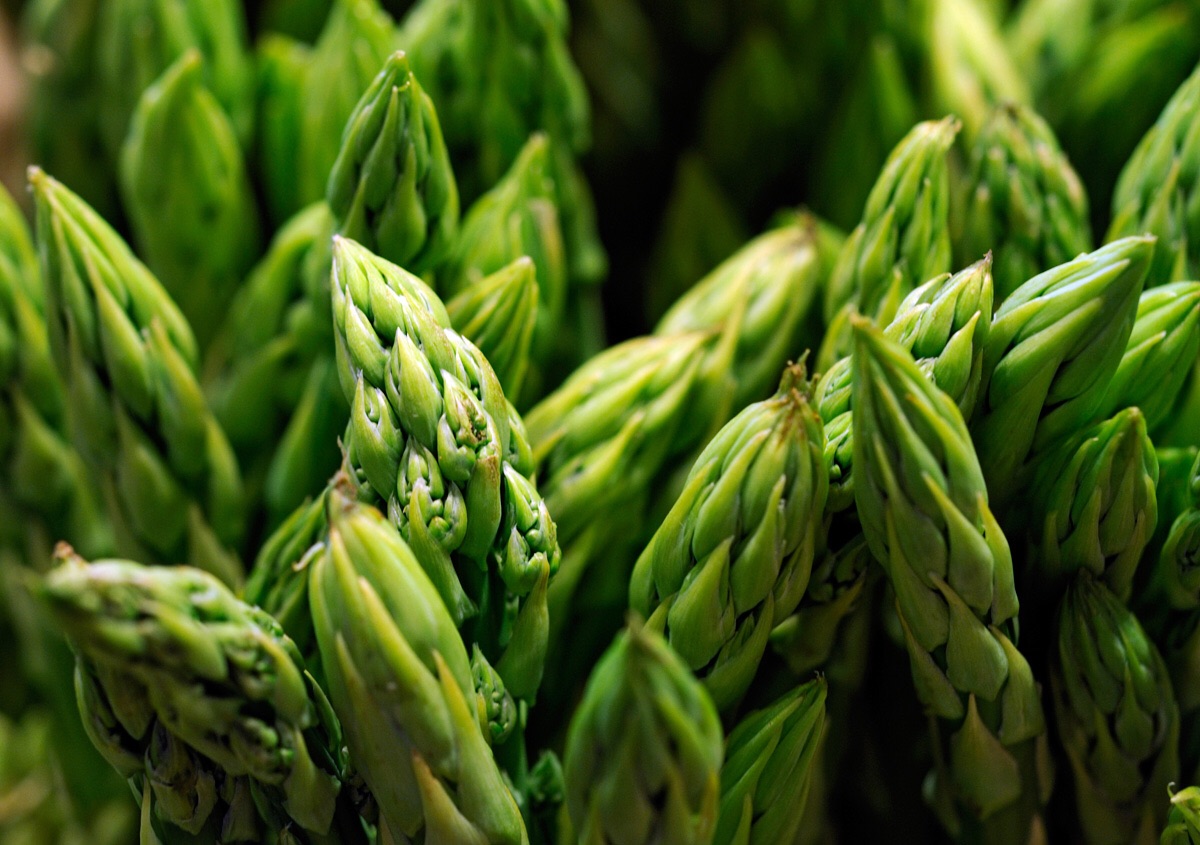
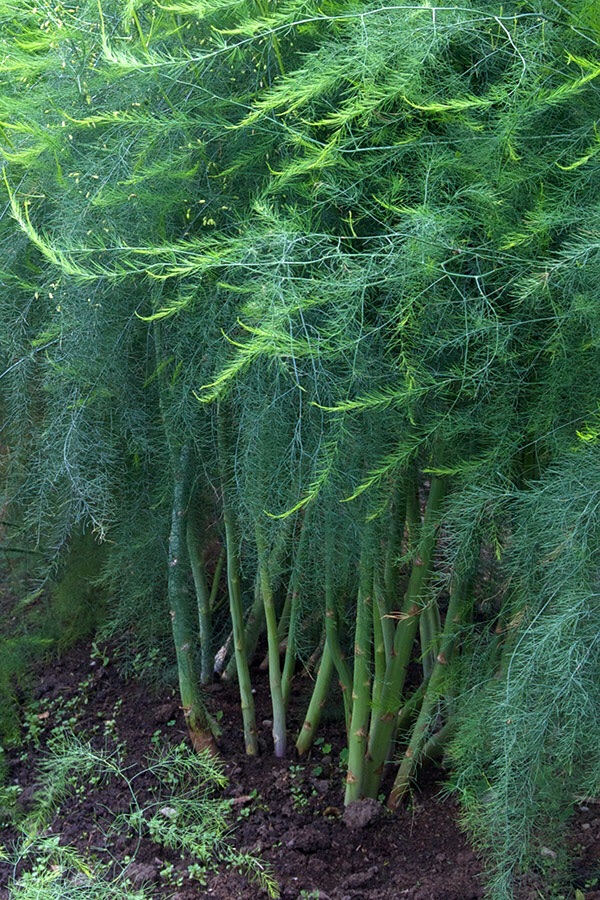
Take my effort to create an asparagus bed with minimal work. The spot where I wanted to establish this long-lived perennial was awful, not to put too fine a point on it. The workers who built the house parked their trucks on it and used it as a dumping spot for leftover cement and other choice debris. The ground was packed hard as concrete, weeds wouldn’t grow there, and it promised hours of backbreaking work.

I decided to use less laborious methods to heal that area, and I planned to take two years to do it. In year 1, I built a long, low compost heap on my future asparagus bed. I used straw and chicken manure, layered it up about two feet high, and it heated well. I ended up with about four inches of pure finished compost over the entire bed, which I left to cool off completely over the winter.

Year 2, I stirred the surface of the compost and planted daikon and oats. The idea was that the oats would provide organic matter and the daikon would pierce and break up the hard pan beneath and make drainage channels through it for the plantings to follow. I supplied water, and the mixture grew well and looked healthy. Again, I left it over the winter to break down.

This year, year 3, I ordered my asparagus starts. On the first warm day in early February, I went out to the bed-to-be with my spading fork, to gloat over the results of my strategy.

What I found was a thin mat of organic matter, bound together by roots, over impenetrable hard stuff. The oats had made a thick mat of roots a few inches thick, and the daikon had turned at right angles when they encountered the hardened mess beneath and grown sideways
along the bottom of the compost.

So, finally, I did what I had to do and double-dug the bed, using a pick to break up the hard conglomerate and incorporating organic matter 18 inches deep. It took an entire back-breaking weekend. Now my bed is mellowing, ready for the asparagus roots to be planted in March.

Does this mean that labor-saving methods of gardening don’t work? No, it just means that everything depends on the situation. Study your situation, and be aware that some areas can’t be repaired without putting in a lot of sweat equity. Is it worth it? If you want fresh food and want to leave a piece of land better than you found it, the answer is an emphatic “yes.”

Joyous Imbolc! Notes on spring planting

image
When I had a sheep farm, the old Celtic holiday Imbolc was very literal for me. Starting in early February, ewes’ milk flowed and life was everywhere. Today I have a different life in a new place, but this is still the time of year when life begins to flow. Out in the garden, there are warm days when the soil can be dug and manured. The garlic that you planted in the fall pops up at this time of year, and seems to sail through the cold weather to come. The earliest spinach, lettuce, and arugula can be planted as soon as spaces are ready for them. I put frost blankets over some of the patches and don’t cover others, so that they germinate at two different times and provide succession crops.

This is also the time to make sure that all your seed and nursery orders are in. In my last post, I talked a little bit about some vegetables that do very well here. Today I want to talk about nursery stock, and encourage you to try some things that you haven’t tried before. Since I eat a low carbohydrate diet, standard fruits are of very little interest to me, and my interest is in obtaining maximum antioxidants for minimum carbohydrates. Therefore, I concentrate on berries.

I have a few thornless blackberries plants, and last year I planted a lot of goumis. They may fruit this year, but more likely the following year, and I will report back. Three years ago I put in a lot of Crandall black currents, and they fruited heavily last year. They are an American blackcurrant variety native to the west, and do extremely well in central New Mexico. They require some water, but not a lot.The fruits have a nice flavor but are not very sweet, and benefit from a bit of sweetener added. I enjoy a handful of them as a tart treat when I am weeding. I do encourage you to try them. So far I have failed miserably with the English black currents that I love, and I think that in our area they would need a fair amount of shade to do well.

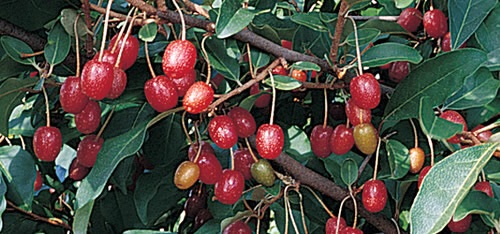
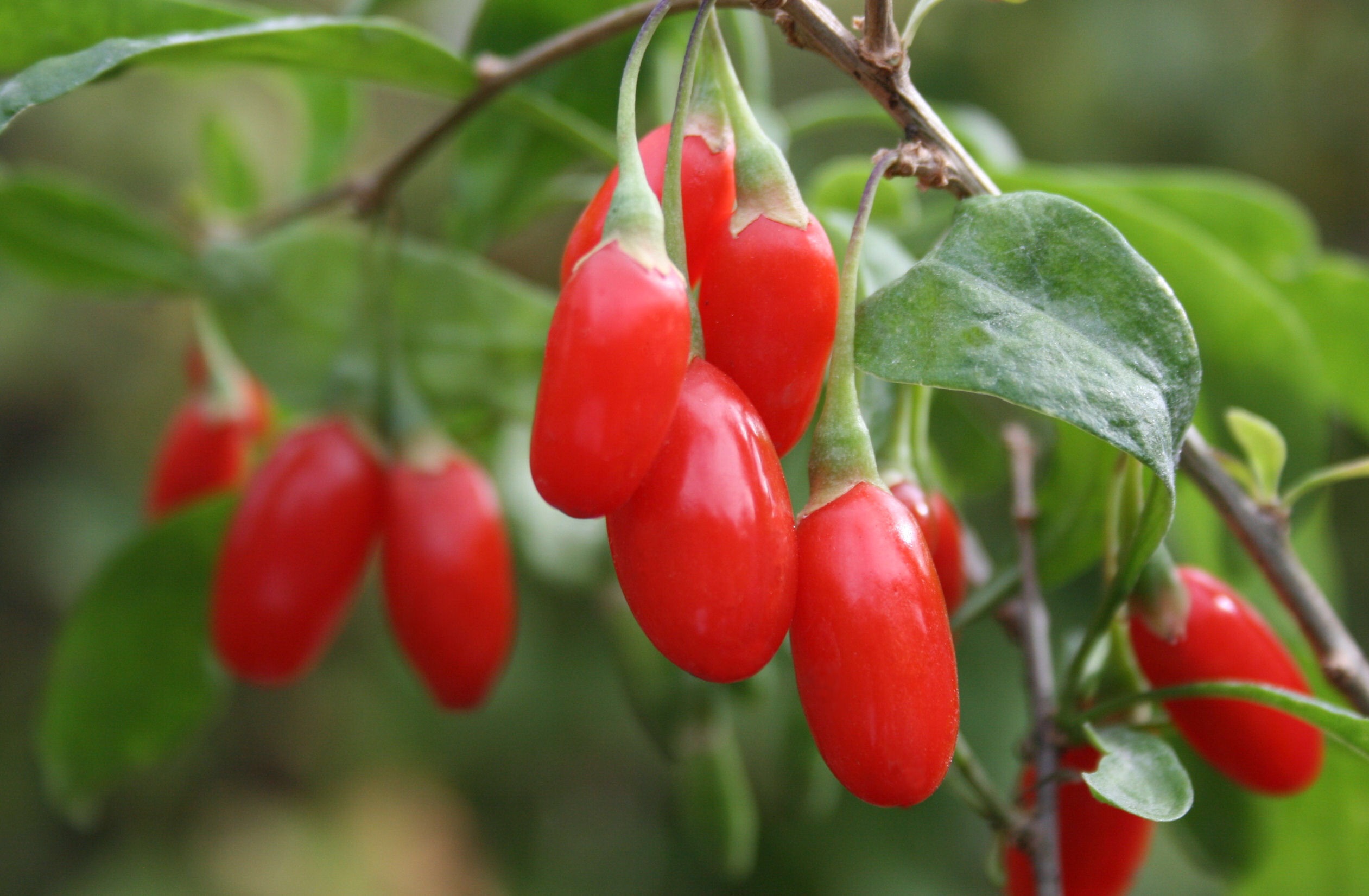
Another success has been the goji berry, or wolfberry. These are fairly drought tolerant, although they require a fair amount of water to get established. The berries taste like a tiny rather sweet tomato, and have large amounts of lycopene. The plants sucker a bit but don’t get out of hand, and do provide you with some offshoots for planting elsewhere.

The western elderberry that I planted a few years ago has flourished mightily, and I will be planting some black elderberries this year. Elders do well in our area if mulched heavily to shade and cool their roots, and they do need watering.

Raintree Nursery has a lot of uncommon fruits, as well as more conventional ones, and the stock that I’ve gotten from them has been very strong. Their catalog is fascinating, full of heirloom varieties, and great for fireside daydreaming.

image image

What seeds to order?

There is no doubt in my mind that seed catalogs are the most wonderful pornography in the world. Even people who generally enjoy the regular kind of pornography know that they don’t really want the depicted persons in their lives. But the pictures in seed catalogs? Ah, that’s a different story. Those tempting, enticing, dewy vegetables are impossible not to want. Even beets, which I don’t particularly like, look improbably appealing in the catalog photos. They look so good, in fact, that I begin convincing myself that I will find some way to cook them that I really, really like. As Ambrose Bierce said about second marriages, it’s the triumph of optimism over experience.

But what I want to talk about today is not how seed catalogs can lead you down the primrose path (they can, and they will,) but what things grow really well and should be ordered.
image
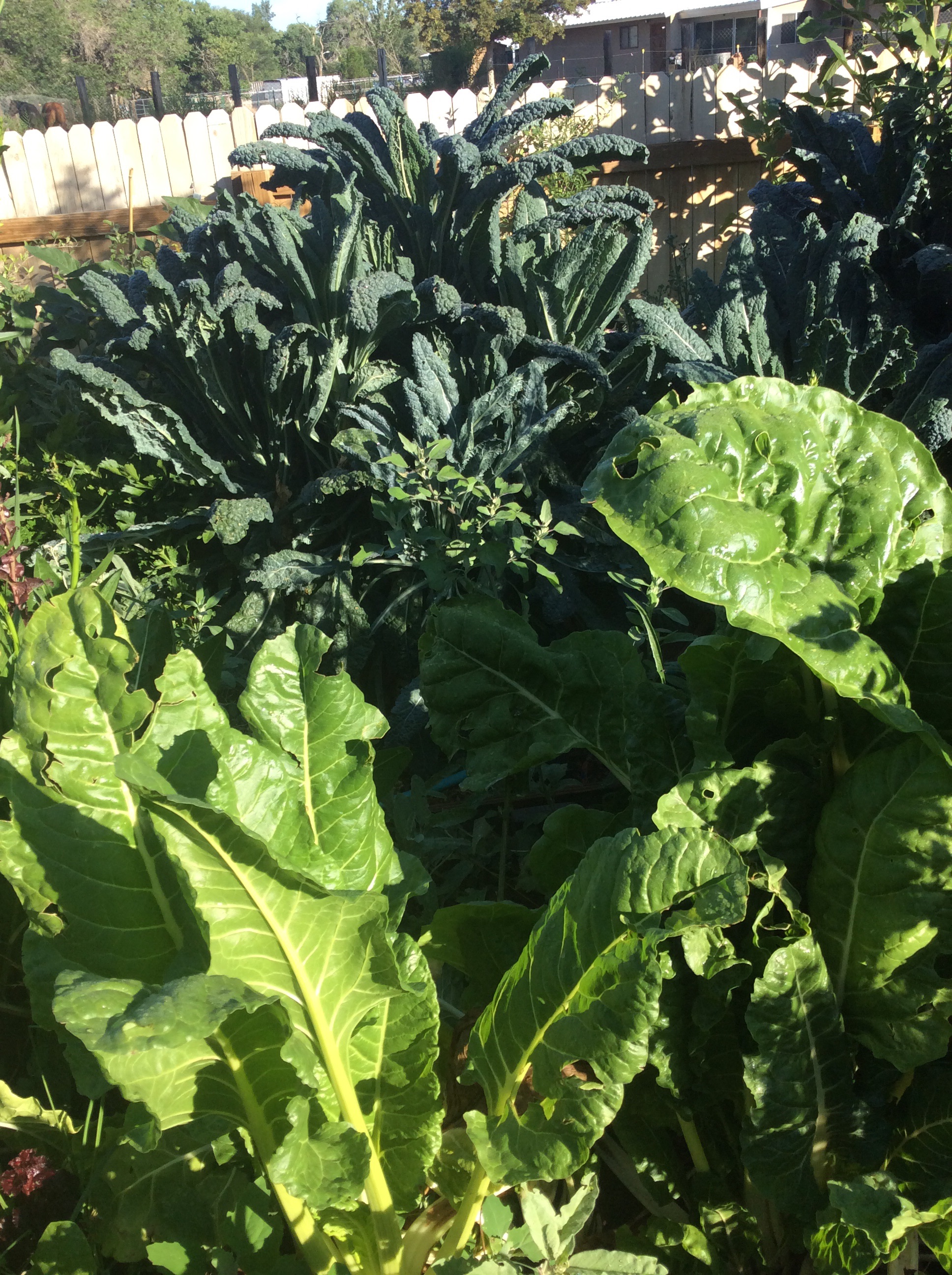
Let’s start with arugula. It is this simple: you need arugula. It grows beautifully, resists drought and pests, is highly nutritious, and utterly delicious. Yes, you will have to supply it with some water. In our area of the Southwest, you have to supply anything with some water. But arugula takes less than most of the choice greens. Furthermore, you can plant it as soon as you get the seeds and get that chore out of the way. Have an area of bed well prepared, broadcast the seeds and rake them in or cover them, and keep the area watered a bit until they germinate later in the spring. Then, step up the water somewhat. They will grow pretty cleanly because they are planted close together and help hold each other up. Harvest by a sort of clear-cutting technique. Wash (repeatedly) and eat. They are deliciously flavorful unless you let them get too old in the spring (they get hot then,) and they make a very good bedding for roasted meats etc. on the plate. You will probably want to plant a few successive small beds of them, because they are a great resource to have in the salad crisper in your fridge.I like the Astro variety, which has flat tender leaves that are a little milder than average, but not much.
image
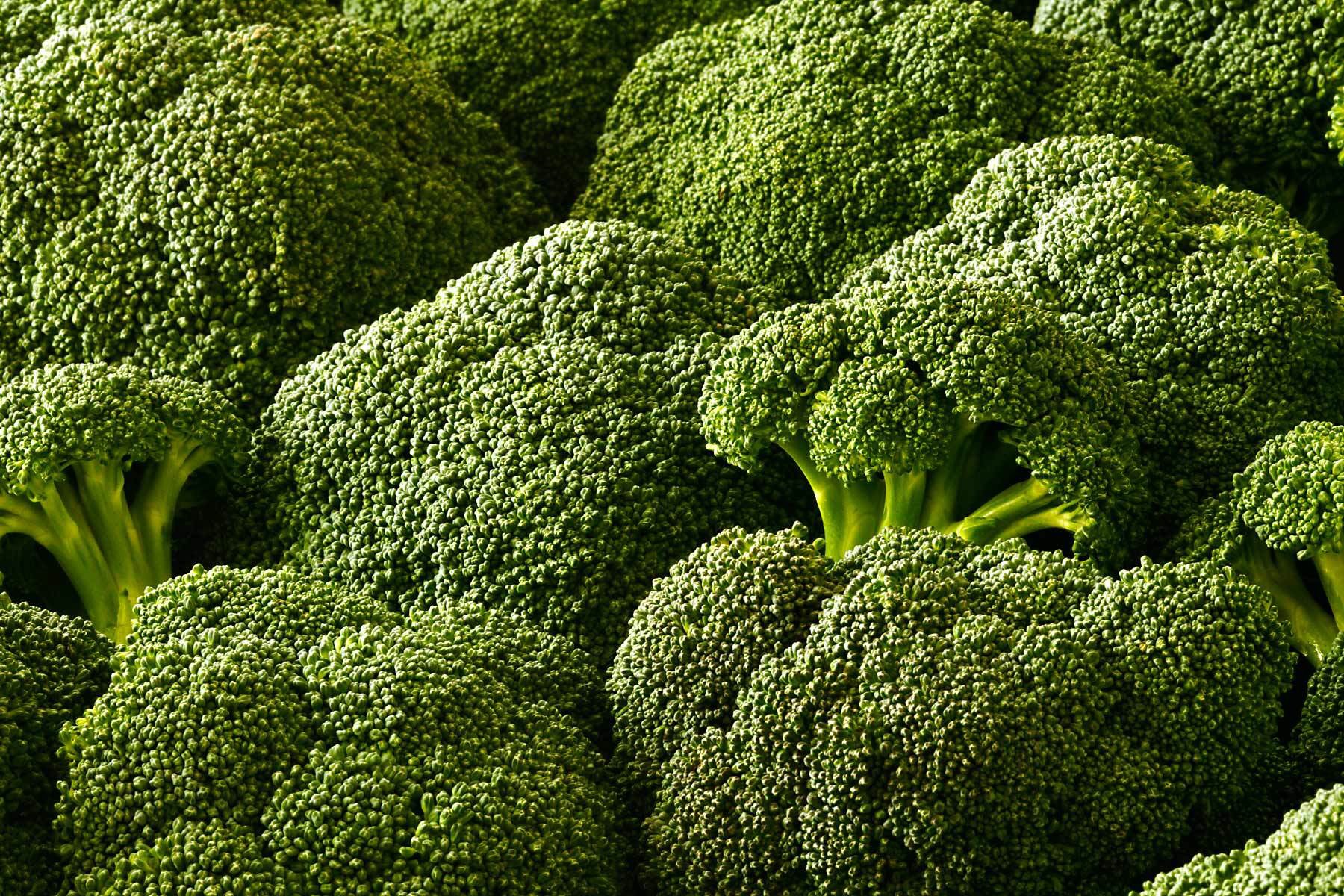
You are going to want broccoli if you have the space to grow it, and it is a wonderfully productive vegetable, giving you a large central head in early summer and side shoots until fall if tended well. Variety is key. For our hot dry area I recommend Packman or Green Magic. Plan to start your own plants if you want these varieties. Both withstand our summers as long as you keep the water coming. If you are going to grow it at all, plan to give it the room that it needs, a minimum of 18 inches each way between plants, and 24 inches is better. I give it 24 inches, and top up the soil between plants with fresh compost as it grows. It is one of the most nutritious things in your garden, so plan to feed it will so that it can feed you well.

If you can make room for pole beans to climb, they are very space-efficient, and the variety called Rattlesnake does especially well in the Southwest. Tastes delicious, too.

Lettuce is a must for your own lovely light crisp spring salads, and I suggest carefully perusing the varieties at Wild Garden Seeds. They grow in a hot dry area, and have many lettuces that are especially suited to the kind of conditions that we can offer them. Again, you’re going to have to fertilize the lettuce area well and water as they grow, but you will get incomparably fresh lettuce in return. Pay attention to their notes about flavor, which are reliable.

Other seed companies that I can recommend wholeheartedly are Johnny’s Selected Seeds, Territorial Seeds, and Bountiful Gardens. I have ordered repeatedly from them as well as from Wild Garden Seeds, and have never had a bad experience. I strongly advise against seed rack seeds if you have other options, and when choosing a company to order from, try to find one that sells in commercial grower quantities as well as home garden quantities. Commercial growers know what works, and they do not tolerate bad seeds.

Naturally, when you are curled up by the woodstove on a cold windy evening, you will order a lot more varieties than you really need. This is not just about survival, it is about pleasure and joy and abundance. Go for it.

Welcome back, and notes on the Ketogenic diet

image

I’ve been MIA for a long time, and I appreciate the kindness of those readers who tactfully enquired about my whereabouts. The main reason was a series of deaths among my nearest and dearest that made 2013-14 seem like The Years That Everybody Died. Change and death are inevitable, and so are grief and railing against fate. Many thanks to those of you who are still with me.

Another change had a happier outcome. I developed clear signs and lab results indicating that the inexorable progression to type 2 diabetes had begun, and this started me wondering whether it really was inexorable. The answer, almost three years later, is an enthusiastic “No way!” After fooling around with various unsuccessful interventions, I finally took the plunge and went on an ultra low carbohydrate (ketogenic) diet, and after the first awful month of withdrawing from all my beloved toxins, it’s been great. Good energy, bubbling good health, and freedom from food cravings don’t come from medications, they come from consciously made lifestyle choices. Even more than I thought before, we choose our health. My menu of food choices includes meat, poultry, fish, seafood, green vegetables and some others, mushrooms, cheese, cream, strained yogurt, coconut milk, and nuts. Plenty to choose from, and plenty to season it with.

So some of my recipes will be a little different now, but the role of home food production is even more important than before. Green vegetables are an even bigger part of my diet now, and I want the best deep-organic stuff that I can get. Good meats are vital, and I produce my own where I reasonably can. I probably couldn’t afford to buy foods of this quality in the amounts that I eat them. This is the perfect time of year to plan your season of growing and foraging, so in the next post we’ll start thinking about what to grow and what to read.
image

Oh, and don’t forget:

image