Archive for the ‘sustainable’ Category

The Hen That Laid the Golden Eggs, and more notes on ethical meat


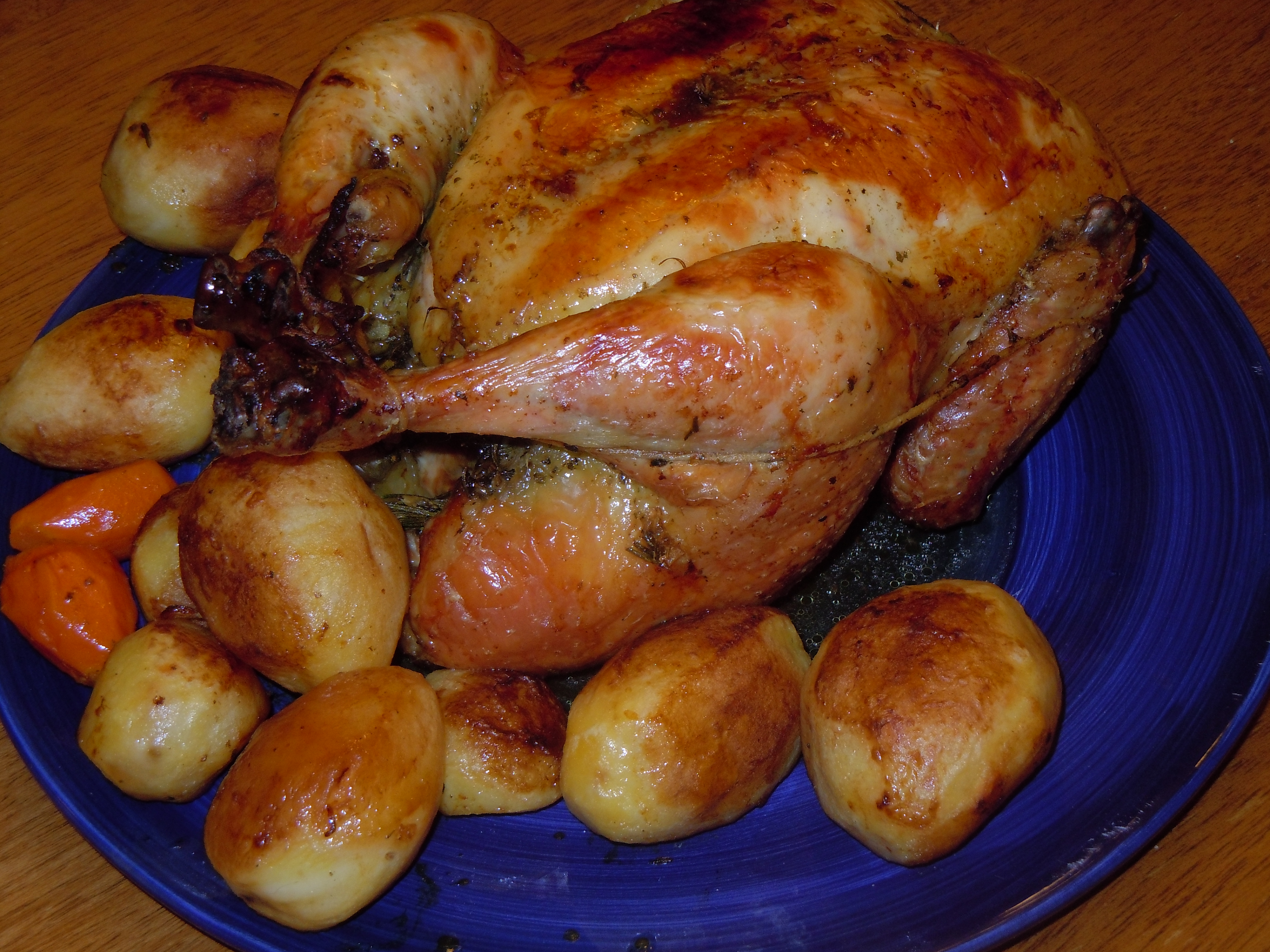
The days are short now, cold nights make a warm stove welcome, and there are longer evenings in which to do my culinary experimenting. Sometimes I like to try unknown ingredients and cuisines that are new to me, and sometimes I like to try slight twists on familiar favorites. Right now I have an abundance of good chicken raised in my own yard, and a simple roast chicken is great when it has real chicken flavor. These birds are big (the one we ate for Thanksgiving had a dressed weight of 14 pounds) and they look quite impressive roasted, but of course a smaller chicken is fine as long as it was raised properly and tastes like a real chicken. Here I followed my usual MO for roasting a chicken (see my post on roast chicken) with a couple of changes.
Twist #1: Since these huge birds have deep breasts which can dry out near the surface by the time the center is cooked properly, I injected the breast with a half-and-half mixture of melted butter and concentrated homemade chicken broth to improve the juiciness. You can buy injectors for this purpose which have big needles that won’t clog up easily. This isn’t as necessary on a smaller chicken, but is still a very tasty touch.
Twist #2: I carved the potatoes into eggs and browned them well in a skillet with some olive oil before putting them in the oven to roast. Keep them in a separate roasting pan and put them in the oven about 50 minutes before the chicken will be done. Be sure to sprinkle them with salt. Baste them regularly with chicken pan juices (you will need to keep adding good broth to the chicken pan to have enough juices.) When you take the chicken out to rest before carving, test the potatoes for doneness and leave them in the oven if needed while the chicken rests. Then pile them around the hen and bear the laden platter to the table. I also carve some chunks of carrot into smaller, goldener eggs to roast in the chicken pan, but I’ll be the first to admit that this is unnecessary fiddling.
If your bird isn’t a hen, it can be the rooster that laid golden eggs, an even rarer phenomenon. I suppose that if you were obsessive enough, you could cut some chard leaves or kale leaves into long, trailing tail feathers to make the phoenix that laid golden eggs, but this is the sort of culinary feat that announces to your friends and loved ones that you spend way too much time thinking about matters unrelated to real life. It will get you talked about, and not in a good way. But if your tastes lean toward culinary fantasy, it’s worth trying anyway. Since you are already lost to reason, consider carving some blue potatoes and purple carrots into colored eggs to add to the general picture of barbaric opulence.

Now, about those notes on ethical meat that I promised you. None of my homesteading ventures have been treated with more dubiousness by others than my decision to raise chickens for meat and harvest them myself. But from a personal standpoint, it’s the best project that I’ve undertaken. The way that commercial chickens are raised is appalling, and fancy labeling about “free range” means very little. If you want details, read the section on chickens in The Omnivore’s Dilemma, and then remind yourself that Pollan is describing a best-case scenario. Then, get real about what you eat. Sometimes I come across writing by others who have participated in the harvest of meat, and today I’d like to share a clip from Mourad Lahlou’s marvelous book New Moroccan. He describes how in his Moroccan home, it was the duty of one adult man to kill meat animals with maximum speed and minimum suffering for the animal, and that it was an activity conducted after prayer and one that the whole family gathered to witness. At thirteen he was taught to do the ritual slaughter by his grandfather. He says “No doubt your reaction to this is that it seems barbaric. But I’m telling you that it’s the opposite, not simply because the slaughter is done in a humane way, but because the act of witnessing it is a reminder that we can never take a life for granted. When you’ve seen an animal give its life for you, you don’t take it lightly. You cook it with care. You eat it with respect. And perhaps the greater barbarism is never coming face to face with that, and pretending that meat comes from a market and not an animal.” Amen to that.
Mourad’s book is one of the best new cookbooks I’ve come across for years, and I recommend it to anyone for the marvelous writing as well as for the recipes.

In the near future I’ll write about exactly how I produce the chickens.

.

The Pollo Real Chicken: A real chicken, indeed


As you may know if you’ve seen my post on The Meaty Issue, I started raising my own meat chickens this summer. The results have been thrilling, but I have been hesitant to write about my kitchen experiments with them because most readers don’t grow their own and wouldn’t have access to this kind of chicken. This problem has now been solved because our local growers of pastured chickens, Pollo Real, have returned to the local farmers’ markets. Their French Label Rouge chickens are absolutely the best that I know of besides my own, and the pasture-raising is humane, environmentally friendly, and results in higher omega-3 content and a better taste. There is no such thing as a completely grass-fed chicken- they just aren’t able to survive on pasture alone- but these chickens have access to all the things that chickens naturally eat. Look for the Pollo Real booth at the Albuquerque downtown market on Saturday mornings and at the Corrales market on Sunday mornings. Ask them about their CSA, and please be sure to tell them that Heather at My Urban Homestead sent you. I want our local ethical growers to know that I’m recommending them.

The first time you get hold of a really good chicken, roast it fairly plainly and enjoy the meaty, nonmushy texture and the full flavor. My favorite method is this:
24 hours before you plan to roast the chicken, salt it generously inside and out or (my preference) put it in a large plastic bag with a brine made from half a gallon of water and half a cup of salt. If just salted, leave it in the refrigerator until ready to cook. If brined, leave it in the bag of brine in the refrigerator overnight, and in the morning pour the brine down the drain. Return the chicken to the bag and put it back in the refrigerator until ready to cook. This lets the added salt and liquid distribute themselves more evenly throughout the flesh.

When ready to make dinner, preheat the oven to 375 degrees. Smash two cloves of garlic in a mortar and pestle or chop them finely, add a tablespoon or two of white wine, a teaspoon of freshly ground black pepper, and two tablespoons of chopped fresh tarragon or one tablespoon of chopped fresh thyme. Rub the paste over the chicken inside and out, cut a lemon in half and stick it in the cavity, truss the chicken, and put it breast down in a baking pan. Pour about half a cup of good white wine in the baking pan and set in the hot oven. Roast for half an hour, and meanwhile cut some cleaned potatoes into chunks about an inch on a side. After half an hour take the pan out, turn the chicken breast side up, rub all visible skin well with good butter, and add a little more water if needed to keep the bottom of the pan lightly filmed with liquid. Roast until done, basting with more butter every 15 minutes. When the chicken is done, remove to a platter to rest for 15 minutes and, if the potatoes aren’t done, return them to the oven until they are. Pile them around the chicken and carve the chicken at the table. Pass the pan juices in a gravy boat. A salad and a good bottle of wine are all that you need to complete the meal.

What does “roast until done” mean? Well, it all depends on the size of your chicken. An oven thermometer is an absolute necessity, and oven heat can still vary depending on how often you open the oven. I have been cooking chickens for 30+ years and I roast them until the drumstick wiggles just right in its socket, but this isn’t something that can be conveyed in writing. so it’s safest to use a good meat thermometer and roast until it reads 170 degrees in the thickest part of the thigh. Even so, prick the thigh and check for any pink juices running onto the platter. If pink shows, return it to the oven until the juices run clear. Roasting a chicken well is a skill worth mastering. I aspire to roast a chicken on a spit next to a hot wood fire, but I haven’t tried it yet. If you have, leave a comment to let me know how it worked out. For that matter, every enthusiastic cook has a favorite way of roasting a chicken, so feel free to leave yours in the comments. And please, support our great local growers and farmers!

Passing pleasures, gratitude, and September 11th


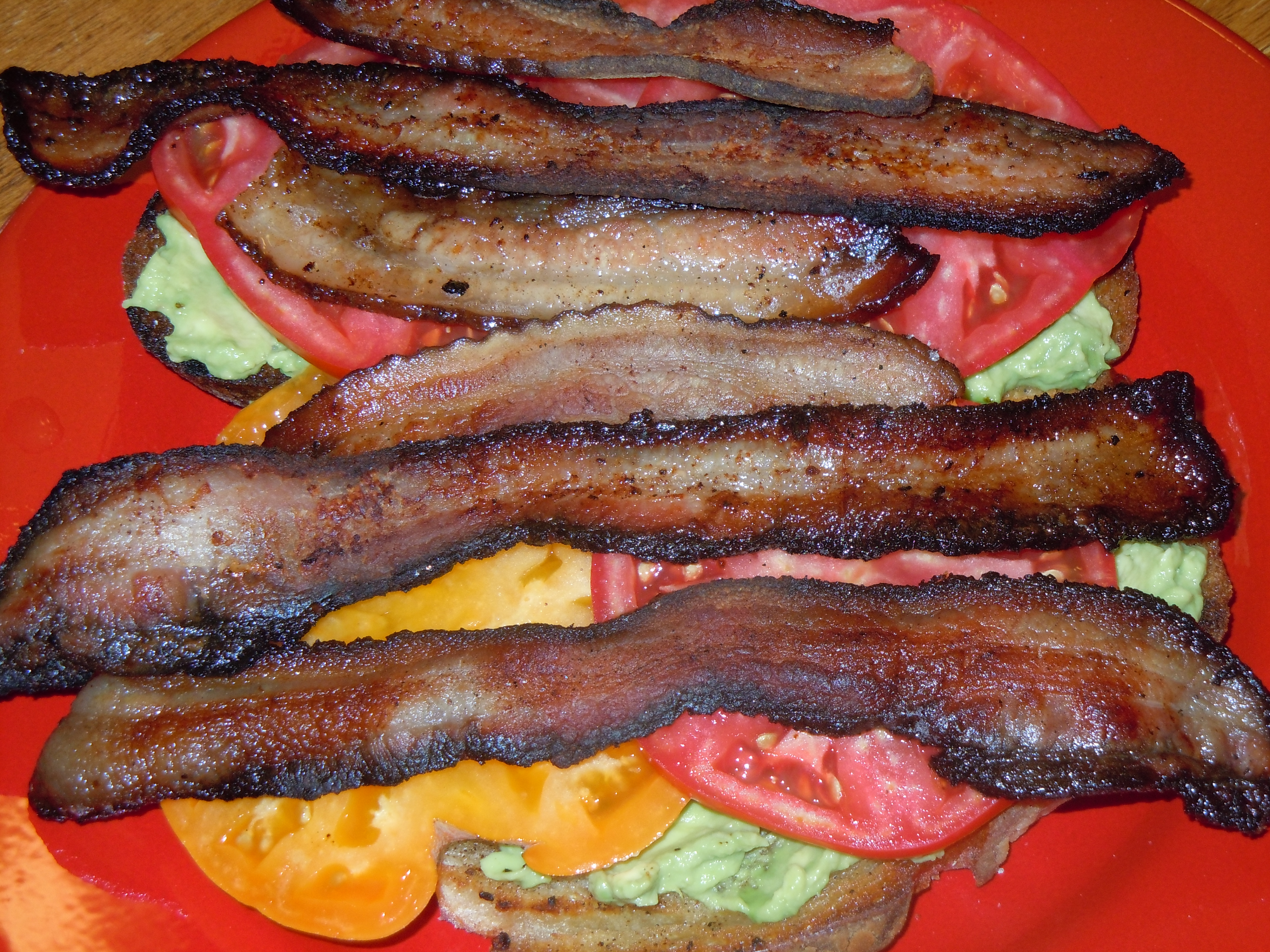
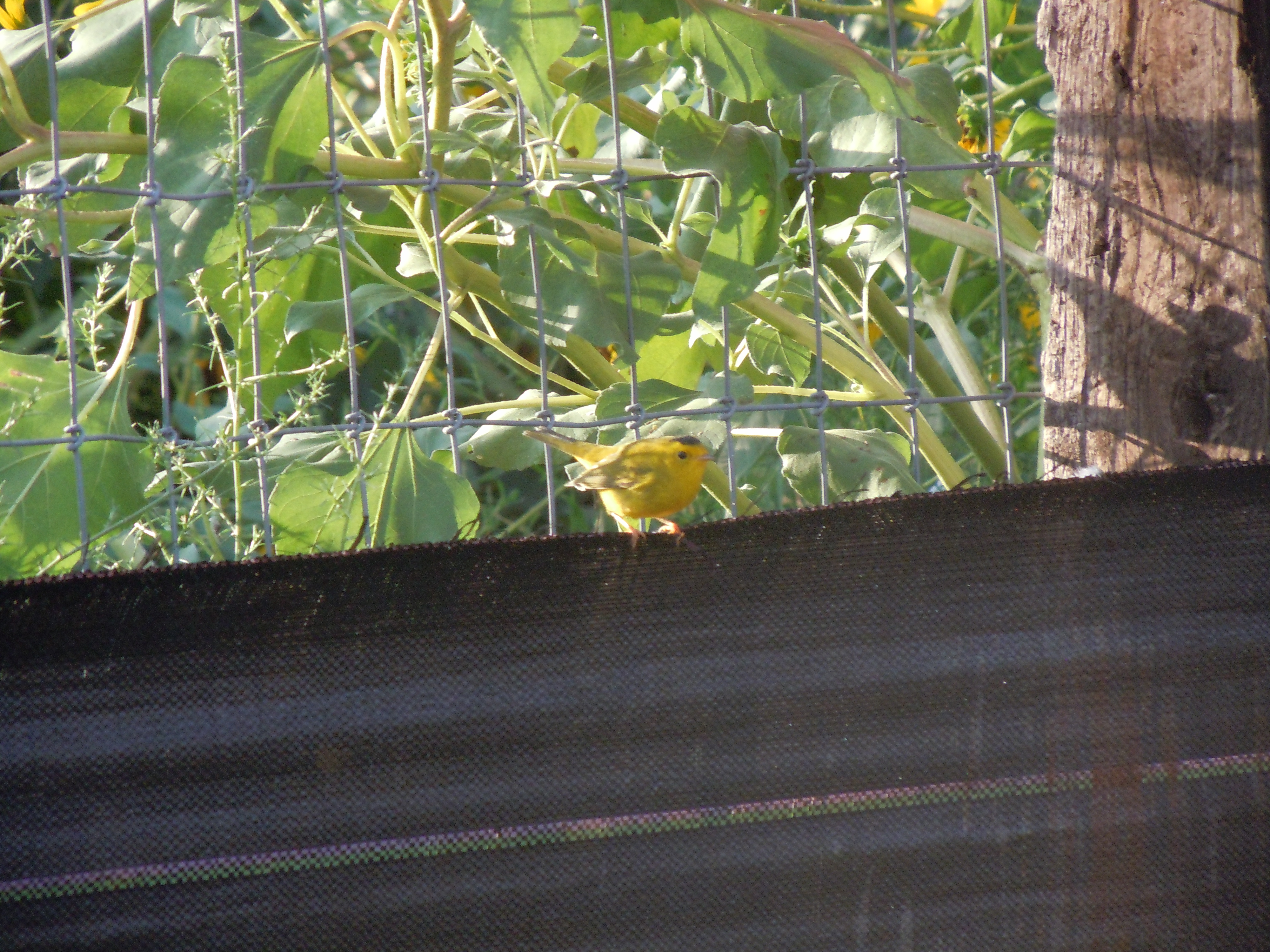
Some of the pleasures of having a little piece of land to call your own are direct. The joy of a perfect bacon, avocado, and tomato sandwich in late summer, with bacon cooked on the grill campfire-style and bread toasted likewise, and the juices of a perfect beefsteak tomato running down your chin, gratifies a hunger that goes well beyond the physical: the hunger for one simple thing in your life to be exactly right. Then there are the hungers that aren’t physical at all, and that you don’t even know you feel until they are unexpectedly fulfilled. I was reminded how lucky I am to be able to have a mini-wildlife refuge in my back yard when a couple of mornings ago, while I trudged around feeding the animals and wishing I was back in bed, I realized that a little flock of Wilson’s warblers was bouncing around in my sunflower jungle. They came out to watch me, and one graciously posed for a picture before heading down the flyway.

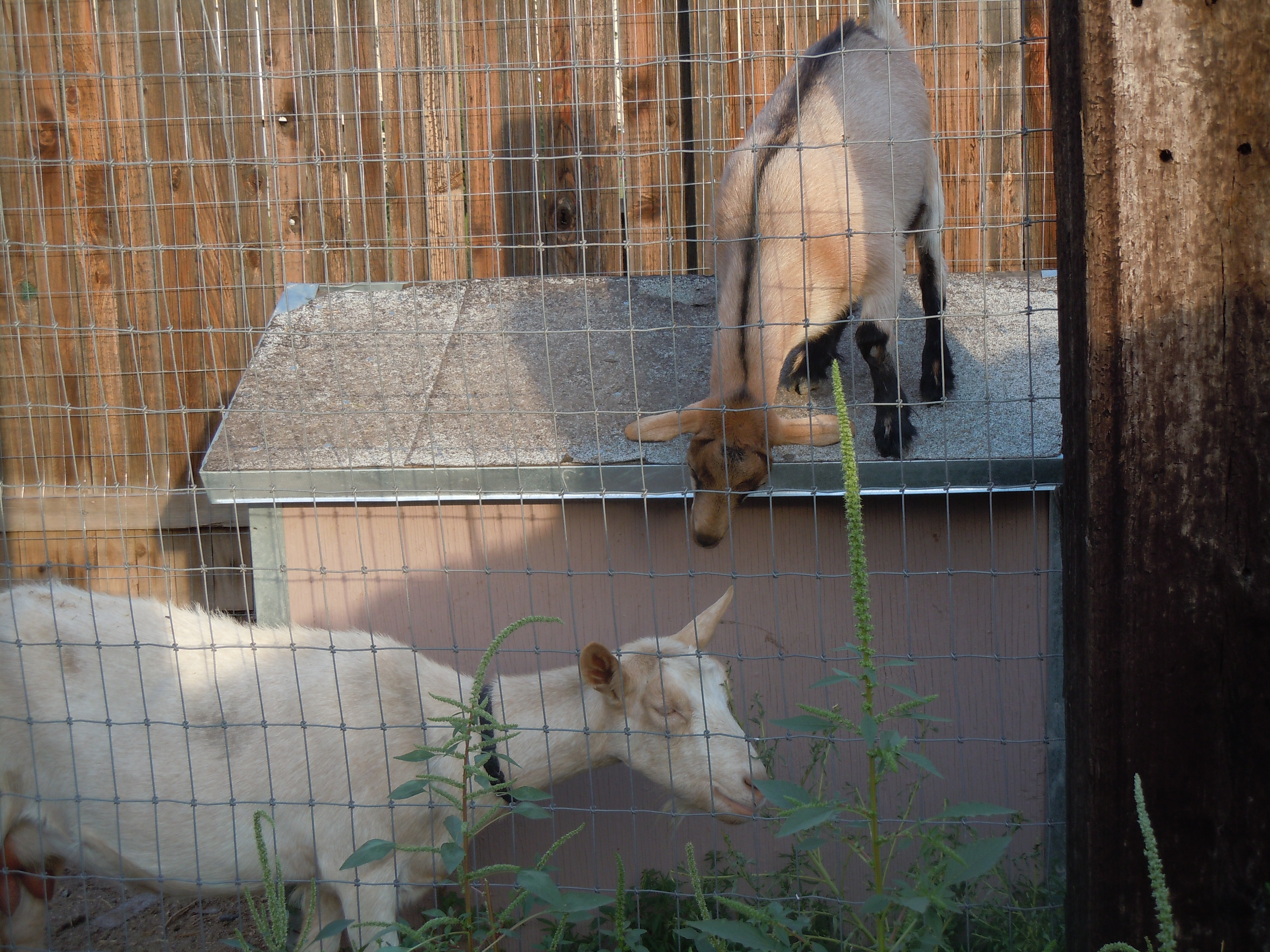
Then there’s hearing the “clomp” as my doe kid, Cocoa, practices her newfound skill of leaping onto the roof of the goathouse.

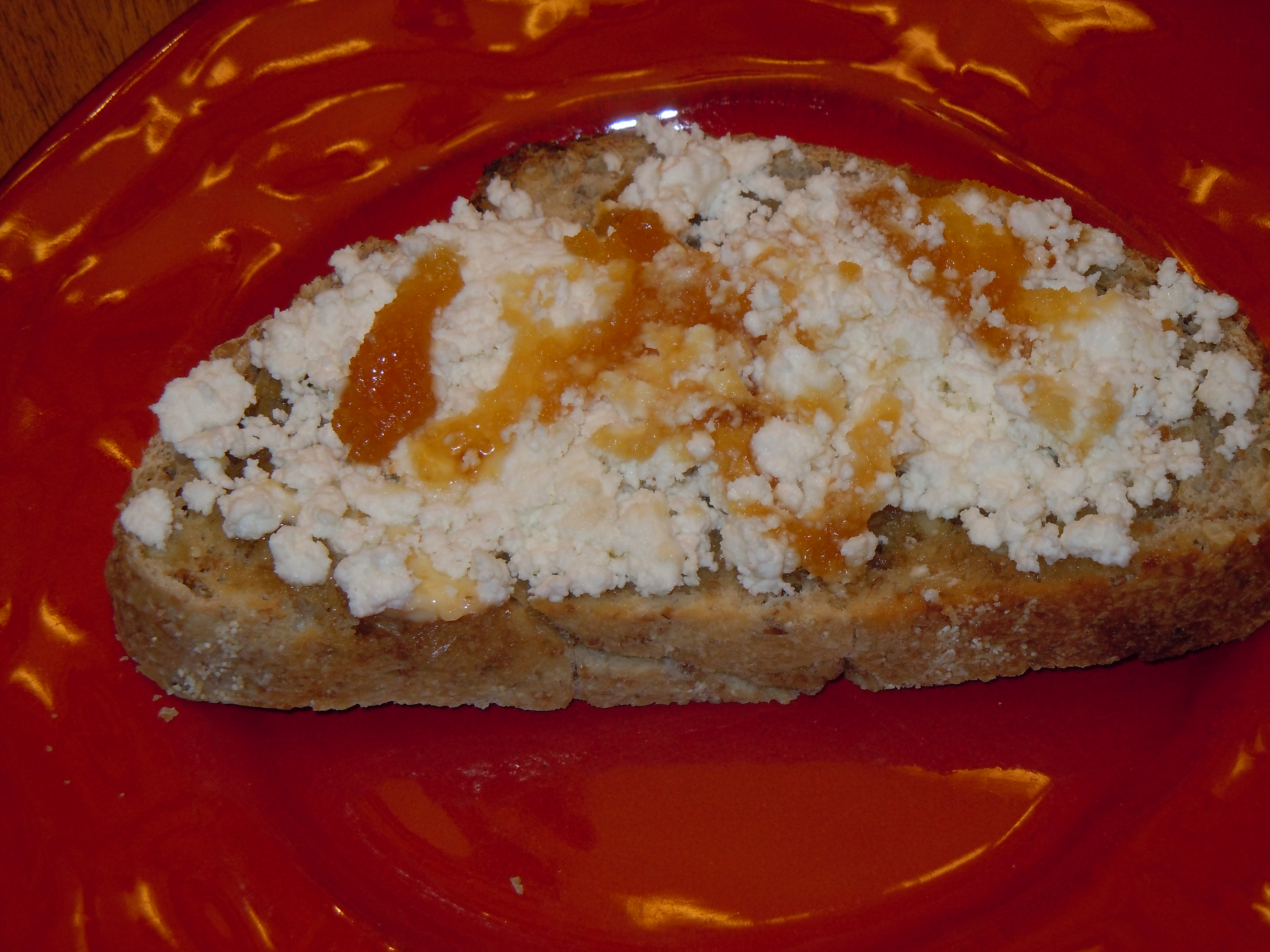
A breakfast of grainy bread spread with homemade goat cheese and drizzled with honey makes me purely happy to be where I am in the morning.

On September 11th we were reminded as a nation that life contains tragedy, disappointment, and sickening despair. Only a fool finds it easy to live in a stance of perpetual gratitude. But there are these radiant moments that push us to remember that there is also beauty, connection with the Earth, and genuine reason for gratitude. May our lives, and the intertwined lives of all the creatures of the planet, continue to draw us toward wholeness.

Local readers, your input is needed!


A reader who is moving to Albuquerque soon left the following comment on my “About Us” page:
“My husband just accepted a job in Albuquerque that starts in Nov, 2011 so we’ll be moving there from Northern Colorado. We currently raise/sell goats, chickens, and pigs for meat. We also sell eggs. (Our other critters are 4 llamas, and 2 sheep). I garden for our own eating pleasure and am striving to be more self-sufficient each year.
Would any of you be willing to take part in a conversation regarding raising farm animals in the Albuquerque area? Do you have contacts or websites that I should be sure to check out?
Some of my questions are as follows:
Chickens don’t like to lay eggs in extreme temperatures (too cold/too hot). How do you handle this in ABQ?
Is there a market for meat goats? (Boer goats)
Pigs: do you know of anyone who raises pigs to market weight and sells to local friends/neighbors that I might talk with? Do you need to compensate in any way for the heat?
Thanks for getting me excited about the Albuquerque area and starting our new adventure!”
Becky – Meadow Muffin Acres – Loveland, CO

I’m going to invite my local readers in Albuquerque to respond to Becky’s questions. Please leave a comment if you know anything that would be helpful to her. My own responses are as follows:
1. I haven’t had any major temperature-related issues with my laying hens. They lay almost all the way through the winter, with a lull in late December and early January, and they slow down a little during the hottest months, July and August, but even during the most scorching seasons I get three or four eggs a day from my six hens.
2. I don’t know how much market there is for goats, but it seems worth a try, especially if they were grass-and-browse raised, because there’s a substantial market for grassfed meats here.
3. I no longer know anyone who raises pigs, more’s the pity, but there would be a good market for them. I would definitely be one of your buyers! I used to know a family who raised pigs just a few miles south of Albuquerque, and they told me that a mud wallow was essential to keep the pigs cooler on hot days. Access to shade was also essential, and on the hottest afternoons their son used to go out and spray down the pigs with the hose. The pigs loved it, and would keep trying to shove their way into the stream.
4. If you are looking for other farm-based business opportunities, a micro chicken-processing facility would be well worth considering. Many of us like to raise our own meat chickens but on a single-household scale the plucker and scalder that make butchering efficient just aren’t affordable. When I had a farm in upstate New York there was a couple who had the equipment and would process chickens for the rest of us, and it was a huge convenience. I would happily work with anyone who had the set-up to process my chickens, as well as pay for the processing. So keep it in mind!
The people at the Urban Store have their finger on the local pulse when it comes to this sort of enterprise, so I would definitely give Kathy a call or email her from their website. All best wishes to you, and welcome to town.