We have had a really unusual summer with lots of rain, and one of my neighbors found his horse paddock flooded. He started to pump it out, and as the water level fell he discovered tadpoles. We scooped them into a bucket, and I put them into a kiddie pool that I keep in my back yard because I have a dog who loves a dip on hot days.
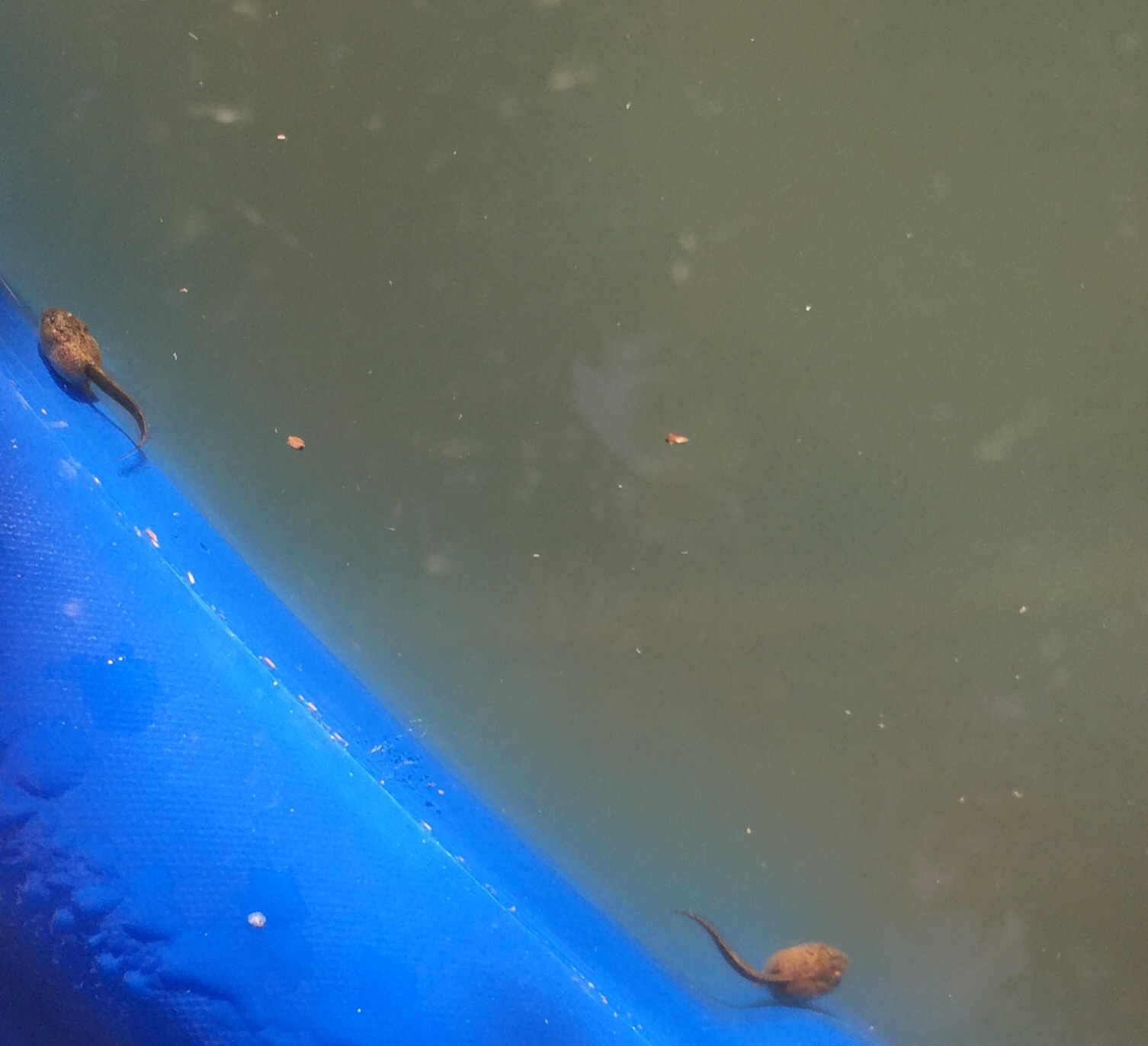
At first they were little blobs of jelly with tails.they poked around the bottom of the pool for microbials and weren’t really seen that much.
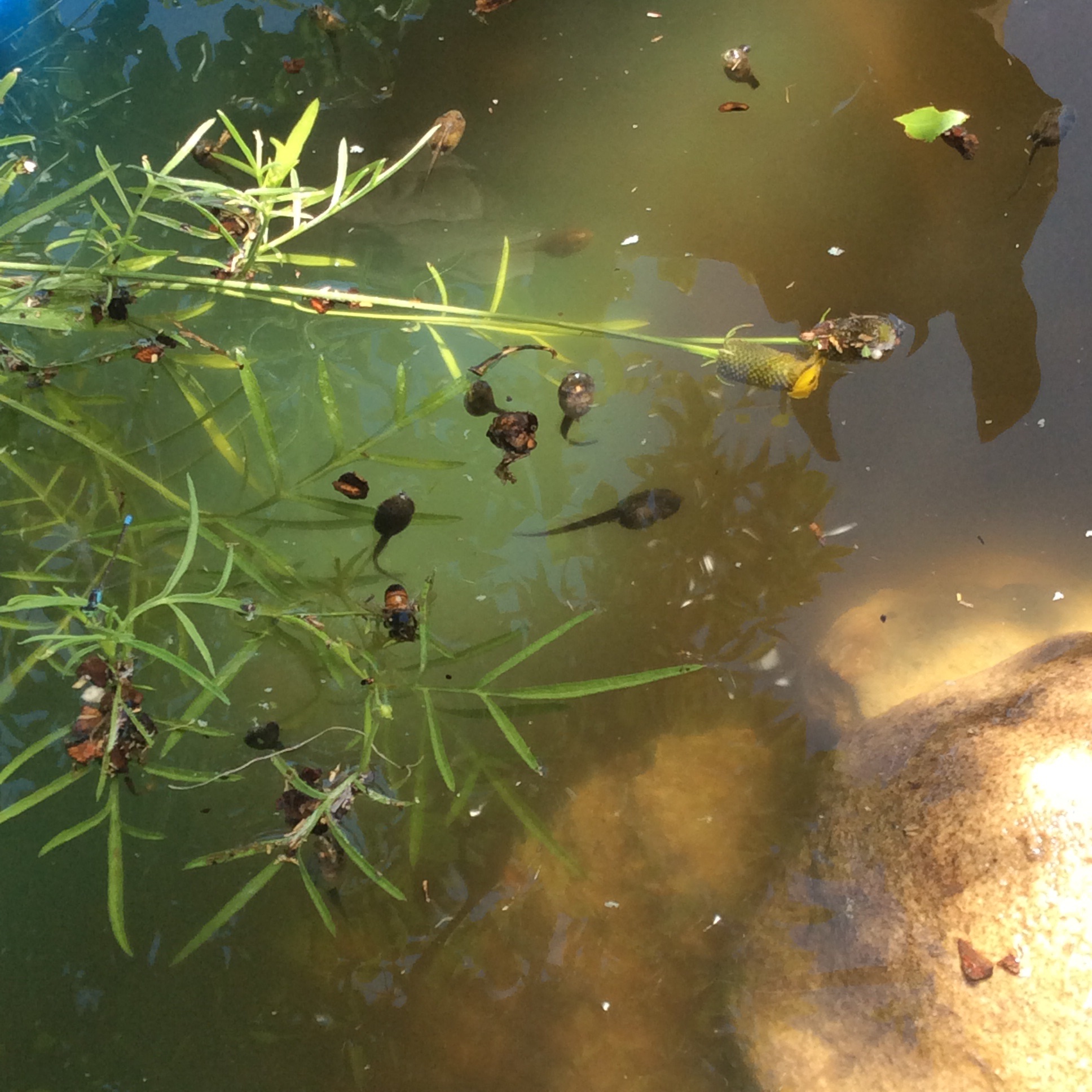
Then they began to swim more purposefully and I saw them a lot more.
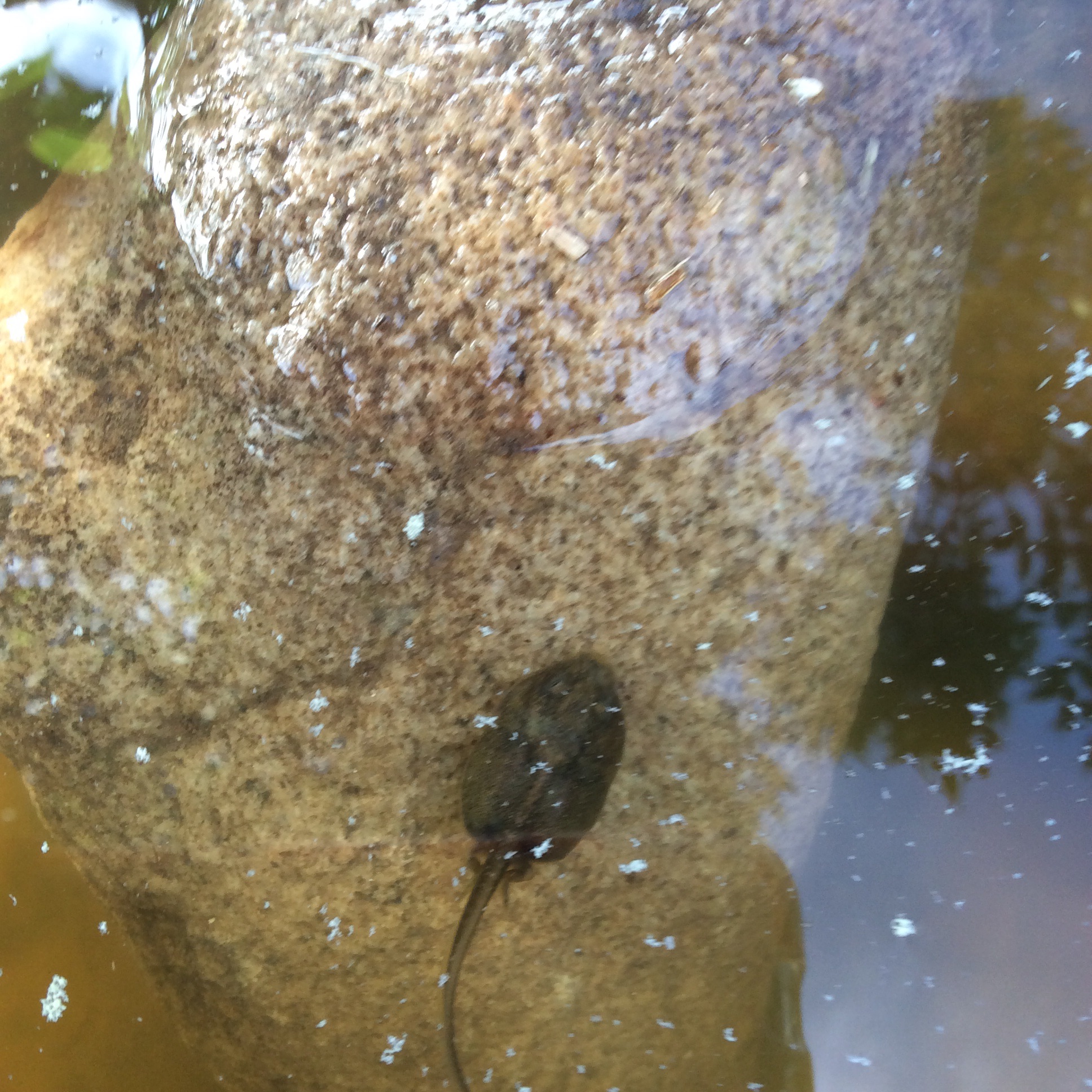
Now they are flattening out, forming little embryonic hind legs, and their eyes are on top of their heads and becoming protuberant. They are well on their way to becoming frogs.
I haven’t raised tadpoles since about age six, and I’d forgotten how fascinating it is to watch the entire course of vertebrate embryology occur in vivo, right before my eyes. It is a commonplace miracle but still a miracle. It would be hard to quantify the pleasure I’ve gotten from my rescue tadpoles. The chance to watch life work should never be taken for granted.
Archive for the ‘passing pleasures’ Category
29 Jul
Tales of Tadpoles
4 Jul
Red, White, and Blue Cobbler
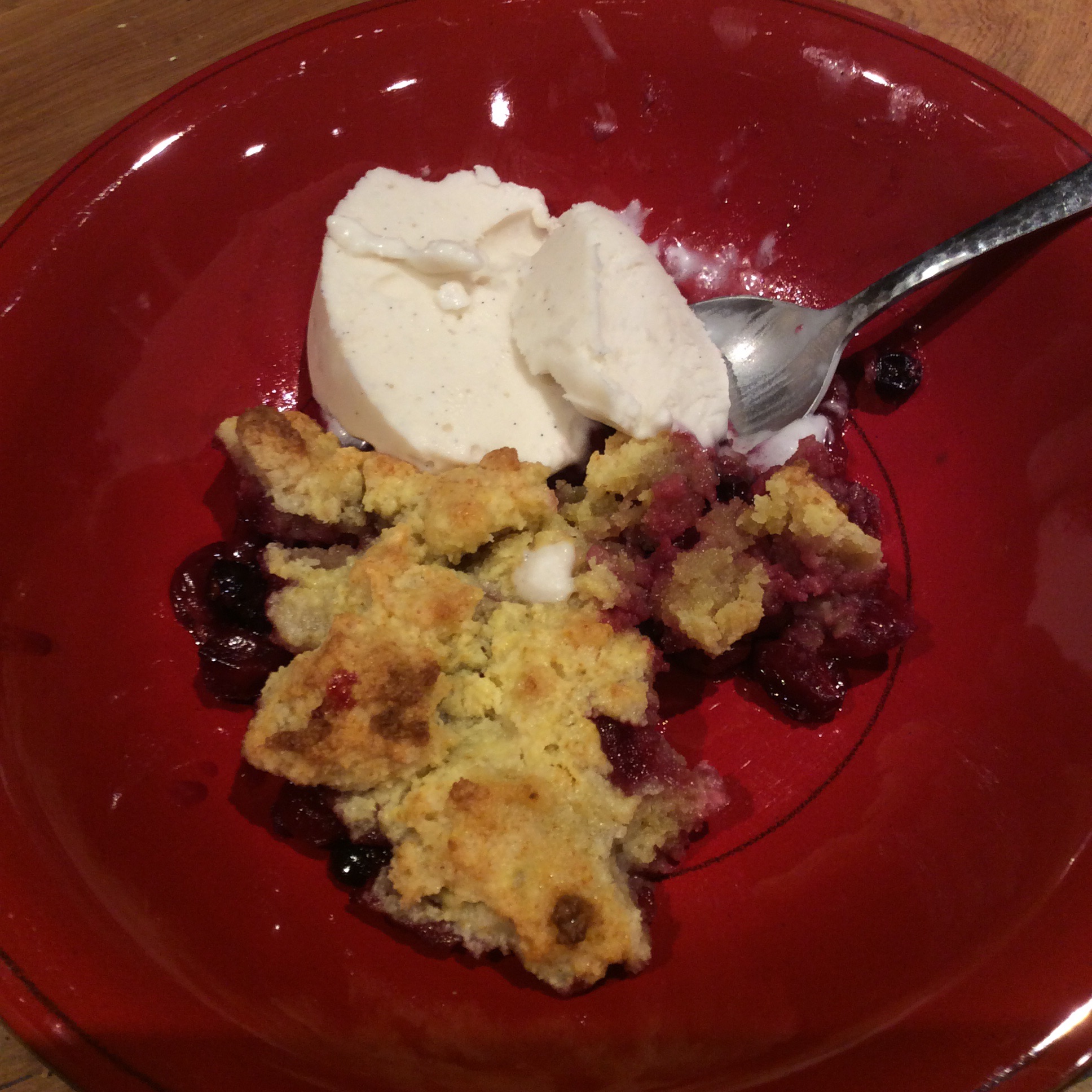
The tart or pie cherry is a pretty yard tree all season, and gorgeous in full fruit, with the glowing colors of a Russian enamel. This year my pie cherry tree bore heavily for the first time, and after making a new supply of tart cherry liqueur (no sugar this time,) I made a few cherry cobblers.
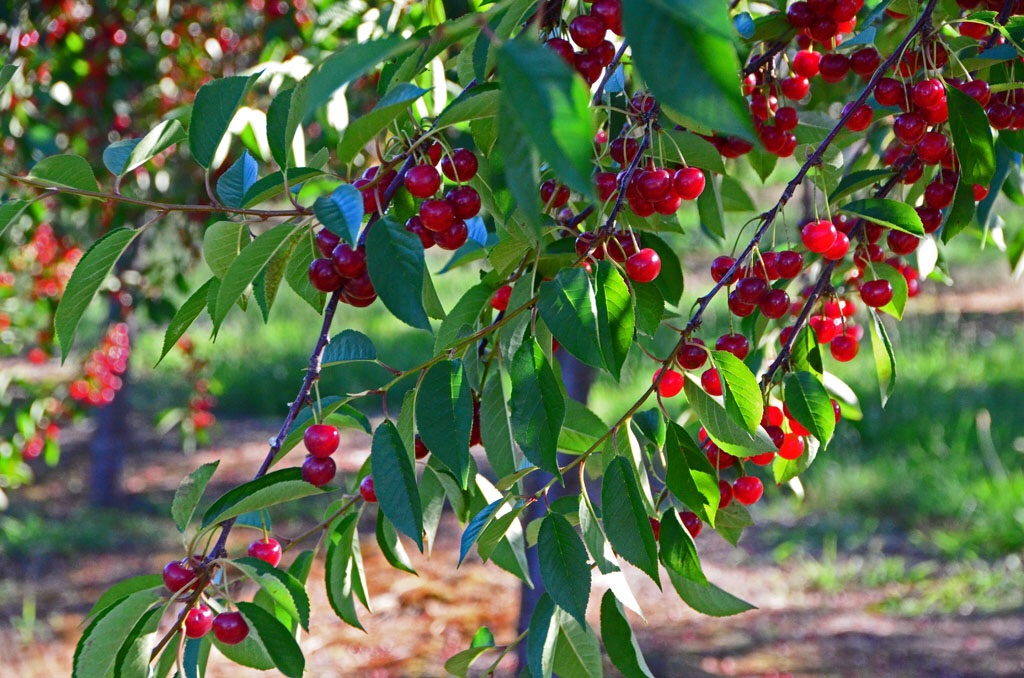
First, catch your cherries. They need to be the bright lacquer-red pie type, not the darker sweet cherries, which will turn a rather dreadful color if you try to cook them.
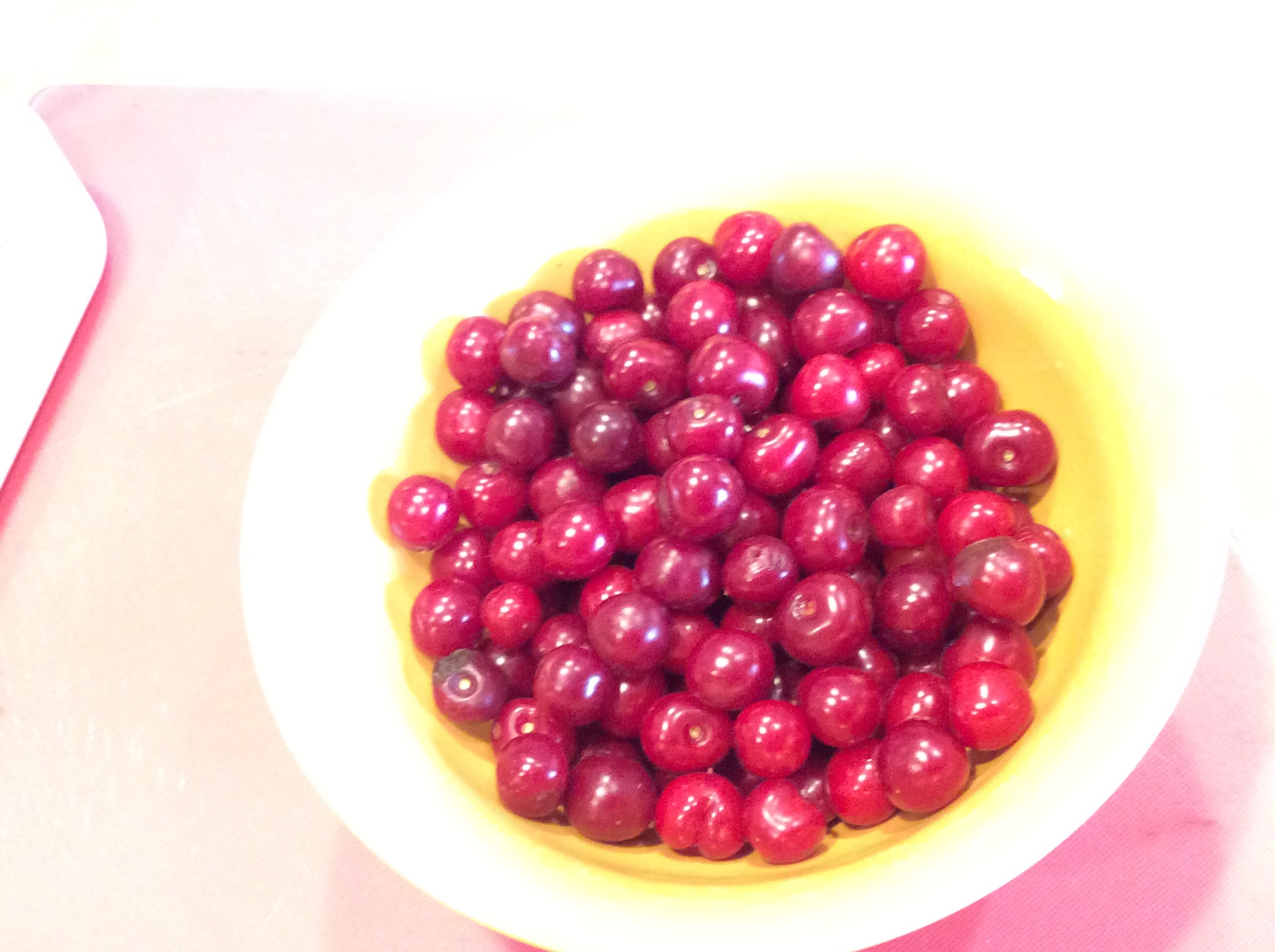
Next, pit enough of them to make 1 1/2 cups of pitted cherries. This will serve 2 gluttons or four normal people. I have a pitting device from OXO that pits four at a time, but it’s still tedious work. Be certain to run your clean fingers through the pitted cherries several times to find any pits that you missed, so that no teeth are cracked later.

If you eat sugar, it’s very simple from here on. Add a handful of wild blueberries or (from my yard) fully ripe clove currants or serviceberries for the blue element, sweeten to taste, and make your favorite biscuit dough but sweeten it a little more than usual. Put the cherries and berries in a buttered 7 inch tart pan, top with artistic globs of the biscuit dough, and bake at 375 until the dough is done and browning attractively. If you eat low-carb it’s a little more complicated but not much. Sweeten the cherry mixture to taste with half erythritol and half Sweet Perfection oligofructose, working the sweeteners in with your fingers so that they don’t cake, and add a teaspoon of vanilla extract. Make the topping as follows:
1 1/2 cups almond flour
1/2 teaspoon salt
1/2 teaspoon baking powder
1/4 cup of Swerve sweetener confectioners type
1/3 cup Sweet Perfection oligofructose
1/4 cup butter, cold
2 egg yolks
Combine all the dry ingredients in a bowl and stir well with a fork. Work in the butter, cutting it in with the fork until the largest remaining butter pieces are the size of baby peas. Add the egg yolks, working them in with a fork until the mixture is fairly well amalgamated. Drop on top of the cherry mixture in the small buttered tart pan, pat it out just a bit with your fingertips (it will be sticky and messy,) and bake at 375 until the dough is cooked through and coloring. This dough doesn’t brown evenly as sugar-containing doughs do, and you have to watch carefully so that it doesn’t burn. Serve hot with low-carb
vanilla ice cream.
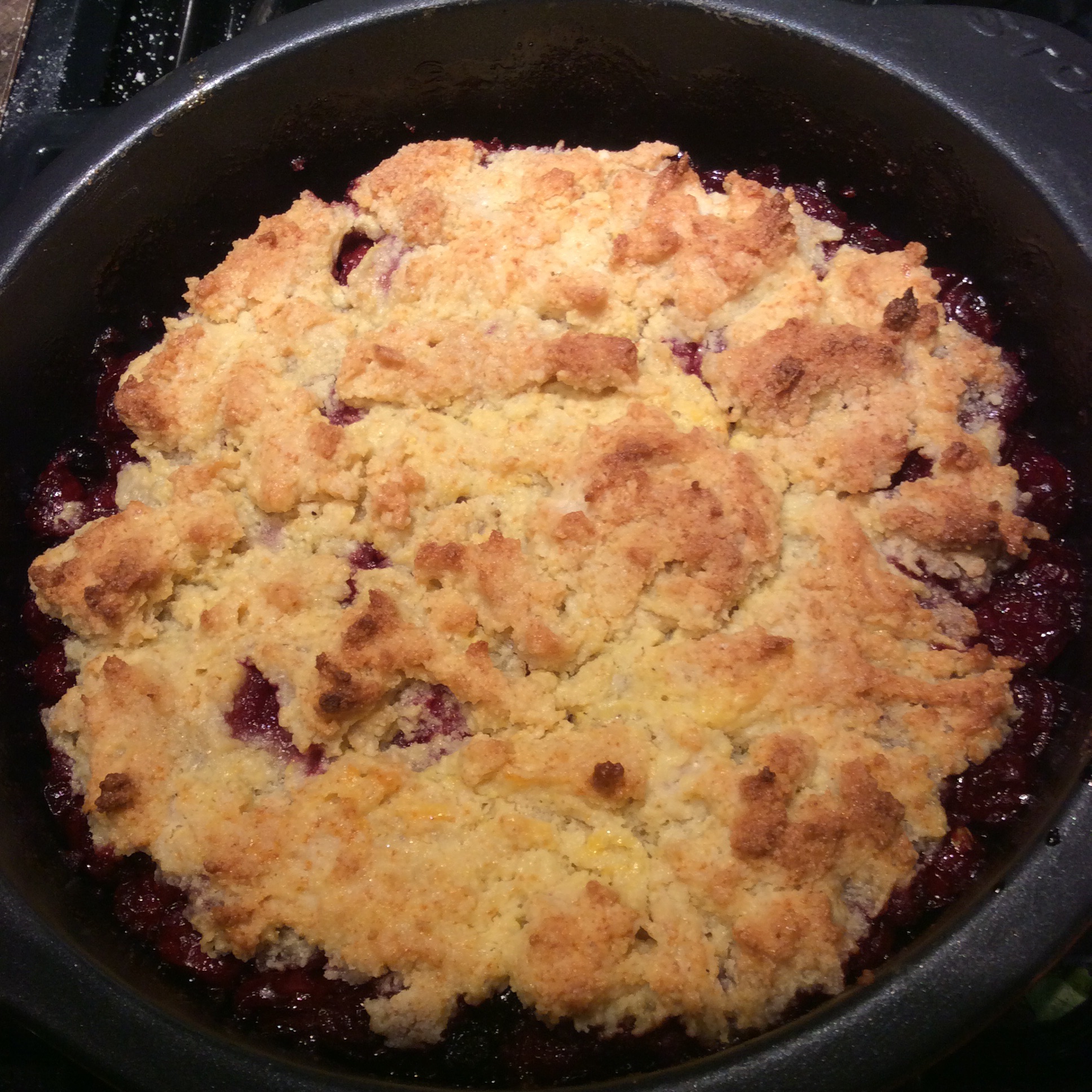
Happy Independence Day!
The gorgeous image of a cherry branch second from the top was on a Google page and I can’t find an attribution for it. If anyone knows who the photographer is, please let me know so that I can give credit.
27 Jun
Wildlife in the Suburban Garden
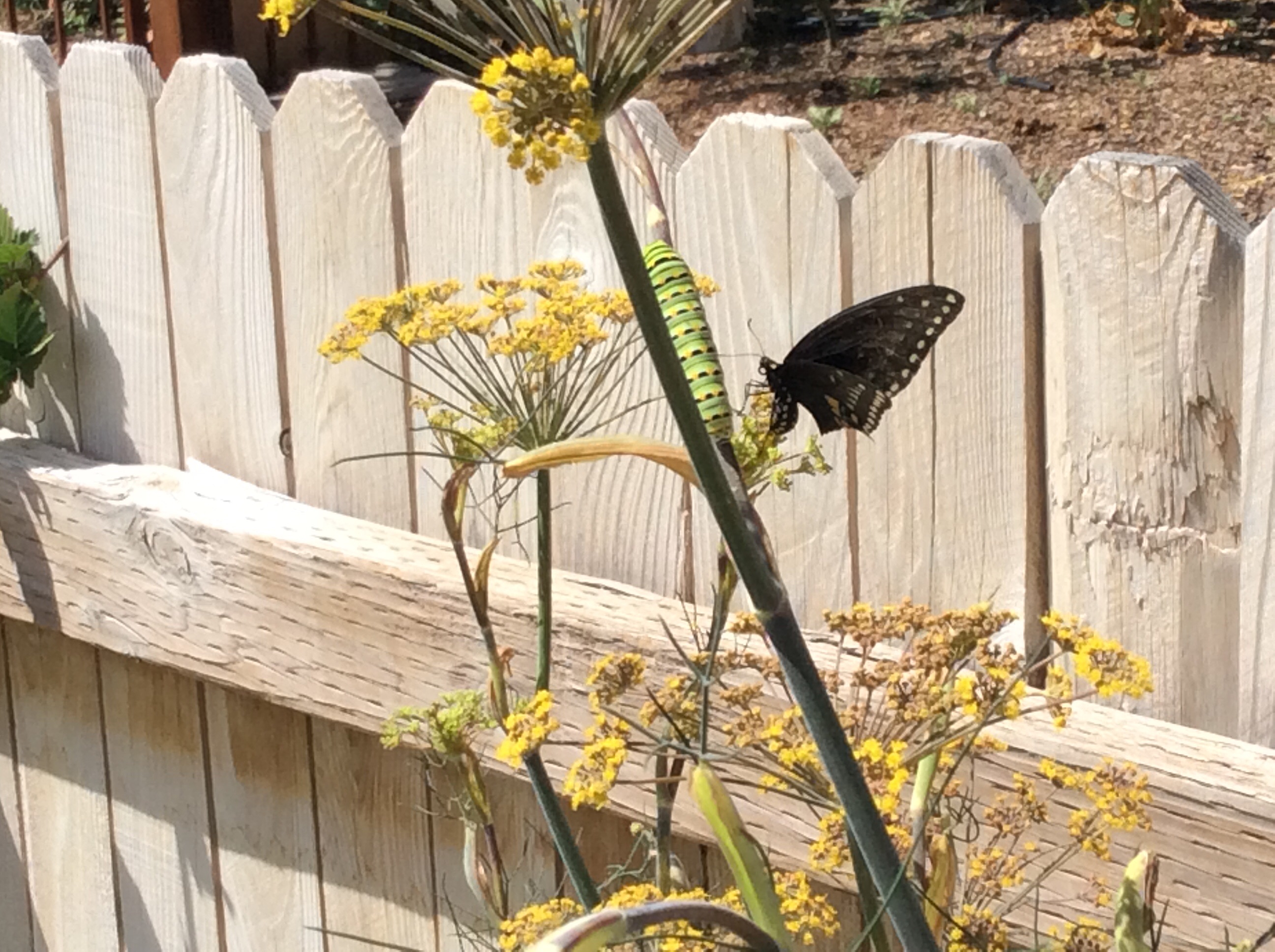
One of the lovely fringe benefits of gardening organically is that you support a lot of wildlife. Just this morning when I went out to inspect my garden, I noticed anise swallowtails around the flowers and their caterpillars on the fennel.
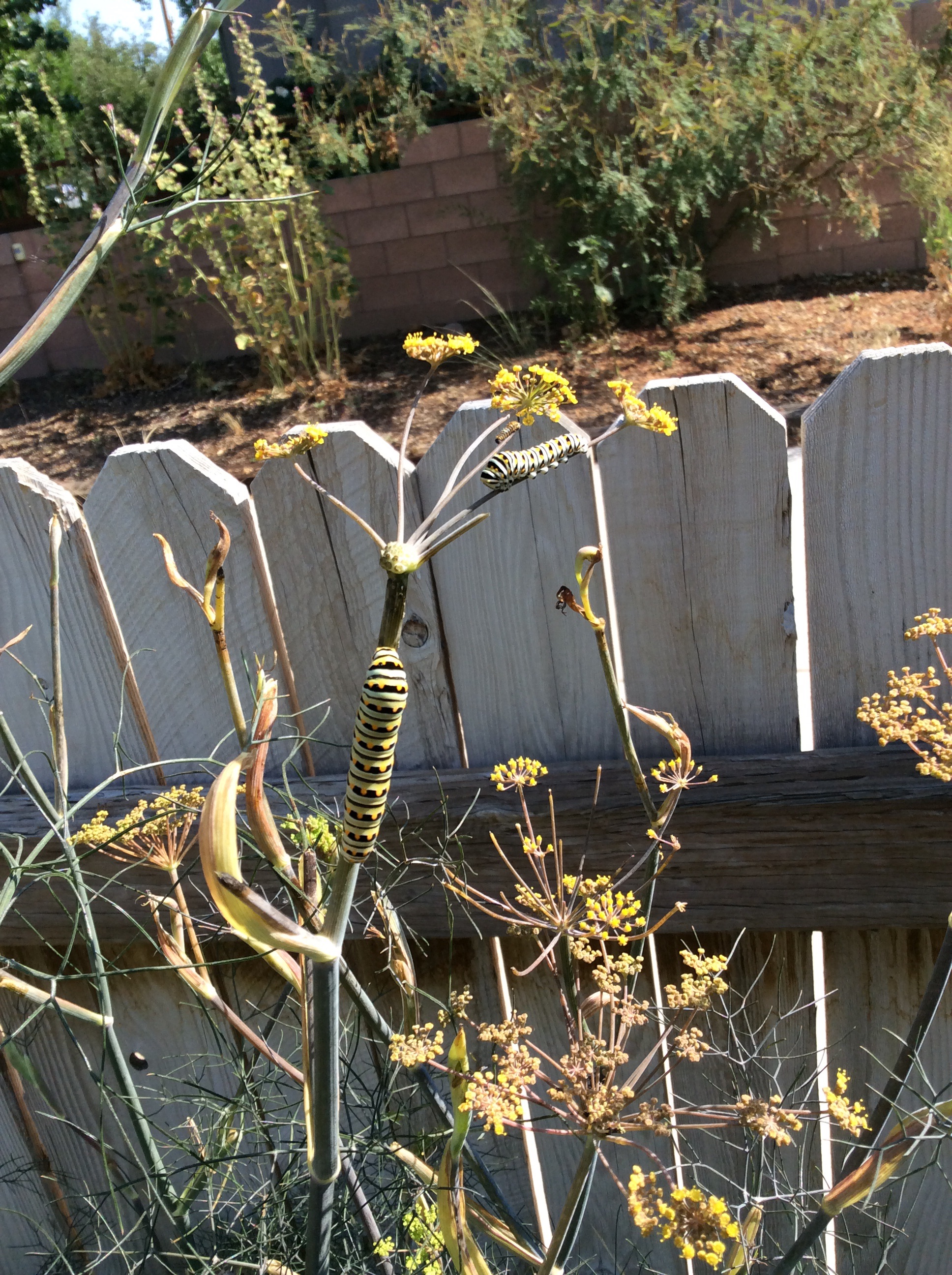
I put a birdbath on the ground in a shady spot yesterday and filled it with water, and this morning my spa was in use:
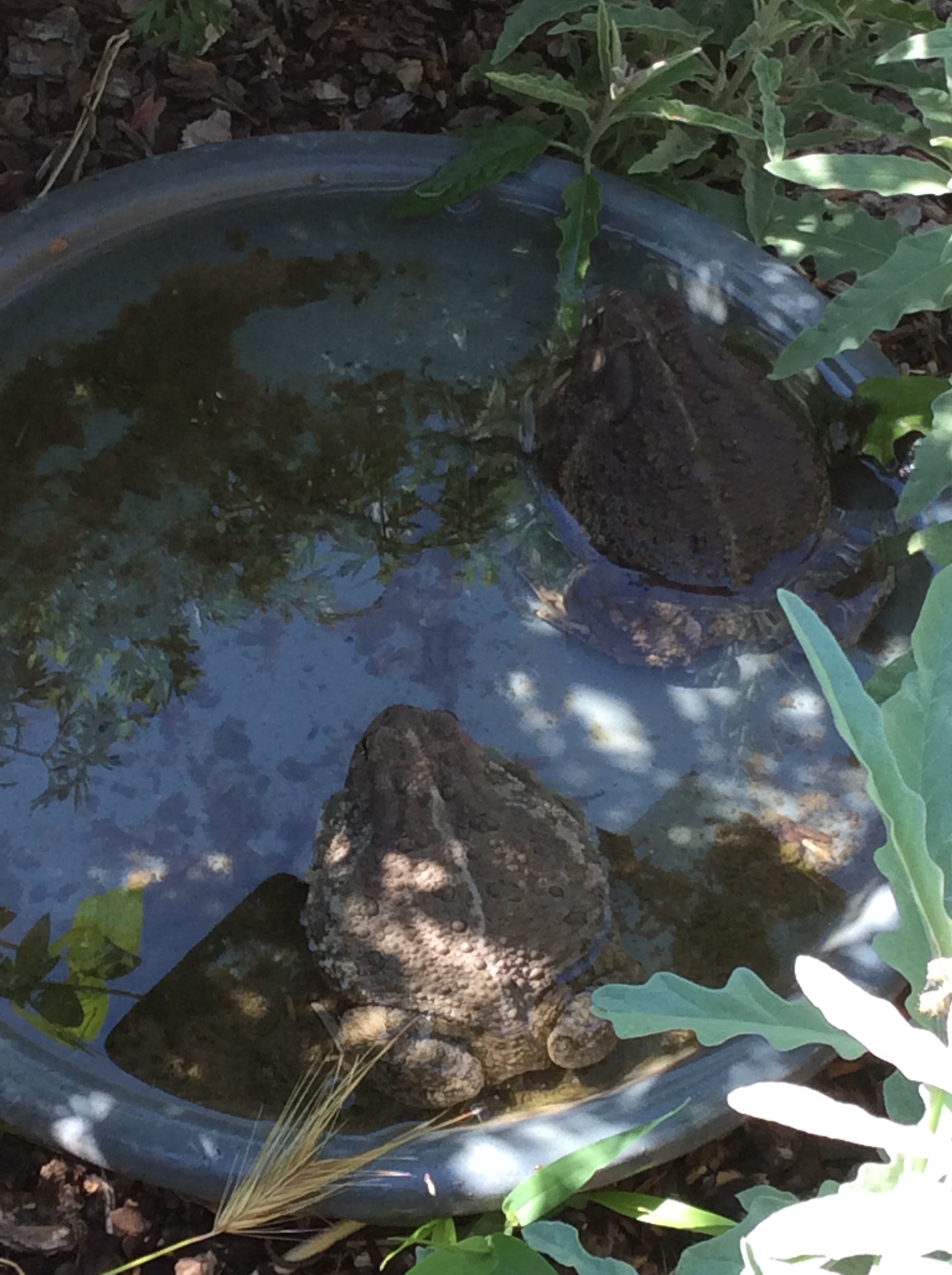
Coyotes pass through my yard (had to have the chickens’ run roofed over,) red-tailed hawks soar overhead, Cooper’s Hawks hunt among my neighbor’s trees, bees of all kinds visit the flowers, whiptail lizards scuttle among the plants, and sometimes a huge raccoon comes around to stare longingly at the chickens. Under my feet untold billions of microbes churn the soil. Invite Nature to dance and she’ll take you up on it.
21 Jun
The Bee Banquet
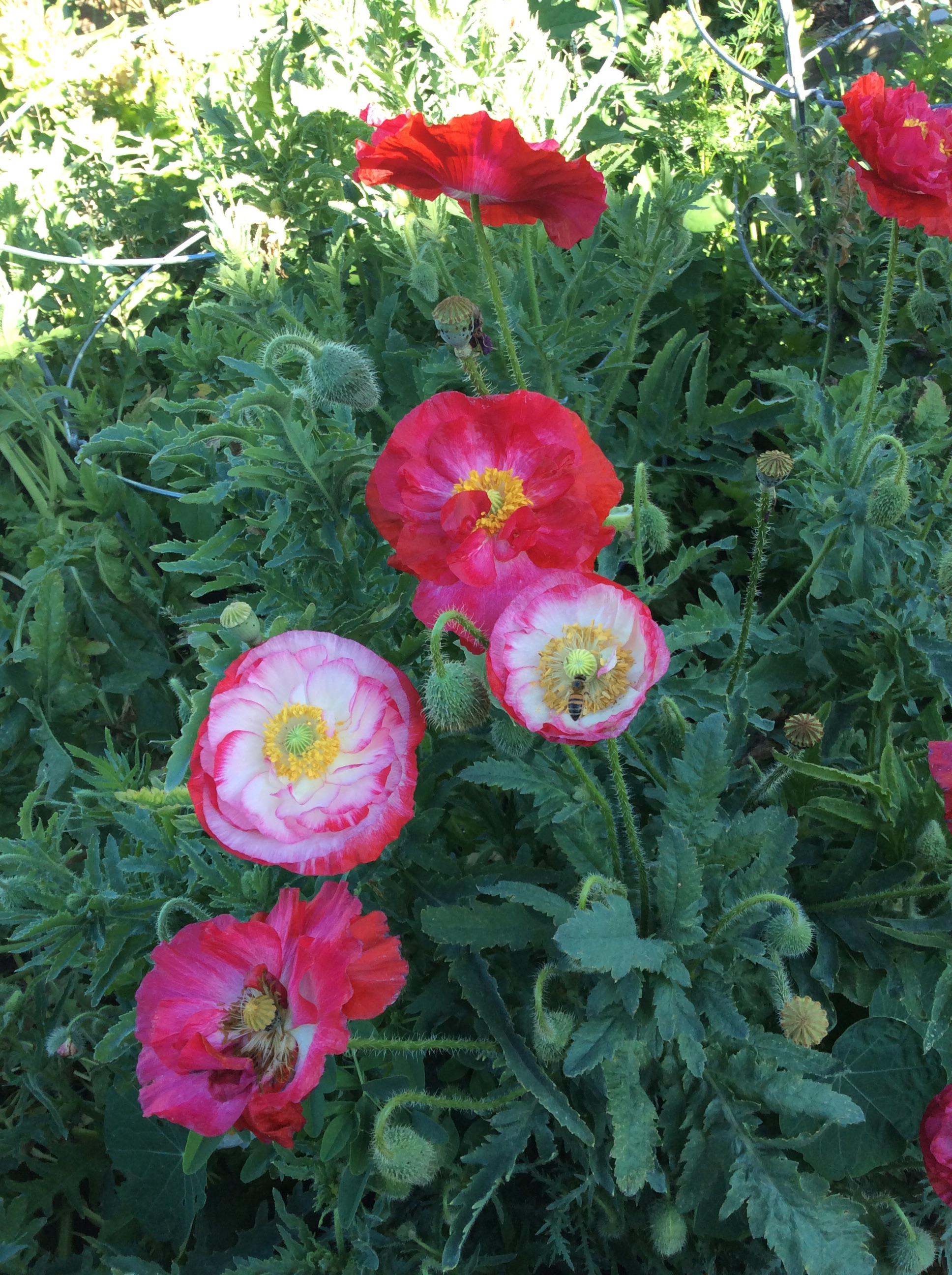
Surely everyone knows by now about the bee/pollinator crisis, and all I plan to mention here is that we gardeners can do a bit to maintain the bees that we have left. If you want your fruit trees and squash to bear, then bees are a personal issue for you, and the best things that you can do for them are garden without any insecticide sprays (the drift from which can spread a long way and is very toxic to bees) and feed them. This year I’ve managed to keep a succession of plants blooming that are attractive to bees, but by far their favorite is the common Shirley poppy, available in nearly every seed catalog. While the weather is still cold, scatter the fine tiny seed around in spots where the poppies can get big and bushy in midsummer, keep the area watered and weeded, and let them do their effulgently gorgeous thing. I scatter the seeds around my tomato bed in late winter, they hog the bed in June, and then can be pulled out after blooming to give the tomatoes breathing room. Every morning they lift my spirits twice: first when I catch sight of them and again when I get closer and hear the continual hum of bees working. I am thinking of getting a beehive so that the third thrill can occur when I see them filling combs.
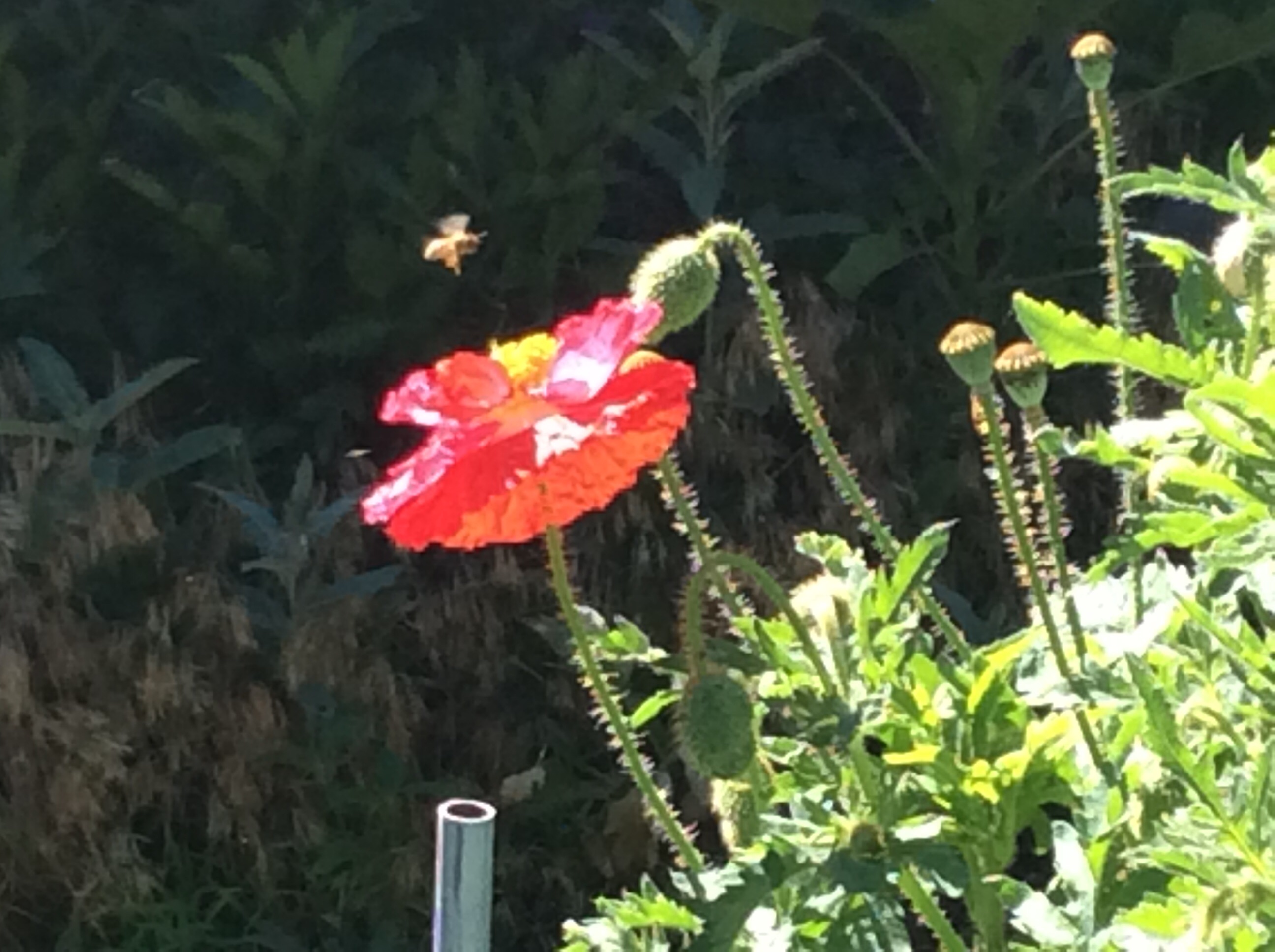
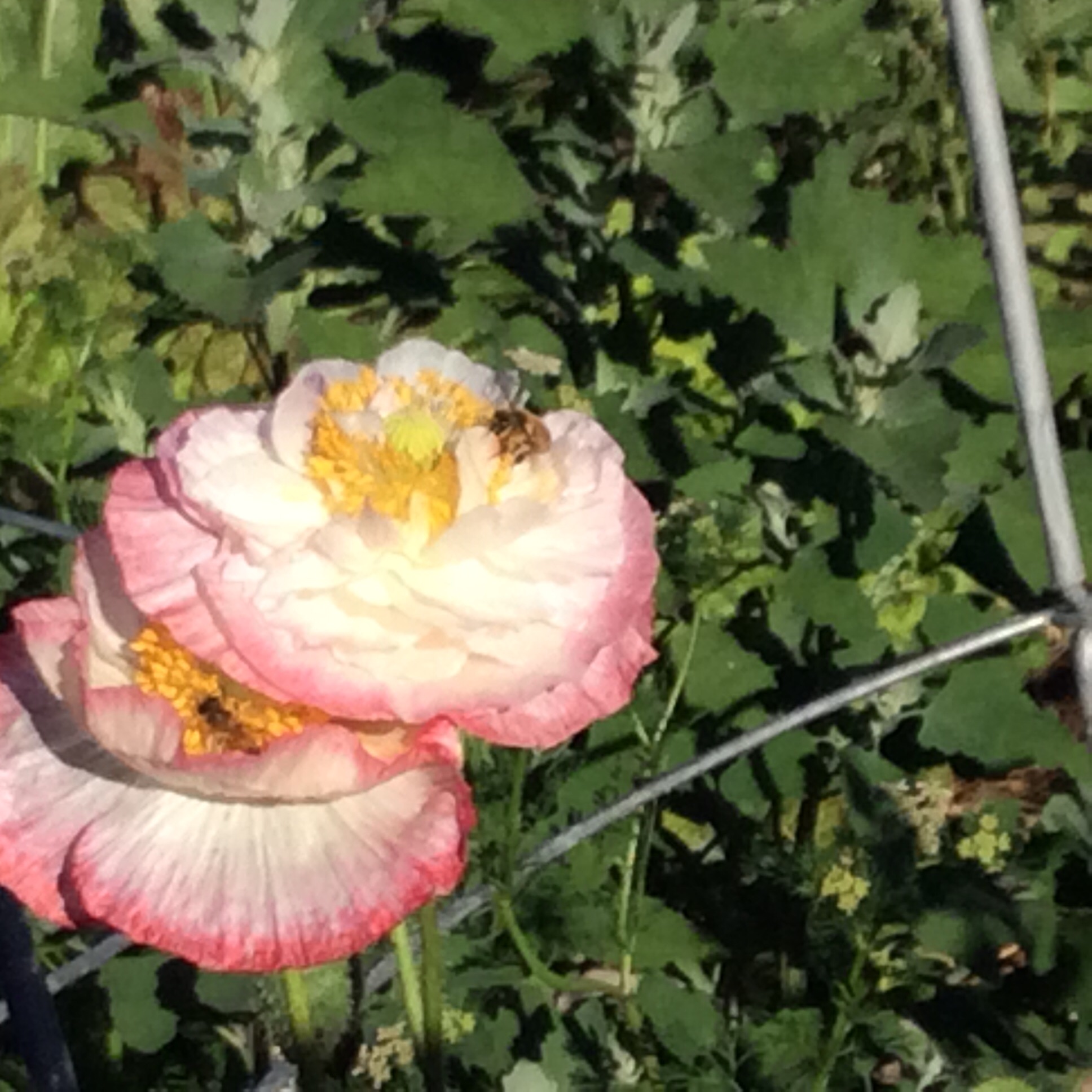
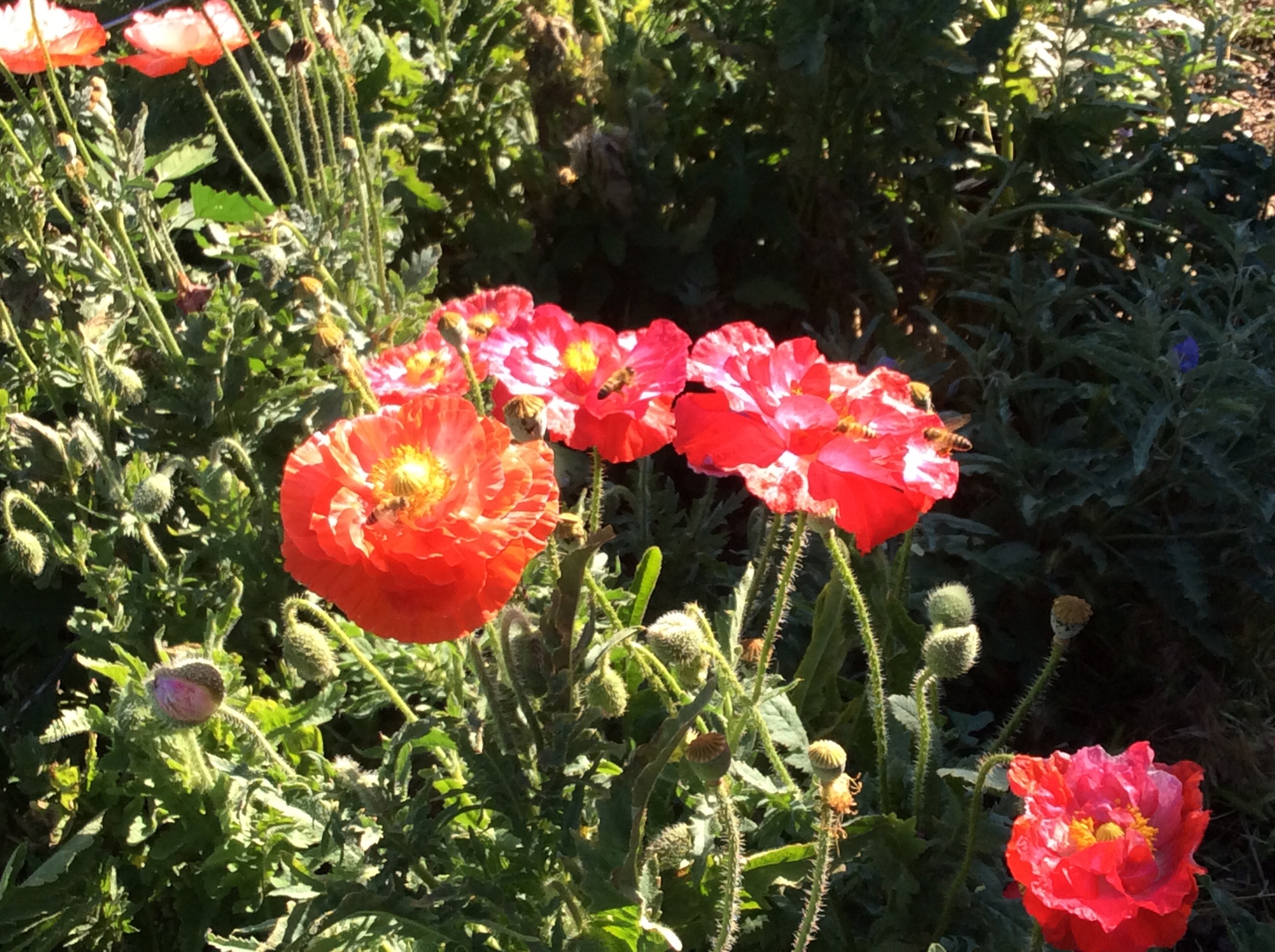
I should add that the leaves of Papaver rhoeas are edible in cooked greens mixtures, but they are no great shakes, so think of this plant as food for the bees, not you.
 My urban homestead