Archive for the ‘Ketogenic diet’ Category

Fennel in the Garden and Kitchen; a Nose-to-Tail Herb

image
image
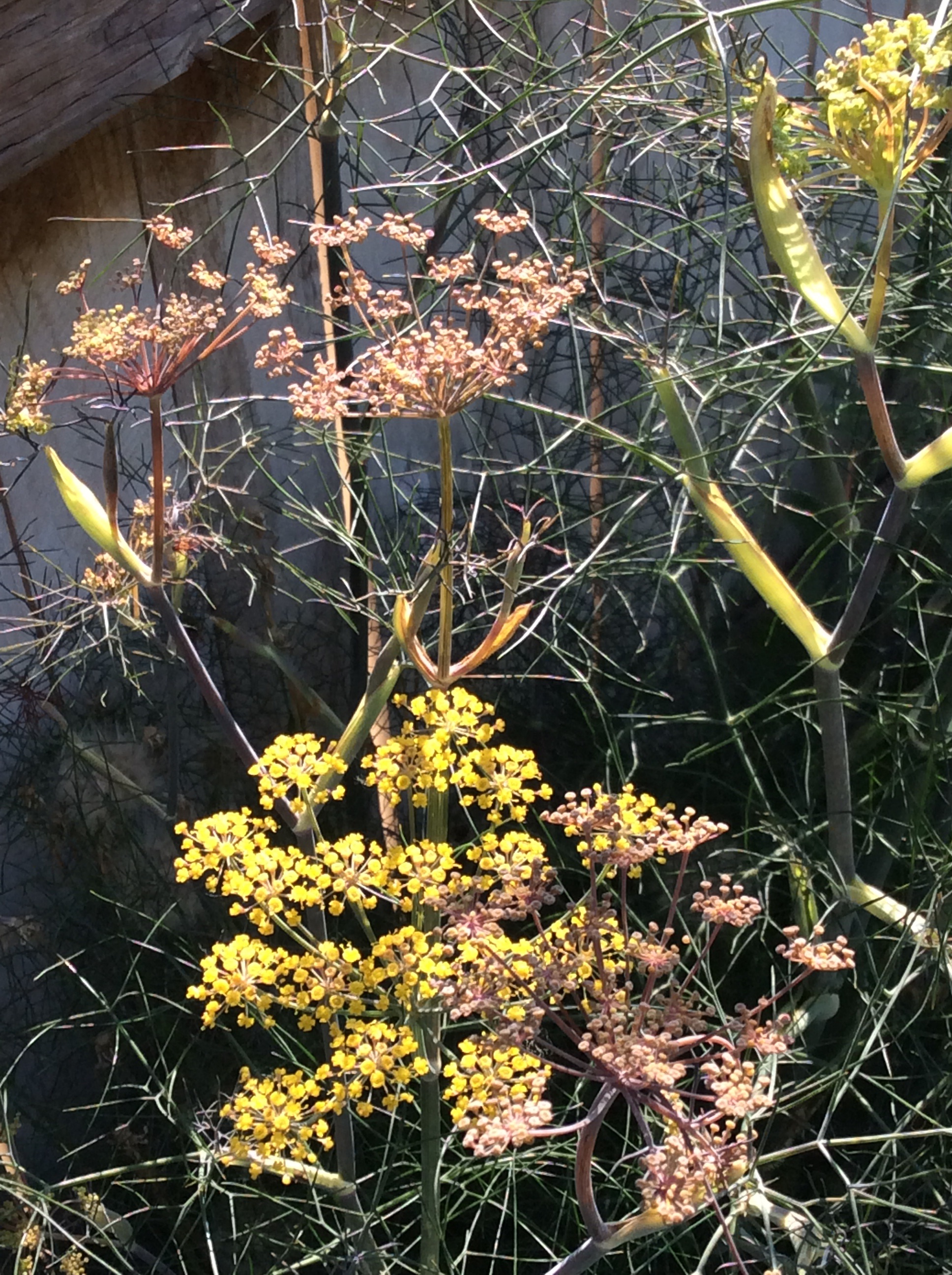
Fennel carries the true taste of summer. I love fennel and always have it around, and my favorite form, the only variety that I keep these days, is the subtly metallic bronze fennel. If you want fennel bulbs you will have to grow a bulbing type, but my interest is in other parts of the plant so the bronze suits all my purposes.
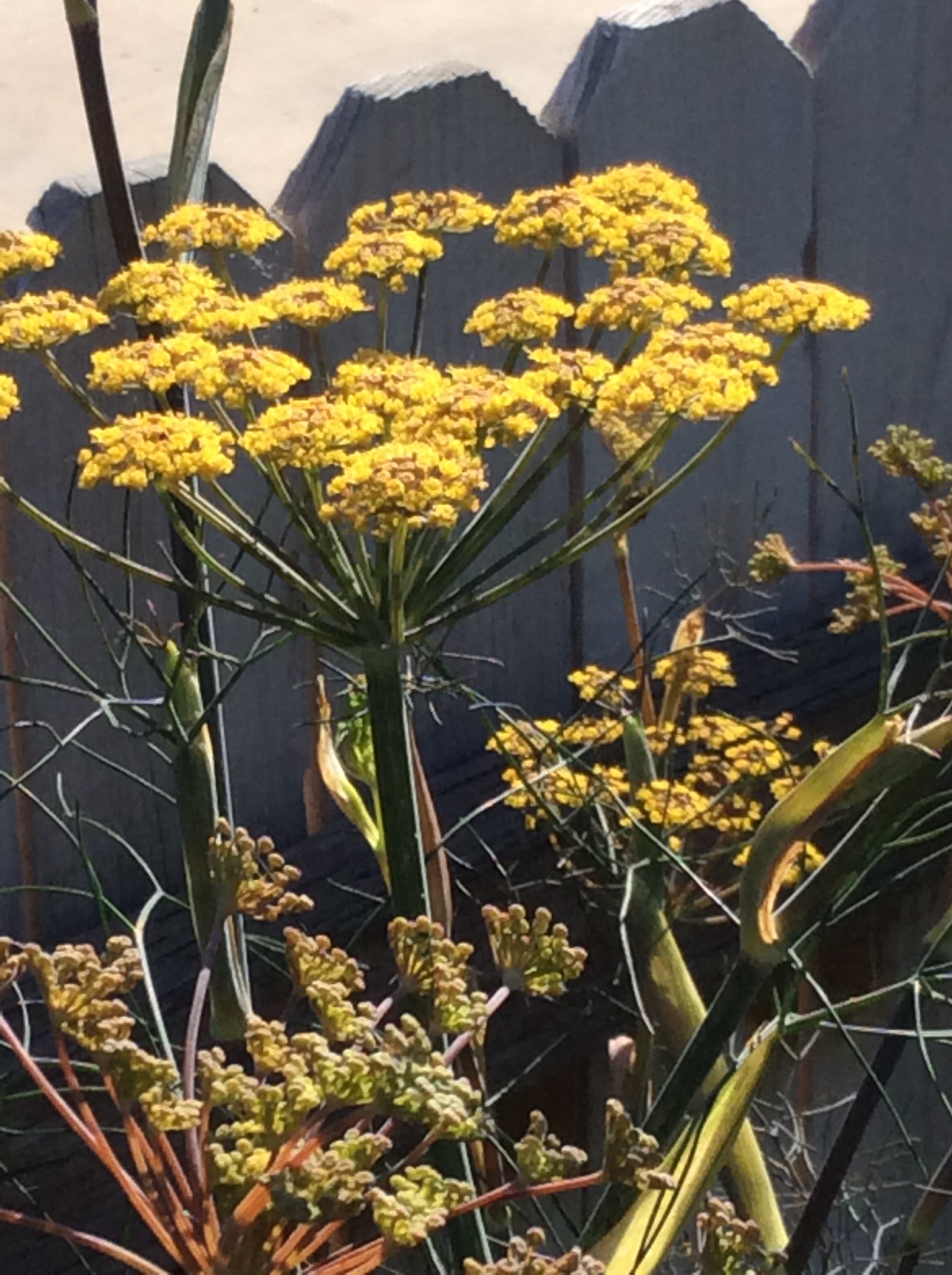
The first pleasure it offers is aesthetic: this is a lovely plant to have around. The color isn’t really bronze but a soft coppery-purple, and when hung with drops from a summer rain it is nothing short of breathtaking, in a quiet way. When dry, it is furry like a cat until the stalks form, and a little later the umbels of tiny yellow-green blooms look surprisingly pretty against the darker background. It would pass muster as a front yard edible in the most exacting neighborhood.
Second, it is beautifully aromatic. I brush my hand down a frond every time I pass it to inhale the anise-y scent.
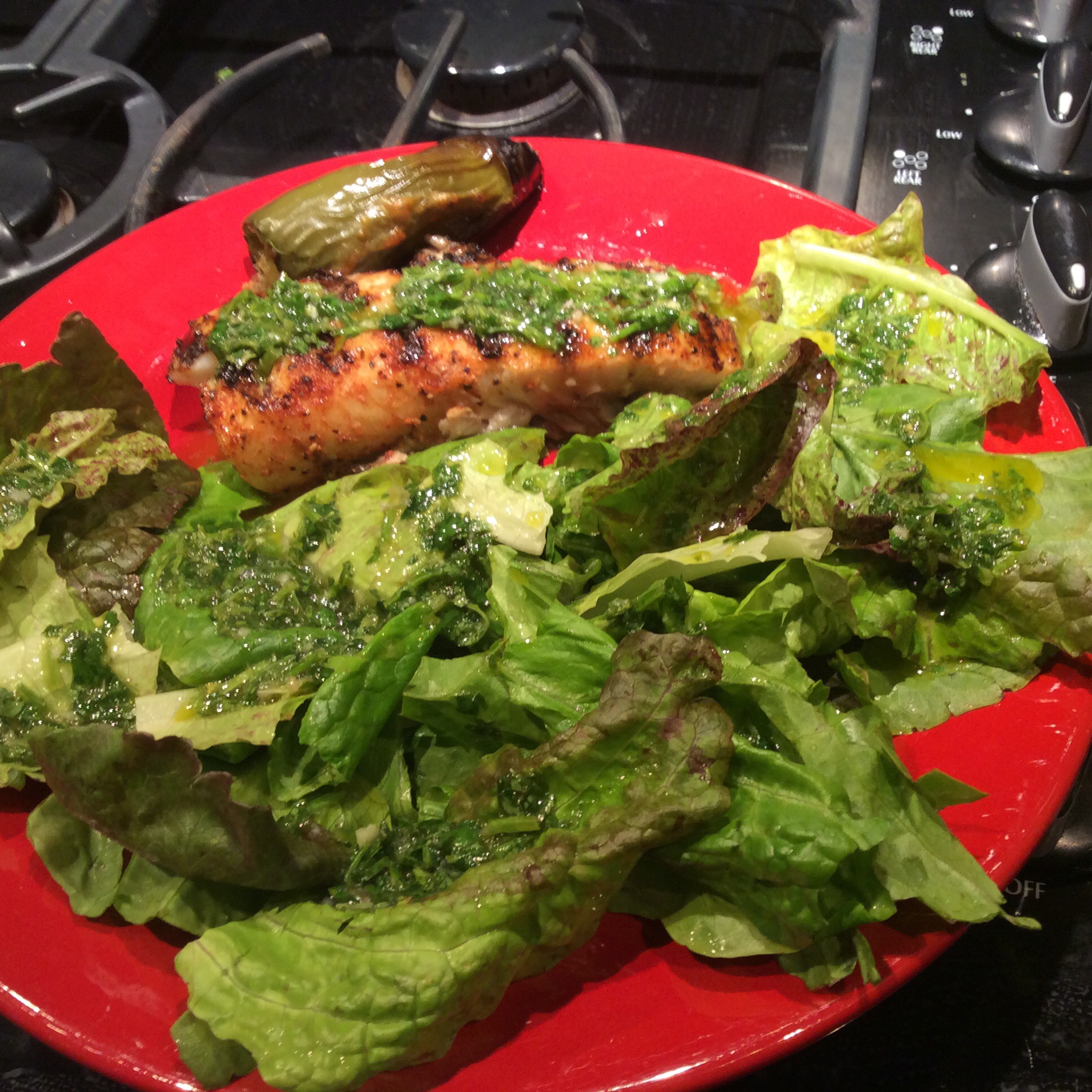
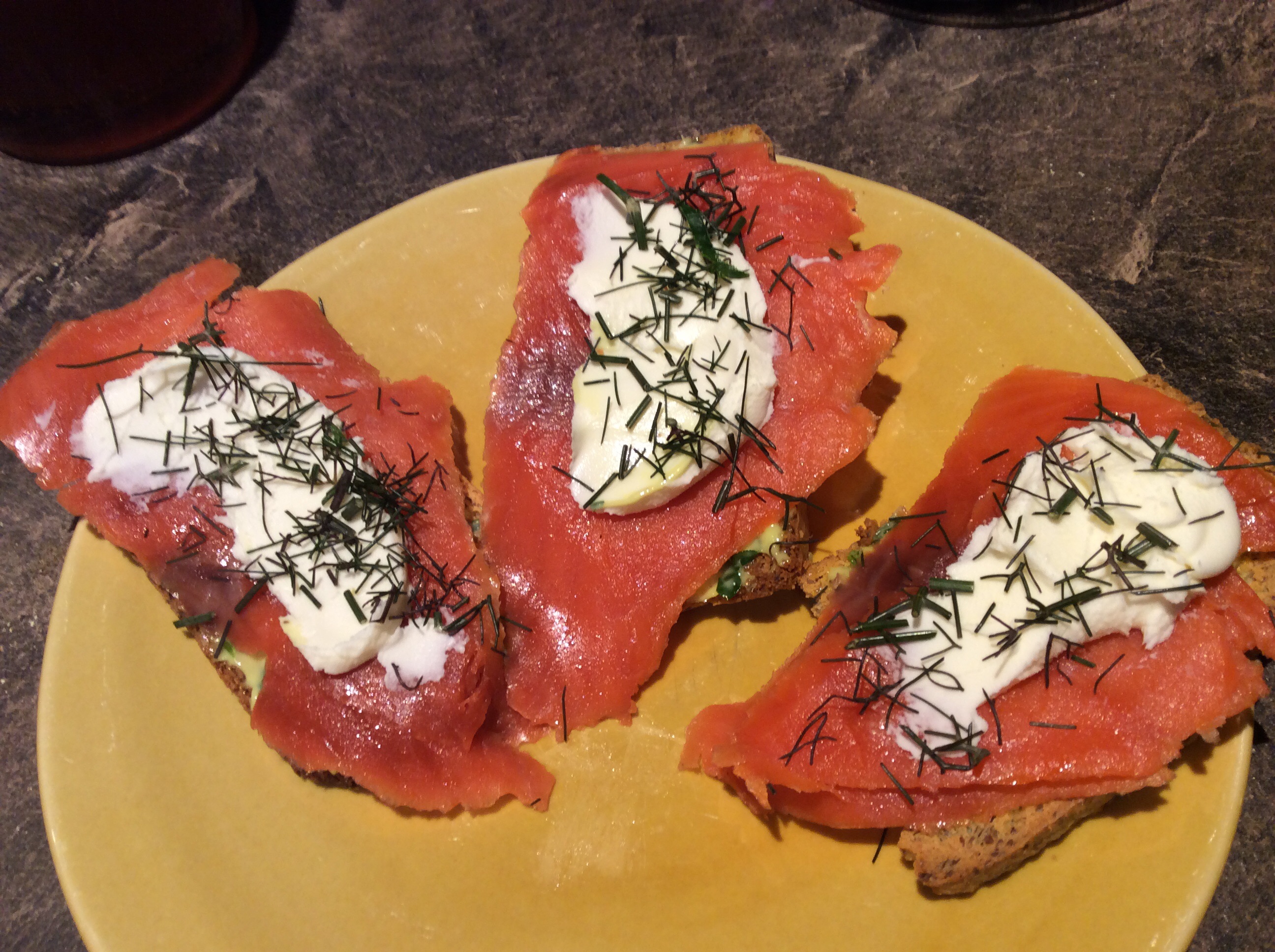
Third, it’s delicious. I can’t understand why so few people eat their bronze fennel. I admit that my main use of it is to chew up a frond while weeding or doing other garden tasks. The resiny rush is succeeded by a taste of intense sweetness and herbal licorice. I realized years ago, when going through a Greek cookbook binge, that fennel and not dill is a primary seasoning herb for horta, the greens mixture that forms a part of so many Cretan meals and snacks. A generous handful of chopped fennel fronds, sautéed with other aromatics, gives the right flavor to a batch of greens mixture. Chopped fronds are also an essential part of fish marinades and rubs, in my view, and can be delicious on chicken. A little dab of herb salad, made from chopped bronze fennel and chives or garlic chives and dressed with a very good vinaigrette, is good as a seasoning garnish alongside fish or chicken. Chopped fennel fronds are lovely in mayonnaise to sit atop grilled salmon, or yo dress cold fish salad. When grilling fish, consider putting the larger stems of fennel across the grill to make aromatic smoke. I love a small handful of chopped fronds in salads. This is a nose-to-tail herb, since besides using the leaves and stalks you can collect the pollen if you have enough plants (fennel pollen is a common aromatic seasoning in Tuscany,) and the seeds can also be collected for culinary use. One cookbook writer said that she made an anise-flavored pesto from blanched bronze fennel fronds, and that sounds delicious too, although I haven’t tried it yet. On days when I’ve worked late in the garden and the late sunset finds me hot and dirty and with a poor appetite from the heat, I can throw together smoked salmon crostinis with fennel:

Cut a few diagonal slices off a good baguette or, if you are ketogenic, cut a few thin slices of ketogenic coconut bread. Toast them, spread with green mayo Or your own favorite tarragon-seasoned mayonnaise, put on one thick or two thin slices of smoked wild-caught sockeye salmon, smear with some mascarpone or creme fraiche, and top each with a couple of generous pinches of  chopped fennel. It takes five minutes, it’s cool and soothing, and yum.
image
Incidentally, I remember reading somewhere long ago that fennel stalks coated with tallow were burned to summon good witches, and mullein stalks were used the same way to summon bad witches, unless maybe it was the other way around. So if you want to try it, you’ll need to get straight which is which. But I can say from experience that a couple of dried fennel stalks tossed on a dying fire in the fall give a lovely aromatic end to the evening that doesn’t summon anything but contentment and sleep.
image

Unexpected Dolmas, and Notes on Grape Leaves

image
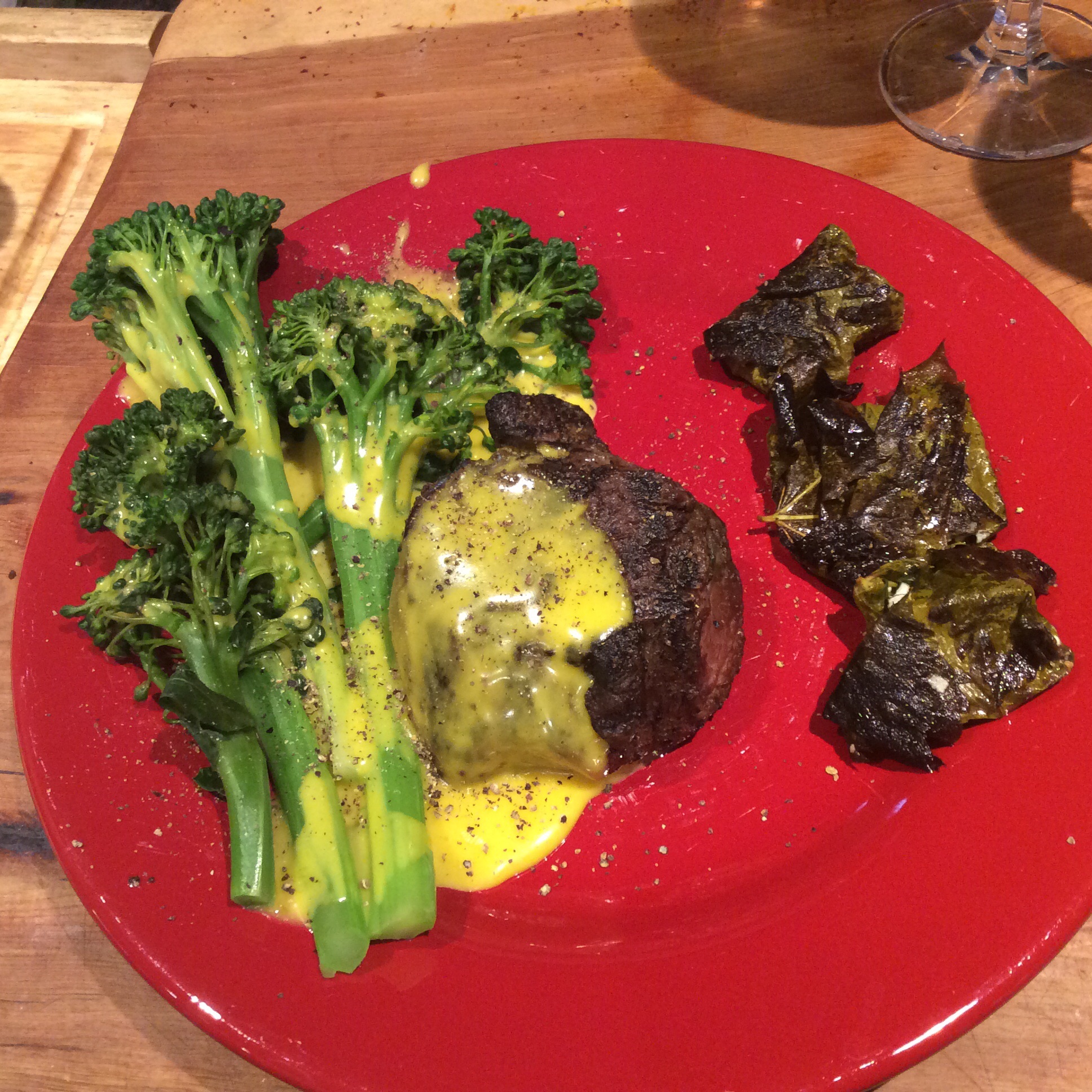
The tiny dolmas that you see on the edge of the plate above were never meant to be a post; they were meant to be a sort of amuse-bouche incorporated onto the main plate. But they were so delicious that I ended up writing about them.
They are simplicity itself. For two servings, start with eight fresh grape leaves, chosen according to the notes below. You pull a splendid chunk of Mount Vikos feta out of its wrapper, or if you have a really good locally made feta, you drain a goodly chunk of it and cut slices about half an inch thick and 1 1/2 inches long, or smaller depending on the size of your grape leaves. You need eight slices. Center each slice on a grape leaf, put a large pinch of chopped dill or chopped fresh fennel on top, and roll up the dolmas. The fresh leaves are a bit stiff and you will have to coax them. Heat up a nonstick ceramic skillet, and when it’s good and hot put in about 3 tablespoons of good olive oil. After a few seconds for the oil to heat, put in the dolmas with the last fold downward, to hold it in place. Fry until browned but not blackened, flip, and brown the other side. Serve. Eat. Simple as that. I can’t help noticing that these would make a great Cook’s Treat, a meze for one, eaten standing while working on other aspects of a large meal.

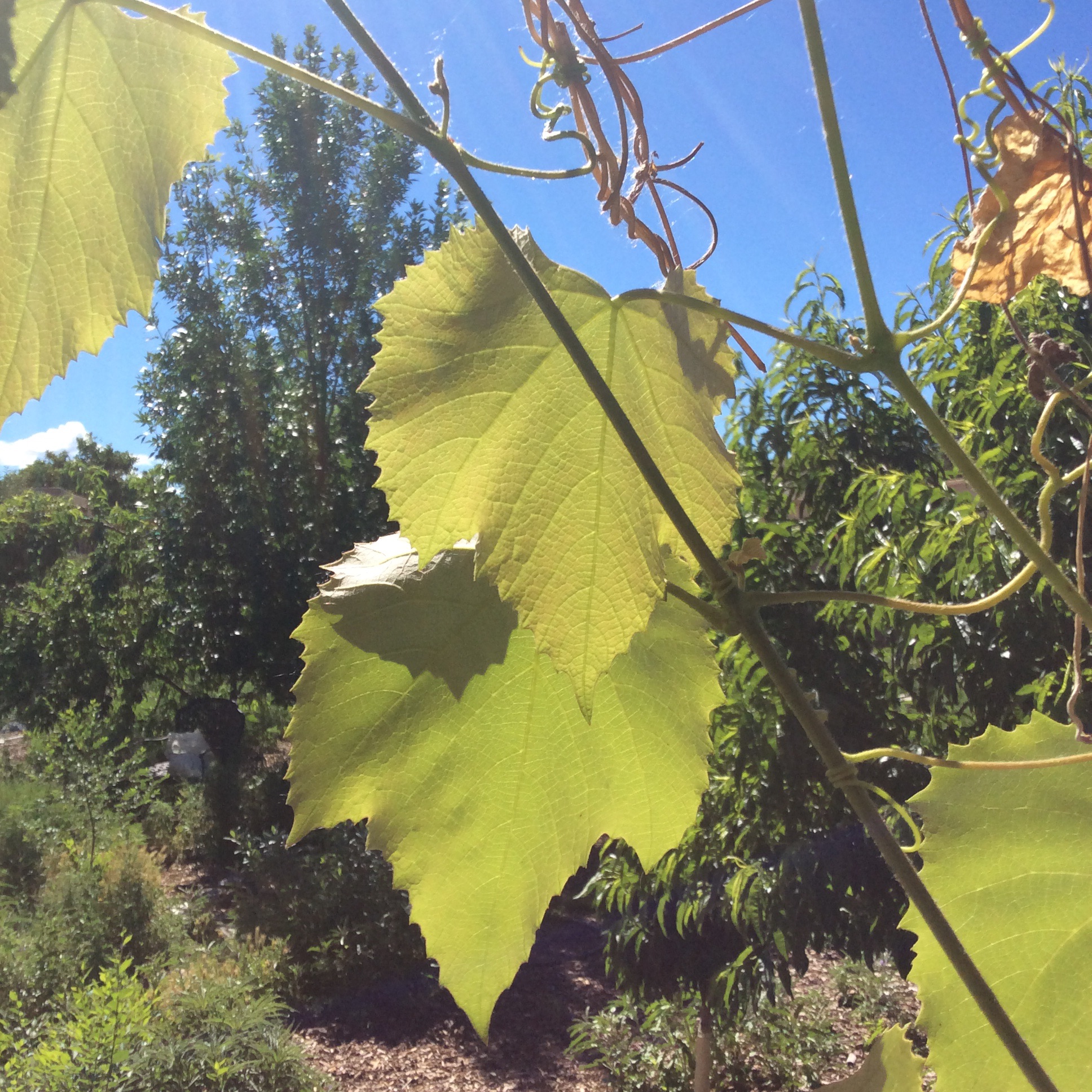
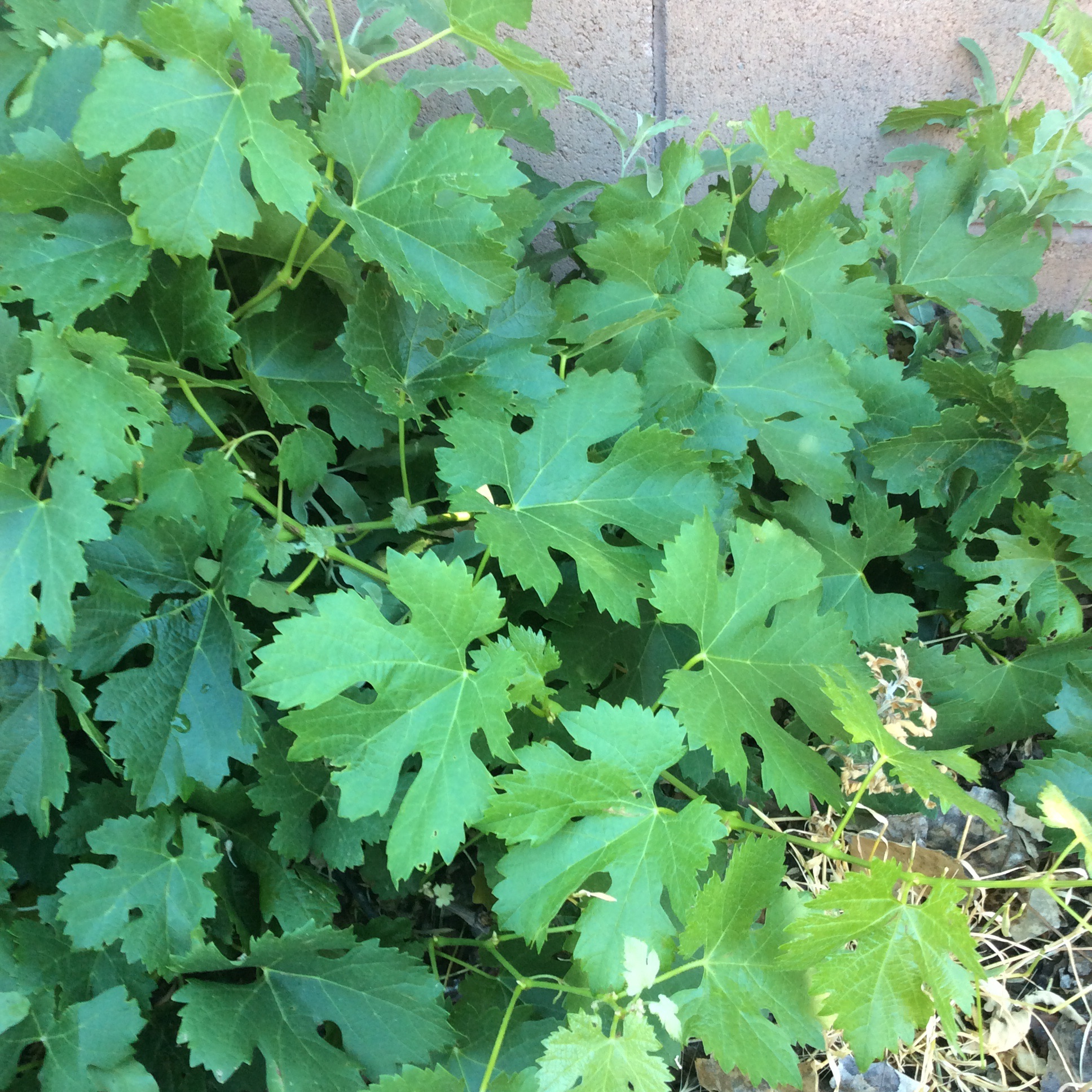
Now, about catching your grape leaves. I don’t know why some are tender and tart and others are papery and  unchewable, but I do know that it’s imperative to taste a leaf from the plant before you try to use them in cooking. I have two wine grape vines, a Syrah and a merlot, that have delicious leaves even when they have been on the vine a while, and a Concord that has totally inedible leaves even when tried very young. But I have tasted wine grape leaves that were awful, so taste your own vine or the vine that you have (legal) access to. If the leaf chews up without much of a problem, you are good to go. If you are left chewing something that feels like a papery candy wrapper to the teeth, no skill on the cook’s part will overcome this and you are better off with commercial brined grape leaves.
image

These are the leaves of my Concord vine, and they look perfect for stuffing, but don’t try to eat them unless you want an impaction.
image
These are the leaves of my Syrah grape, and they look too deeply lobed to cook with, but they are tender and sorrel-sprightly to eat.

Notes on the Ketogenic Diet

image

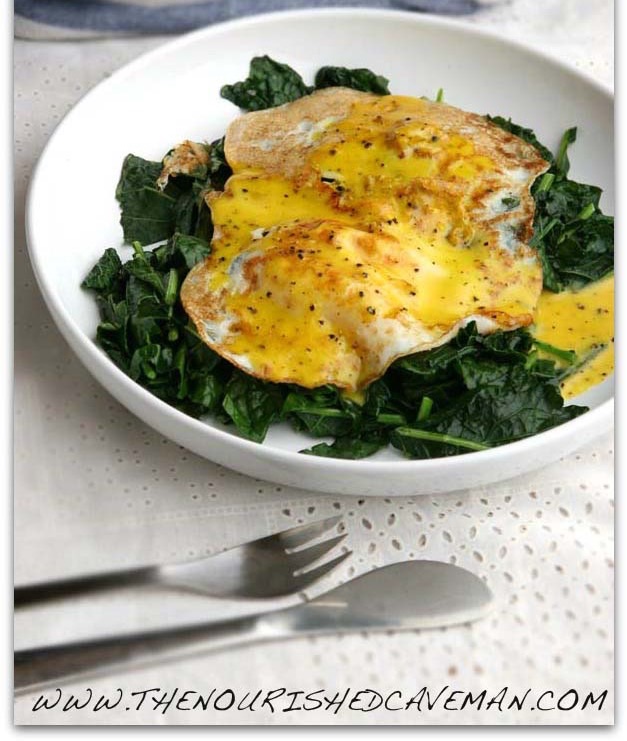
I have alluded several times to ketogenic dieting, and decided to say a little more before I go back to garden talk. I started eating ketogenically a little over three years ago, in response to increasing weight, blood pressure, and blood sugar. I don’t expect to eat any other way for the forseeable future, because I like being thinner, feeling better, and having no medications to keep track of. I am not making recommendations for anybody but myself. If you are interested, read the most recent Atkins book you can find, one that lists Volek and Phinney as authors since they are two of the foremost researchers in this field. For myself, I can only say that it has been exhilarating to find that the slow progression to type 2 diabetes is totally within my own control and doesn’t have to happen. I “cheat” on fruit when it’s fresh from my own yard but otherwise stay very low-carb. Deprived? Not hardly. The lovely plate above, “borrowed” from The Nourished Caveman, is just one example of what’s possible.

The bulk of my diet these days is leafy vegetables, both raw and cooked, and this is where being a gardener and forager comes in really handy. To get this quantity of greens in organic form from the store would be quite possible, but expensive. I cook them with healthy fats and any seasonings that take my fancy. I eat moderate amounts of meat, poultry, fish, and seafood. This is not an especially high-protein diet, although protein content is certainly high relative to the standard junk-food diet. I do use a few artificial sweeteners, mostly oligofructose (a natural derivative of chicory root) and liquid stevia, but I try to minimize them and I don’t obsess about making sugar-free desserts. Dessert should be an occasional treat, not a nightly right.

All of this said, I don’t intend to write much more specifically about this way of eating. It’s my lifestyle choice and not binding upon anyone else. If you’re interested, just be aware that my posts and recipes since I resumed blogging early in 2015 are compatible with a low-carb lifestyle, but older posts are not, and that green vegetables are your friends!
image
image
image
For those who have tried low-carb and not gotten good results, the link below is a nice concise and useful summary of the most common mistakes.
Low Carb Mistakes
Here’s another helpful input from the Atkins forums:
Doing Atkins Right

Veggies for One, or Two

image
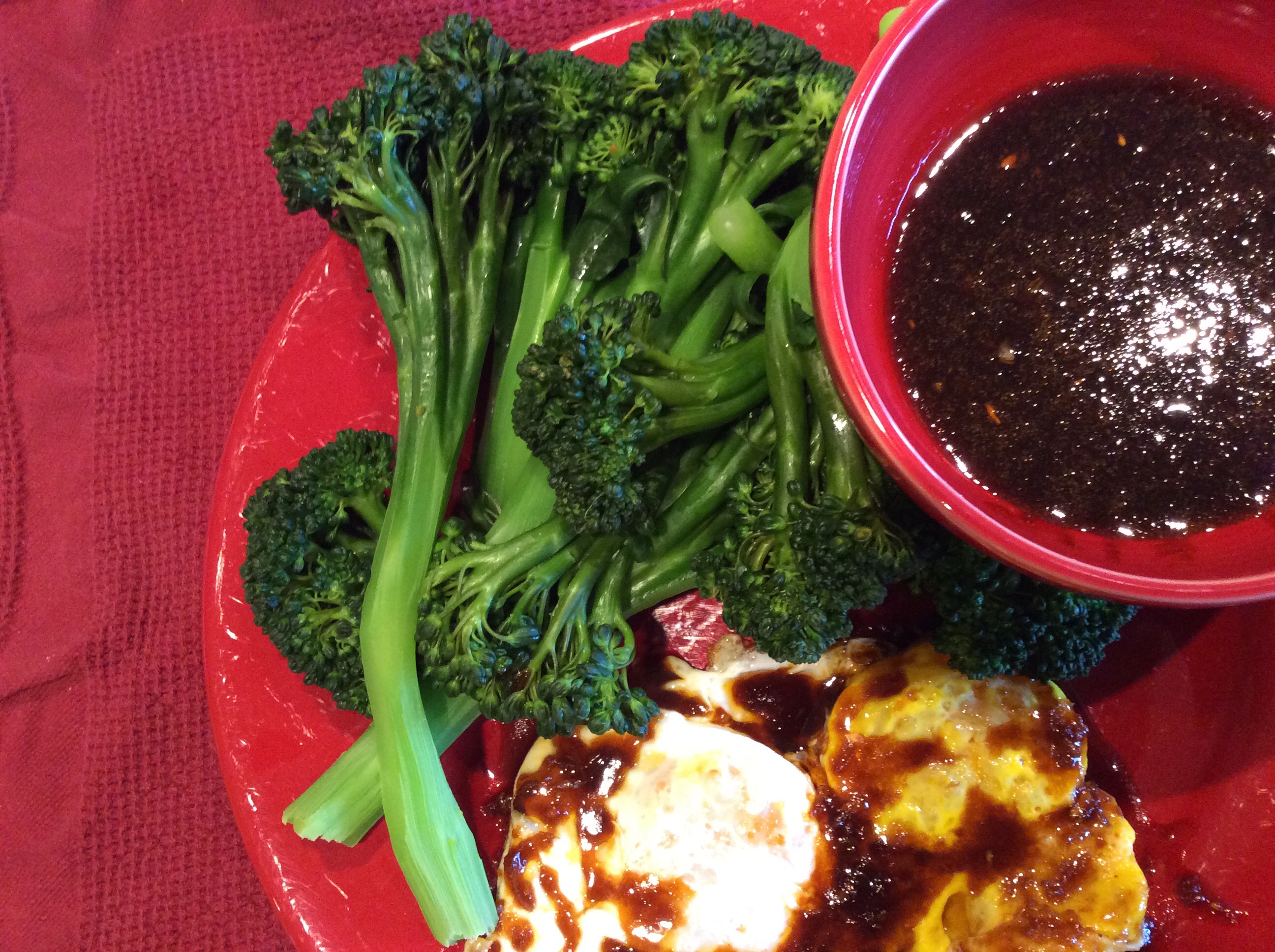
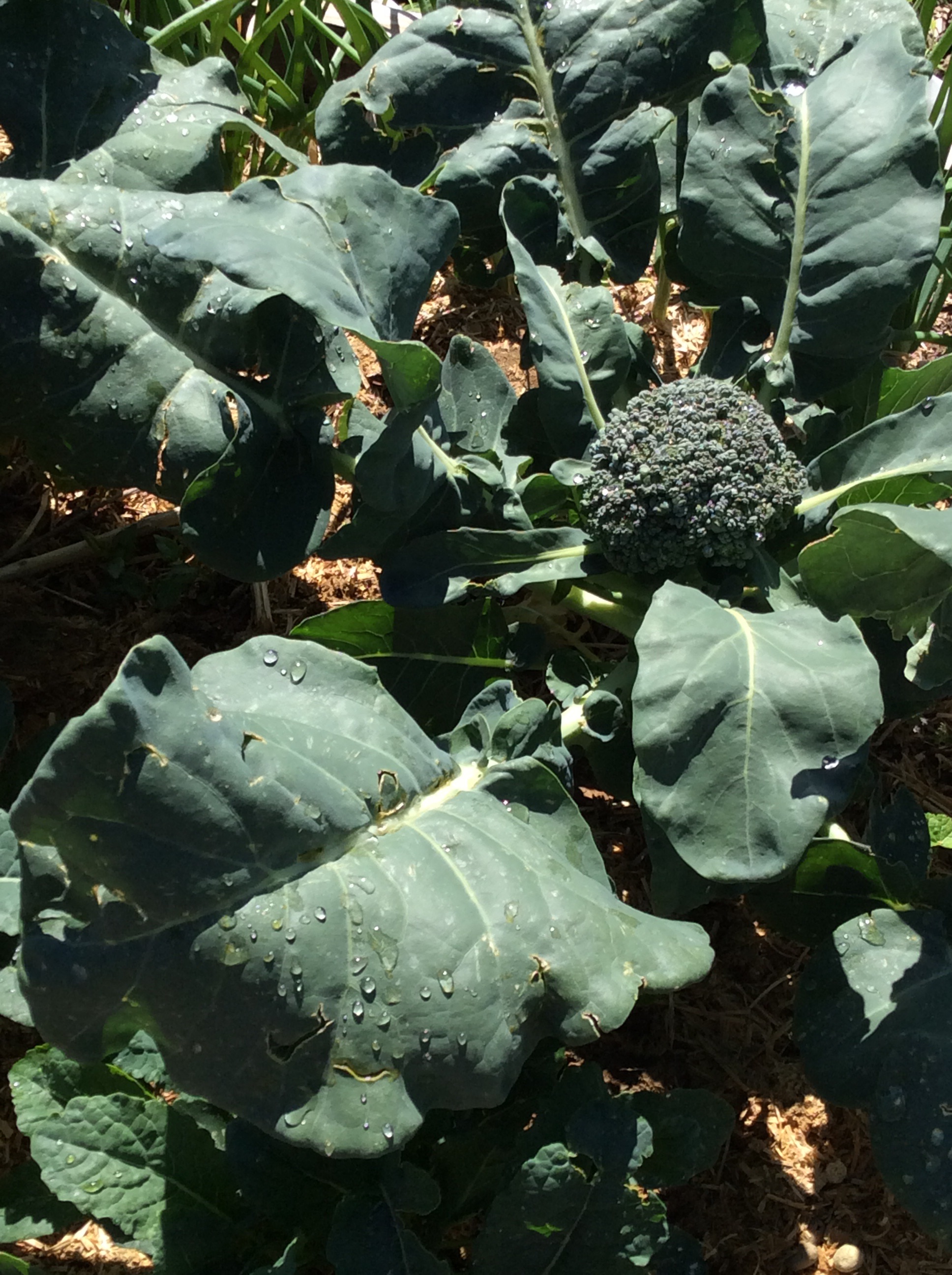
One of the joys of early summer is seeing gorgeous big heads of broccoli “crowning” above the leaves. After you’ve cut the central head, the fun is just beginning. Keep replenishing fertile mulch around the plants and keep them watered, and soon a ring of side shoots will appear above the foliage. Cut the shoots with their long stems, being careful not to harm the main stem of the plant. Rinse them off and peel the stems carefully with a vegetable peeler. Steam to taste. In my opinion, broccoli should be steamed for eight minutes, and raw broccoli is not a vegetable at all. Your mileage may vary.
My favorite way to eat these long elegant stalks is with a quasi-Korean dipping sauce. I was particularly hungry and added a fried egg (double-yolked, so I got a bonus) and drizzled it with the dipping sauce too. The sauce is flavored with gochujang, a lovely deep-flavored fermented sweet chile paste that is unlike any other form of chile. Currently the only brand of gochujang I use is from the quirky company Mother-in-Law’s Kimchee.it contains rice powder and sugar and has some carbs, but you don’t use that much and it doesn’t have any corn syrup. I make this sauce by the pint and keep it in the refrigerator. The recipe as given here makes just over one cup.
The sweeteners that I use are oligofructose, a chicory root derivative, and liquid stevia, because I’m a ketogenic eater. If you don’t worry about carbs, you can just add sugar to taste at the boiling stage. If you do use oligofructose, I recommend the Sweet Perfection brand. Other brands have a bitter taste to me.

Dipping sauce
3×1″ piece of ginger, peeled
8 cloves garlic
3 tablespoons coconut oil
2-3 tablespoons gochujang depending on your heat preference
1/4 cup rice vinegar
3/4 cup soy sauce
1/2 cup Sweet Perfection oligofructose
Drops of liquid stevia to taste

Chop the ginger and garlic while a small saucepan heats up over medium heat. When hot, add the coconut oil, let it heat a minute or two, and add the chopped ginger and garlic. Stir-fry until they are cooked and fragrant but haven’t colored at all. Add the rice vinegar and soy sauce, bring to a boil, and slowly pour in the oligofructose with your nondominant hand while whisking rapidly with your dominant hand. It will form awful clumps if not handled this way. When it is all incorporated, remove the pan from the heat, let stand at least ten minutes to cool, and add liquid stevia just 2-3 drops at a time, tasting to make sure you don’t go too far. Serve in neat small bowls with nearly any meat or vegetable that could use some quick perking up. It seems tailor-made for broccoli, but a big glug poured over rapidly stir-fried greens is also pretty damn good, especially with chopped hard-boiled egg on top to complete the meal, and a salad of leftover thinly sliced steak or chicken, fresh sliced romaine, and this sauce as a dressing makes a beautiful lunch.
image