Archive for the ‘farmers market’ Category

King Corn

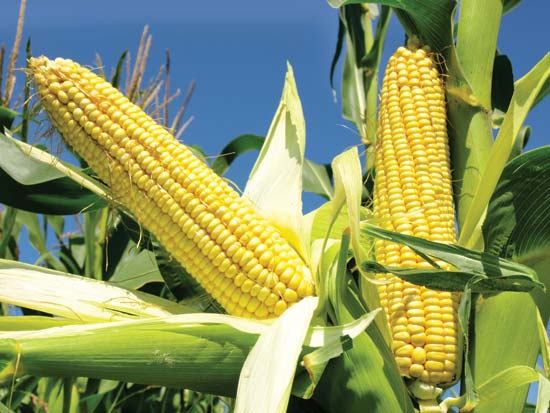
King Corn, a documentary about the supremacy of corn grown for production of sweeteners and animals in American agriculture, was released ten years ago. At the time, some reviewers considered it too low-key compared to supposedly harder-hitting documentaries like Super-Size Me! But I think that King Corn has held up a lot better than some of its more shrill and polemical contemporaries, and I am going to try to get you to watch it.

First, let’s consider whether the problem addressed is still a problem. Have rates of obesity or diabetes gone down since the movie was made in 2007? Quite the opposite. In adults age 40 to 59, obesity has risen to a stunning 41%. In 2015, 9.4% of American adults were diabetic, and another 84.1 million were considered pre-diabetic. Our scientific knowledge of the hazards of sugar in all its forms has grown by leaps and bounds, and so has our national sweetener consumption. So, uh, let’s keep talking about this.

With that in mind, I watched King Corn unfold. It is a sweet low-key film and doesn’t hammer you with a message. It just shows you things. Things like Earl Butz laying out the paradigm change to “more food, cheaper food!” Things like anhydrous ammonia being injected into the soil, and herbicides being rained onto the soil in 90 foot swaths, all to grow more corn. Things like genuine and literal mountains of corn being shoveled into confinement animal feeding operations and sweetener factories. Things like current farmers admitting that they won’t eat their own product, and the owner of a confinement cattle feeding operation saying “if the American consumer wanted grass-fed beef, then we could and would produce it.” Things like Dr. Walter Willet of Harvard, one of the greatest nutritional researchers in the world, explaining what all this means in terms of American health. Things like small American farmers going under as their neighbors consolidate to produce more and more and yet more corn. And, tragically, things like a delivery driver talking to one of the protagonists about the ultrasweet grape soda that he drank constantly when he was growing up, and about his father‘s eventual death of diabetes. “They amputated his toes first,” the driver says, “then his foot, then his leg below the knee, then above the knee. When they started cutting on his other leg, he gave up. He died.” The driver went on to say that he himself had lost a huge amount of weight just by giving up soda. I’m a doctor and this scene made me want to cry. Currently the national cost of diabetes in the US is calculated to be a stunning 105 billion per year, a figure that becomes even more remarkable when you learn that it does not include the cost of workdays lost. The cost in human suffering and loss of lifespan and healthspan is beyond calculation.

If you wonder what any of this has to do with an urban gardening and home food production blog, I would say that it’s the backbone of what I’m talking about here all the time. It simply is not possible to grow or make at home anything that is as unhealthy as most of what is sold to you in stores and restaurants. I seldom venture into large grocery stores these days, but when I do, what I see is aisle after aisle of things that are not really food. Don’t eat this stuff.  Bushels of money are being made out of messing up your health. Grow something, cook it, and eat it, or buy it directly from the person who grew it.  Take an interest in the health of the soil right around your own house. Take to heart the interview clips in King Corn that show Michael Pollan sitting and talking to the interviewer with his home garden in the background, Tuscan kale prominent.  Plant one little plot of kale, cook it six or seven different ways, and see what you like.  Use the fall and winter to start planning a small garden for spring. Find three recipes for leafy greens that you really enjoy, and make them often. Serve them to your family and friends.  This is not just a fun and loving but a subversive act.   Almost everything in our corporate food culture is designed to get you to eat things that are not good for you. There are corporations that exist to make a mint at the cost of your health,  and then other corporations that make further fortunes by making pharmaceuticals to treat your food induced health conditions and allow you to continue eating swill, but you are smart and wily and you are going to begin fighting back.
Green Odds and Ends

On my occasional staycations I have time to interact with my garden and kitchen in a leisurely way. I have time to notice things. Unfortunately, some of what I notice is at best a call to action and, at worst, a problem unfolding itself.

Take lambsquarters. This  weed is a real nutritional powerhouse, and also is happy to take over your world if you allow it.   I have written in the past about how to make it behave itself, and I do wish that I had followed my own good advice this year. But I foolishly let some plants go to bloom, which means that the leaves are scant and seeds will shower on my garden soon.

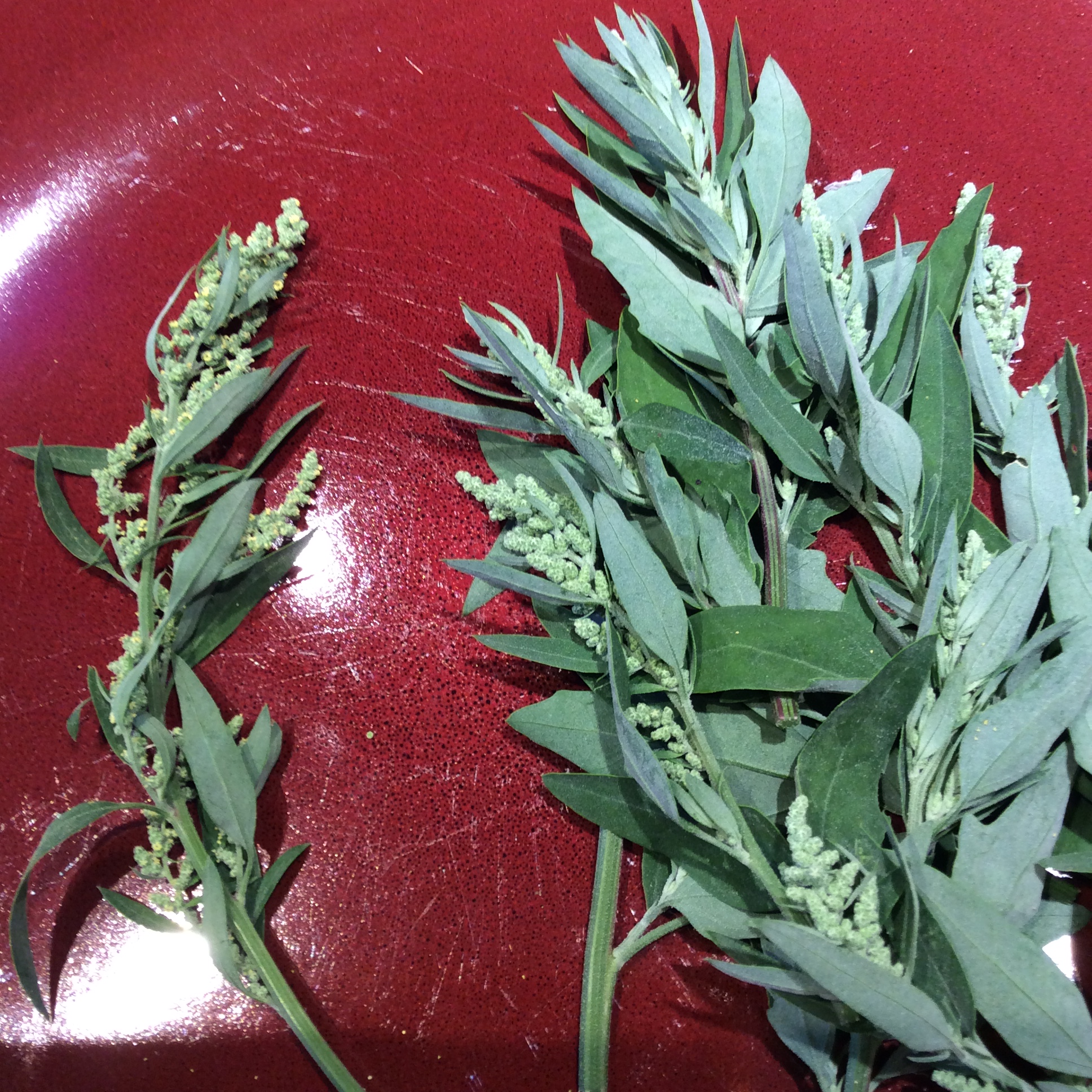
Well, all is far from lost, because Chenopodium album is still producing something edible. Notice the branch tips and you will see the clustered buds ready to pick and cook. This common weed is a true nose-to-tail vegetable.

To the right above, you see tightly packed buds, perfect for cooking. The single branch to the left shows looser formation and tiny little yellow stamens, indicating that it’s gone to flower. It’s still edible at this stage but the stem is tougher. A little later the seeds start forming and, to my taste, a slight unpleasant bitterness develops and the stems get noticeably tough, so I try to eat it up before that point, but the seed clusters look a lot like the initial bud clusters. Chew a bit raw if you want to be sure. If it tastes mild and green but not bitter, and the stem can be snapped in your fingers without undue effort, it’s kitchen-ready.

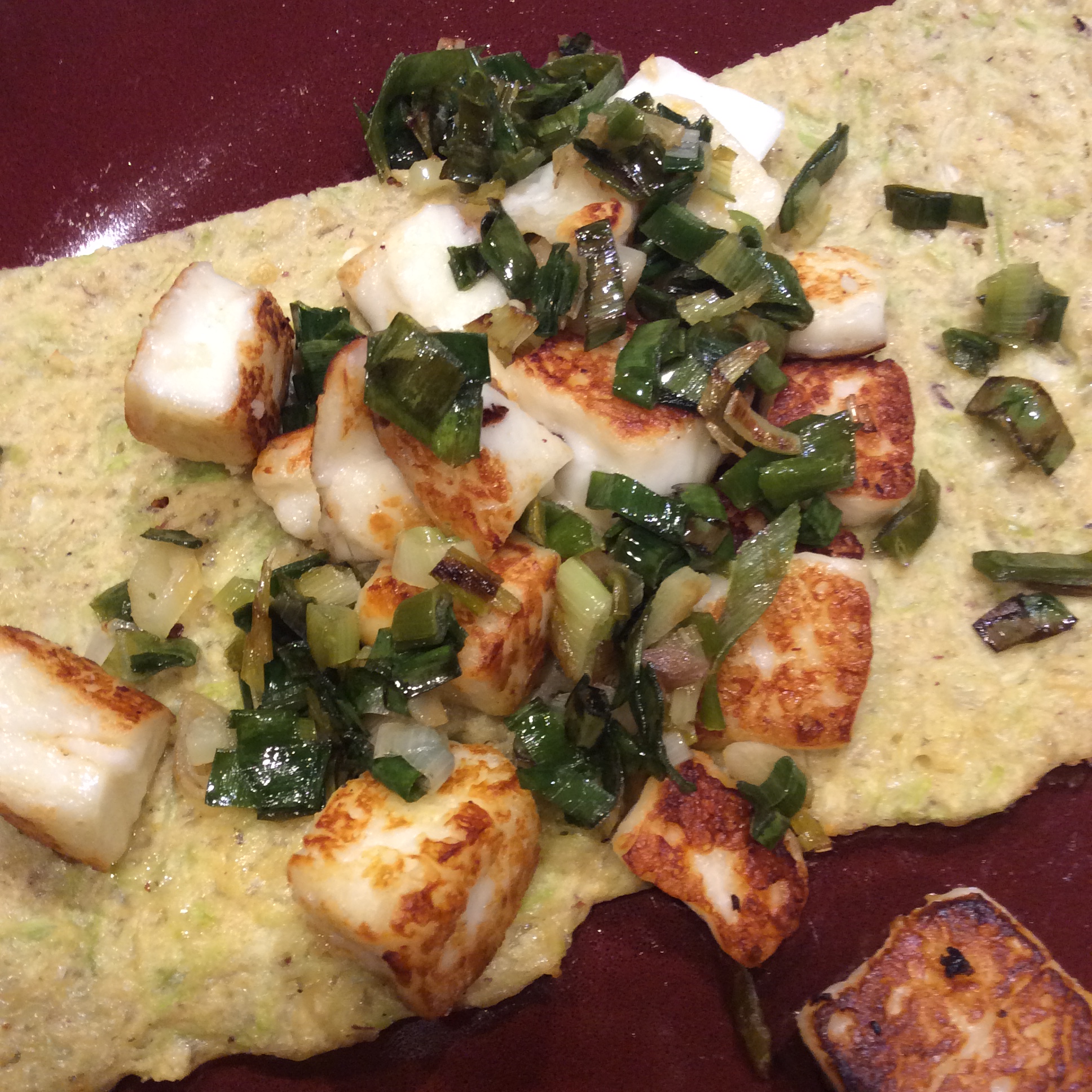
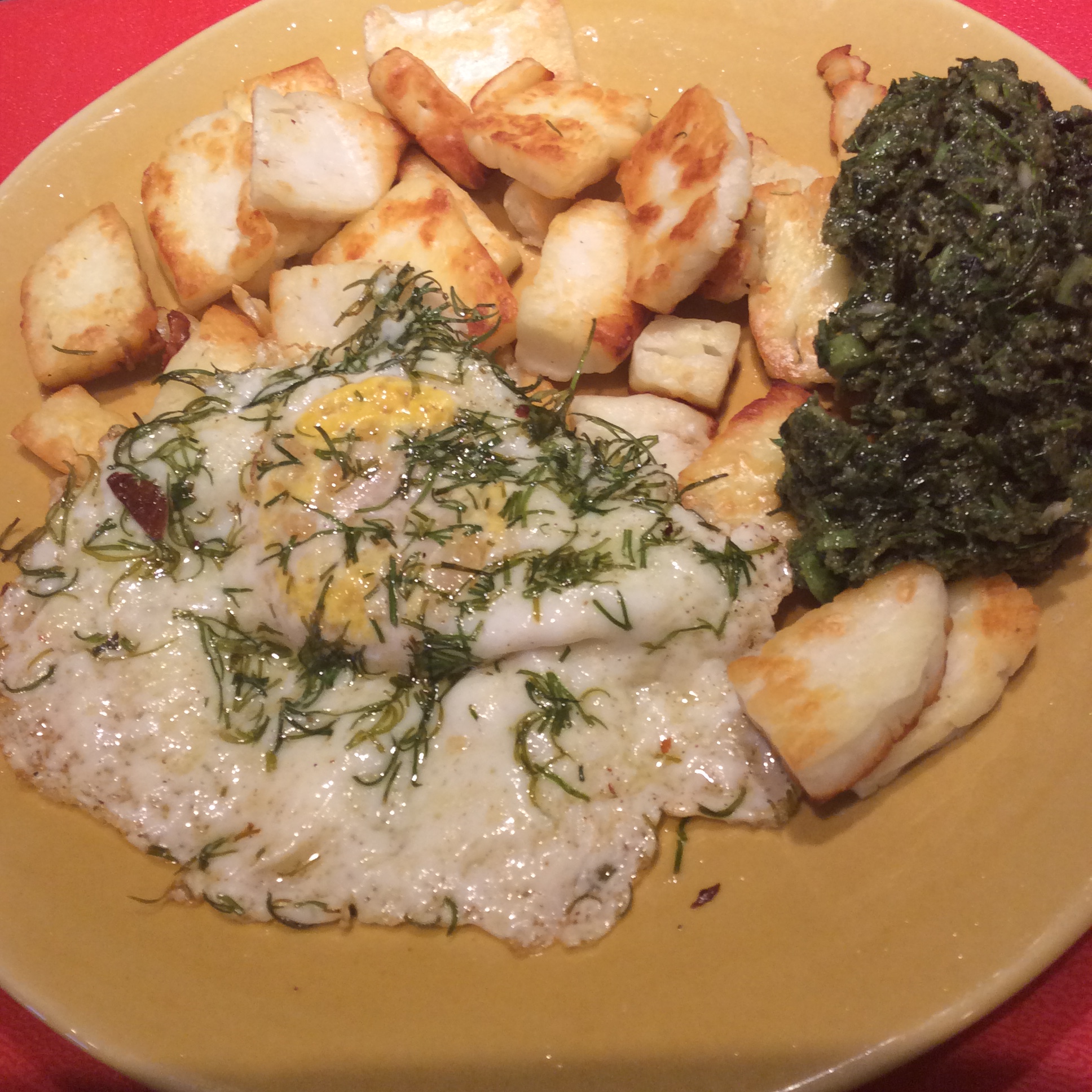
Steam or cook in a skillet in a little good olive oil until done to your taste, season with salt and freshly ground pepper, and eat. I steamed a batch for dinner and had some leftovers the next day, enough for one but there were two of us, which is how I came to use the cooked leftovers as the basis for a thick pesto to eat with halloumi and eggs.

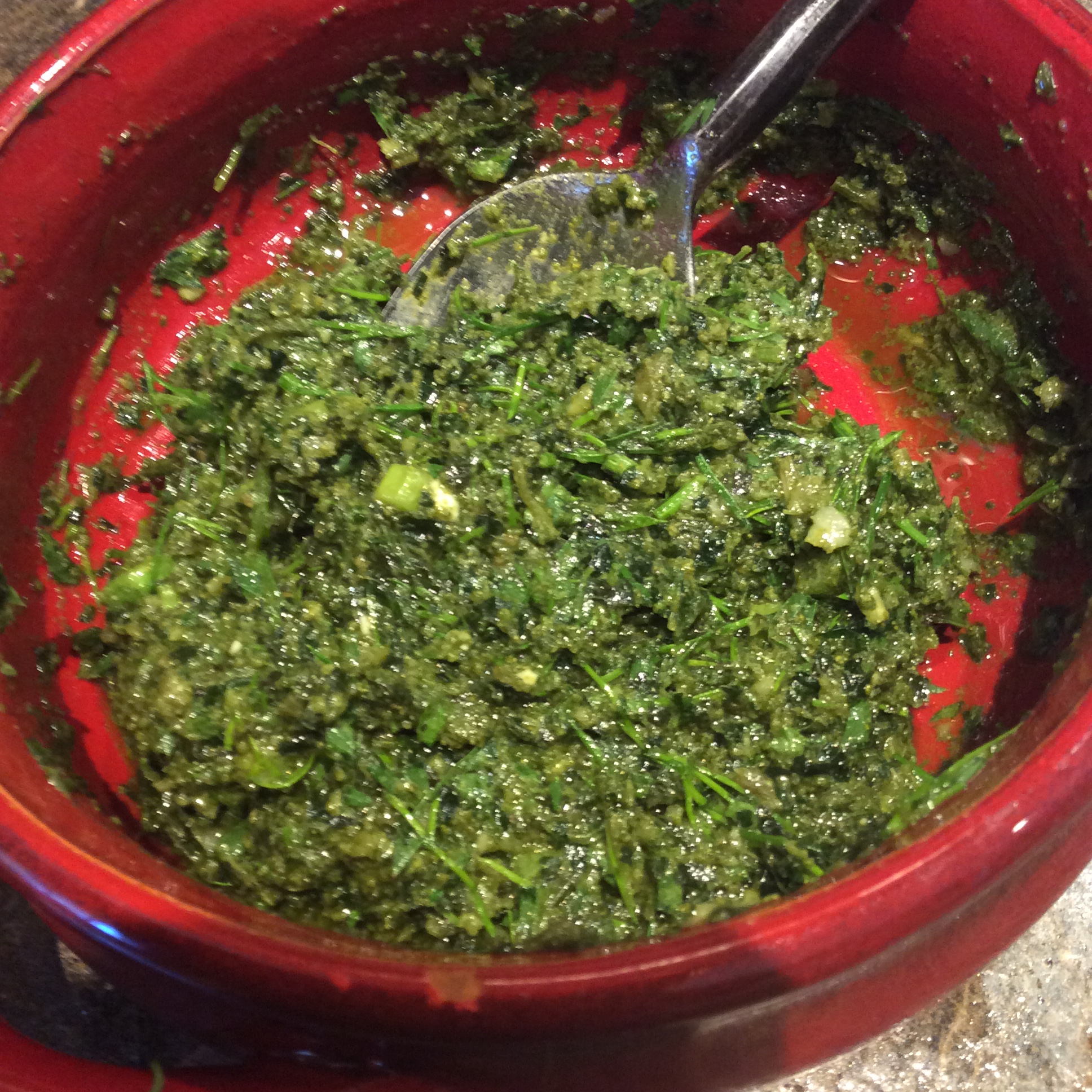
The lambsquarters buds are very mild, so I chose a handful of fresh dill leaves to be the dominant seasoning, and some young carrot leaves chopped finely for the bright fresh green element (my parsley didn’t do well this year.) I put a clove of garlic in the mini-prep, added 1/3 cup of olive oil and the juice of half a lemon, ground in the cooked lambsquarters buds, and then turned it into a dish and stirred in the chopped dill and carrot leaves to avoid too fine a texture. Add more olive oil or lemon juice if called for, salt and pepper to taste, and it’s ready to serve alongside nearly anything. If you don’t like dill, use something else. Only fresh herbs are appropriate for this type of vegetable-relish.

After frying the halloumi in olive oil, I decided to fry an egg apiece in the remaining hot olive oil. To add a little pizazz I dropped two generous pinches of chopped dill leaves in two places in the hot skillet, then immediately broke two fresh eggs on top of them. Flip the eggs after a minute and cook to preferred doneness.  Those who are only familiar with the fusty-musty dried dillweed may be surprised how much they like fresh dill in this context.

I’m curious about the nutritional content of this lambsquarters-broccoli but there isn’t any available data. So I can only say that the leaves are powerfully nutritious and the buds probably are too. And wherever you may go in your life, short of prison, lambsquarters will be there. At times when I worry about the future, it’s comforting to think that if I’m ancient and beyond digging and planting, lambsquarters will grow just fine and will be on the menu as long as I can totter to the kitchen.


The Squash Chronicles II: Squash Flatbread

I love my ketogenic diet and my blood sugar is superbly controlled, but there are times when I really miss bread.  Not just the flavor of bread, although the flavor of a really good sourdough bread is unbeatable. For that, there is no substitute. But there are times when what I really crave is the ease and convenience of bread, and the way it  pads out a meal and pulls it together.  In this case what I miss is not really the flavor of bread but its use as a “landing” for all kinds of other foods.  I have a few ways to fill in without adding too many carbohydrates, and one of my favorites is zucchini flatbread.

In addition to a couple of good sized zucchini or about a foot of serpiente squash,  you will need two eggs, a cup of grated mozzarella (the semi soft processed kind, not true fresh mozzarella for this purpose,)  half a cup of grated Parmesan, seasoning of your choice, and about a half cup of low-carb baking mix.  The best mix that I have found is the one from Trim Healthy Mama,  which is extremely expensive but does work well.

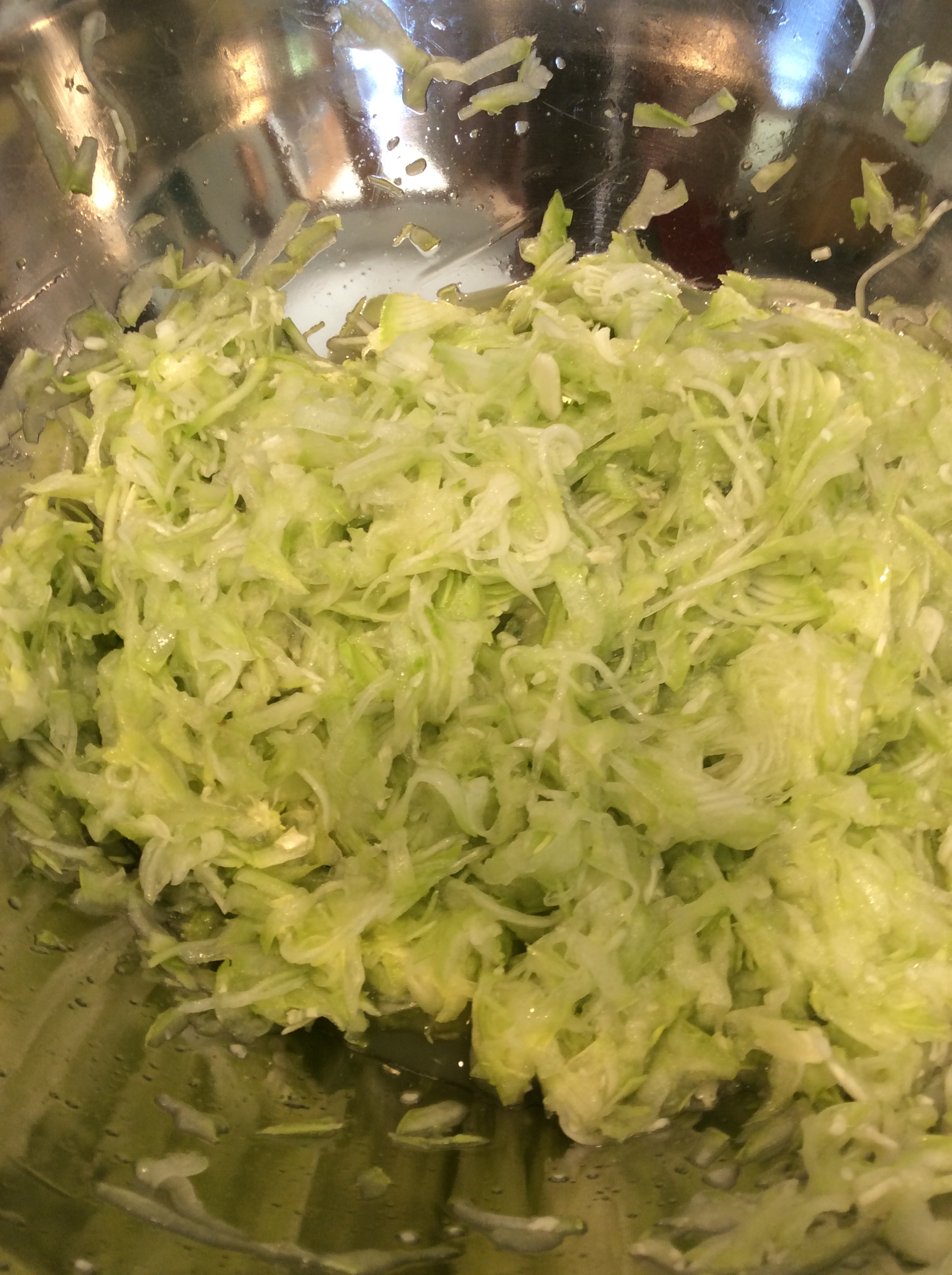
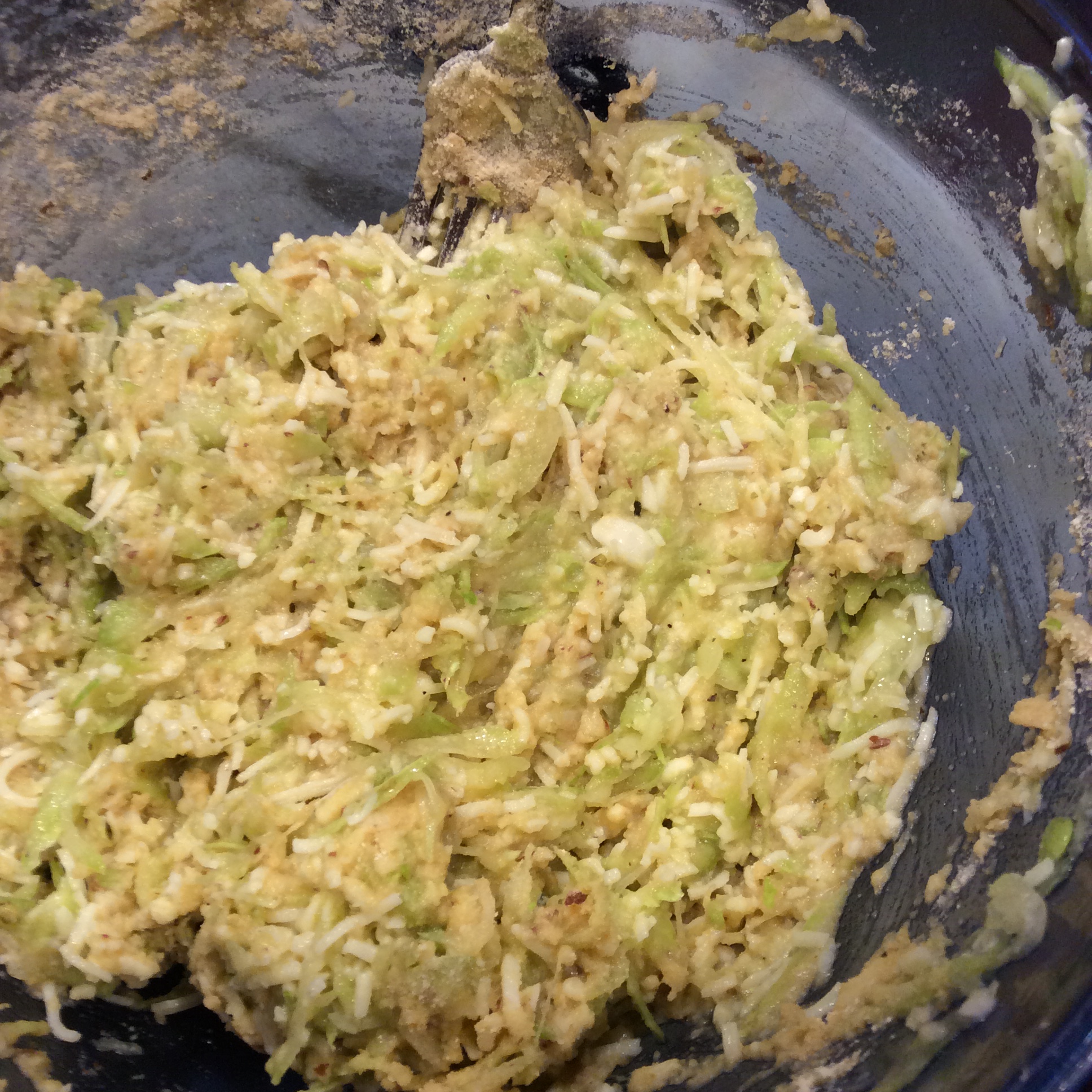
First, grate the squash and mix in about a tablespoon of salt.  Let it sit for half an hour. At this point, the shreds of squash will be swimming in liquid.  Over the sink, wrap the squash in cheesecloth or a thin dishtowel and start squeezing out liquid.  Keep squeezing and wringing, until you are left with about a cup of pulpy squash shreds.  Put these in a bowl and beat in the two eggs with a fork.  Mix in the shredded mozzarella and Parmesan.  Add a half teaspoon of salt (most of the salt that you used for disgorging the squash disappeared with the excess water) and seasoning of your choice. I like some fresh thyme leaves and a pinch of granulated garlic. For some reason fresh garlic doesn’t work well in this recipe. Add in a half cup of low-carb baking mix and half a teaspoon of baking powder and beat until evenly incorporated.

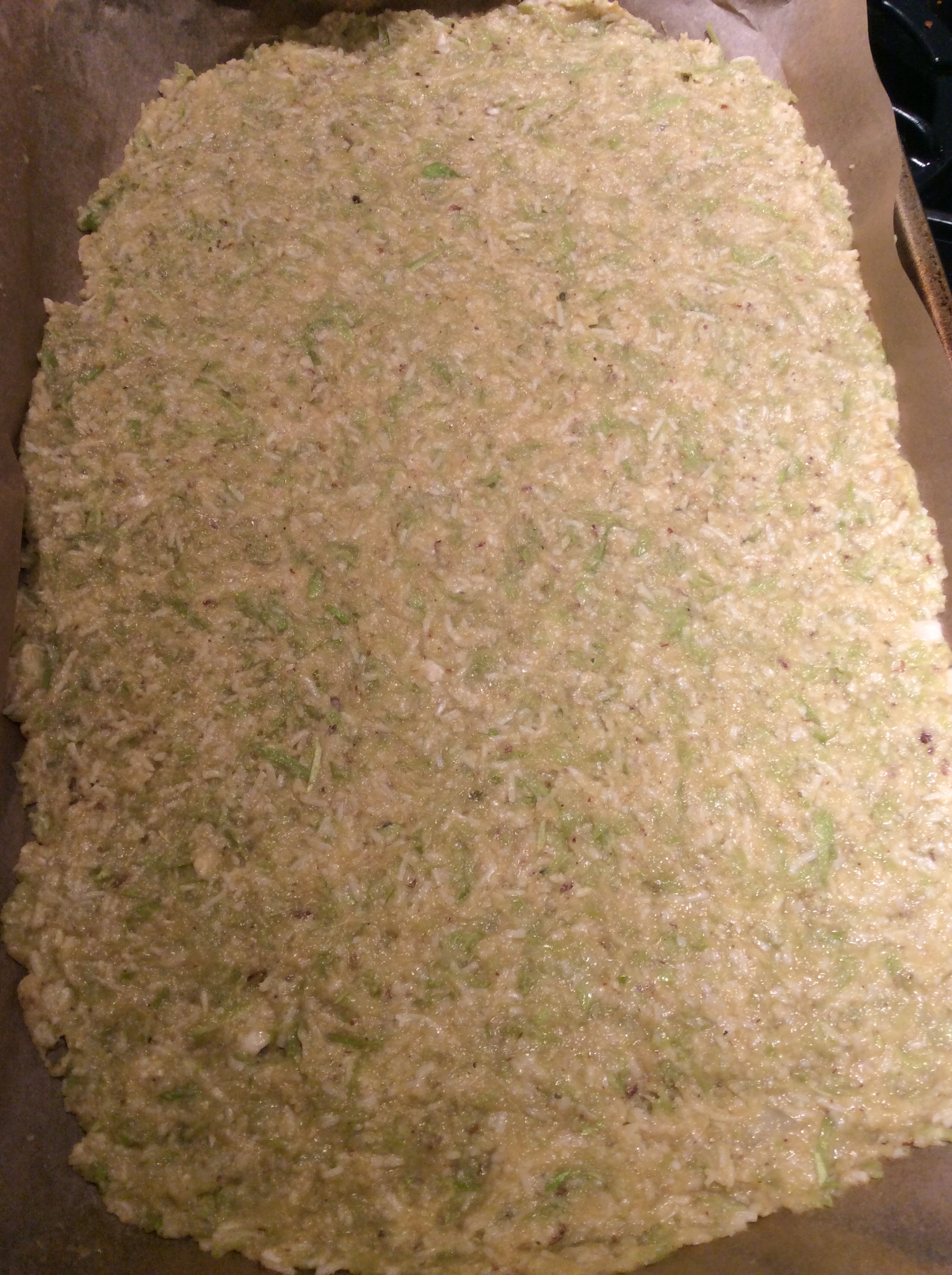
Preheat the oven to 425. Now line a baking sheet with parchment paper, oil your hands with olive oil, and begin pressing out the mixture into a thin even oblong.  Generally I aim for something a little less than a quarter inch thick, but if you plan to use it for breadsticks or a pizza crust you may want it a little bit thicker.  Make sure that there are no holes. The dough is lumpy and you will have to keep patting it down with the flat of your hands.

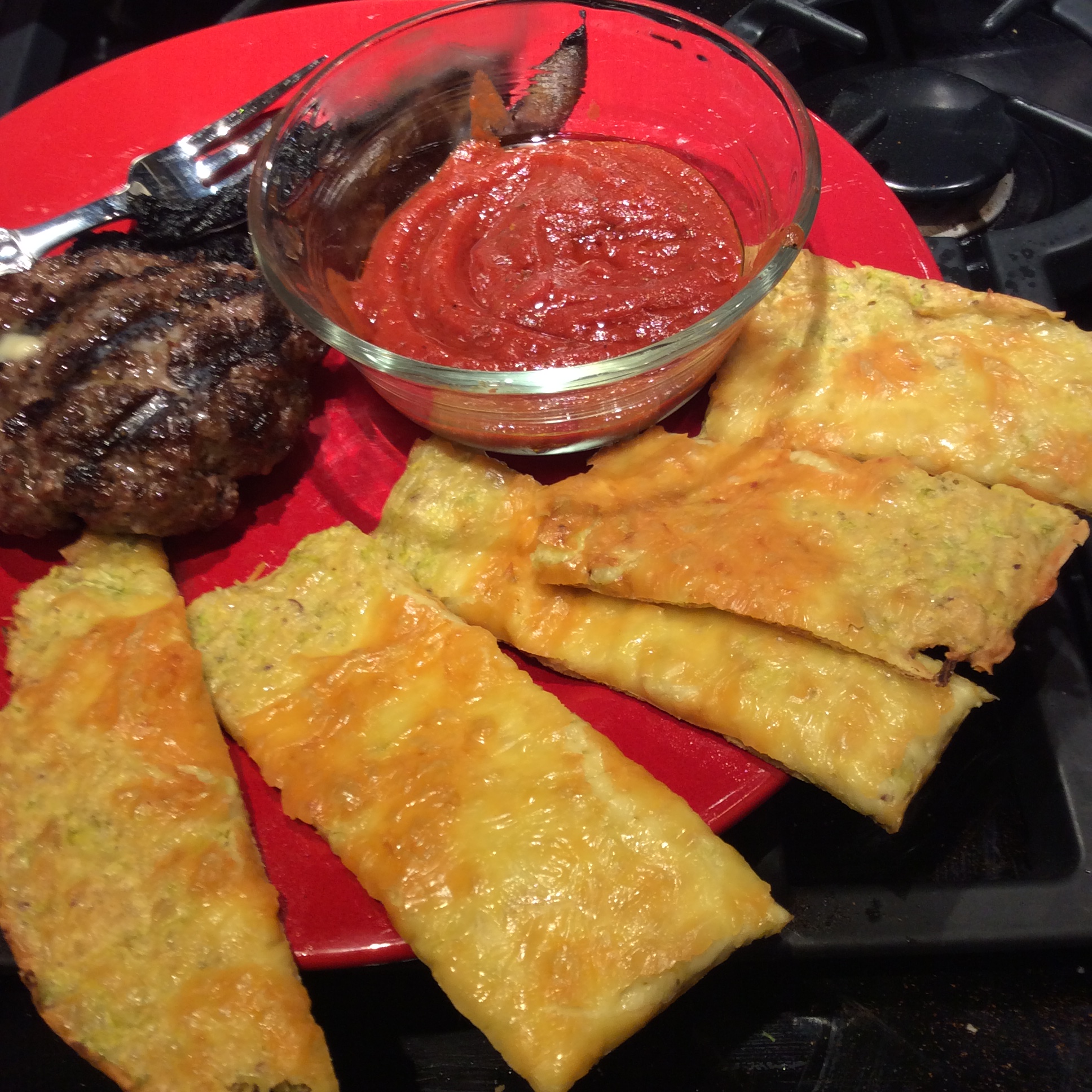
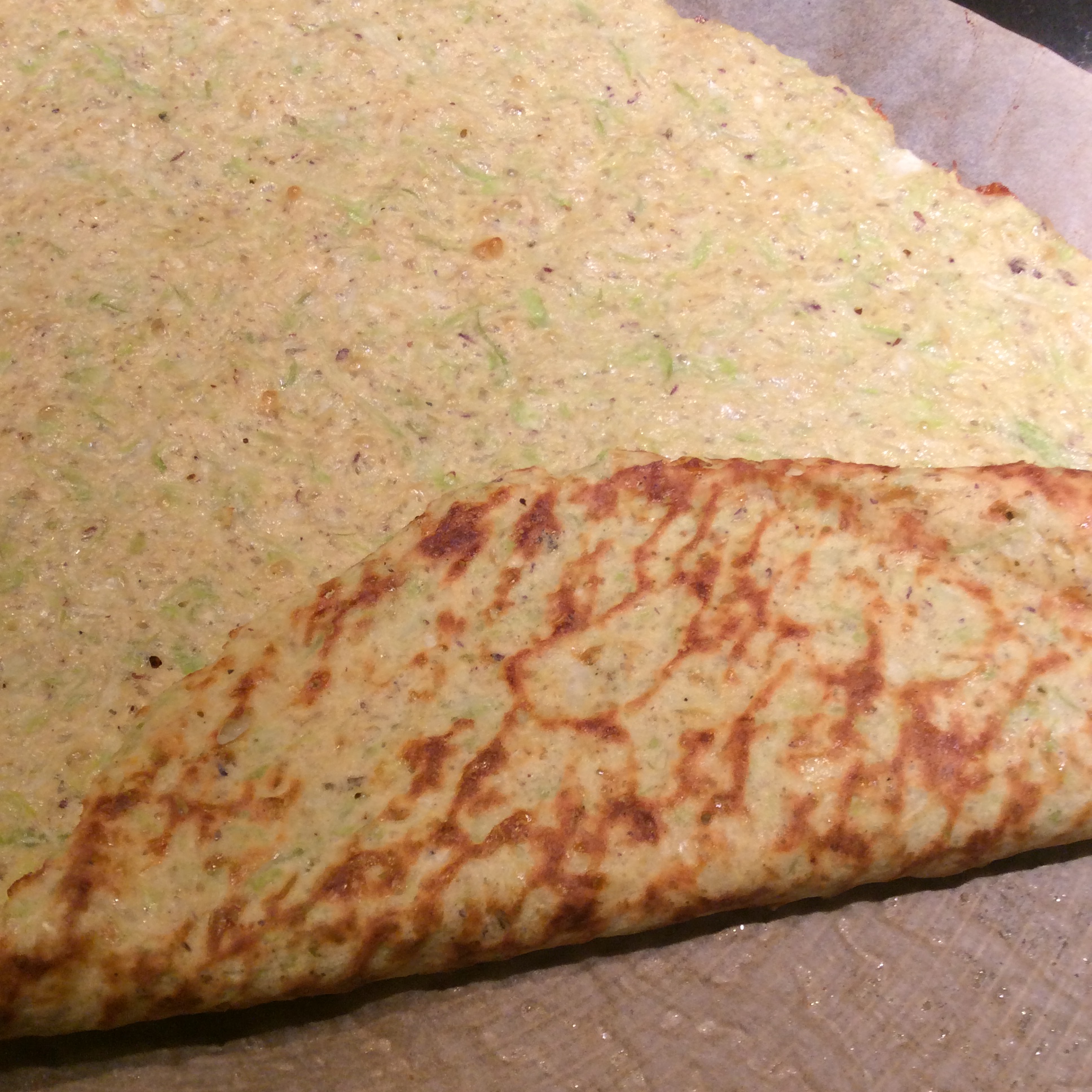
Bake at 425 until done to the right degree for your purposes.  It has to be baked enough to hold together well, but if you want to use it as a wrap, you will have patted it out pretty thin and should bake it only until it is cooked through and will come off the parchment paper in one piece but is still flexible.  If you want to make sticks as shown above, it should be more crisp, and the same goes for a low-carb pizza crust.

Above, it’s just cooked through, browned on the bottom, and right for making wraps. To make the breadsticks shown above, once it is baked to the right degree, top with another half cup of shredded mozzarella  and some chopped roasted garlic.  Return to the oven and broil until the cheese is melted and a little bit browned.   It is good dipped into your favorite pizza sauce, preferably the kind that you make yourself.  Any kind of herb pesto or sour cream dip is also good.

To make an impromptu low-carb pizza, cook the flatbread until fairly crisp. Brush the top lightly with a thick flavorful pizza sauce, coat with shredded mozzarella, and top with pepperoni, sausage,  or what you will.  Return to a very hot oven and bake until the cheese melts.

It goes without saying that if you insist on the wonderful malt flavor of really good bread, you need to eat really good bread and there are no substitutes.  But having a few options like this one means that you can save the great bread for very special treats and keep your carb intake down the rest of the time.  This is also a good way to take in extra vegetable fiber, with all its health benefits.


Pork Belly: Theme and Variations

Recently I was checking out my local farmer’s market and saw a young man sitting in front of a card table, with a big cooler behind him but nothing that I could see indicating what he was doing there. Curious, I approached, and it turned out that he was from Polk’s Folly, selling pork from a few pasture-raised heritage pigs being grown on his family land. And yes, he had some pork belly to sell. I scored a three pound chunk.

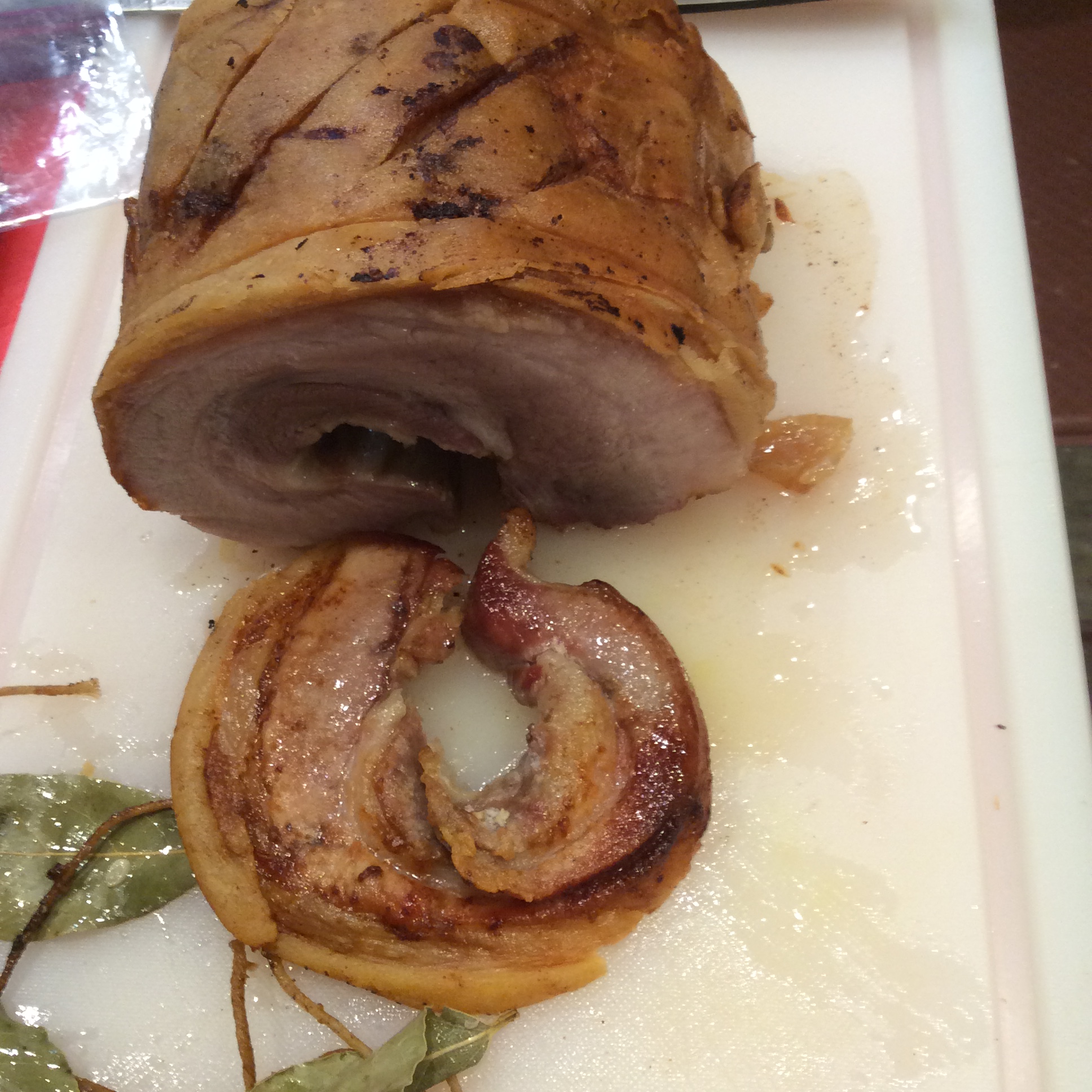
At the time I planned to make it into bacon, and so I put it in a brine of one cup salt to one gallon of water and stuck it in the refrigerator. But a couple of days later I found myself daydreaming about it and decided to cook it for dinner. I put eight bay leaves and 3 cloves’ worth of sliced garlic on the meat side, rolled it up with the skin side out and tied it with kitchen twine, put it in a cazuela with half a cup of good white wine, and roasted at 350 until done through (160 if you tend toward exact measurements,) turning up the heat to 500 right at the end to brown the skin a bit.

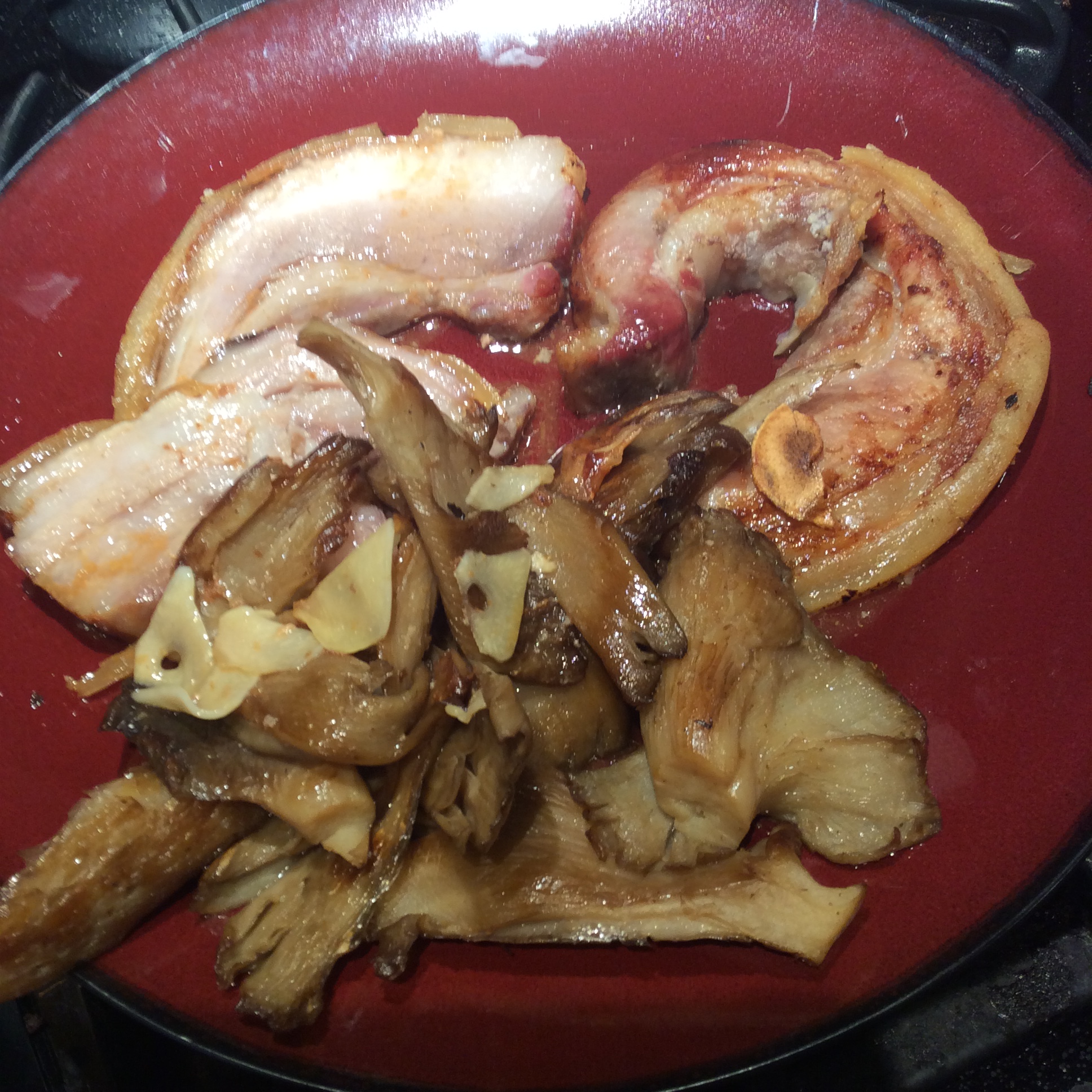
Thin slices were served with oyster mushrooms sautéed in butter and adorned with the garlic slices from inside the belly, and skimmed pan juices were poured around liberally. It was a delicious meal with a good cabernet but, for two people, just the beginning of three pounds of belly.

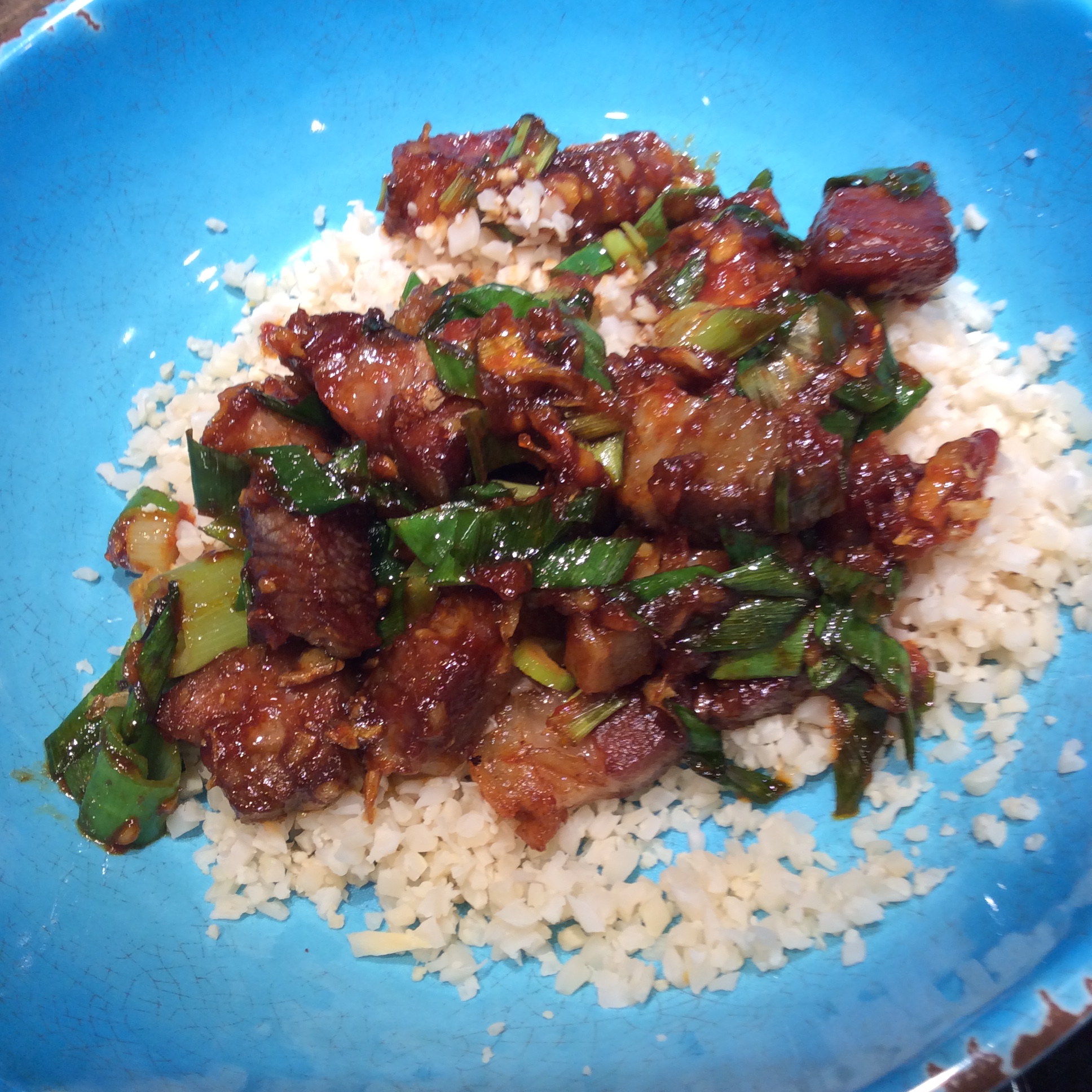
A few nights later I hauled out the belly, cut two slices about a half inch thick, and cut the strips into chunks that ended up about 1/2″ square by 1″ long. I chopped up two big cloves of garlic and a 1″ piece of ginger. A huge scallion out of the garden was cut in 1/8″ slices, white and green kept separate. I got out gochujang, soy sauce, and artificial sweetener to equal two teaspoons of sugar (of course you can use 2 teaspoons sugar if preferred.) I microwaved some cauliflower rice. The belly chunks were sautéed over medium-high heat in a wok until they were beginning to brown nicely in their own fat. Then the scallion whites were added and stir-fried for about two minutes. Next the scallion greens and the chopped garlic and ginger were added and given one further minute of stir-frying. Then a rounded tablespoon gochujang and a good squirt of of soy sauce, along with two teaspoons of sugar or the equivalent in artificial sweetener. Boil hard until the sauce comes together and glistens, less than a minute if you were using high enough heat. Serve over the cauli rice. Add some pickled veggies if you like.

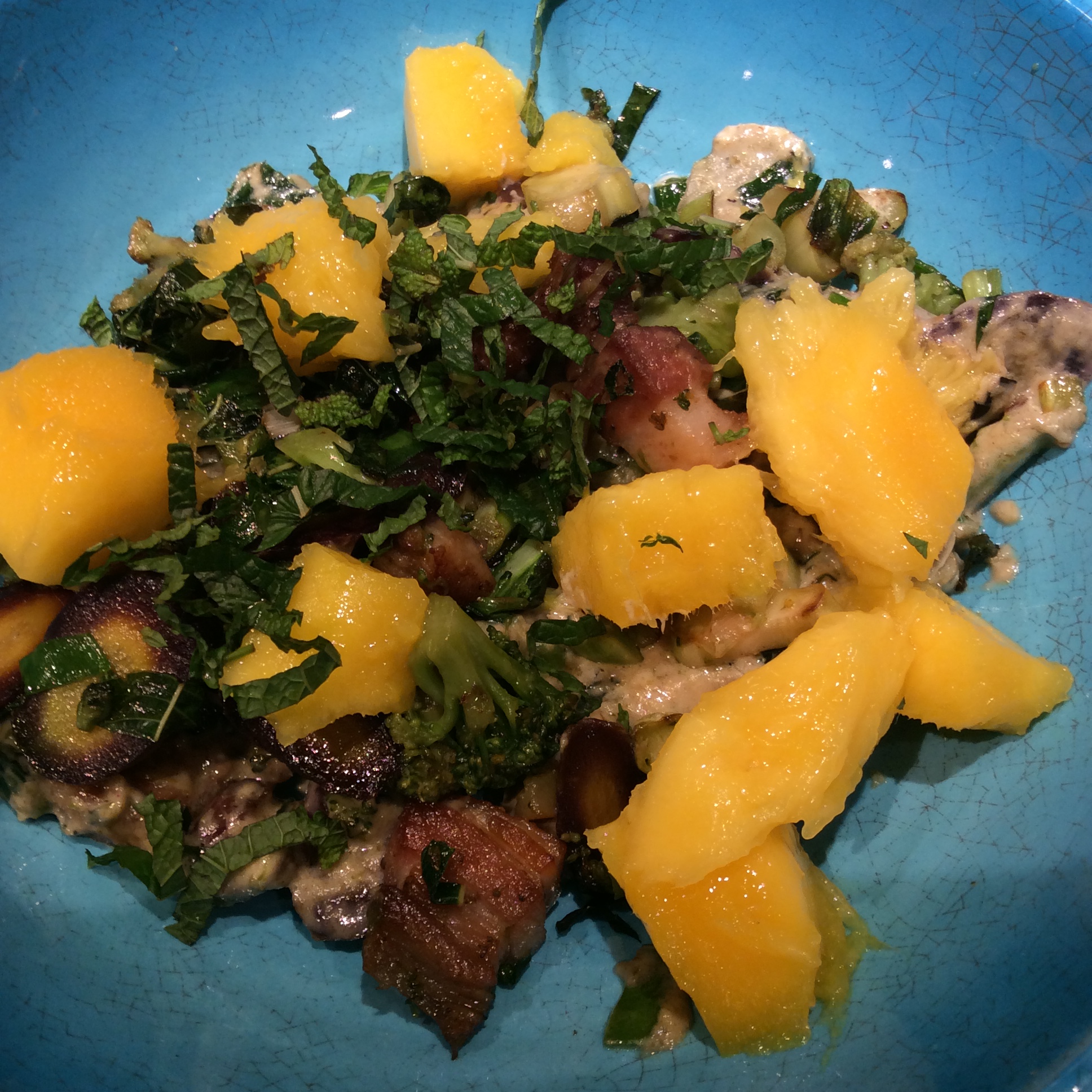
The third meal moves into Southeast Asia, one of the many parts of the world where the succulent pork belly is appreciated. One of the great treats of summer is an occasional perfect mango, and I had one ready on the counter. I was planning a Thai-style curry based on the superb Hand brand green curry paste, but ultimately decided that I wanted more veggies and less sauce. Using the inspiration of Six Seasons, I decided to make something that was a hot salad rather than a curry per se.  Besides the leftover belly, mango,  and the curry paste, ingredients were two large scallions sliced, a cup of pure coconut cream, some fish sauce and sweetener, and a wide assortment of veggies from my garden and freezer but just a handful of each, i.e. four Tuscan kale leaves slivered finely, about a third of a head of broccoli (with its peeled stem) blanched a few minutes and chopped, two small purple carrots, and a handful of chopped mint for the final garnish. This is a great place to use up any plainly cooked veggies that may be tucked into your refrigerator awaiting a purpose.

To make the “dressing,” boil  the coconut cream in a small sauce pan for a few minutes, stir in about a tablespoon of curry paste or more according to taste and boil a minute more, and add fish sauce and chosen sweetener to taste,  make in the mixture a bit on the salty sweet side because there is a large volume of veggies fruit to season.  Then set the pan aside while you finish the main ingredients.

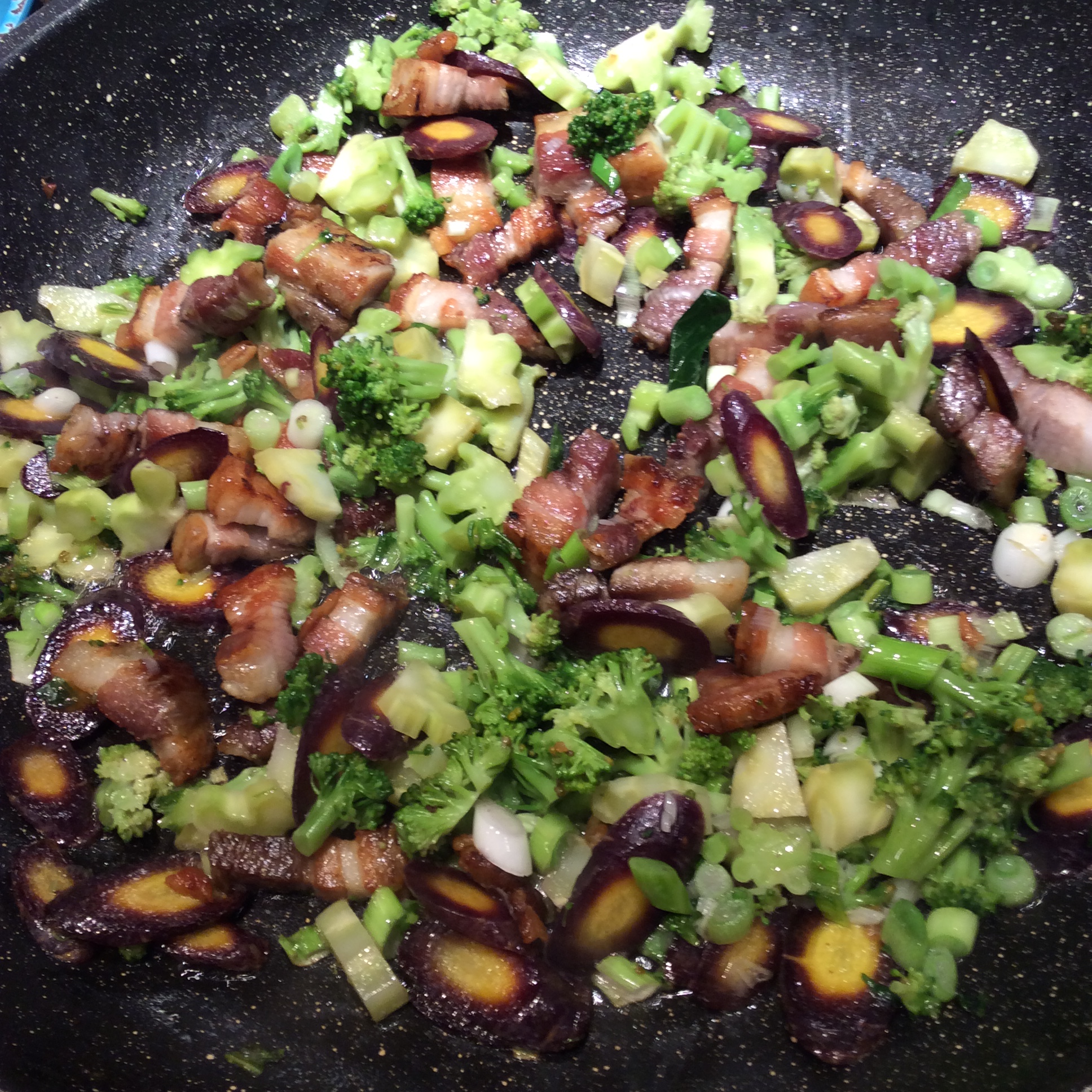
Cut two half-inch slices off the belly and cut into lardons. Put in a skillet over medium-high heat to b own and render some fat, turning frequently. Meanwhile sort the veggies into fast-cooking and slower-cooking, putting the scallion greens in the first pile and the scallion whites in the second. When the belly chunks are browned, add in the slower-cooking veggies and stir fry until crisp-tender, add the quick-cooking veggies, and cook until thoroughly heated through. Put in a little fish sauce with the veggies but not too much, since the belly is already salted.

Now toss half the hot veggies in the saucepan with the curry sauce, plate them on two plates, put the unsauced belly and veggies on top for an unmuddied appearance, slice the peeled mango over the composition, and top with the chopped mint. Dip down into the “dressed” part of the meal with each bite. Have some Thai sriracha available for drizzling if you like.

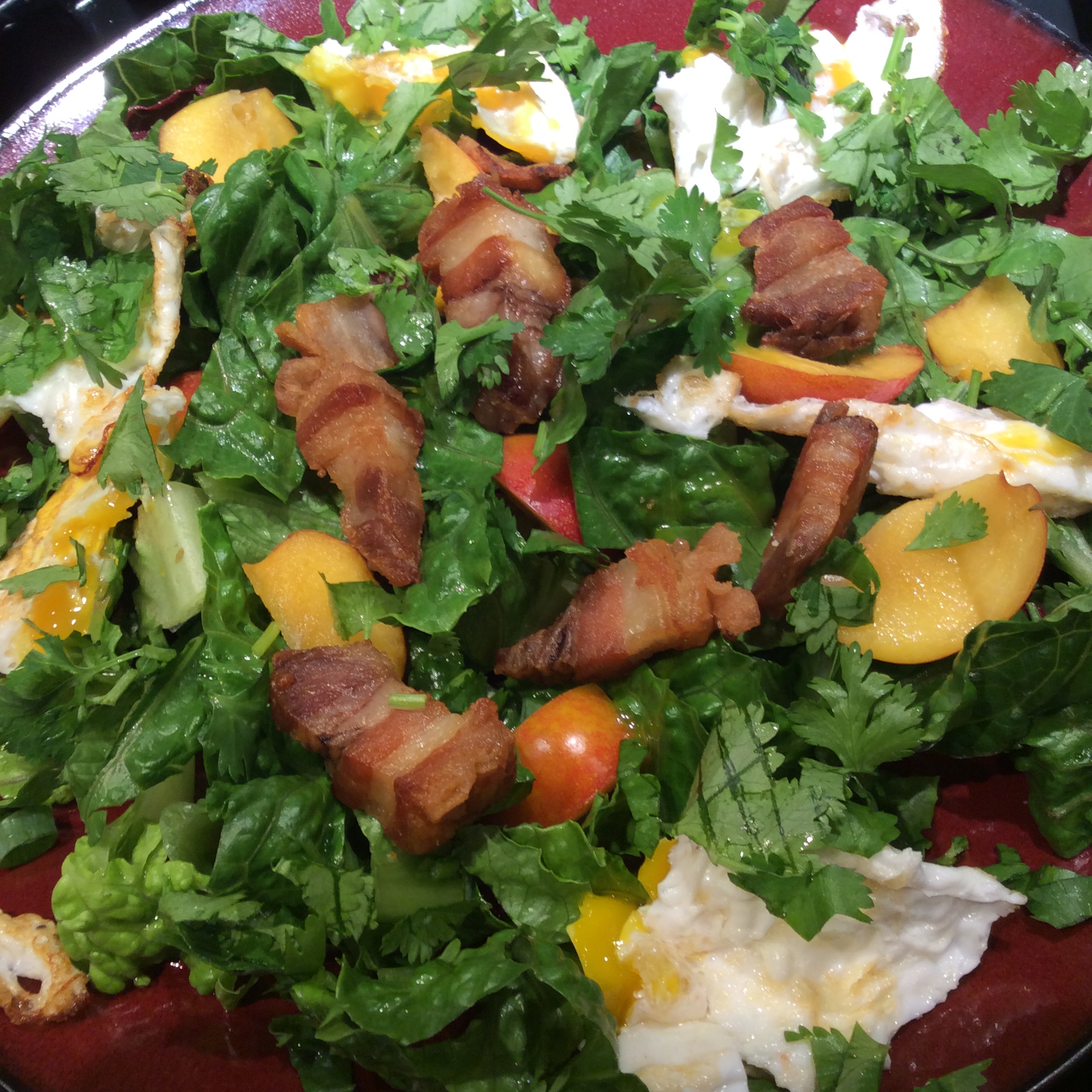
By the fourth meal, there was one strip of belly roast about 3/4″ thick still left. I decided on a Thai meat salad. Since we were quite hungry I decided to add two Thai-style fried eggs to each plate.  In addition to the belly strip and four eggs, I used a small head of Romaine lettuce, one large scallion, a generous handful of coriander leaves, and two partially ripe plums.  If you are using plums from the grocery store, it’s pretty easy. Almost any two will do and will still be somewhat green, firm, and not too sweet. Or use cherry tomatoes if you prefer.

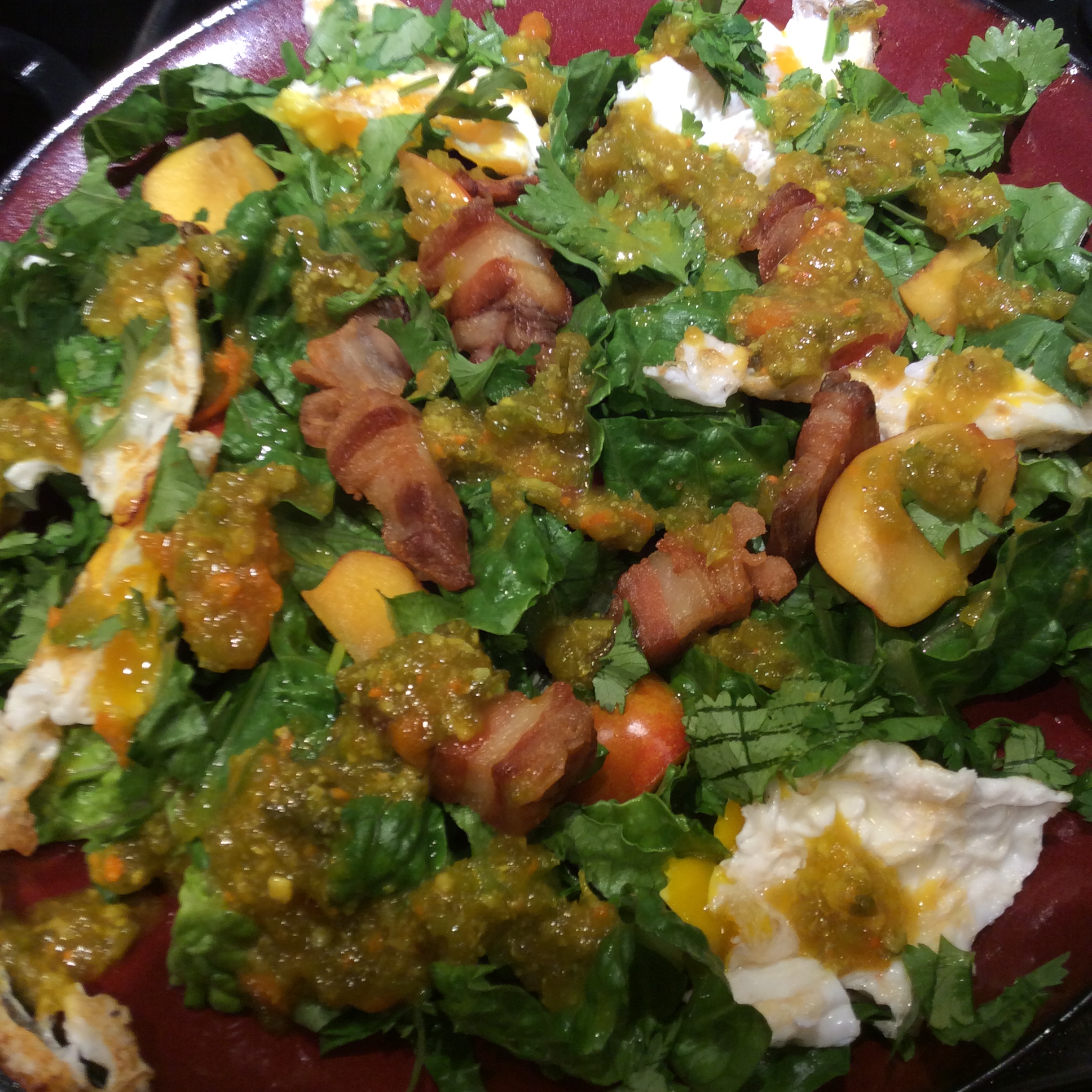
First have an appropriate dressing ready. Mine was a rather elaborate concoction based on some pickled kumquat rind that I made a month ago and ground coriander stems, but you can use the simple spicy-sweet dressing described at the bottom of the page.

Cut the belly strip into lardons and fry them in a hot skillet with a spoonful of coconut oil until browned. Remove and drain on paper towels. Add a little more coconut oil to the pan and fry the eggs over medium-high heat, turning them a few times and salting on both sides, until they are cooked through and browned around the edges. Remove and drain. Slice the romaine into strips about 1/2″ wide. Cut the plums in slices. Slice the scallion fine and chop the coriander leaves.

Plate the lettuce, cut the eggs in thirds or quarters and arrange around the edge, and put the crisp lardons in the middle. Decorate with the plum slices and scatter the scallions and coriander on top. Dress with the dressing and eat. If you had everything on hand, total elapsed time is about 15 minutes.

If you have read Tamar Adler’s marvelous book An Everlasting Meal, you know all about main dishes that keep on giving. If you haven’t read it, please do so immediately. Frugality in the kitchen is a common thought for most of us and you may already cook that way, but Ms. Adler will show you the poetry and grace of it. Cooking is in some ways a ghostly process anyway, with our great-great-grandmother’s transparent hand guiding our own, and we are further informed by the ghost of each meal contributing to the next.

Hot-sweet Thai Dressing: this  doubles as a dipping sauce and is very handy to have in the refrigerator. Finely chop four cloves of garlic and a piece of ginger about an inch long. Thinly slice a couple of Serrano or Jalapeño chiles, removing the seeds and ribs unless you’re a real heat freak. Mix the chopped and sliced stuff with half a cup of fish sauce, a quarter cup of rice vinegar, a quarter cup of water, and  two tablespoons of palm sugar or the equivalent in artificial sweetener. Let sit fifteen minutes and taste cautiously. Adjust the various elements until it tastes well-balanced to you.