Archive for the ‘cooking’ Category

Welcome back, and notes on the Ketogenic diet

image

I’ve been MIA for a long time, and I appreciate the kindness of those readers who tactfully enquired about my whereabouts. The main reason was a series of deaths among my nearest and dearest that made 2013-14 seem like The Years That Everybody Died. Change and death are inevitable, and so are grief and railing against fate. Many thanks to those of you who are still with me.

Another change had a happier outcome. I developed clear signs and lab results indicating that the inexorable progression to type 2 diabetes had begun, and this started me wondering whether it really was inexorable. The answer, almost three years later, is an enthusiastic “No way!” After fooling around with various unsuccessful interventions, I finally took the plunge and went on an ultra low carbohydrate (ketogenic) diet, and after the first awful month of withdrawing from all my beloved toxins, it’s been great. Good energy, bubbling good health, and freedom from food cravings don’t come from medications, they come from consciously made lifestyle choices. Even more than I thought before, we choose our health. My menu of food choices includes meat, poultry, fish, seafood, green vegetables and some others, mushrooms, cheese, cream, strained yogurt, coconut milk, and nuts. Plenty to choose from, and plenty to season it with.

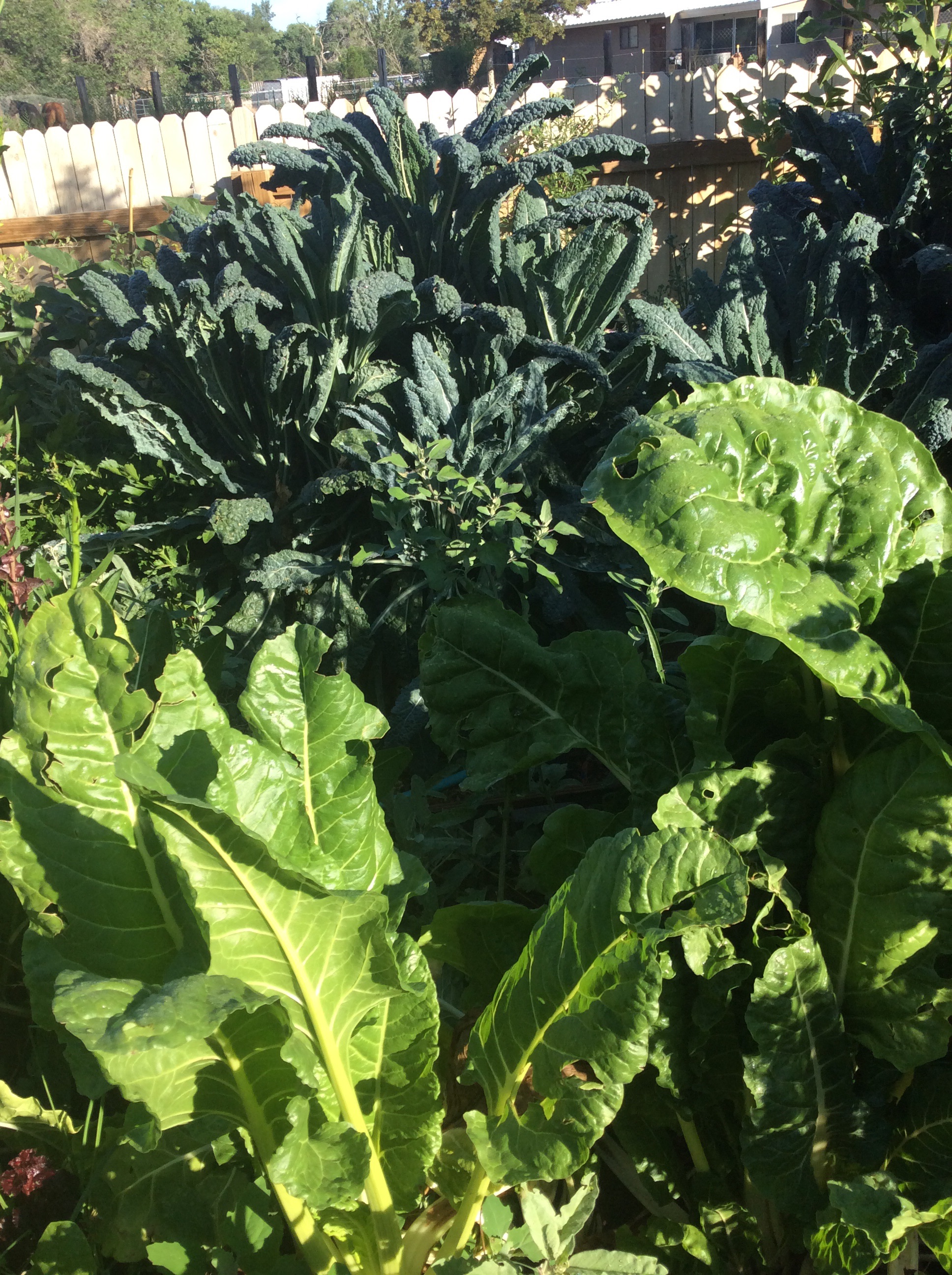
So some of my recipes will be a little different now, but the role of home food production is even more important than before. Green vegetables are an even bigger part of my diet now, and I want the best deep-organic stuff that I can get. Good meats are vital, and I produce my own where I reasonably can. I probably couldn’t afford to buy foods of this quality in the amounts that I eat them. This is the perfect time of year to plan your season of growing and foraging, so in the next post we’ll start thinking about what to grow and what to read.
image

Oh, and don’t forget:

image

Kitchen Staples: homemade Worcestershire sauce


Many years ago, chef Emeril Lagasse published his recipe for homemade Worcestershire sauce, and although some pretty perverse versions of it have made their way around the web, the original was awfully good. Over time, though, I’ve come up with a version of it that I like even better. It’s great as a sauce for burgers or roast chicken, used to season vegetables, or used to cook vegetables. It also has a lot of healthy stuff in it and is a rich amalgam of all things umami. In many ways it’s like the old “mushroom catsup” of an earlier America, a potently flavored brew that has nothing in common with the bright red ketchup we know today. Winter is fading away, so make it now, when simmering something all evening still seems like a good idea.
The bad news is that, if you don’t grow horseradish, you will have to locate some fresh horseradish root. Many upscale groceries and food co-ops have it or can order it. There is no substitute, and without it the sauce is banal and bland and you’d be better advised to spend your evening doing something else. When you do locate some, buy twice as much by weight as you need, hack the root you bought in half, and plant half. Water it well. Simple as that. Horseradish can get big and invasive, but if you keep using the roots, that won’t happen. Also, the anchovies aren’t optional, so this sauce is not for vegetarians and vegans. This is a time when I have to give up all pretense of flexibility and ask that you please, just once, make it exactly the way it’s written. After that, fool with the recipe all you like. This makes a lot, and you can cut it in half for the first try, but if you want to have some to give away, the larger amount is no extra trouble to make.
You will need:
8 ounces of anchovy fillets in olive oil (for reasons of economy, I buy the Roland anchovy fillets from Spain in 1 pound cans to make this sauce.They can be found at restaurant supply warehouses and are both inexpensive and good.)
1 gallon of decent red wine (5 standard wine bottles.) The Mondavi Woodbridge reds work well. You are going to concentrate it, so you don’t want anything that you’d be unwilling to drink a glass of.
1/2 pound of fresh horseradish, peeled and finely grated.
3 cups of dark or amber agave nectar
10 dried shitake mushrooms (from an Asian grocery)
2 lemons
1/4 cup coarsely minced garlic
3 large onions, sliced
1/4 cup olive oil
6 whole cloves
5 sprigs fresh thyme
2 whole chipotle chiles in adobo
1 tablespoon sea salt, plus more to taste
1 tablespoon fine black pepper, freshly ground

Pour the red wine into a large pot, bring to a boil, and boil fast until reduced by half, to 2 quarts. I stick a wooden spoon in the wine while it’s heating, mark the level with a pencil, and then can measure roughly when it’s reduced by half. While it reduces, heat the oil in a large skillet and saute the onions. When they turn translucent, add the agrlic and saute until the garlic is somewhat cooked but don’t let it color. Grate the zest off the lemon, squeeze the juice out, and discard the pith. Pat the anchovies (as a mass, not one by one) with a paper towel to get any excessive oil off them. Use a large mortar and pestle to break up the dried shitake mushrooms into chunks about half an inch across.
When the wine is reduced by half, add the sauteed onion mixture, the anchovies, the broken shitake mushrooms, the chile, the lemon zest and juice, the horseradish, the agave nectar, the salt, and the thyme and cloves. Simmer over low heat for about 2 and a half hours, stirring and tasting periodically.When it’s slightly thickened and tastes right (by which I mean “tastes really good,” strain out the solids, pressing as hard as you can on the mass in the strainer to get out all the liquid. Add the fresh black pepper to the strained fluid, starting with about half the tablespoon and tasting as you add until you find the amount that you like. I don’t like it too sweet, but if you want yours sweeter, add a little more agave nectar. Pour the sauce into clean old wine bottles, cork tightly, and store in the refrigerator. It won’t keep at room temp unless you heat=process it in canning jars, which I think is too much trouble. I have sometimes made a hasty meal of cooked rice or grains from the refrigerator, heated quickly and dressed with a little butter and a few dashes of this sauce. Yum.
If you find that you want it a little more sharp, you can boil the wine down to 1.5 quarts and add two cups of best quality red wine vinegar, then continue as above.

The Winter Kitchen, with notes on making duck confit


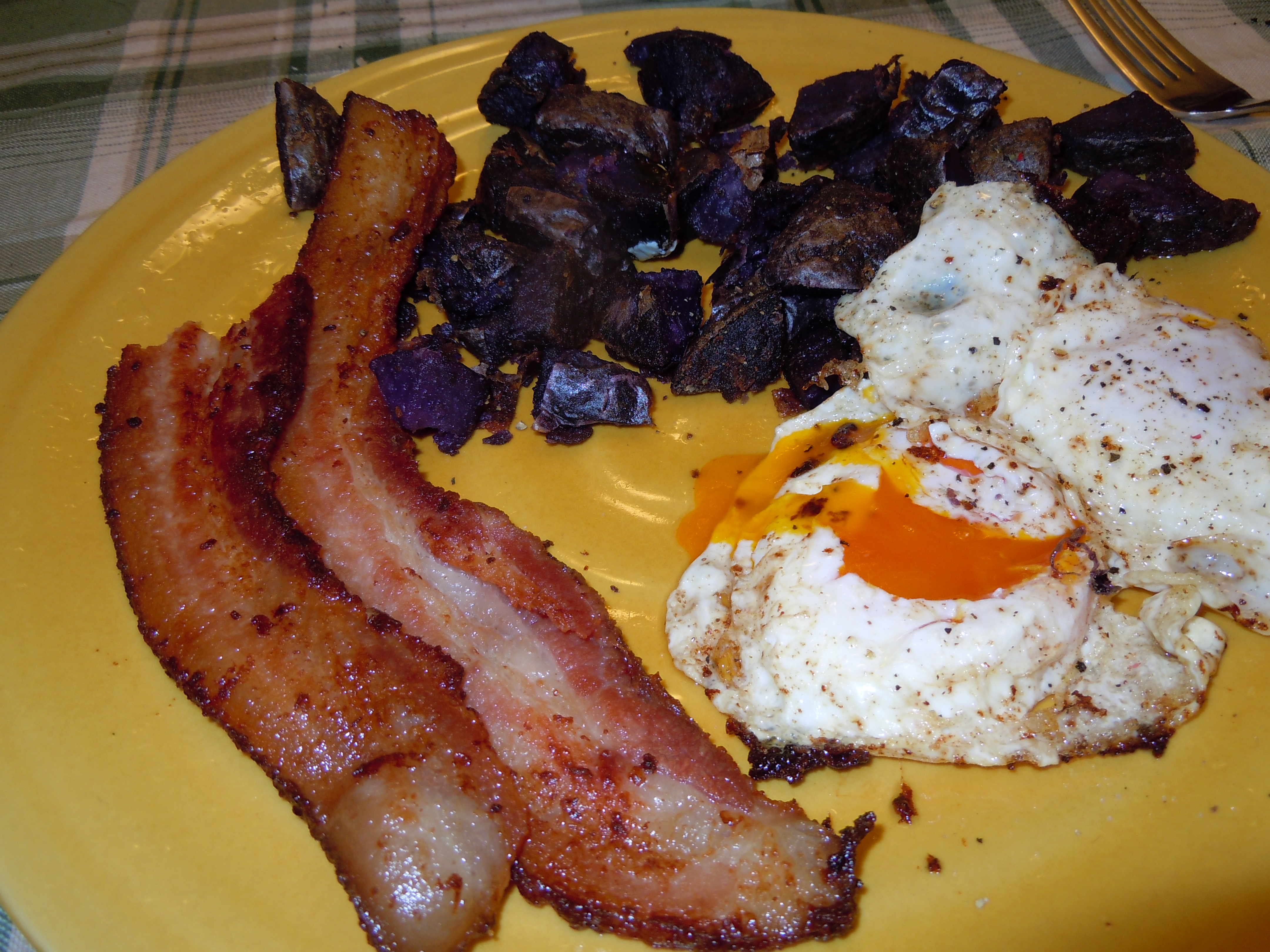
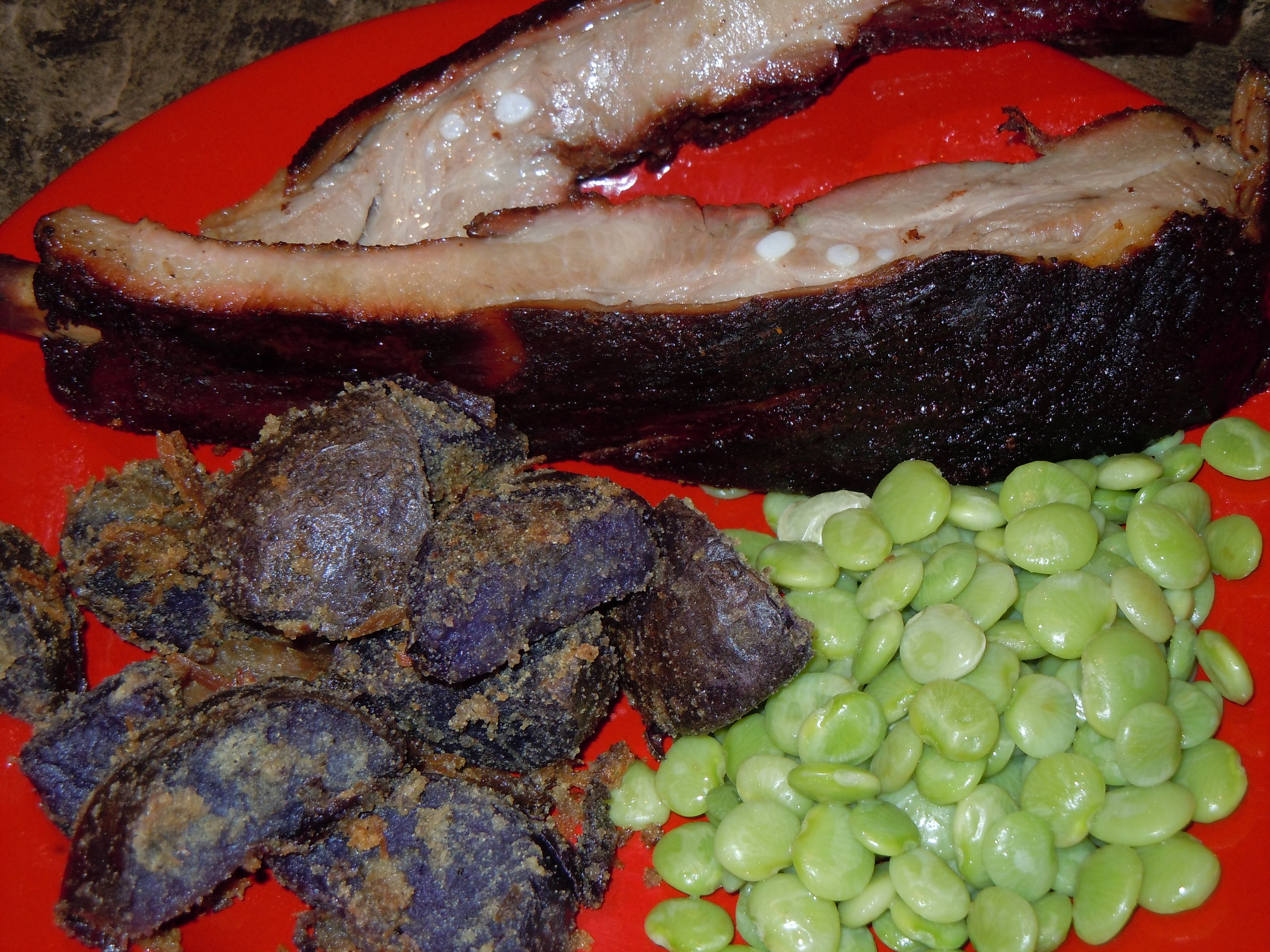
We have had a splendid holiday season here in New Mexico, from attending Los Posados, our traditional candlelit Christmas procession, in mid-December to ringing in the New Year joyously and quietly with my visiting parents. In the mornings we feasted on our own backyard eggs (due to the huge amount of greens that my hens eat, the yolks are a fiery orange-red, always the mark of a good egg) and Purple Peruvian hash browns, along with thick slabs of smoked bacon (not yet home-grown, but in the future, who knows?) We ate my own meat chickens cooked a dozen different ways; in the out-of-focus shot below, you see them grilling on my new firepit grill.

Usually I can take a little time off around the holidays, and so that’s when I do some yearly kitchen chores, like making duck confit. This is a large undertaking and isn’t for everyone. If you just want to quick-grill a leg here and there, buying your duck confit is probably perfectly reasonable. But if you want not just the meat, but the lovely flavorful fat it was cooked in, then make it yourself.
Be prepared to spend some time looking for your materials. I order them on the Internet. To confit six large duck legs, you need two pounds of extra duck fat. I pay less than $15 for the fat, but I have seen duck fat sold in 7oz quantities for almost that price. You can use lard or olive oil instead if you insist, but in my view that isn’t proper duck confit. I should add that I don’t use pink salt, curing salt containing nitrates, for confit and so mine has to be refrigerated or, for storage over a few weeks, frozen. If you want to cure with pink salt, get the excellent book Charcuterie and follow the directions. I always confit twelve duck legs with four pounds of fat so I have some to give to foodie friends, but that’s probably overkill for most people.
Having secured six large duck legs with thighs attached and two pounds of duck fat, you are ready to start. First, salt the legs very generously, using two tablespoons of salt for the whole job. Grind black pepper generously over the legs, chop a small handful of thyme leaves and strew them about, and put in a bowl or plastic bag with 10 peeled smashed cloves of garlic and 10 bay leaves interspersed with the legs. Be sure to get Turkish bay leaves; the commonly found ones from California have a mentholated quality that you will not enjoy in the finished product. Set in the refrigerator overnight.
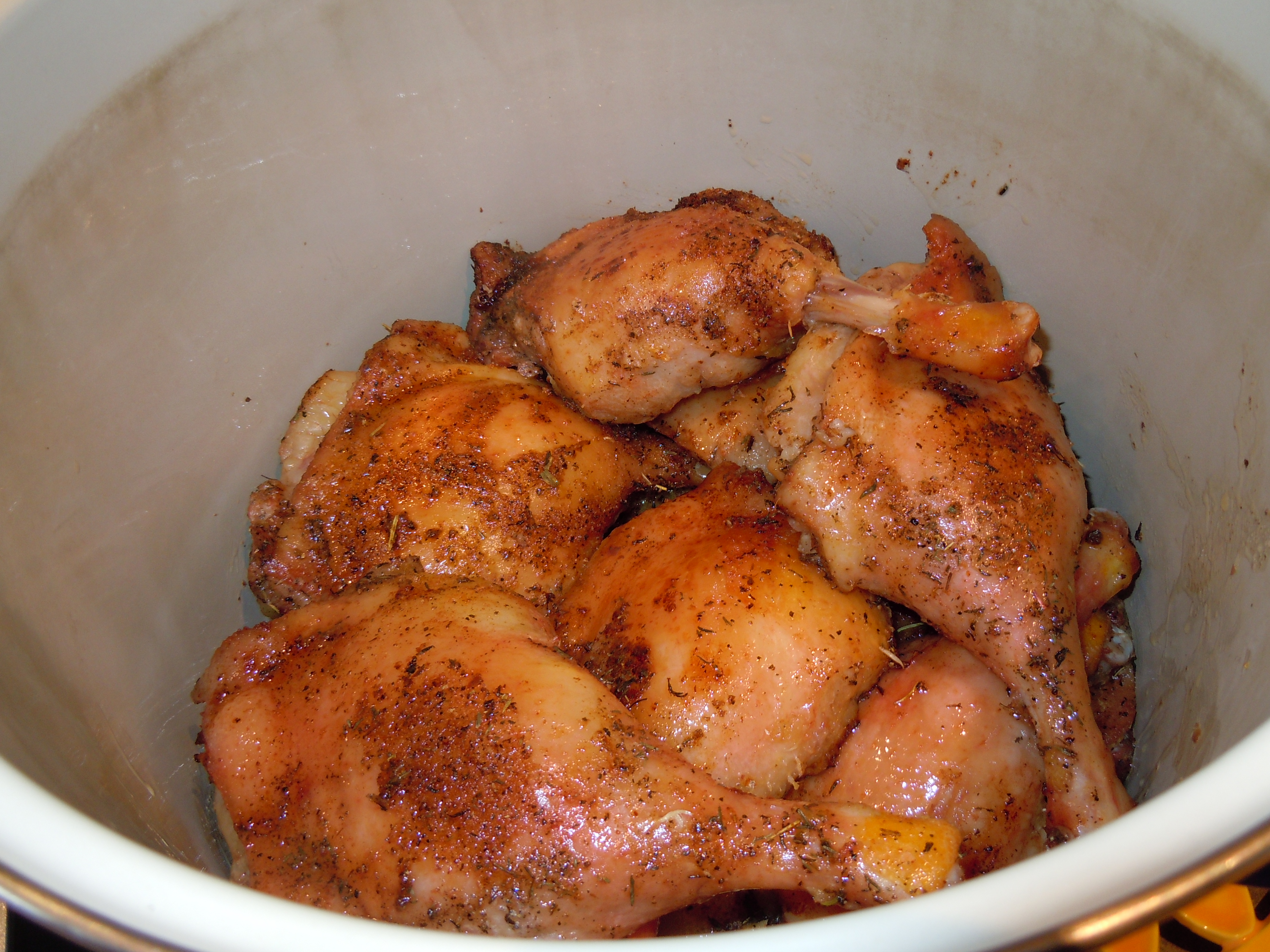
The next day, heat your oven to 300 degrees. Lay the duck legs out on a baking sheet with the bay leaves and garlic underneath them, and make sure the pepper and thyme leaves make it onto the tray. If doubling this recipe, use two trays. Don’t crowd them, because you need room for them to release their fat. Bake slowly until the legs are golden brown, usually about an hour.

Remove from the oven and place the legs in a pot large enough to hold them with room left over. Transfer the bay, garlic, etc. to the pot as well. Add the extra duck fat, and bring to a simmer. Use a flame-tamer if your burners run hot. Let the pot simmer comfortably until the duck meat is very willing to fall off the bone. This usually takes five or six hours for me.
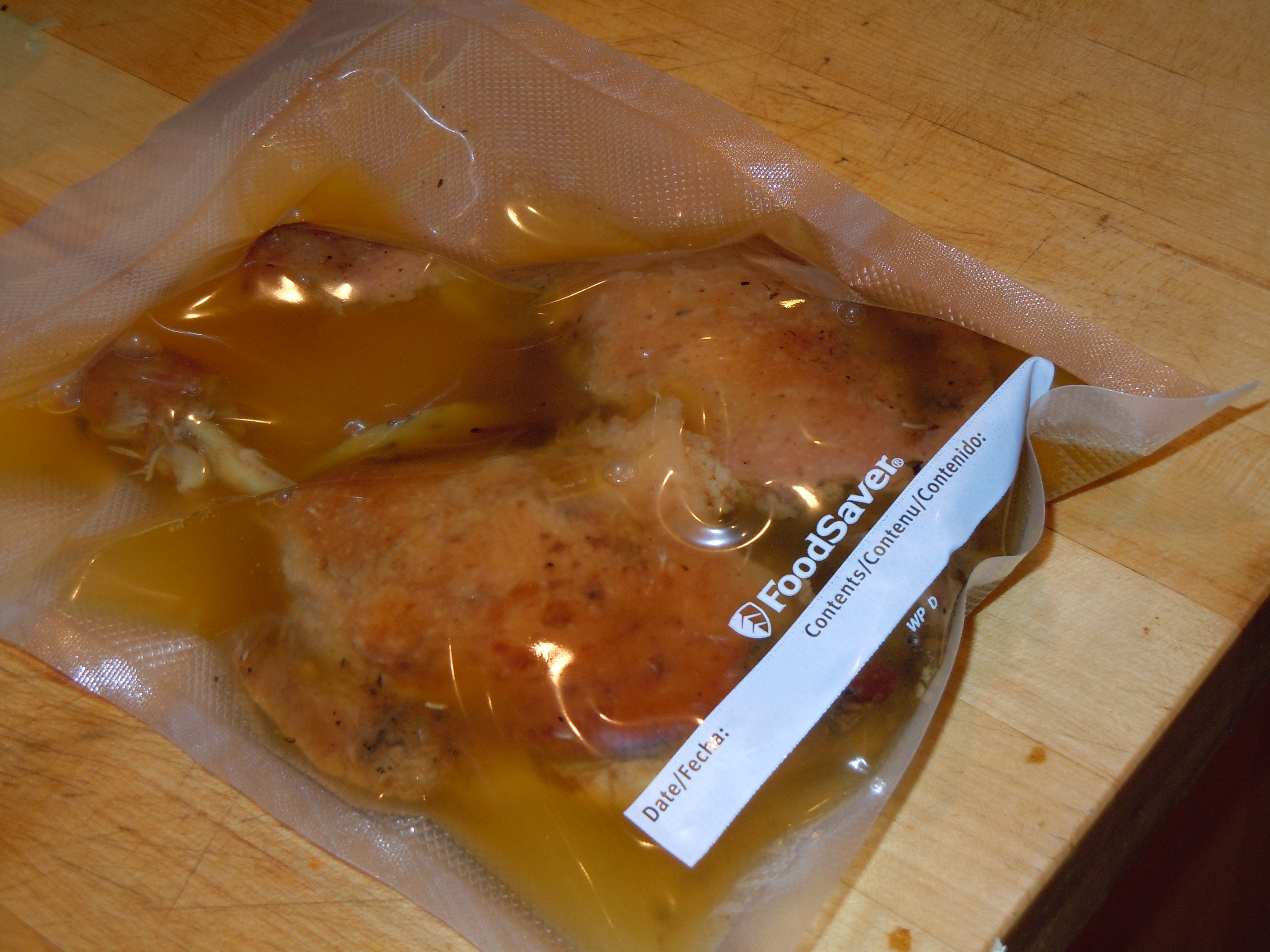
Let cool just until no longer warm to the touch, but the fat is still liquid. Portion out as you like; I put two whole legs in a plastic container to go in the refrigerator, and ladle in enough fat to cover them. Then I use my Foodsaver to package the rest into bags containing two legs each, with enough fat to fill just the bottom of the bag, and vacuum-seal for the freezer. You will have a quart or two of pure fat left over, and this can be frozen in quart plastic containers for the next time you confit.
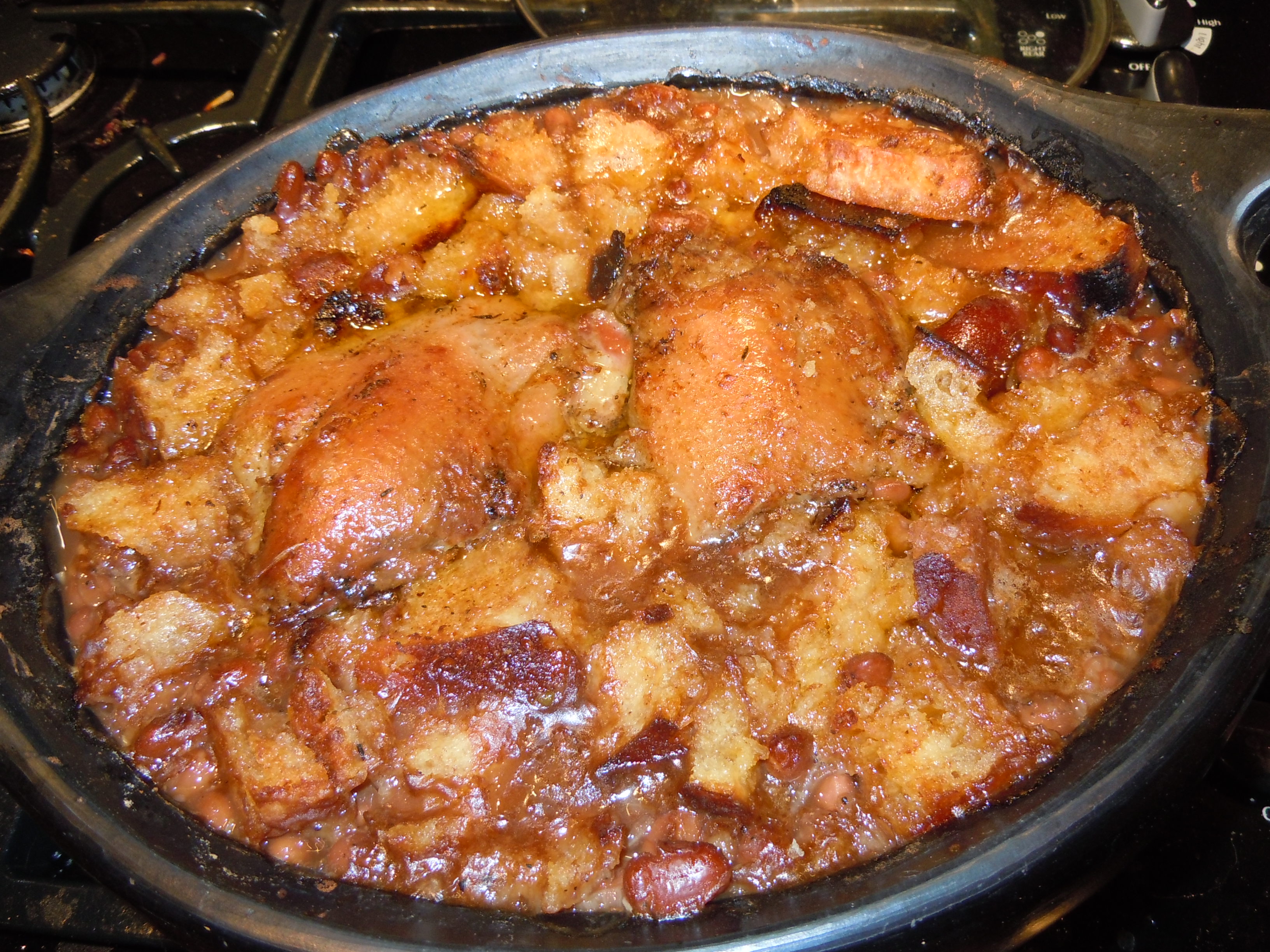
Now that you have a lot of duck confit, what do you do with it? For starters, you can make a quick rich meal by putting legs, heated and drained of their fat, in a very hot oven or under the broiler, then serving them on a bed of lentils or with herbed spaetzle, drained well and fried in a little of the duck fat until it has lovely crisp brown spots. You can set a leg or two on top of any cassoulet-type bean dish, nestling them into the beans a little so that as the whole splendid amalgam cooks, the duck fat plumps and sweetens the beans and the duck skin gets very crisp.

You can use fat and chopped confit to coat roast potatoes, letting the little bits of duck get crispy as the potatoes brown.

You can use a bit of chopped confit meat and duck fat to dress winter vegetables like carrots or parsnips, with a sprinkle of parsley to lighten the effect. Frozen green peas, given a brief boil, drained, and tossed in a hot pan for several minutes with a dash of heavy cream, a tablespoon or two of chopped confit meat and fat, and some soaked, chopped slices of dried porcini mushrooms, are elevated above their usual station in life. In the winter, duck confit adds subtle richness to everything it touches. On very cold evenings, you may even enjoy plain garlic toasts popped under the broiler with some chopped confit on top. Whenever you take some out of the container, gently warm it so that some fat liquifies and covers the meat to protect it from the air. Keep it in the refrigerator; it will not store safely at room temperature. Then when the hot weather comes, you will no longer be interested in confit at all. So enjoy it in its season.

Some of my current favorite books


Winter in central New Mexico is a time of spectacular, and early, sunsets. Once I’ve enjoyed the light show, I’m ready for a long evening of cooking and reading. I don’t do any posts about “best books of the year” because many of the most useful and interesting books that I read are old, and some of the best are things that I’ve read before and have returned to this year because they are good and useful. So this list is personal, opinionated, and idiosyncratic. With that in mind, here are some of the books that I used most this year.

An Everlasting Meal, by Tamar Adler
I didn’t expect to like this book, based on preliminary information that it was a book of culinary essays. Over the years I’ve become dubious about culinary essays because there are too many of them, many of them sound just like one another, most of them elevate the obvious, and nearly all of them lust a little too obviously after M. F. K. Fisher. THis one, however, has a genuinely original voice and was one of the most interesting books on food that I read in 2011. Ms. Adler’s organizing principle is thrift, and her musings offer a system of thought in which every product created in the kitchen can lead to future, equally delicious, products of the kitchen. Follow the flow of her thoughts about avoiding waste of food or effort and, whether you are a beginning home cook or an old hand, you will learn things about how to make your efforts pay future interest. In addition, you’ll enjoy yourself a lot.

Simple French Food, by Richard Olney
This is a real oldie, but in my opinion everyone with a real interest in cooking should reread it every couple of years. At a time when Julia Child was laying down rules of French cooking for anxious Americans, Olney was capturing the spirit of day-to-day Provencal cuisine, where thoughtful improvisation is informed by classic principles, and rational frugality is made delicious. The chapter on improvisational cooking is a culinary classic, and should be read by all cooks who try to improvise without really thinking about their potential ingredients first. On second thought, it should be read by all cooks.

New Moroccan, by Mourad Lahlou.
This one is new this year, and may be my favorite of the current crop of new cookbooks. The “memoir with recipes” is a very overdone genre, but this one is the real deal, where memories and personal history genuinely inform the author’s thoughtful musings about food and cooking. It doesn’t really matter if you make the recipes or not; you will be a better, more thoughtful cook after exposing yourself to the way that Mourad thinks about food. I should add that, as would be expected, the recipes are very complex. You may never make a single one of them precisely as written, but they are lovely to read and give insight into a culture where many people spent a lot of time thinking about food. I have never been to Morocco, but my childhood in food-obsessed Louisiana wasn’t much different in spirit, so this volume was oddly nostalgic for me.

Crazy Water Pickled Lemons, by Diana Henry
This one is subtitled “Enchanting Dishes from the Middle East, Mediterranean, and North Africa” and this is certainly accurate, but like all my favorite cookbooks, there are gems of description here that help a cook use ingredients really well. Here is Ms. Henry on cumin: “A real workhorse, its coarse ridged seeds smell like earth and life: fresh sweat, sex, dust, maleness.” In one sentence, you have the germ of a mindset about how to use cumin intelligently in cooking, and a clear visceral sense of where it doesn’t belong. I have had this book for a few years, and come back to it regularly.

Make the Bread, Buy the Butter, by Jennifer Reese.
Ms. Reese lost her job, a common story these days. She began to experiment with doing more food production at home, and wrote a book about which things are worth doing and which things are not. I disagree with her about many specifics; just for starters, she is vehement about not raising meat birds at home, while I think it’s one of the most valuable of my home food production systems. Nonetheless, her experiments and conclusions are always worth thinking about. I should point out that there was still an income in the family, and the financial freedom to spend $1600 on goats and goat necessities that she admits will never pencil out, so this is not a poverty-level view, but it contains valuable information for the frugal middle class and for people who like to do things for themselves, even if they cost a bit more that way. In one vignette that I especially like, she describes her husband saying about one of her proposed projects “it’s like we wanted to go for a drive, so you decided to build a car.” If you have self-sufficient leanings, keep it reasonable, for others in the household as well as for yourself. This book is a fun read with a good perspective, and while your own decisions about what’s worth doing may be different from the author’s, you are likely to have a good time.

The Weekend Homesteader, by Anna Hess
This one is not a book but a monthly newsletter available electronically. It’s based on the premise of doing one major homesteading task and a number of minor ones each weekend for a year. The projects are intelligent and well-described, the writing is good, the slant is practical rather than wild-eyed, and it is clearly the work of someone who has actually done the work. Highly recommended.

Mini Farming, by Brett Markham, and The New food Garden, by Frank Tozer
I have referred to both these books over and over since I bought them, and I wouldn’t want to be without either one of them. Right now, I’m thinking of incorporating more aesthetic elements into my back yard and so I’m consulting Tozer’s book more. When I’m on an efficiency kick, I use Markham’s volume more. Get them both, and skip the many pile-on-the-trend books out there by authors who clearly haven’t walked the walk.

The Vegetable Book and The Fruit Book, both by Jane Grigson
I can’t imagine being without these fine older books, and when I finally use my well-thumbed current copies to death I’ll buy new ones. You can’t do better for the products of your garden than to get these books, read them, and use them.

Happy holidays, and many happy winter evenings to you!