Archive for the ‘cooking’ Category

The Fall Summation III: The Firepit

I was happily involved in writing in the multiple parts of my fall summation IV post, when I suddenly realized that I never remembered to publish fall summation III. So here it is.
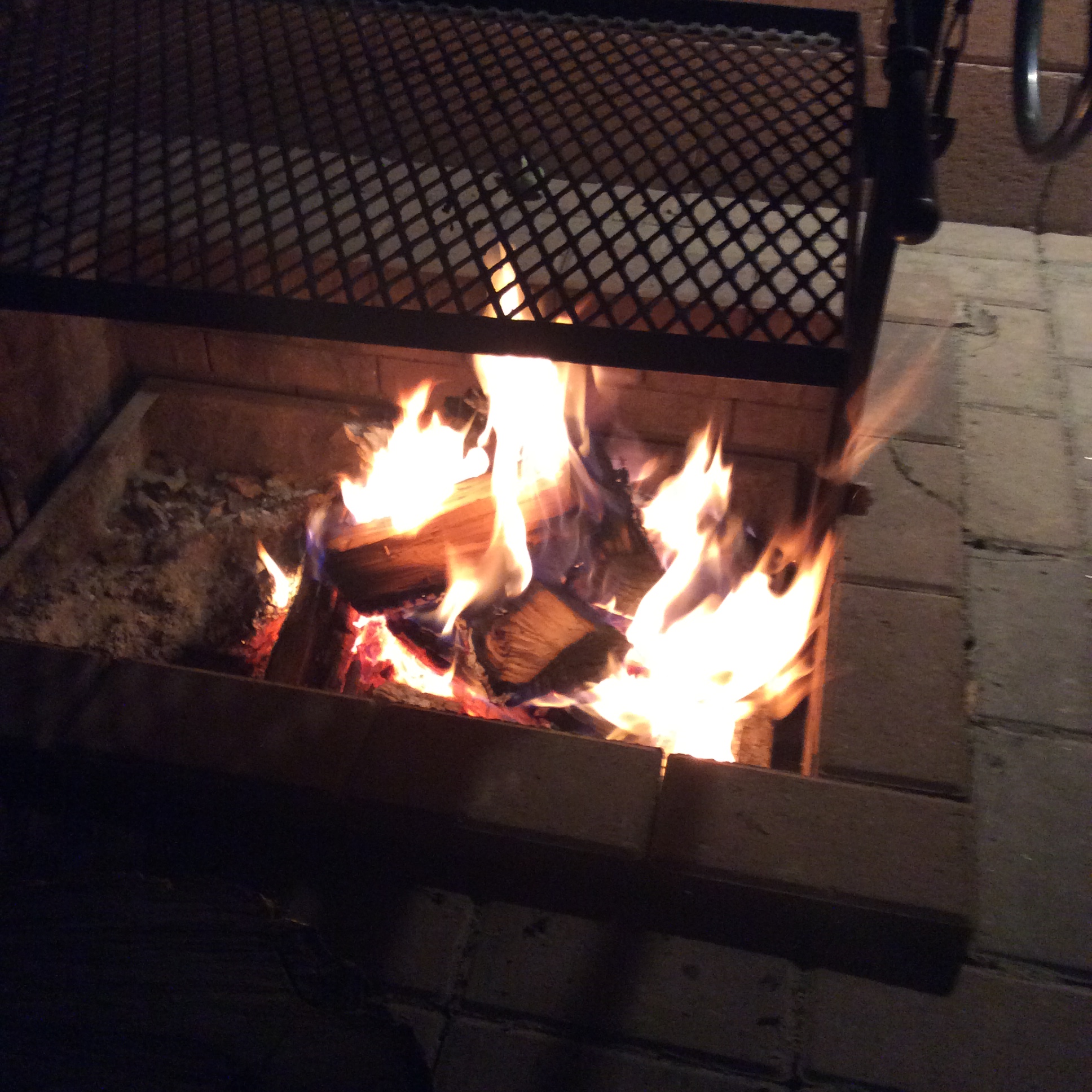
I have always enjoyed grilling as a wonderfully tasty way to cook meat and vegetables, but late this summer I acquired a firepit in my front yard, and it is fair to say  that it is one of the best small investments we ever made.  The pit itself is just a literal pit, a big hole in the dirt, skillfully lined with bricks by a landscape crew. Then there is a drop-in steel grill with a grate which is easily raised and lowered for precise control, and I wish I could remember where I bought it because it is the best ever.  Most important is the fuel, almost completely hardwood in my case although I start fires with twigs and small branches scrounged off the nearby walking path.

Cooking with wood is a whole different experience than cooking with charcoal, and I had not done it for about 25 years, so it took some time to get back in the swing.  When I want to just fire up the grill and cook something without undue fuss, I resort to my beloved Big Green Egg.  Cooking on the fire pit is more a process and an experience than just getting dinner ready. First, there is building the fire. Then, there is sitting next to it feeding it the right kind and amount of wood and giving it a few pokes at the right time to end up with a wonderful bed of red-hot coals  a couple of hours later.  Then there is cooking the food itself, and this is a hot eye-stinging experience that is somehow more pleasurable and more primal than any charcoal cooking could ever be.  The finale can then go one of two ways: either the coals can be damped with a bucket of water so that you end up with biochar for the garden or a bed of charcoal for the next fire, or more wood can be thrown on the fire and the diners can gather around it contemplatively with wine and marvel at their good fortune to be alive at this particular moment.

Don’t think that this is only an activity for carnivores. Pescatarians will find that wild-caught salmon is perfect for the grill, as long as you’re careful not to overcook.  Any vegetarian or vegan would love firepit cooking, for the rich meaty belt that hardwood smoke lends to vegetables. Eggplant, zucchini, and carrots are all wonderful sliced and grilled. I like to rub them with olive oil mixed with salt and a little chile chipotle. Wild mushrooms are lovely grilled, and store-bought mushrooms approach the savor of wild ones when grilled. Oyster mushrooms are especially suited to grilling.   Potatoes and sweet potatoes are both really good when pre-baked, pressed flat and about half an inch thick with your hand or the bottom of a glass, salted and brushed with olive oil or bacon fat, and grilled  just until the outside gets crisp and browned.  Sweet potatoes are very quick to burn because of the sugar they contain, so they need to be kept on a cooler part of the grill and be brought along more slowly and cautiously.  I understand that some people grill kale leaves very successfully, although so far I have not made that work well. And the more tender leaves of romaine lettuce are really delicious when the heads are grilled in halves.
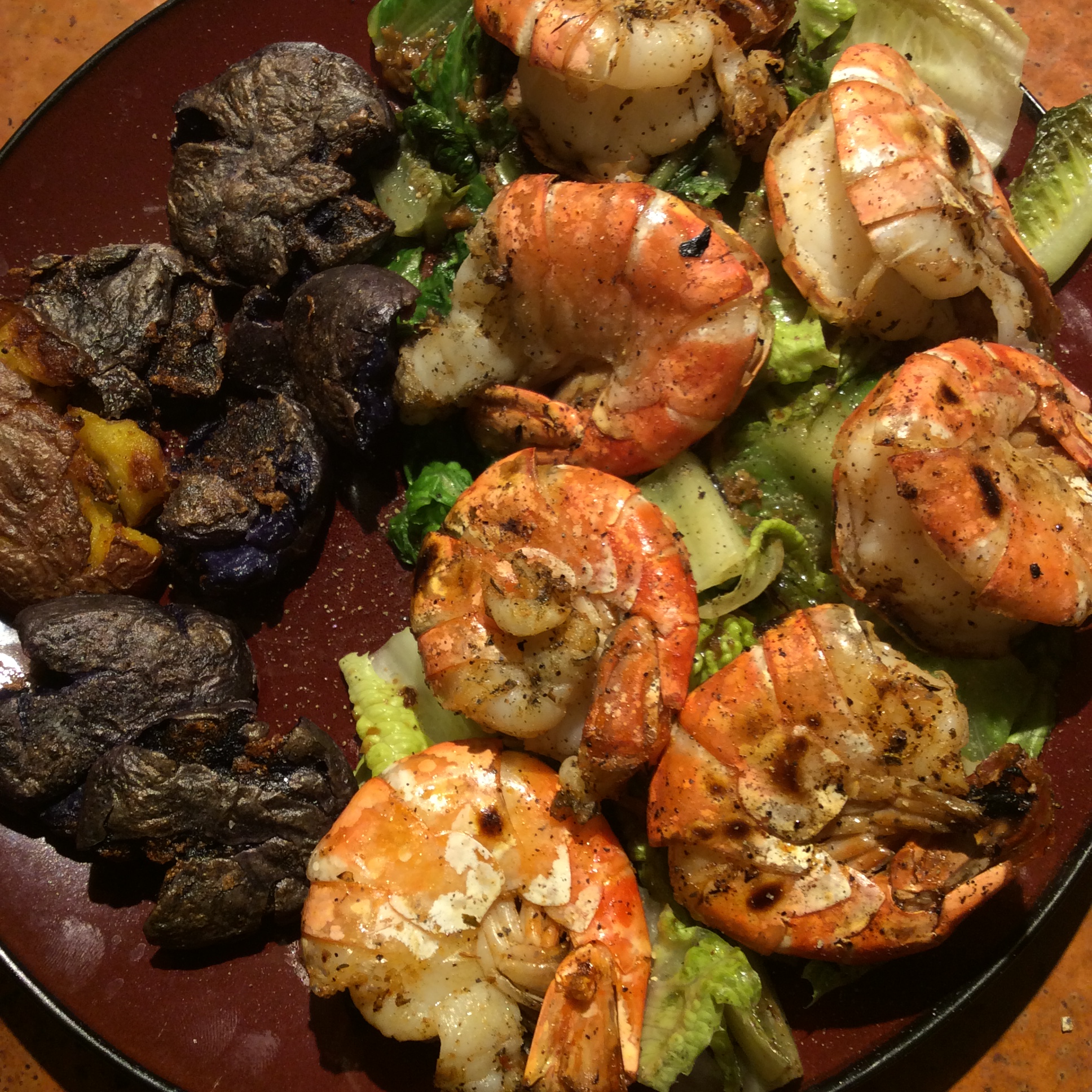
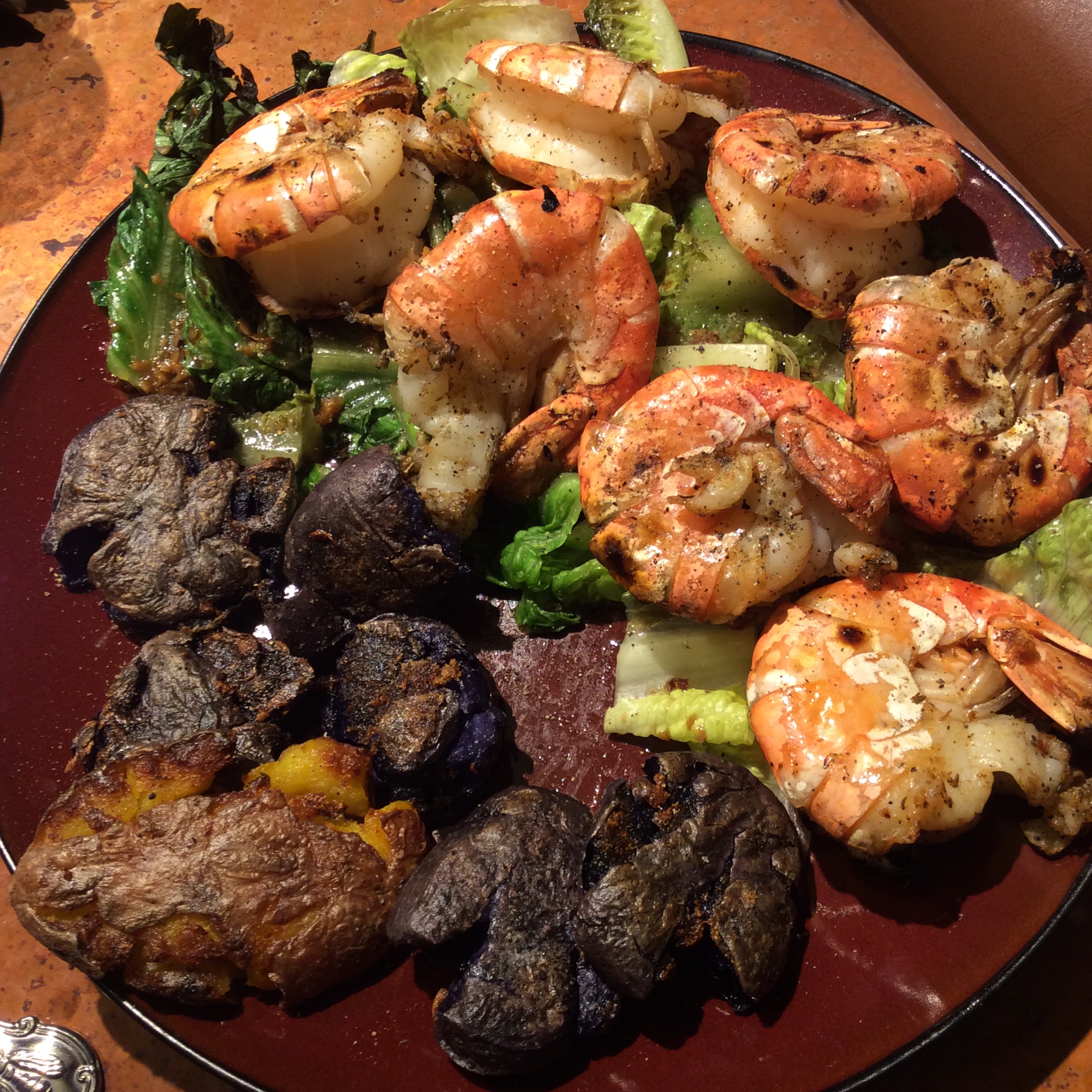
One of my favorite recent dinners involved large shrimp seasoned and grilled in their shells, served on a bed of grilled romaine lettuce made by cutting heads of romaine in half, drizzling them with my mother’s marinade, and grilling them over very hot coals for 2-3 minutes on each side.  I am in favor of taking the grilled romaine into the kitchen and slicing it crosswise before plating it, for more graceful eating. The ribs of the romaine  leaves become softer, sweeter, and a culinary revelation. I would think that the same thing could be achieved with Chinese cabbage. Another small drizzle of marinade when on the plate adds to the general savor.  In the photo above you see the grilled treatment given to little dark blue Magic Molly potatoes, which I intend to write about in another post.   In general we eat low-carb and avoid foods like potatoes, but the occasional treat does not come amiss. Overall, this is a meal that makes you realize that nothing more miraculous has ever happened in human history than the taming of fire. It made us more civilized and brought wolves in off the tundra to be our companions. We co-evolved with them for the next 40,000 years to the benefit of both parties, and their descendents still seem to enjoy hanging around the firepit.

For more on the entrancing world of wood fired cooking, read anything by Francis Mallman, particularly his first book, Seven Fires.

Fall and Winter Leaves II: Nettles

Nettles are one of my favorite greens, and one of the most nutritious plants around, so treating them with the respect and care that helps you avoid stings is definitely worth the trouble. I have a thriving nettle patch in a corner of my yard that I don’t routinely have to visit, so I have always harvested the new greens in the spring and then assiduously ignored the nettle patch for the rest of the year.  This is partly because I get interested in other things, but mostly because as a child, when I first started foraging to the intense dismay of my parents, my mother wisely bought me a set of Euell Gibbons books so that I would not poison myself.  Mr. Gibbons wrote eulogistically about nettles, but cautioned his readers that after the spring flush they develop oxalate crystals and are gritty and inedible.  I believed every word he wrote, and so I never tried them after they were about a foot high.

Here in the desert, in the unwatered spot where they have to live in my yard, nettles die back beginning in July, and the stems look dead by September.  But this year we got an uncharacteristic long heavy rainstorm in late September, and to my surprise the dead nettle stems began to leaf out again.  This week I noticed a mat of fresh nettle leaves, and told myself that no doubt they would be gritty, exactly as Euell had predicted.  But I did gather a couple of quarts (using leather gloves) of nettle sprigs and tried cooking them. They were exactly as verdant tasting as the spring greens, and neither gritty nor tough.  Now that I know this, I will try to remember to cut my nettle patch back when it dies in the hottest late summer weather, and begin to water in September so that the late fall shoots will be easier to pick.

Cooked greens in the refrigerator are an appetizing snack or light meal waiting to happen.  Today I didn’t particularly feel like eating a heavy lunch, but I did want something, and I wanted it to be healthy. I had a cup of blanched nettle greens hanging out in the refrigerator, and half a cup or so of leftover cooked cauliflower rice, so I grabbed two large scallions out of the walking onion patch and picked three large carrot leaves off the last remaining carrots.  The garlic that I planted in late summer is sprouting, so I picked one stalk that was about 6 inches high  to use as green garlic.  The fresh green stuff was chopped and sautéed in butter until cooked through, then the cooked nettles and cooked cauliflower rice were added along with about 2 cups of canned chicken broth and half a cup of heavy cream.  You could certainly leave this as a chunky soup, but I decided that I wanted a cream soup, and put the little potful in my Vitamix blender. About a minute later, it was completely creamy and thickened. I poured it back in the cooking pan, added a little water to thin it to a good consistency, simmered for 10 minutes, salted to taste, and ate it with a spoon full of drained yogurt on top to supply a subtle acidic element.  The entire process, including grabbing the green stuff from the yard, took about 15 minutes. This is a pretty small time investment for something as absurdly healthy as nettle soup.

Needless to say, vary to suit your own taste. Cooked cauliflower is a surprisingly good creamy thickening agent, and if you are vegan you could use olive oil for the initial sauté  and vegetable broth for the cooking liquid, and leave the cream out or substitute nut milk. It could be finished with a few drops of lemon juice instead of drained yogurt. Vegetarians can change the broth and leave everything else the same. As written it is a delicately flavored and very comforting soup, perfect for days when fate is being unkind, but if you want something more emphatic  you can start playing with herbs.  If you don’t happen to have a nettle patch, use some other leafy green. Have fun in your kitchen and make the result work for you.  My mother objects to my greens soups on the undeniable grounds that they are green, but if you have a prejudice against the color green in food I do hope that you will get over it, because it is the marker for some of the healthiest food that you can possibly eat.

And by the way, Euell Gibbons wasn’t right about everything, but his foraging books are still well worth reading for their palpable joy in the outdoors.  In one plant essay he says that wild foods are his way of taking communion with nature and the Author of nature, and I think this sums it up.

Fall and Winter Leaves I: Savoy Cabbage

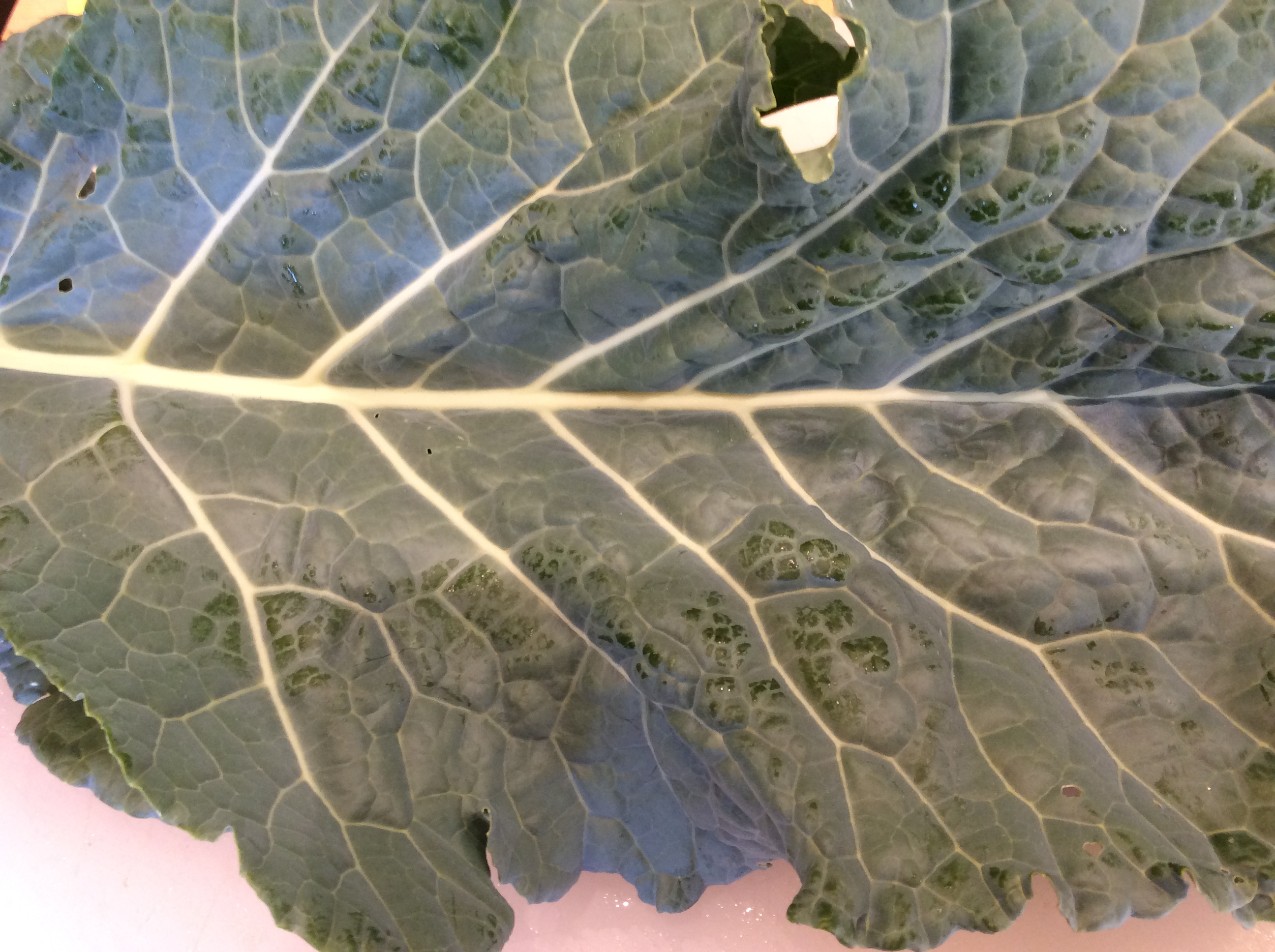
By late fall my freezers are always stuffed full, and I’ve done enough gardening for a while and am ready to sit by the stove in the evening, studying seed and nursery catalogs. But there’s always some late-season surprise in the garden to keep me interested. This year, it’s cabbage.  In late August I had a little empty space in a bed with rich soil, and a few savoy cabbage seeds that I hadn’t  remembered to  plant earlier, so I threw them in.  Most of them never germinated, because in desert country in August it’s pretty hard to keep a seedbed moist enough to start anything.  But two little seedlings did get going, and struggled through the heat and the competition, and when  the nights got cold in October they began to grow rampantly. Now they are about 4’ across. They’re thriving through the first hard frosts, but probably won’t live long enough to head up, so I started eating the leaves. To my surprise, these are the mildest and best crucifers I ever ate, far better than non-savoy cabbage, with a crisp texture, no toughness except in the veins, and no “cabbagey” aftertaste when chewed raw. They’re sweeter and milder than collards, kale, Portuguese kale, regular cabbage, or any other cabbage family green that I’ve grown. I tear the two sides off the large central stem/vein, which goes to the goat. Roll up the leaf halves, cut them in 1/4” strips across the larger veins, and then use your clean hands to massage them briskly by handfuls, planning about one minute per large leaf to soften the texture. If planning to use them raw, massage a bit longer. This massaging trick is invaluable in dealing with the more substantial leafy greens. Generally half a large leaf is plenty for one person, although real greens-lovers might eat more. Greens are full of soluble fiber and very filling.

As for how to use them, try any of the following:

Slaw, either classic or spicy Asian with ginger, scallions, and rice vinegar

As the basis for a Kale Caesar salad

Stir-fried with garlic and ginger, or with black bean sauce

Cooked like collards with bacon fat and onion and garlic, with a handful of crumbled crisp bacon over the top.

In a simple soup with ham or sausage, chicken broth, and sautéed garlic

Sauteed with leeks and finished with cream

Or try using them cut to appropriate size as a far healthier version of lettuce wraps, or whatever else you can dream up.

Like all dark leafy greens they are alarmingly healthy and likely to make you outlive your finances, so better keep saving. They are also surprisingly luxuriant and attractive in the garden, until you start cutting at them.

King Corn

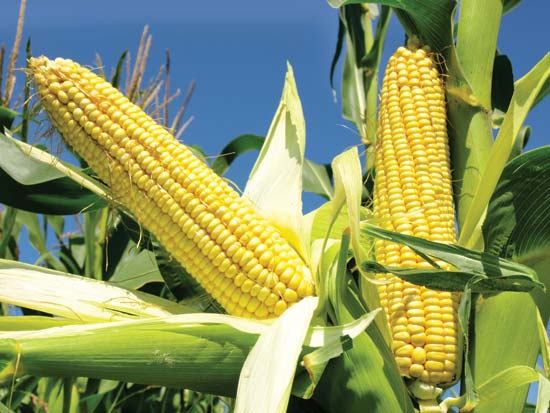
King Corn, a documentary about the supremacy of corn grown for production of sweeteners and animals in American agriculture, was released ten years ago. At the time, some reviewers considered it too low-key compared to supposedly harder-hitting documentaries like Super-Size Me! But I think that King Corn has held up a lot better than some of its more shrill and polemical contemporaries, and I am going to try to get you to watch it.

First, let’s consider whether the problem addressed is still a problem. Have rates of obesity or diabetes gone down since the movie was made in 2007? Quite the opposite. In adults age 40 to 59, obesity has risen to a stunning 41%. In 2015, 9.4% of American adults were diabetic, and another 84.1 million were considered pre-diabetic. Our scientific knowledge of the hazards of sugar in all its forms has grown by leaps and bounds, and so has our national sweetener consumption. So, uh, let’s keep talking about this.

With that in mind, I watched King Corn unfold. It is a sweet low-key film and doesn’t hammer you with a message. It just shows you things. Things like Earl Butz laying out the paradigm change to “more food, cheaper food!” Things like anhydrous ammonia being injected into the soil, and herbicides being rained onto the soil in 90 foot swaths, all to grow more corn. Things like genuine and literal mountains of corn being shoveled into confinement animal feeding operations and sweetener factories. Things like current farmers admitting that they won’t eat their own product, and the owner of a confinement cattle feeding operation saying “if the American consumer wanted grass-fed beef, then we could and would produce it.” Things like Dr. Walter Willet of Harvard, one of the greatest nutritional researchers in the world, explaining what all this means in terms of American health. Things like small American farmers going under as their neighbors consolidate to produce more and more and yet more corn. And, tragically, things like a delivery driver talking to one of the protagonists about the ultrasweet grape soda that he drank constantly when he was growing up, and about his father‘s eventual death of diabetes. “They amputated his toes first,” the driver says, “then his foot, then his leg below the knee, then above the knee. When they started cutting on his other leg, he gave up. He died.” The driver went on to say that he himself had lost a huge amount of weight just by giving up soda. I’m a doctor and this scene made me want to cry. Currently the national cost of diabetes in the US is calculated to be a stunning 105 billion per year, a figure that becomes even more remarkable when you learn that it does not include the cost of workdays lost. The cost in human suffering and loss of lifespan and healthspan is beyond calculation.

If you wonder what any of this has to do with an urban gardening and home food production blog, I would say that it’s the backbone of what I’m talking about here all the time. It simply is not possible to grow or make at home anything that is as unhealthy as most of what is sold to you in stores and restaurants. I seldom venture into large grocery stores these days, but when I do, what I see is aisle after aisle of things that are not really food. Don’t eat this stuff.  Bushels of money are being made out of messing up your health. Grow something, cook it, and eat it, or buy it directly from the person who grew it.  Take an interest in the health of the soil right around your own house. Take to heart the interview clips in King Corn that show Michael Pollan sitting and talking to the interviewer with his home garden in the background, Tuscan kale prominent.  Plant one little plot of kale, cook it six or seven different ways, and see what you like.  Use the fall and winter to start planning a small garden for spring. Find three recipes for leafy greens that you really enjoy, and make them often. Serve them to your family and friends.  This is not just a fun and loving but a subversive act.   Almost everything in our corporate food culture is designed to get you to eat things that are not good for you. There are corporations that exist to make a mint at the cost of your health,  and then other corporations that make further fortunes by making pharmaceuticals to treat your food induced health conditions and allow you to continue eating swill, but you are smart and wily and you are going to begin fighting back.